
Kosovo on a Knife’s Edge
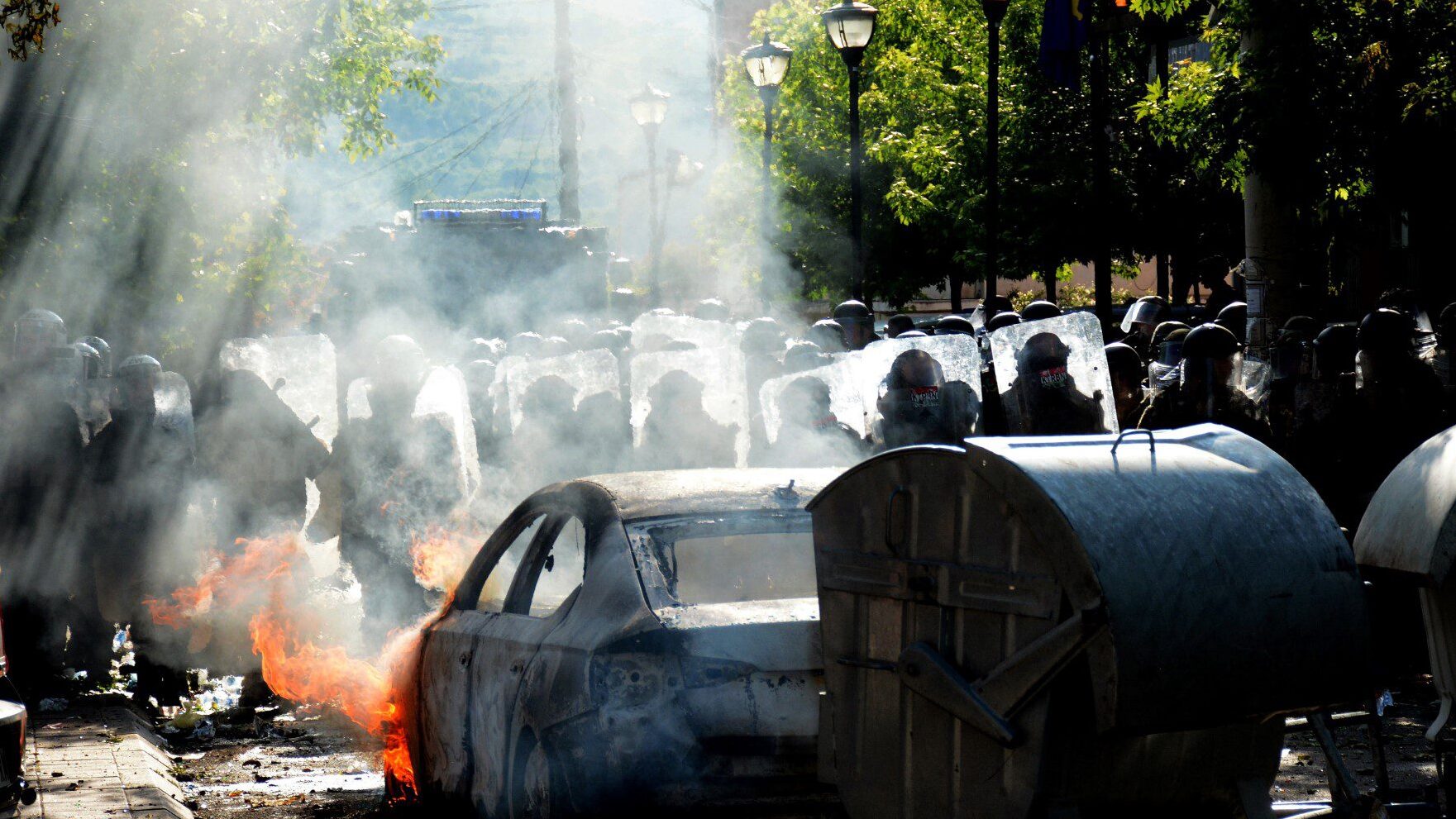
In northern Kosovo, ethnic tensions flared when Kosovo Serbs clashed with police and NATO peacekeepers as the former demanded the removal of recently elected Albanian mayors.

In northern Kosovo, ethnic tensions flared when Kosovo Serbs clashed with police and NATO peacekeepers as the former demanded the removal of recently elected Albanian mayors.
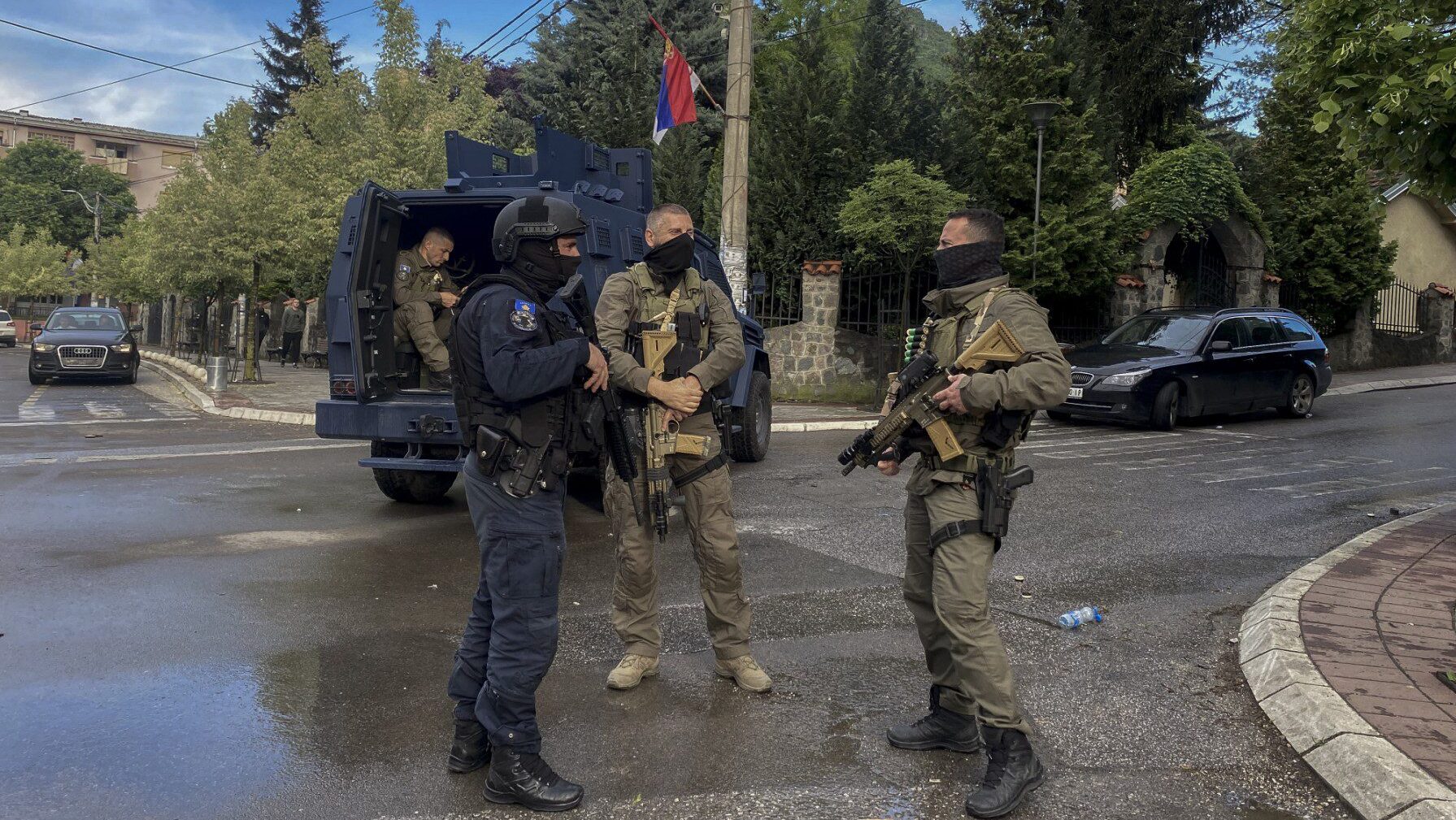
“Someone needs to understand that what [Kosovo’s prime minister] Albin Kurti is doing is leading us to red lines and to a complete collapse of dialogue and an escalation on the ground,” Serbia’s defense minister warned.
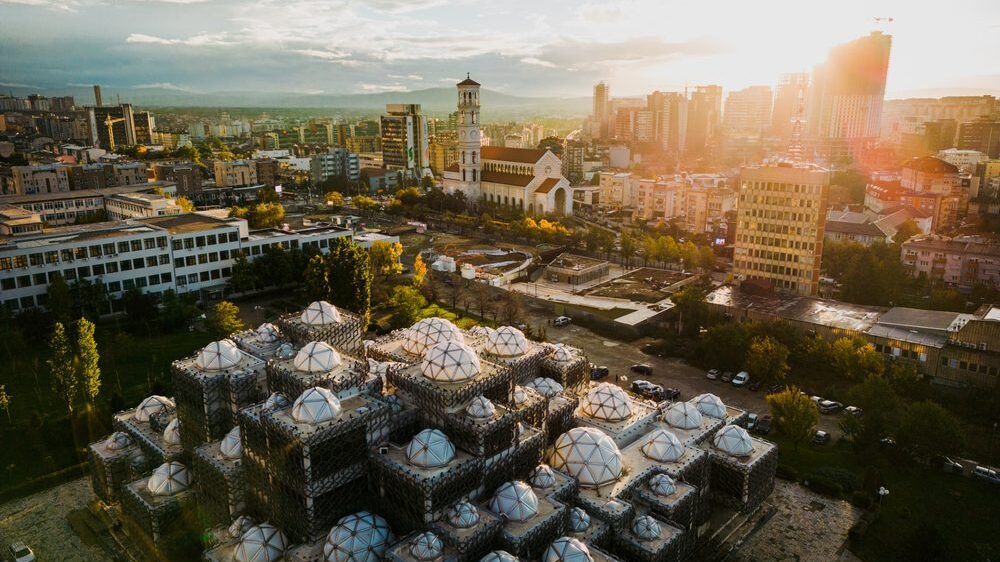
Afraid that any more recognition would only embolden their own ethnic minorities, seven countries, including Spain, voted against Kosovo’s CoE admission. Another five, including Ukraine, chose to abstain.

The Serbian President said Kosovo Serbs would not vote in the upcoming elections, since Pristina declined to form a Community of Serbian municipalities.
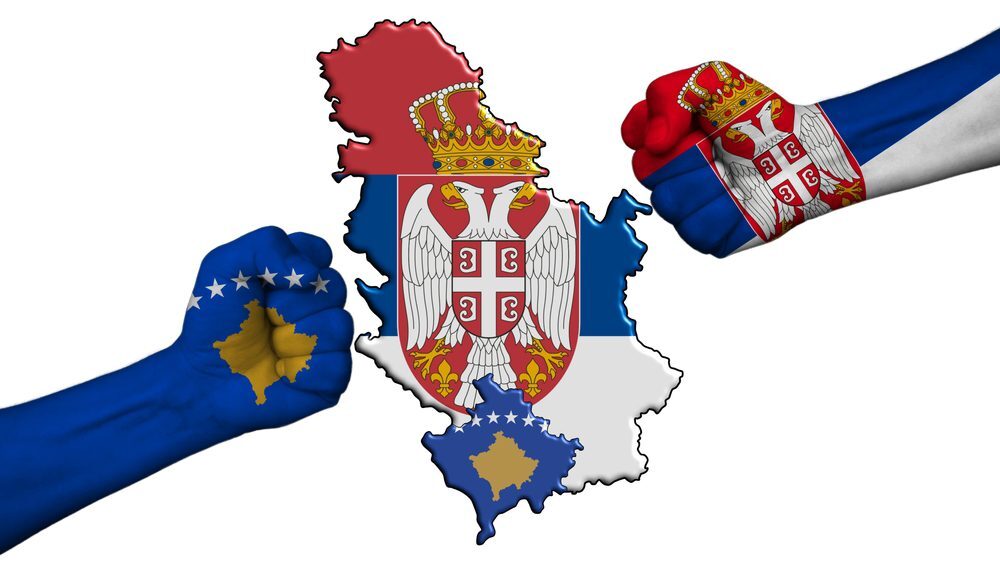
Serbia’s Foreign Minister slammed the Kosovo government for being the “main generator of all crises” in Kosovo as it “avoids the commitments” it had made.
While verbal assurances towards that end have been made, both parties refrained from actually inking the deal.
With more talks due on Saturday it appears the EU is still powerless to break the long-running diplomatic deadlock, in spite of both countries’ desire to join the bloc.

“We are totally opposed to the so-called Franco-German agreement, which is nothing more than an ultimatum to recognise the state of Kosovo.”
The leaders’ endorsement of the deal represents a major breakthrough for their countries’ deadlocked relations.
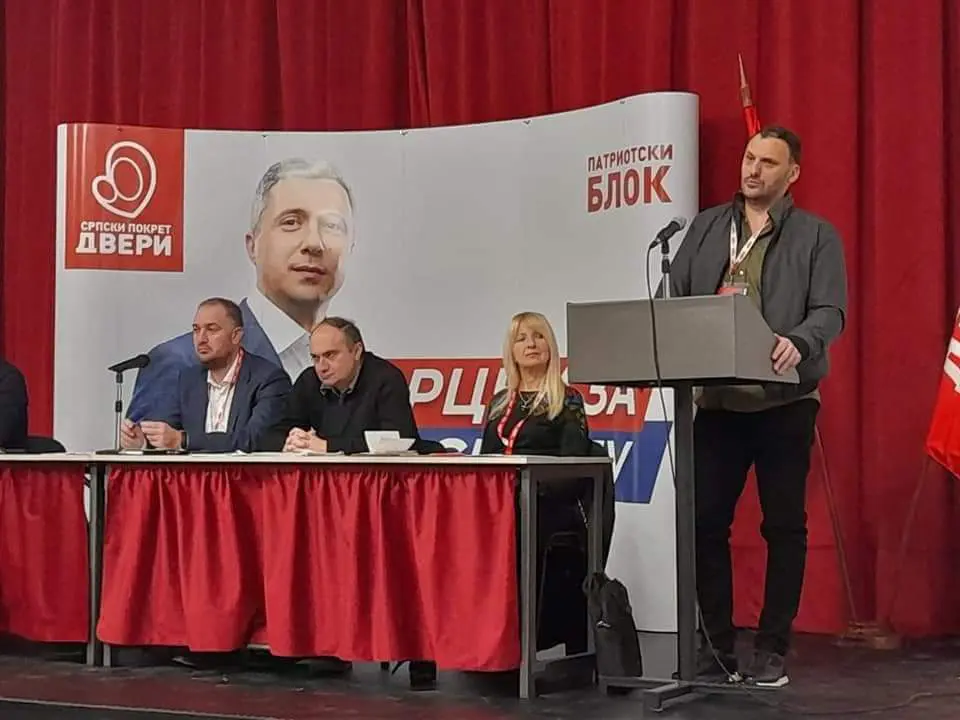
Demonstrations in Belgrade against Europride and in favour of traditional values showed the strength of patriotic movements and the Church. The new National Rally will hold a large meeting on 20 February in Nis.