
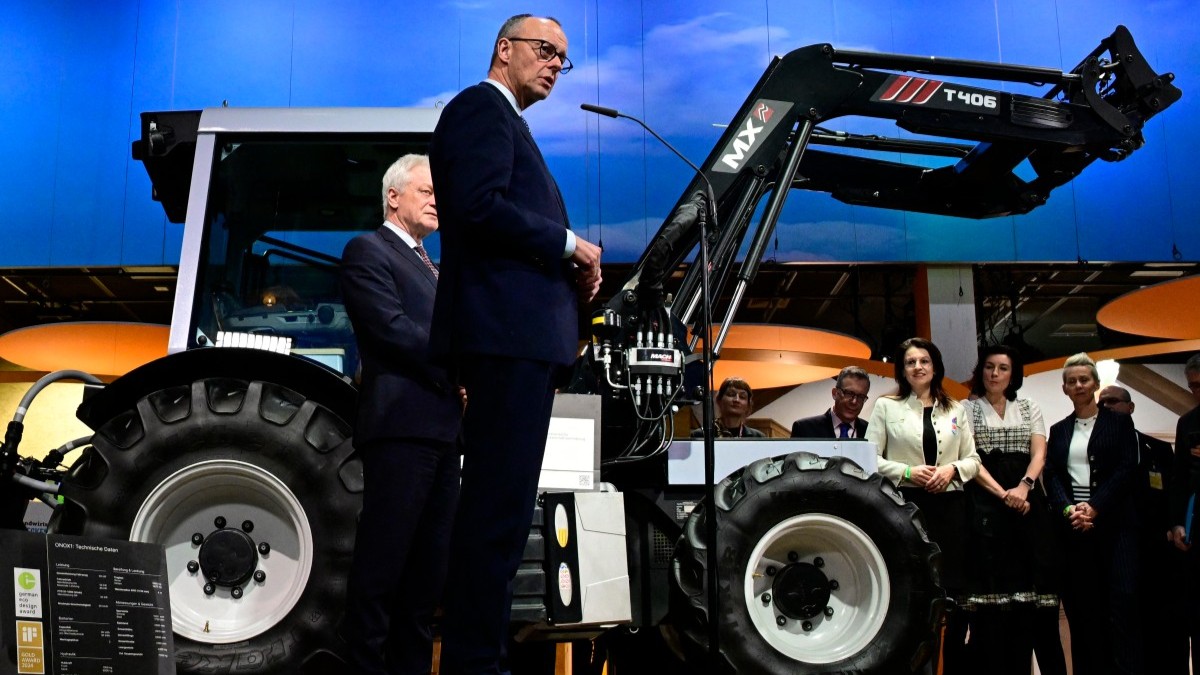
European Establishment Fuming About Latest Mercosur Delay
Officials give off the sense that they fear the agreement could still be totally foiled.

Officials give off the sense that they fear the agreement could still be totally foiled.

Pressure from the agricultural sector and the backing of conservative forces have managed, for now, to halt a key deal for Brussels.

In the European Parliament, Péter Magyar sits in the EPP group, the party of Ursula von der Leyen who signed the controversial Mercosur deal on Saturday.
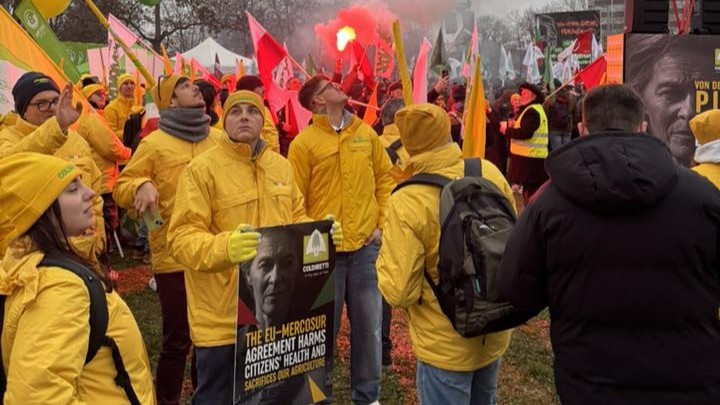
The European Parliament debates the fourth motion of censure against the Commission in seven months over the EU–Mercosur agreement.
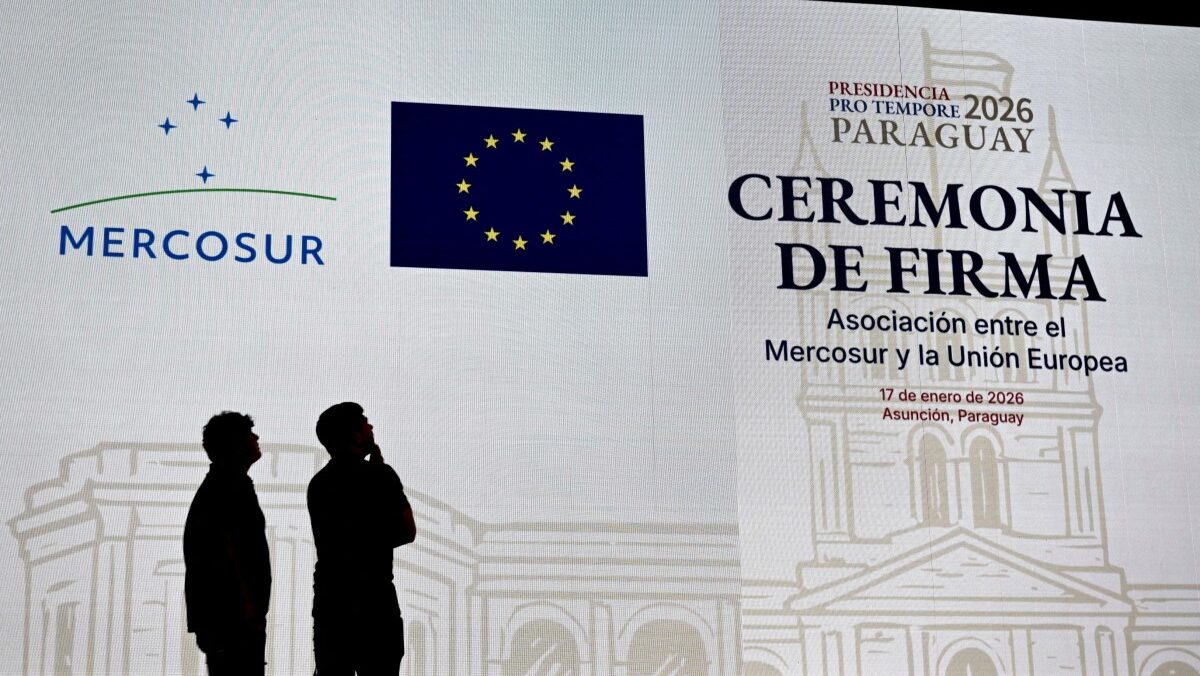
Leaders hail the pact as a defence of open markets, but farmers warn of job losses and unfair competition.
Spain and Germany are pulling in opposite directions, exposing how fragile the EPP’s claim to represent both workers and exporters has become.
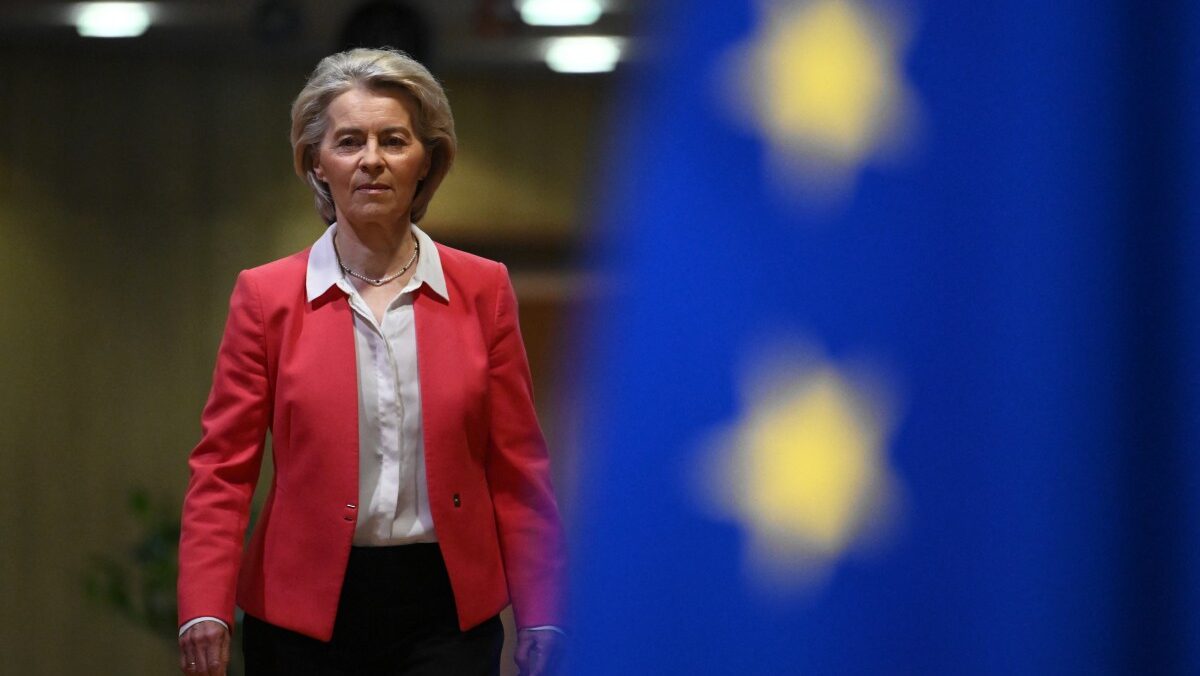
Opponents accuse Brussels of pushing through a deal that benefits industrial elites while ignoring mounting rural anger.
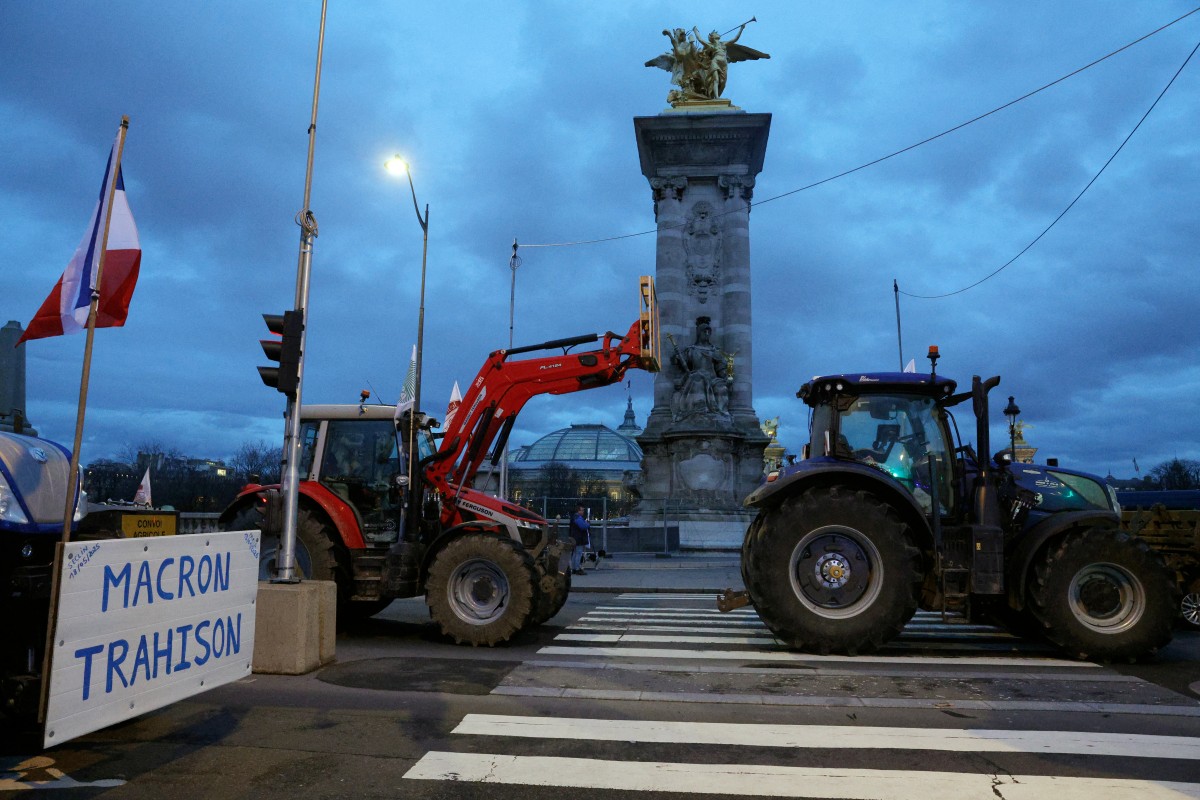
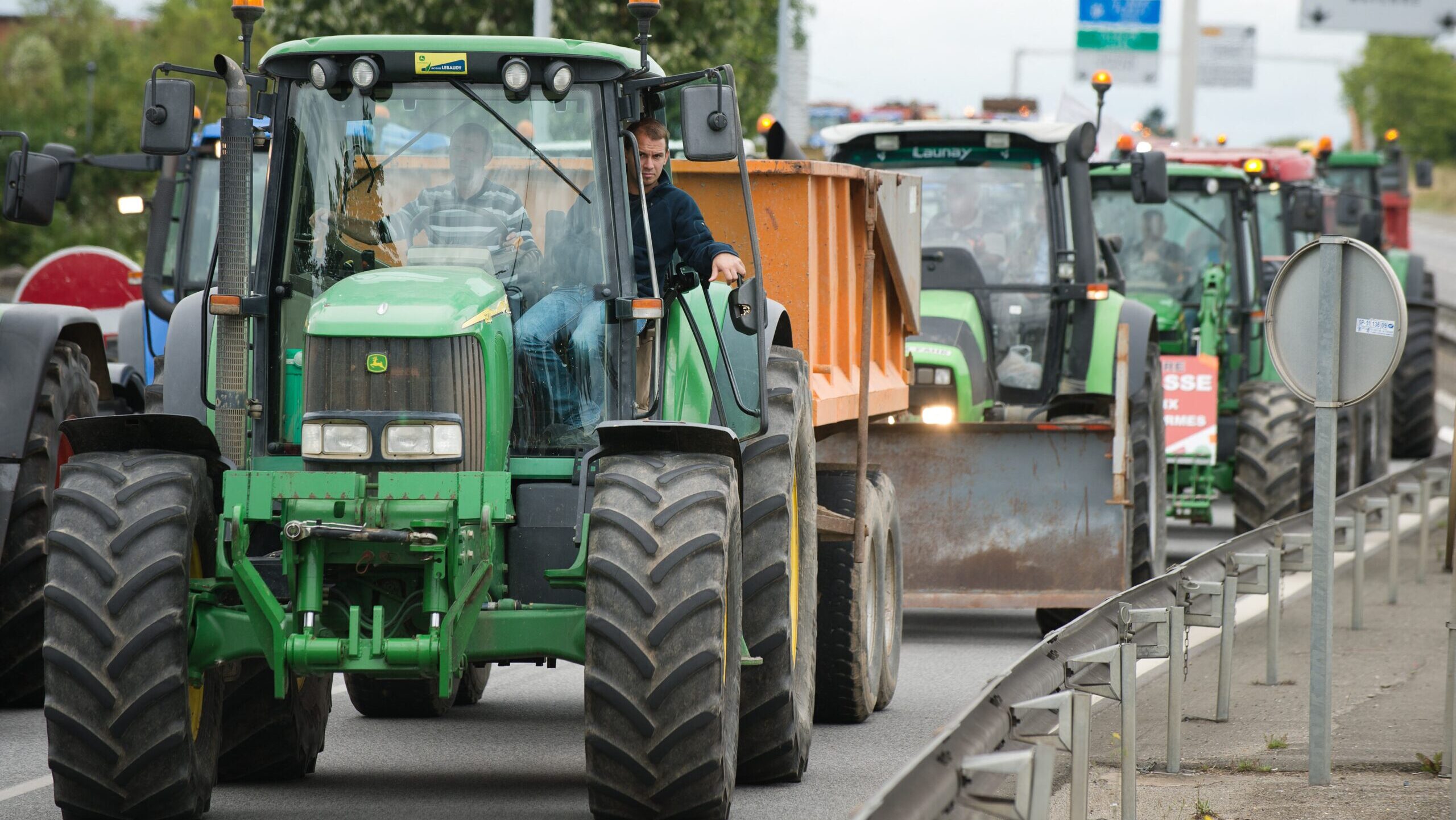
Around 150 tractors had entered Paris by early morning, with authorities expecting the number to rise to about 300.
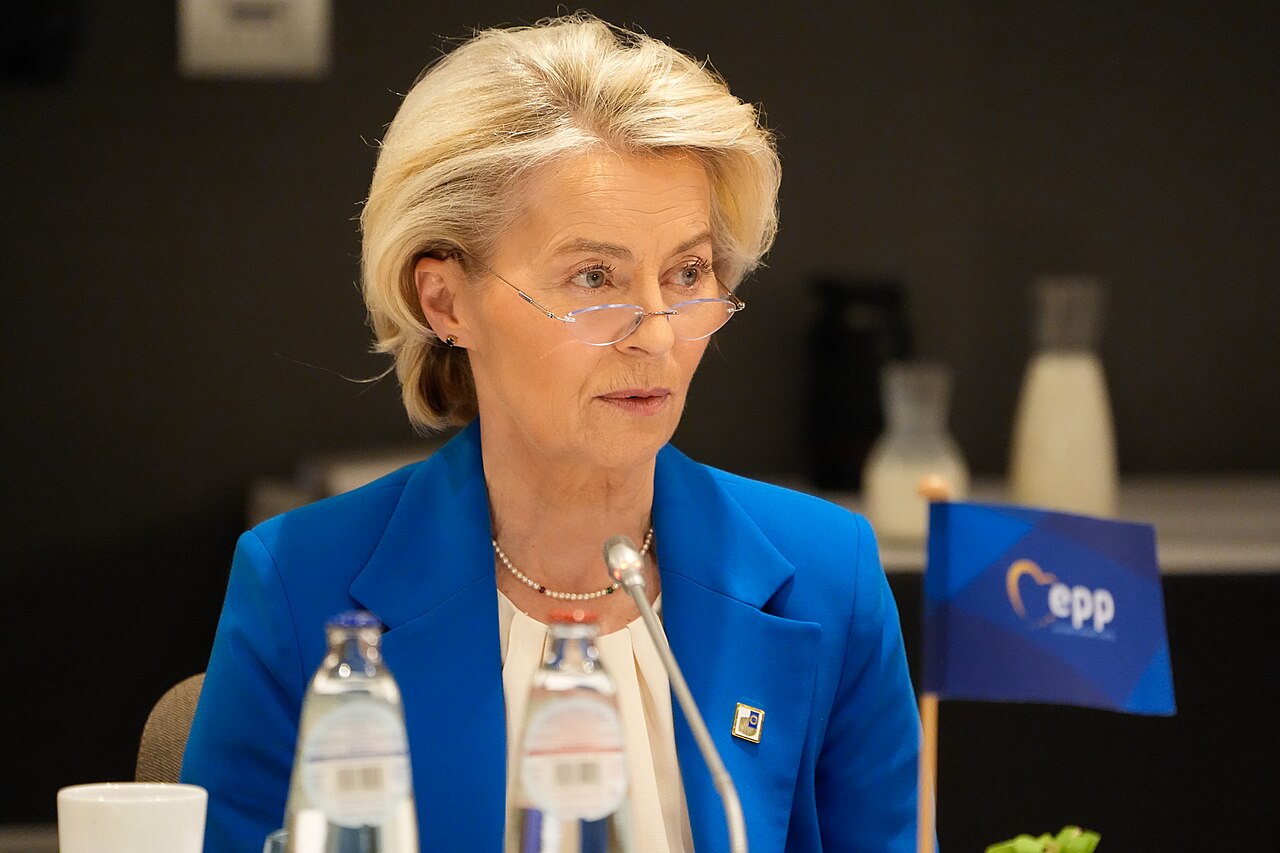
Brussels has confirmed the January 17th signing date of the controversial Mercosur pact—despite protests from European farmers.

Like France, Ireland, Austria, and Hungary, Poland rejected the trade agreement, which most EU member states approve of.