

German Court Acquits Journalist Following Satirical Political Meme Conviction
Online content shared by David Bendels was protected by freedom of expression when assessed in its overall context, according to the presiding judge.

Online content shared by David Bendels was protected by freedom of expression when assessed in its overall context, according to the presiding judge.
The case has become a flashpoint for wider concerns about how far German authorities can go in policing speech.
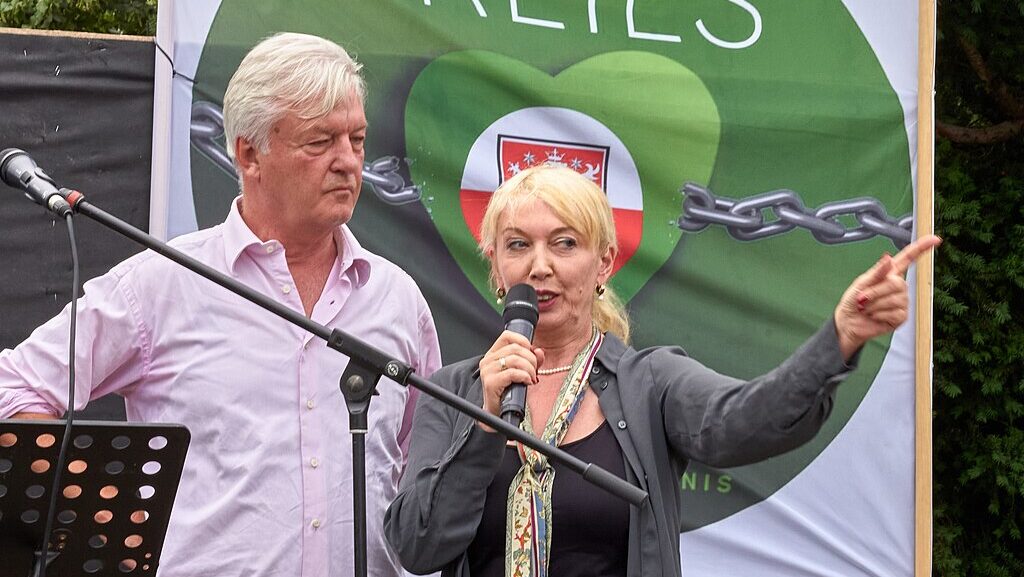
Government-critical Compact was initially banned on the grounds of “combatively and aggressively” striving to topple the democratic order.

“The agency’s mandate is to protect the constitutional order—not to carry out political vendettas.”

“Two losing parties form a coalition, despite the fact that Germans have voted to have a right-wing government. To me, this is profoundly undemocratic.”
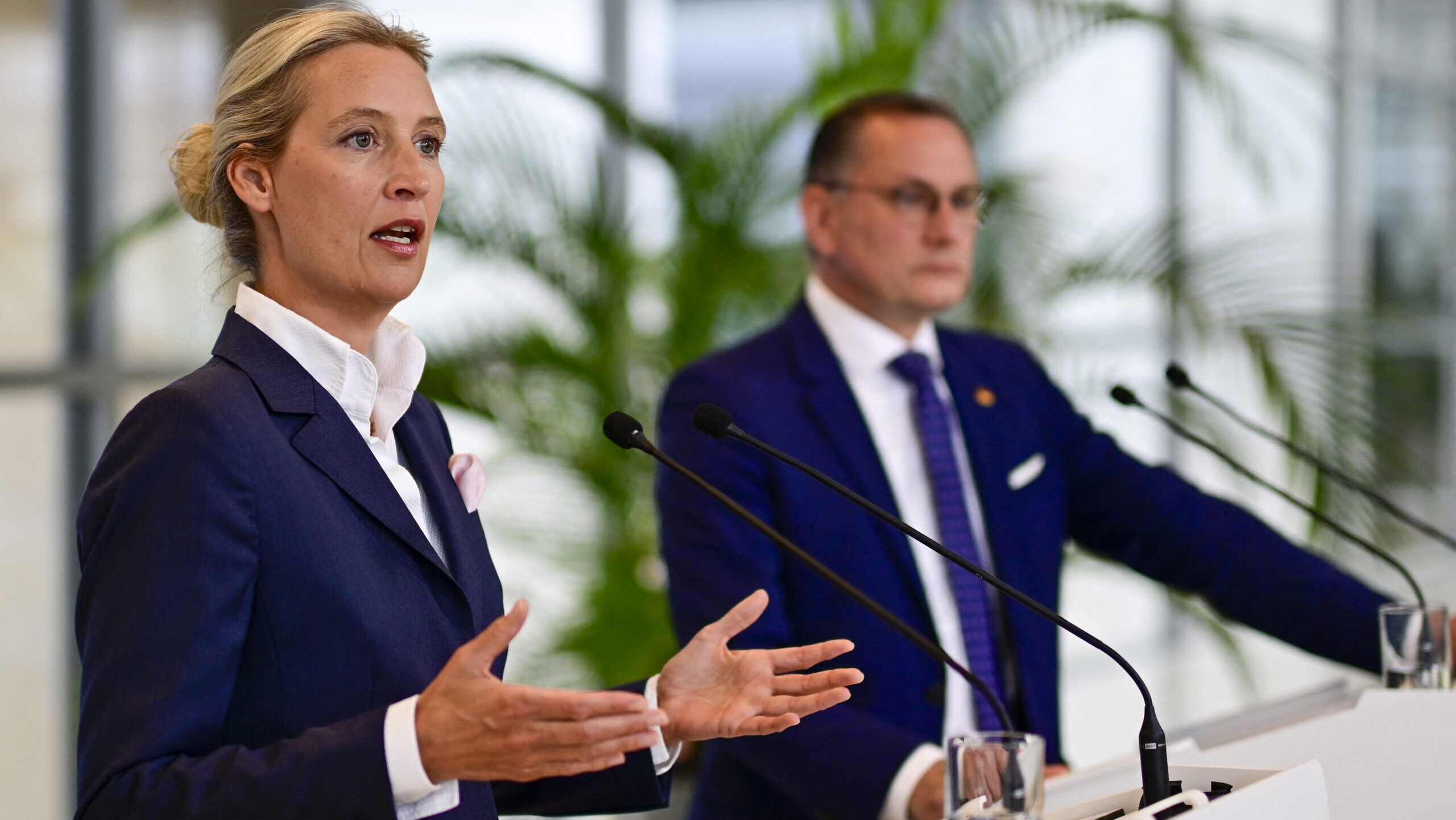
Keeping the report secret was not intended to protect the domestic spy agency from external threats, but to conceal the investigation’s weak foundation from public scrutiny.
The government pledges reform, though early decisions hint at business as usual.
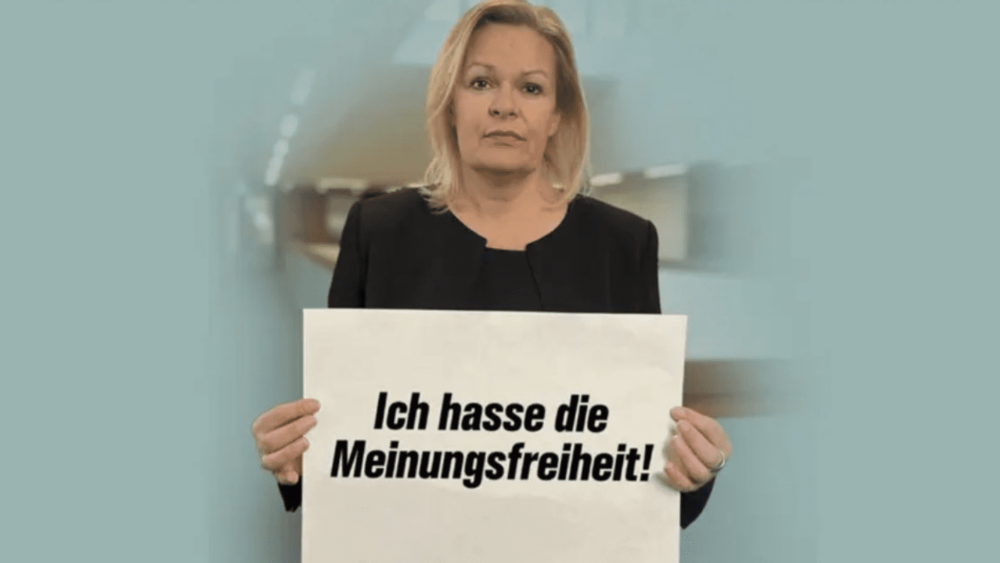
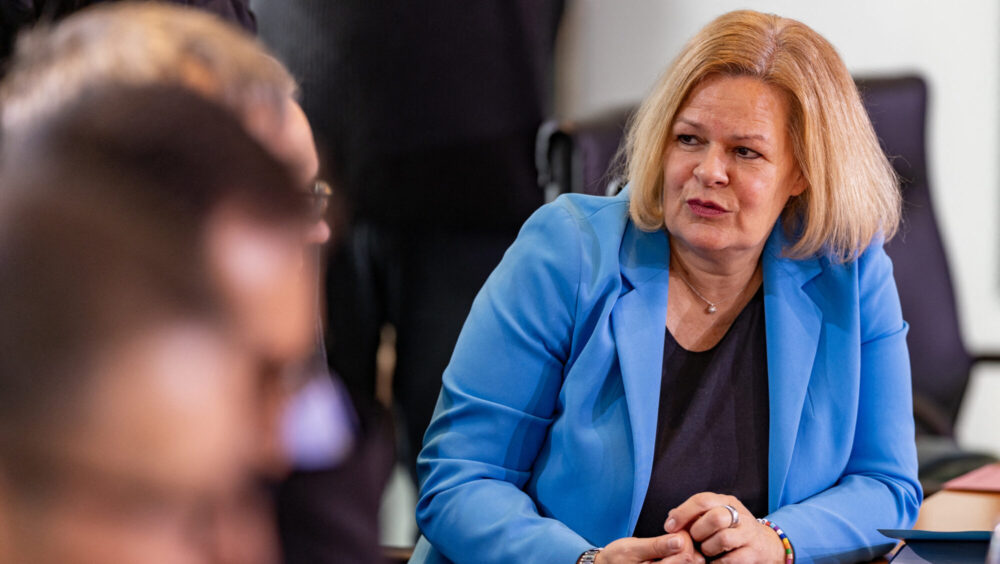
The editor-in-chief faces seven months probation for posting a meme with the interior minister holding the sign: “I hate freedom of expression.”
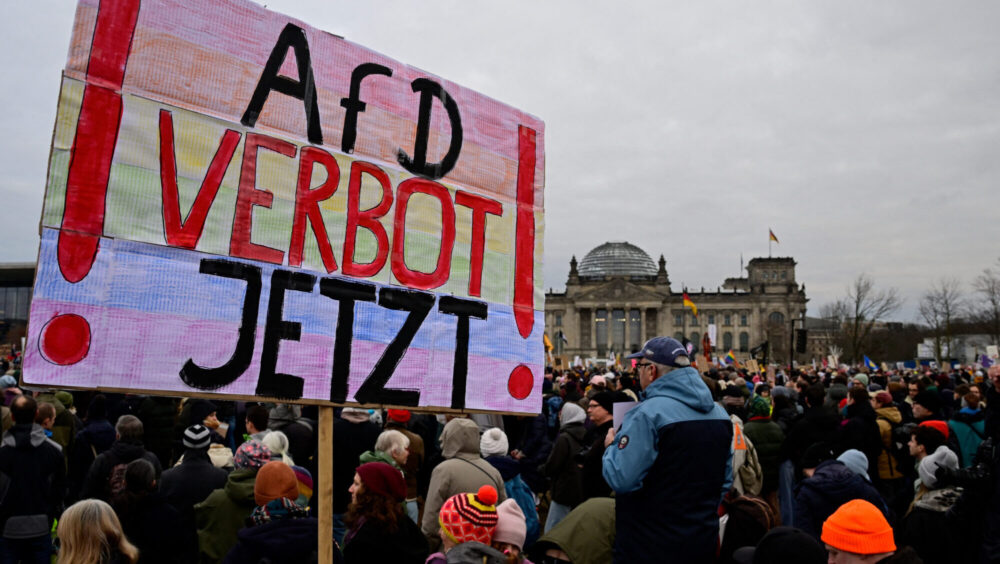
Desperate calls to ban the AfD show how scared mainstream parties are of populists—and by extension their voters.
In yet another phase of the witch hunt against its political rivals, the left-liberal government resorts to intimidation of those it accuses of undermining the constitutional order.