
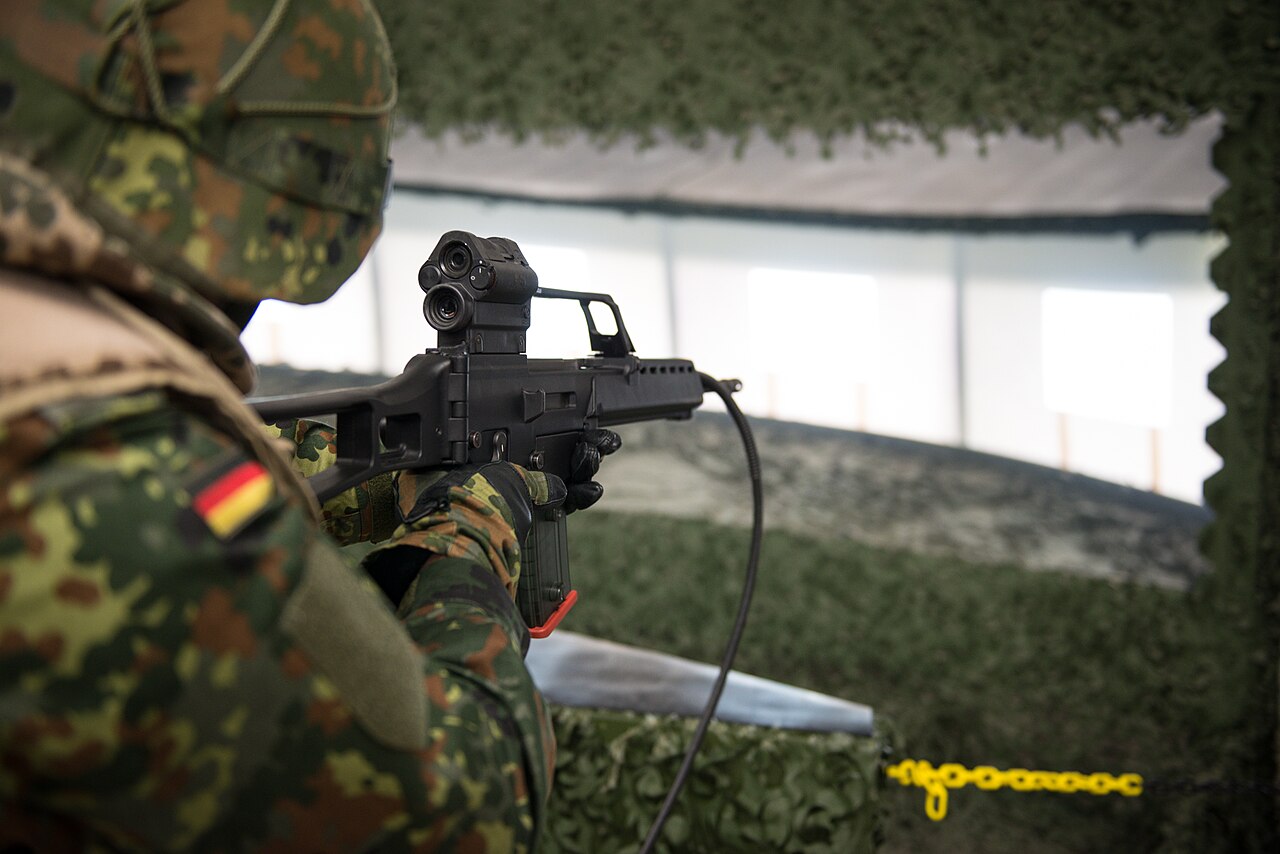
Germany and Netherlands to Establish Baltic NATO Command Centre
The Alliance’s 1GNC headquarters could command up to 50,000 troops and oversee military exercises and operational planning, claim its supporters.

The Alliance’s 1GNC headquarters could command up to 50,000 troops and oversee military exercises and operational planning, claim its supporters.
According to a Council on Geostrategy report, the European logistics environment has gone from permissive to challenging, with growing scope for frontline Western forces to be isolated from key supplies.

A senior NATO commander said Europe still cannot match the U.S. company’s battlefield AI systems as concerns grow over dependence on American defense technology.

Swedish PM and NATO Secretary-General issue a stark call for more equitable financial support for Ukraine from partners—just as Kyiv intensifies its drone strikes against critical Russian oil refineries.
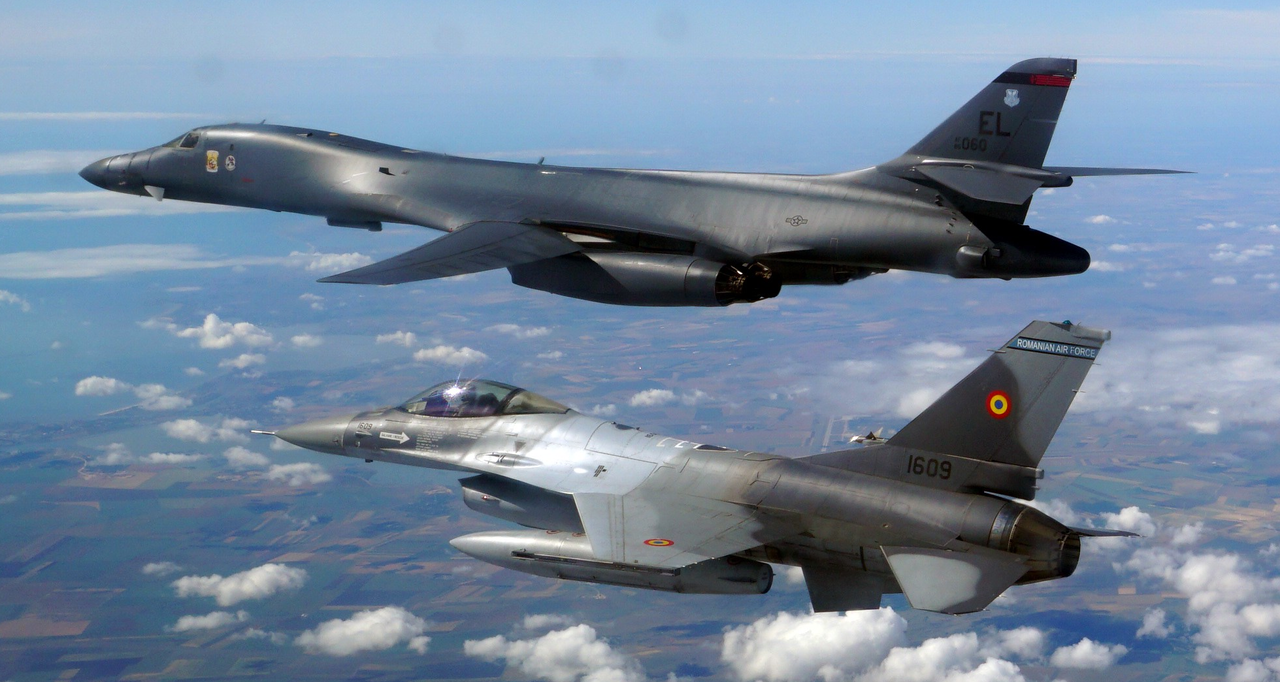
According to Tallinn, a Romanian F-16 in NATO’s Baltic air deployment fired on a threatening UAV.
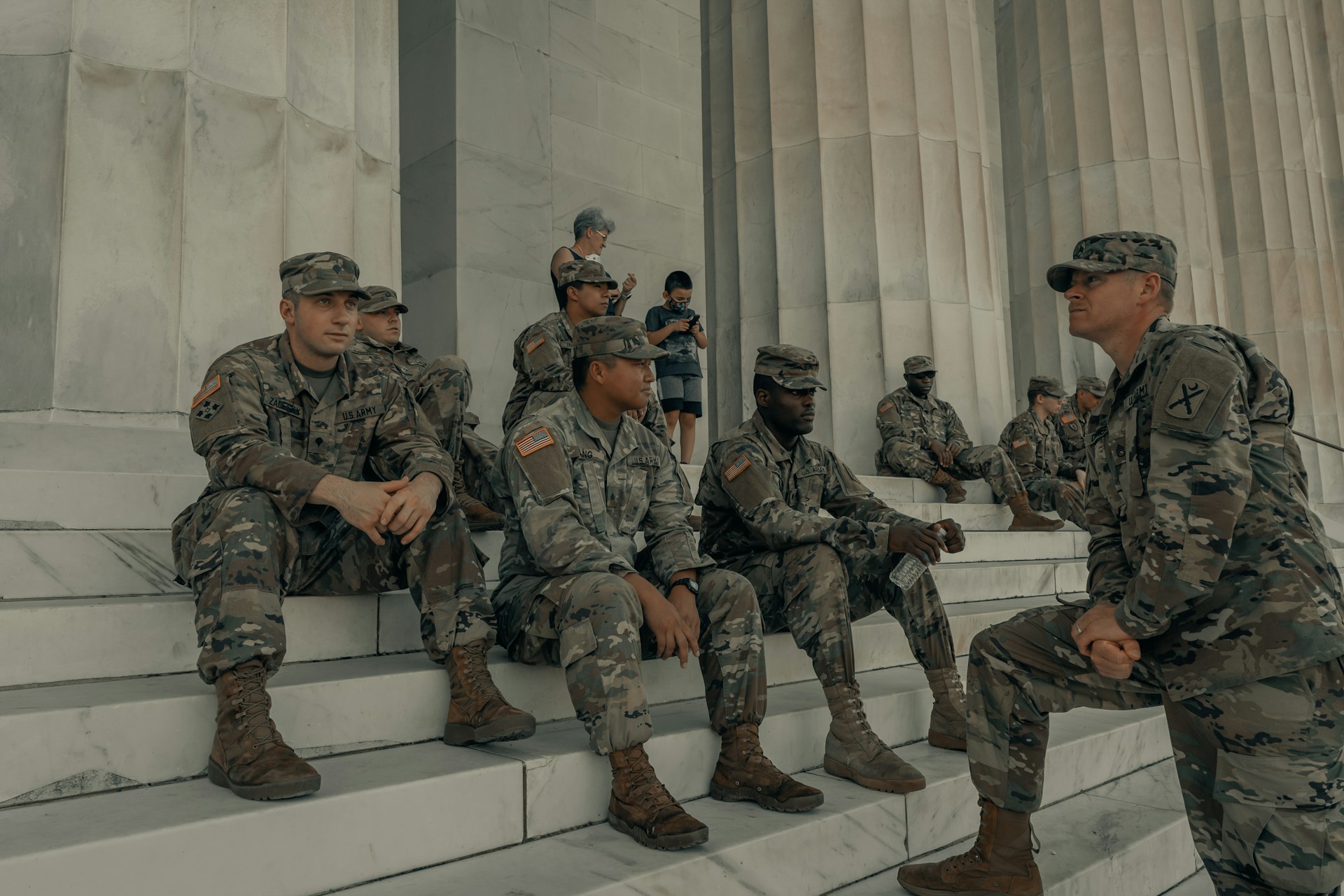
The White House claimed that while the final destination of 4,000 rotational soldiers remains undecided, the overarching U.S. policy will continue to demand a greater European military contribution.
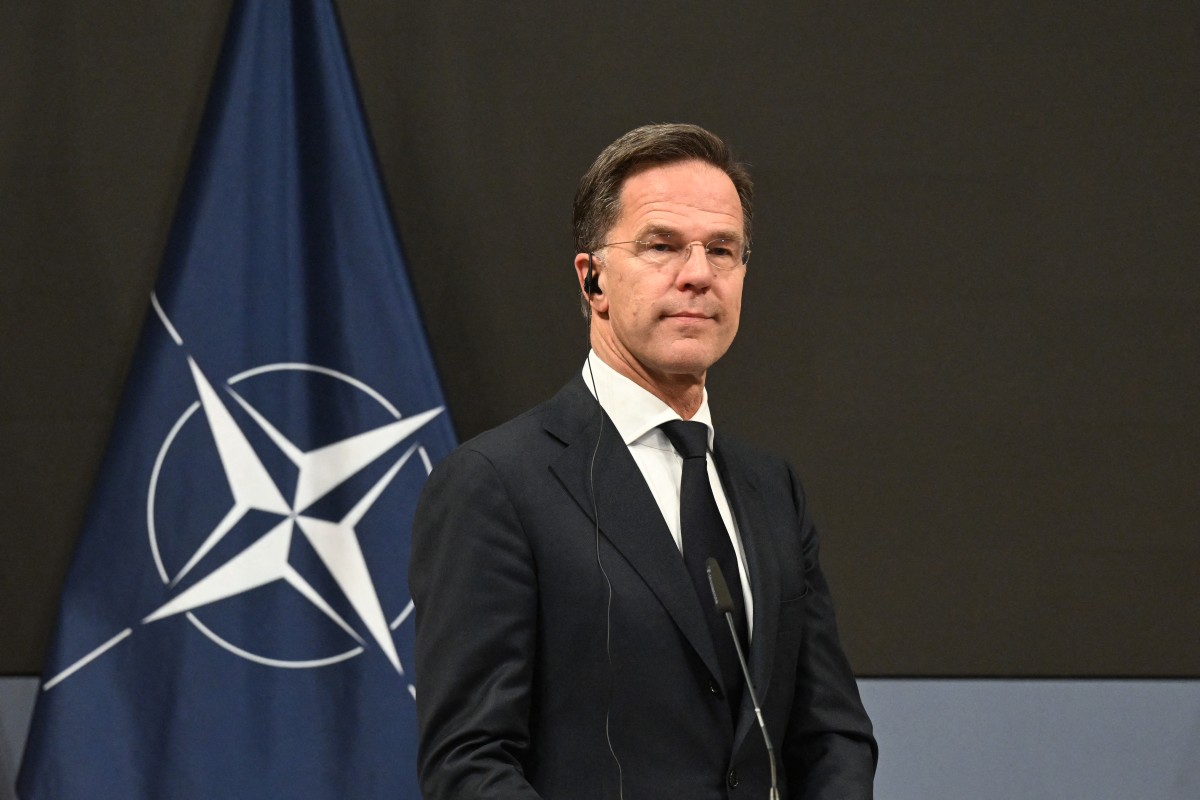
The cost of the Middle East conflict has alarmed NATO, whose leaders warn that the rapid consumption of high-end defence systems could jeopardise European security guarantees.
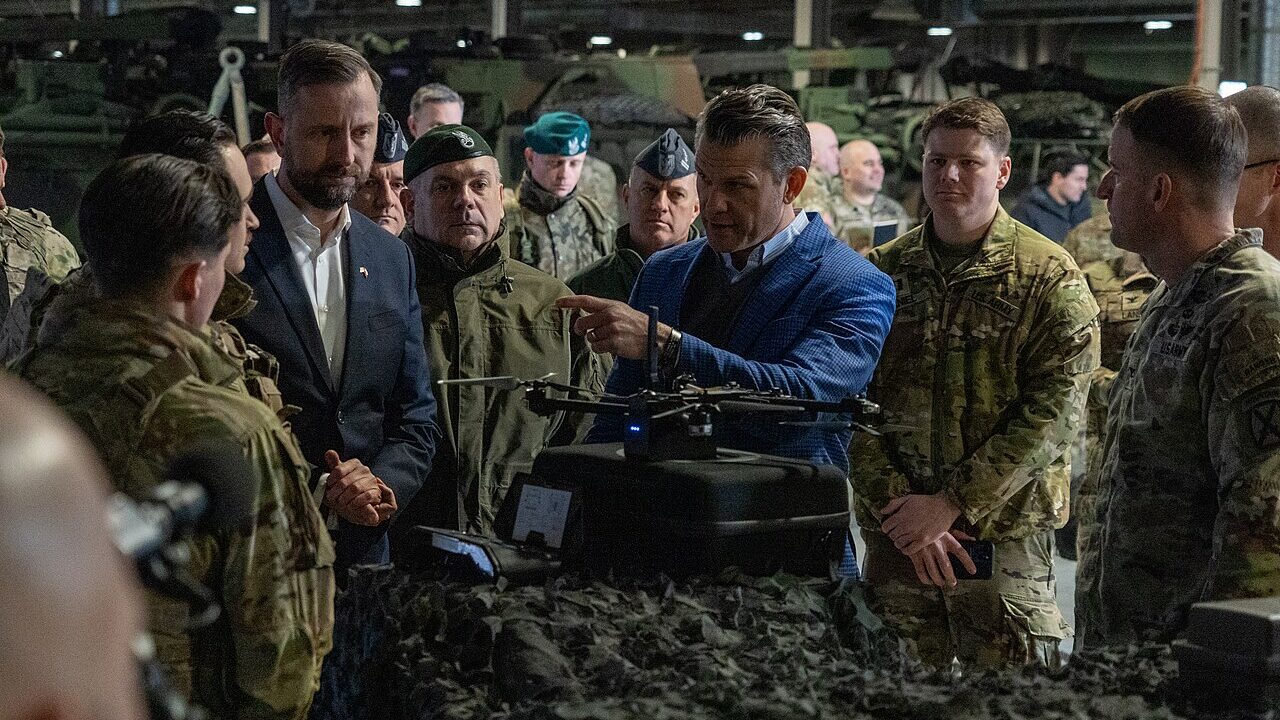
In a sudden reversal that has disappointed Warsaw, the Pentagon has canceled the deployment of 4,000 rotational troops to Poland amidst a broader withdrawal of U.S. forces from Europe.
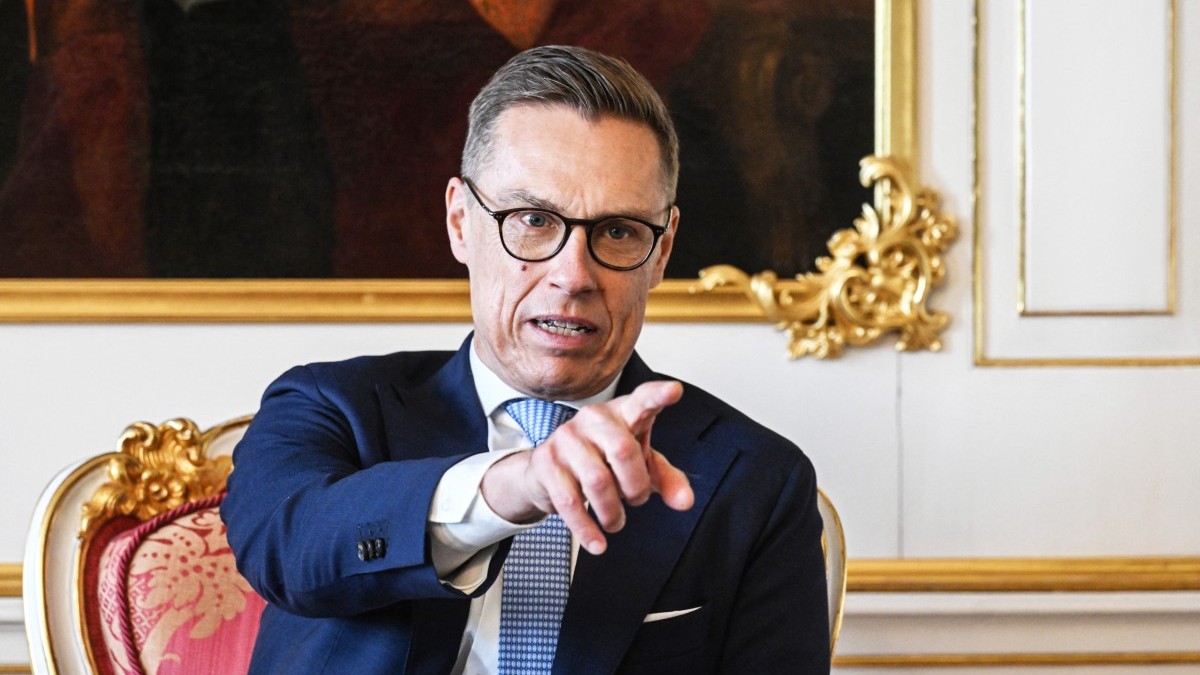
Alexander Stubb said it is unlikely Moscow would directly test NATO’s Article 5.
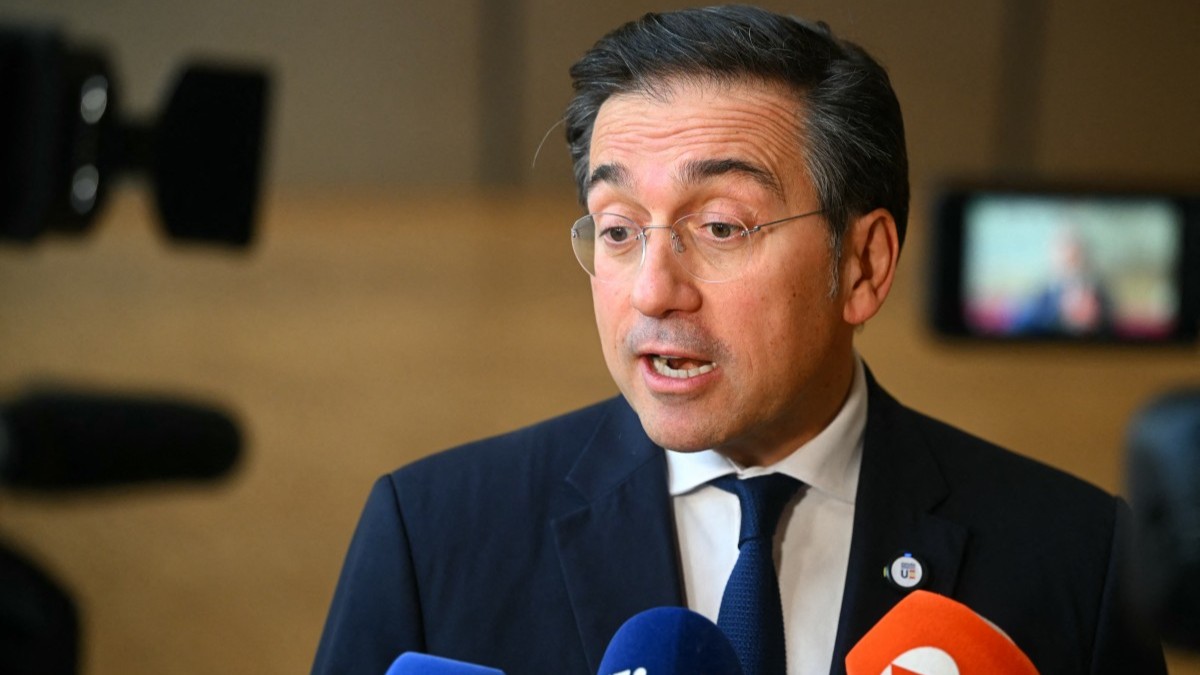
While calls for an EU military are growing louder, most European governments still favour strengthening defence through NATO.