

Swapping Dependencies: EU’s Crusade Against Russian Gas Defies Reality
Even the Commission knows the current energy model is failing, but while they stay silent, European families pay the price.

Even the Commission knows the current energy model is failing, but while they stay silent, European families pay the price.

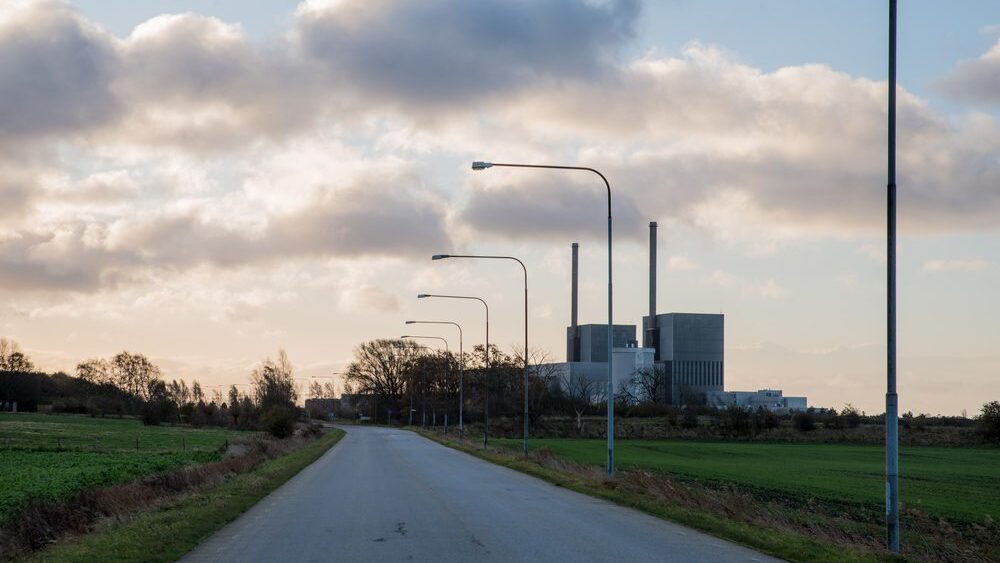
All three of Denmark’s governing parties have said they are open to relaxing atomic energy laws, in part to reduce dependence on Russia.
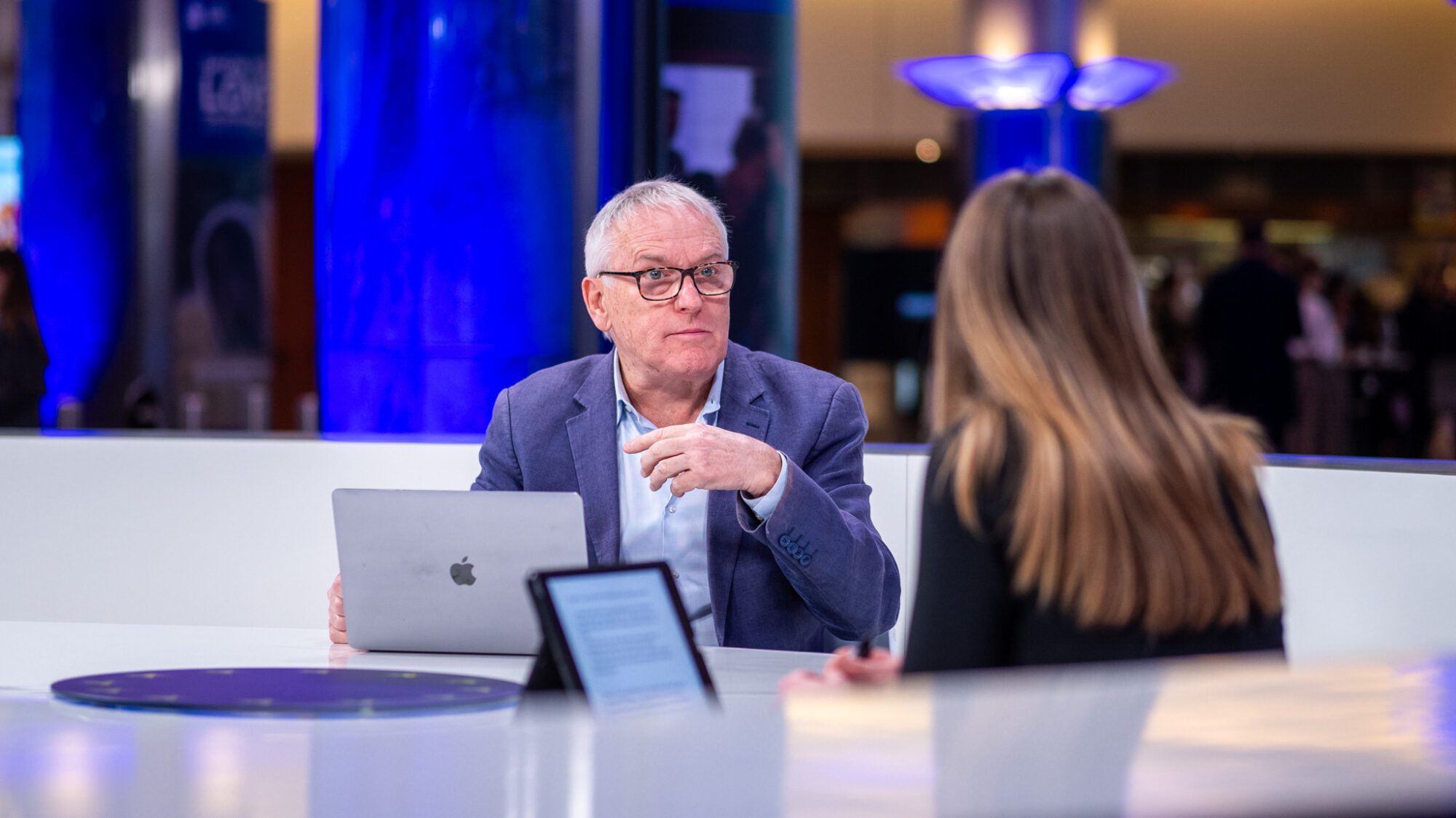
Nuclear is the ugly sister. It’s the Cinderella, I should say. It’s not cool to do research there, not regarded as a major source of energy, something to be celebrated.
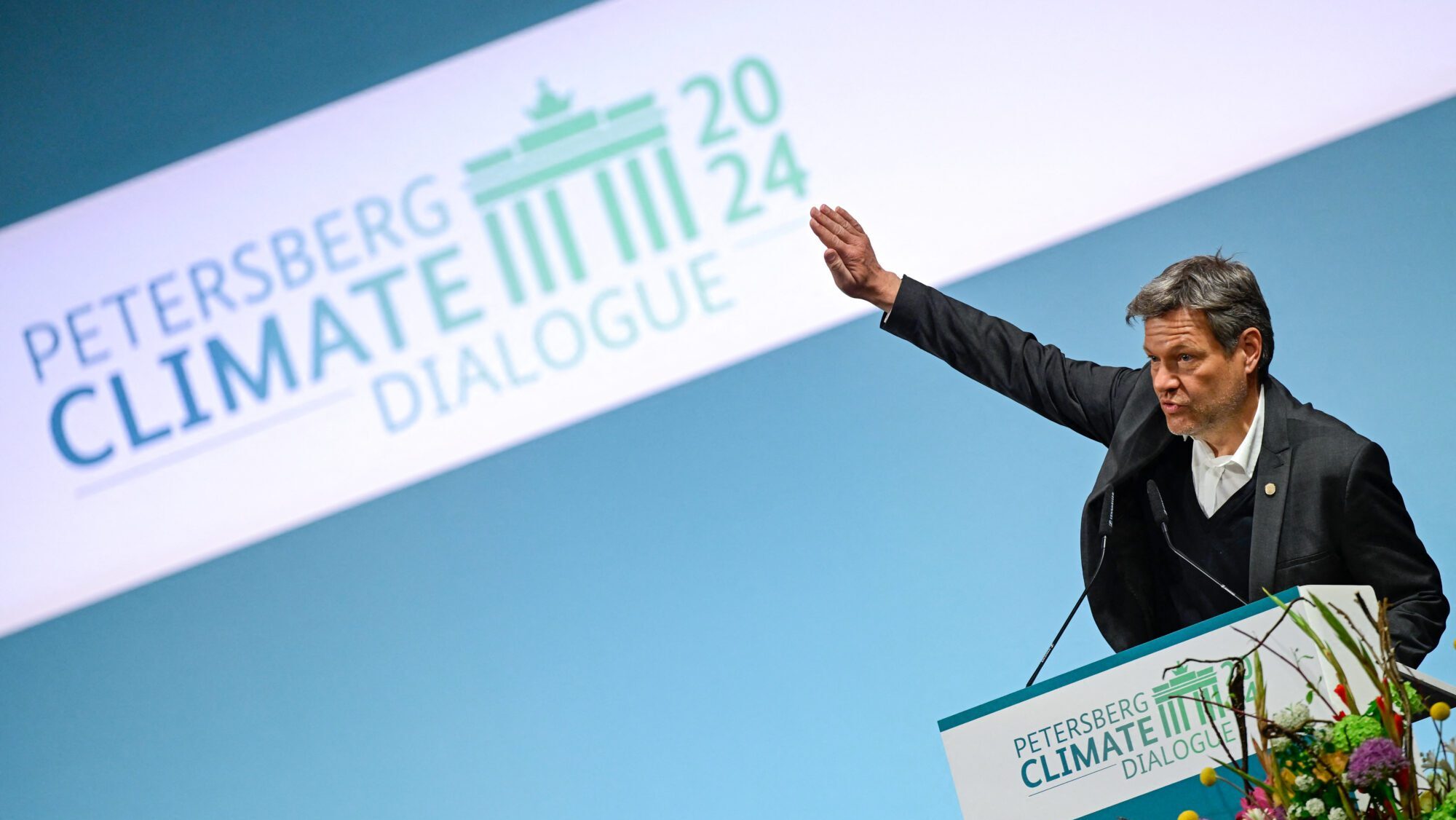
A shadowy network of backroom green ideologues helped to kill Berlin’s nuclear grid; tactics included hiding documents from key ministers.
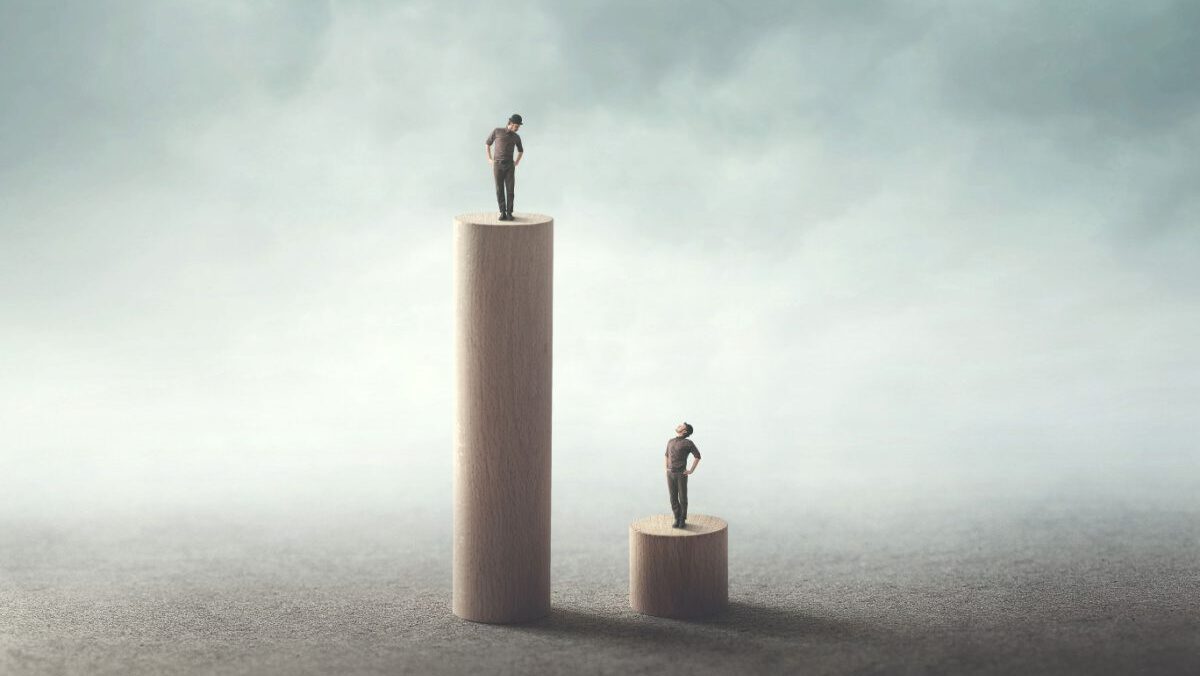
Oxfam complains about growing inequality. There is just one problem: the figures don’t add up.
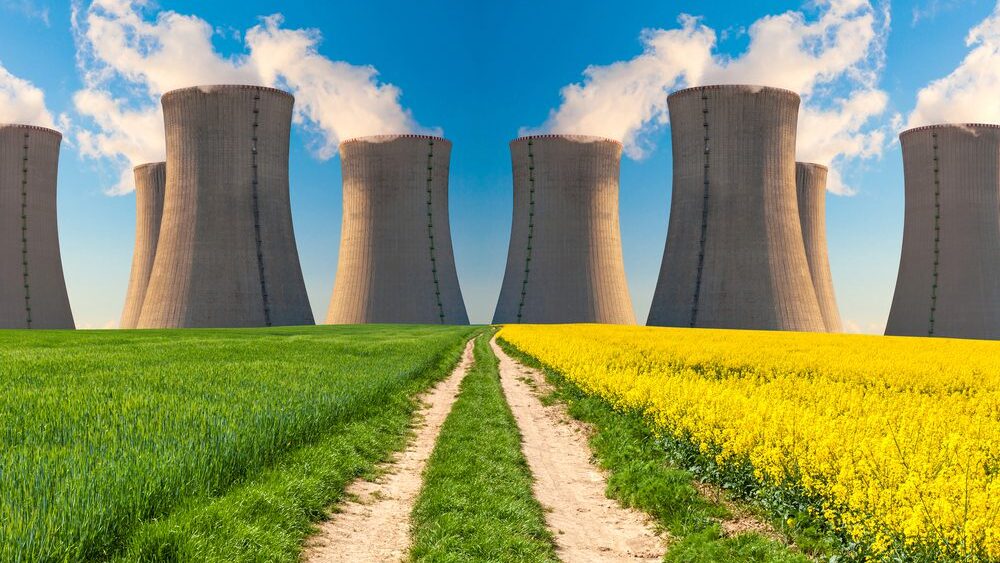
The EU now aims to deploy subsidized reactors by 2030—despite Commission president saying the opposite last year.
The agreement signals a broader renewal of the bilateral strategic partnership’s objectives: “support for Ukraine, the energy transition and competitiveness.”
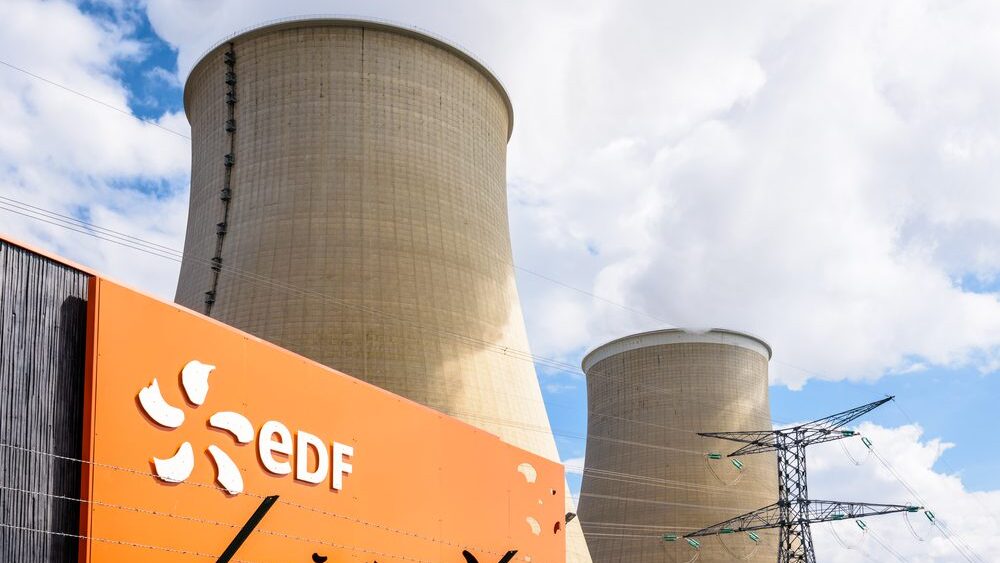
France already has the highest share of nuclear power in its energy mix among all EU countries.

A panel hosted by The European Conservative sees hope for nuclear energy despite challenges.
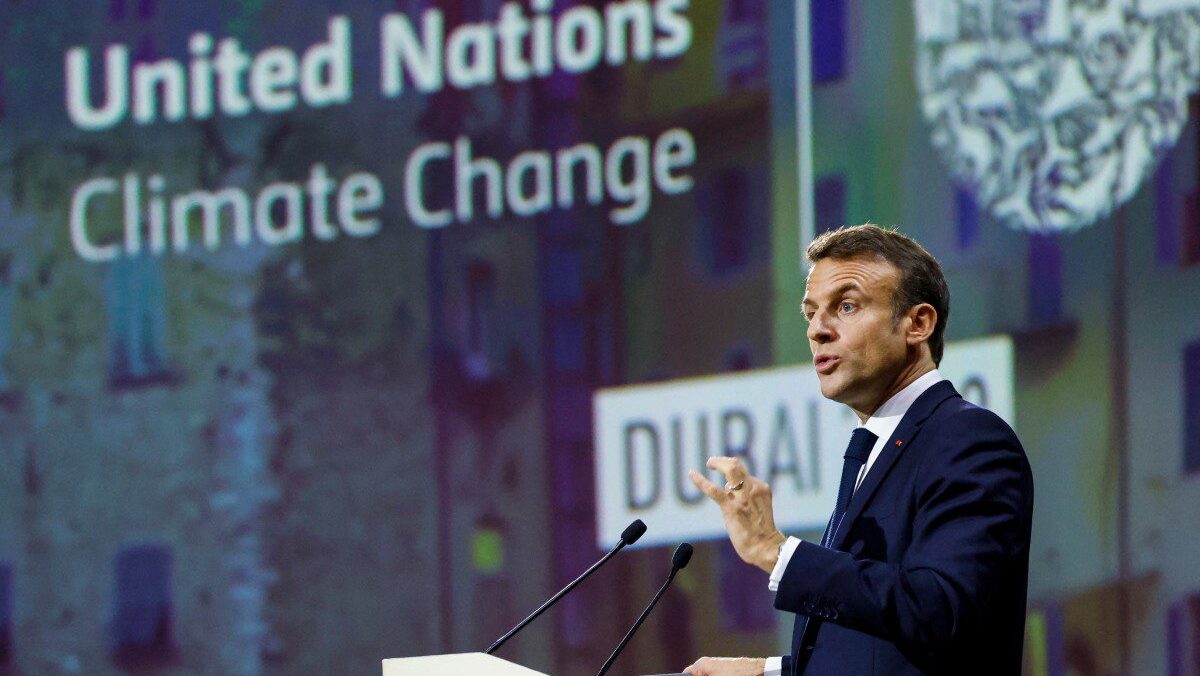
“Nuclear energy is back,” Emmanuel Macron declared.