
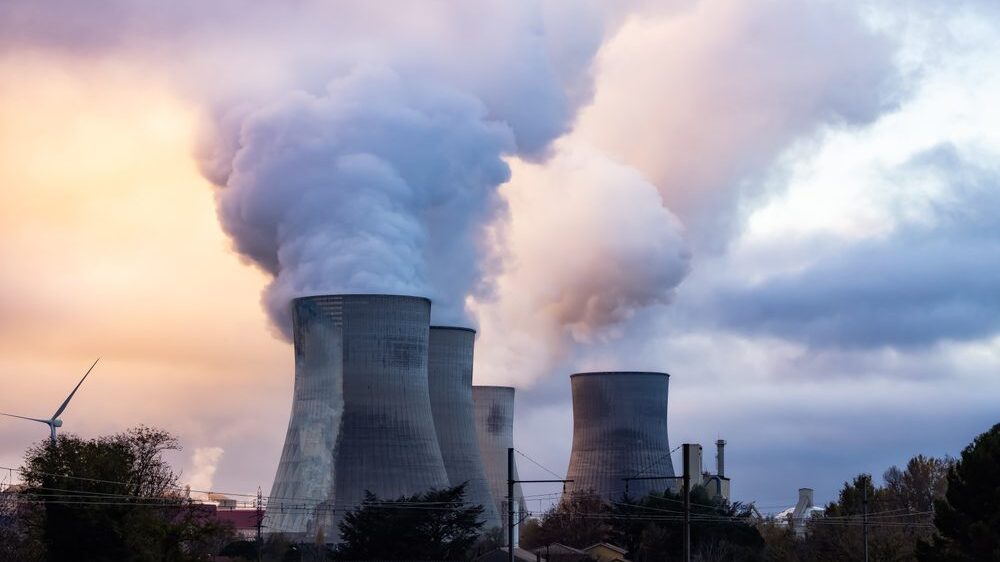
Germany: We Need Nuclear Power From France
The last three remaining German nuclear plants shut down in April could have provided 25% of the country’s needed household energy.

The last three remaining German nuclear plants shut down in April could have provided 25% of the country’s needed household energy.
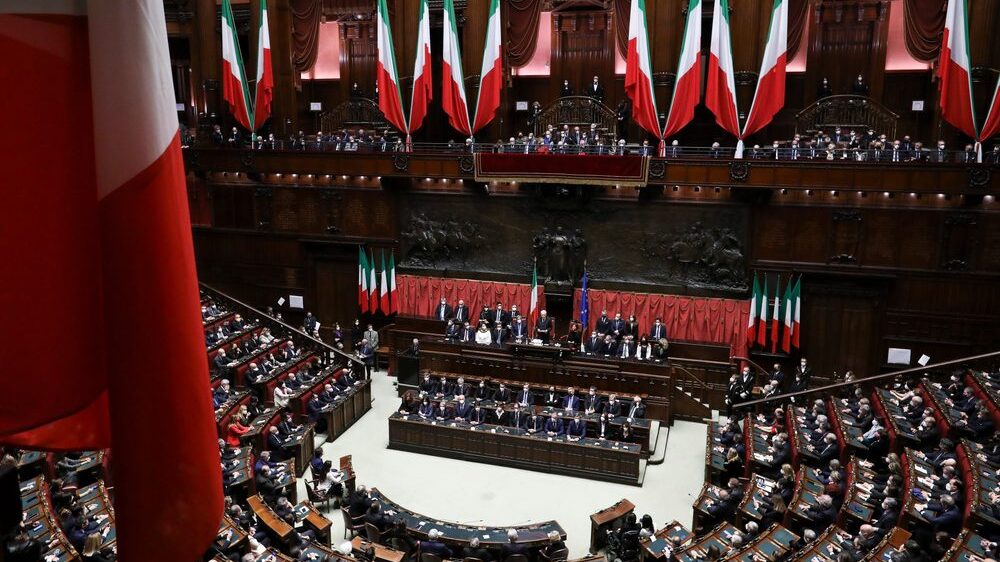
MP Alessandro Cattaneo (FI), the first signatory, said: “The green light from the Chamber to the motion on nuclear power, as an alternative and clean source for the production of energy, is the clearest response to the demagoguery of the left.”
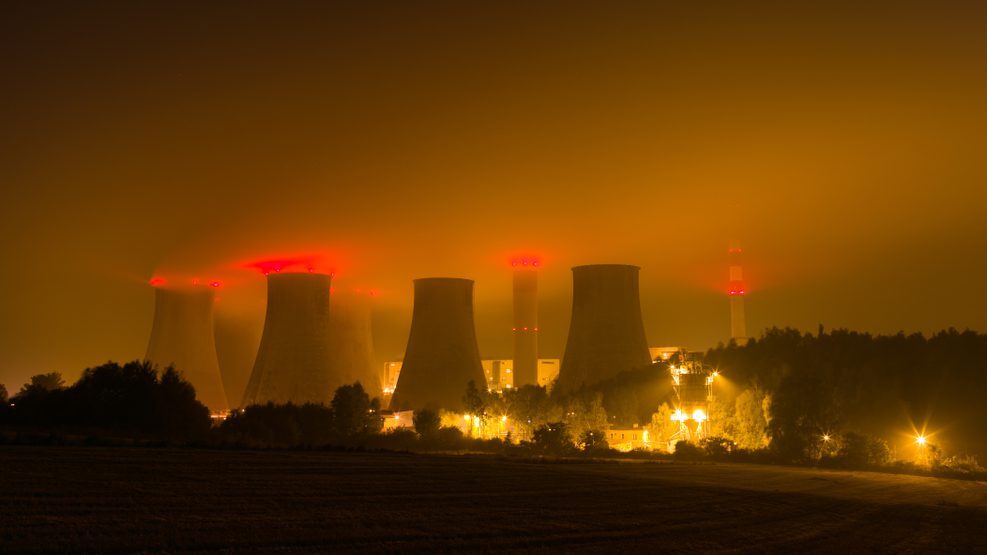
Poland’s assertive move toward nuclear energy comes as its neighbor Germany announced last week that its last three remaining nuclear power plants would be shut down on April 15th.
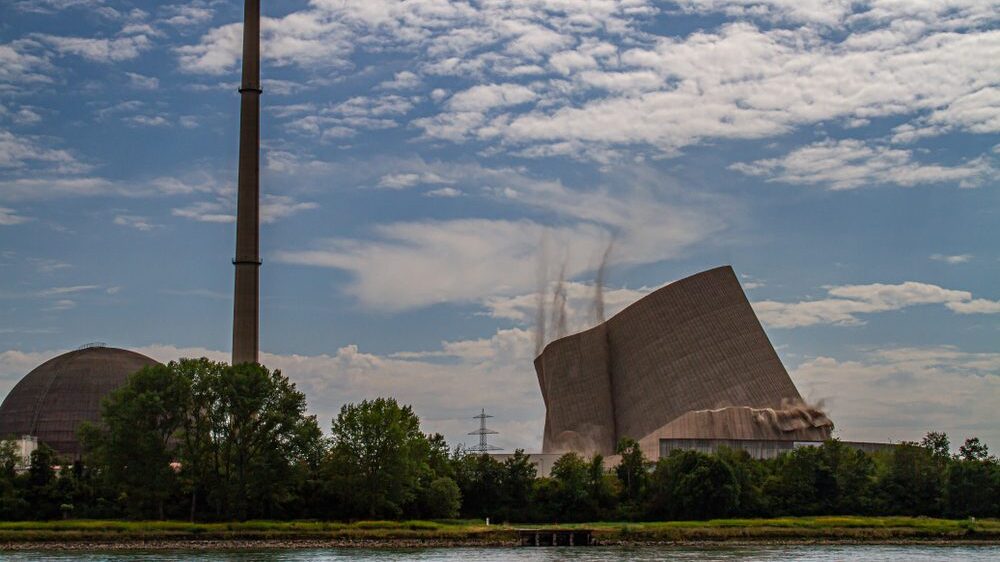
Nuclear advocates have condemned the shutdown as counterproductive and is the latest in a self-destructive trend when it comes to German energy policy.
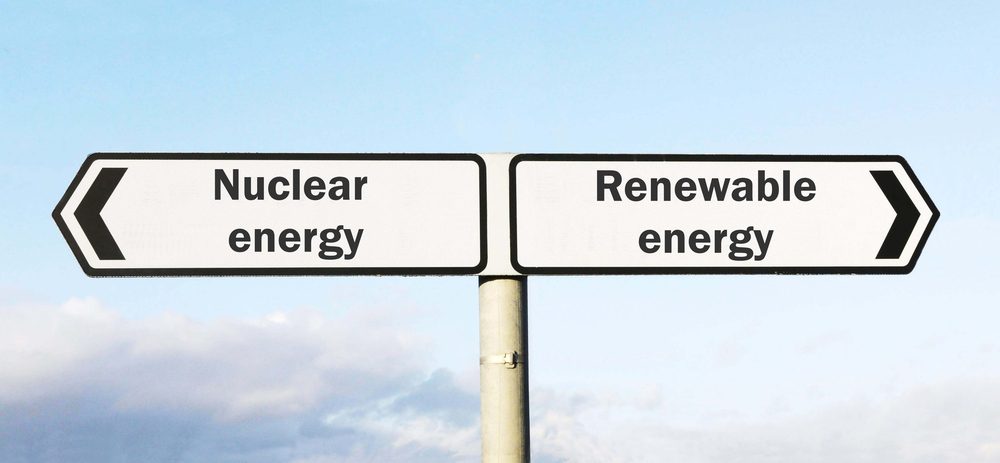
With money and regulations on the table for renewable energy, the EU has become entrenched into two solid blocs with different stances on nuclear power.
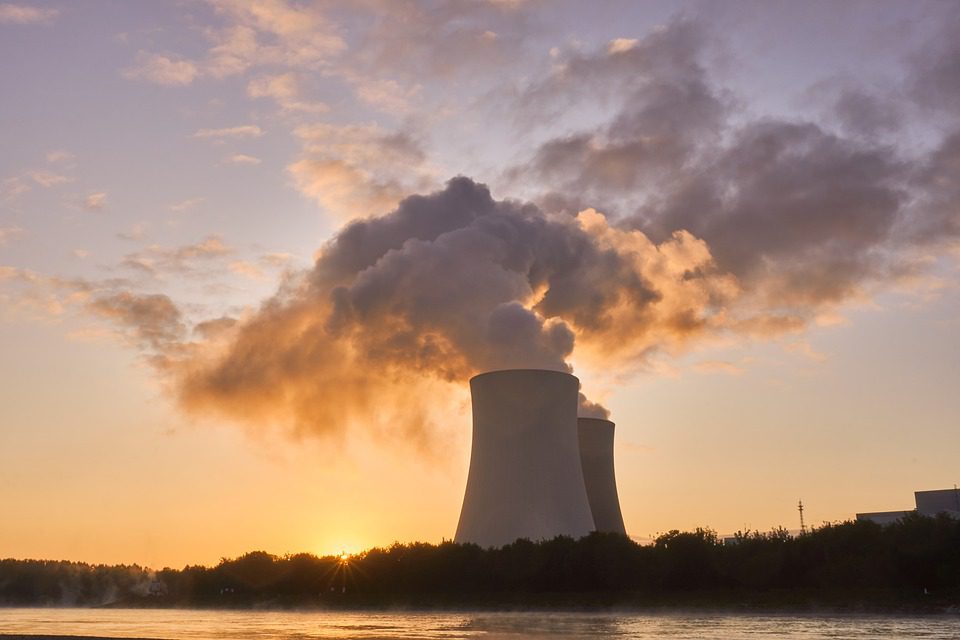
Despite unanimity on the need for the project, the debates are stormy. The opposition will not fail to seize the opportunity to denounce the inconsistencies of President Emmanuel Macron, his about-face on this eminently strategic issue.
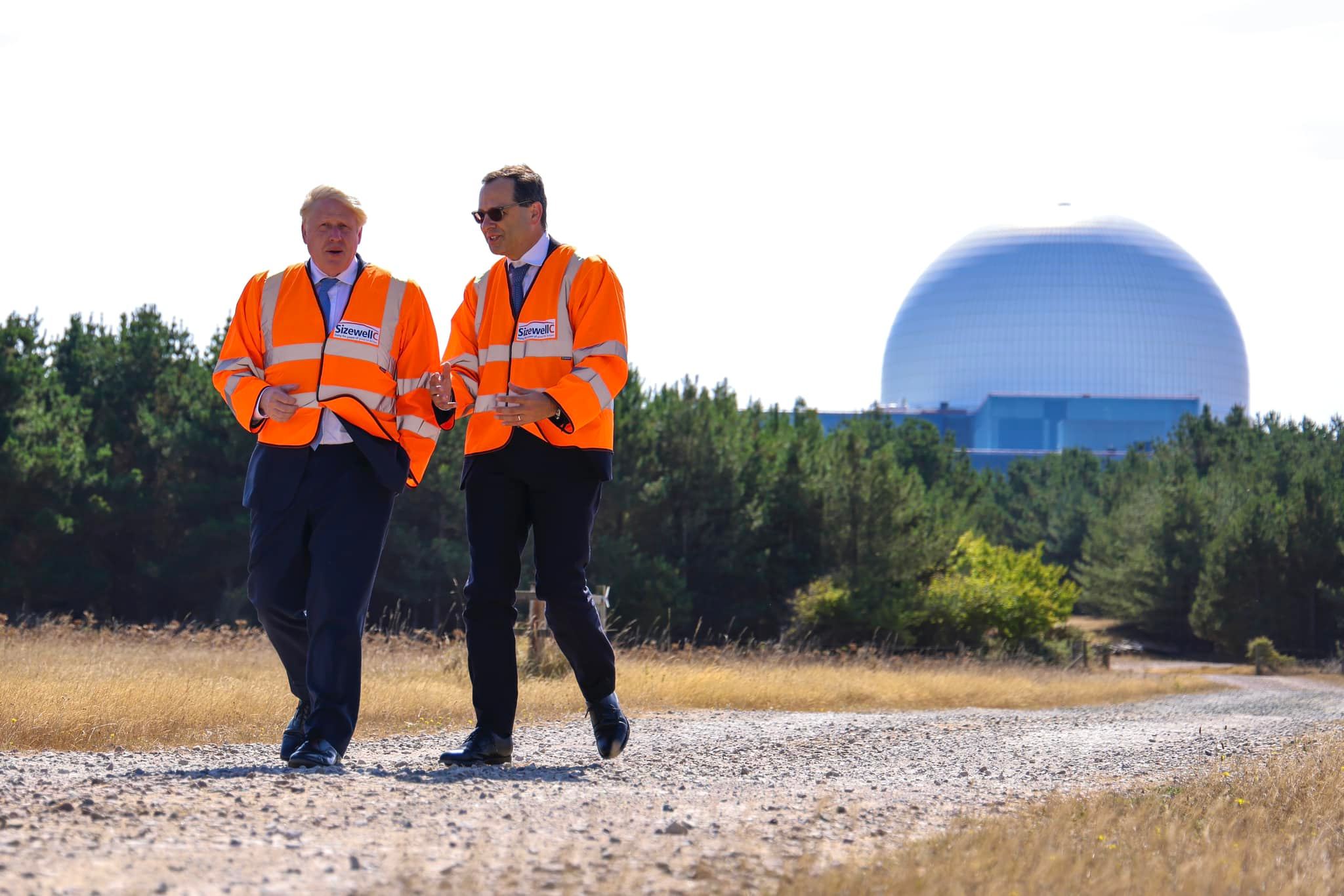
In his typical sloganeering fashion, Johnson called on the nation to “go nuclear and go large, go with Sizewell C.” He appeared confident that the deal will get “over the line” in the coming weeks, saying it would “be absolute madness not to.”
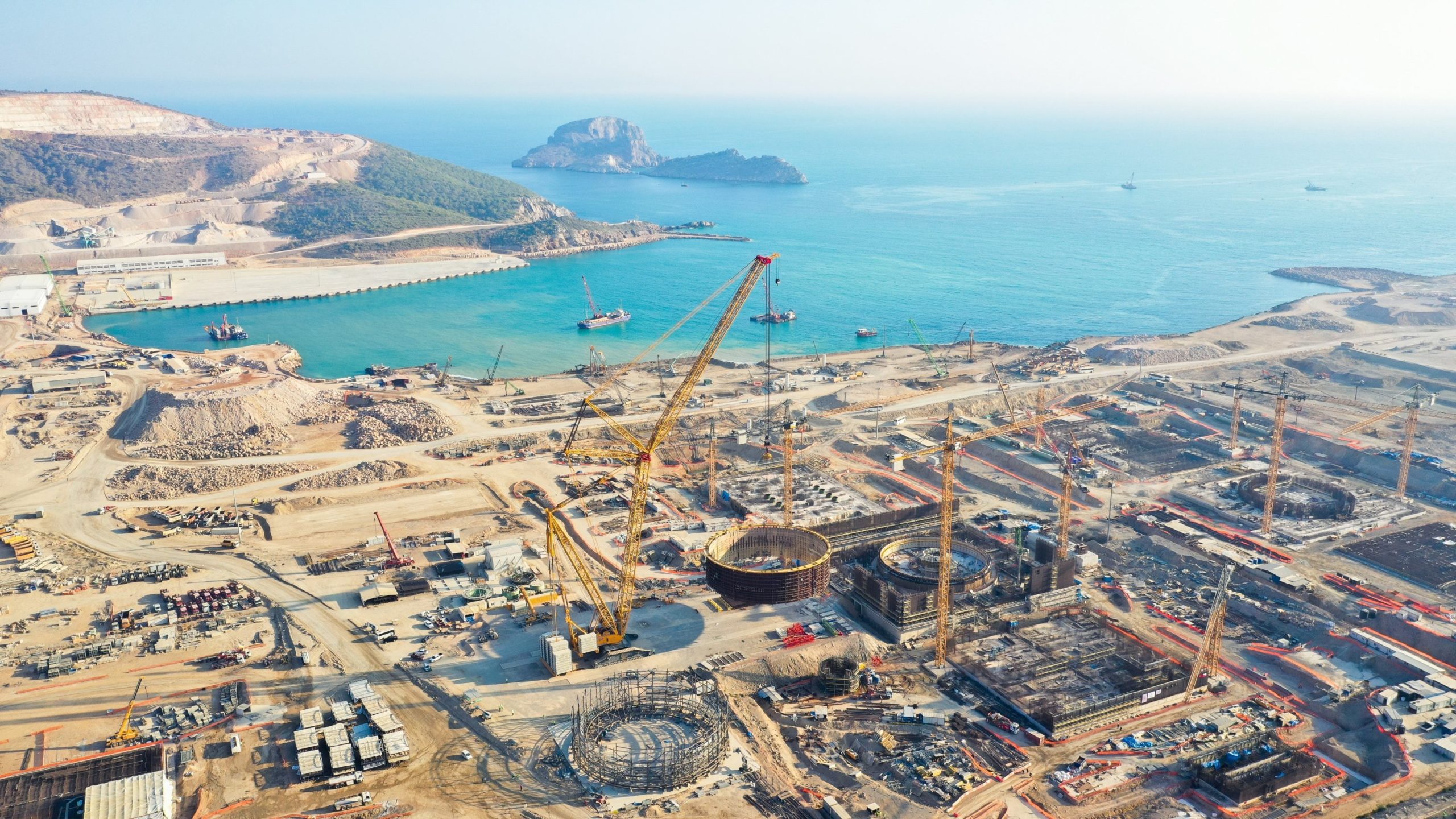
Once fully operational, the plant is expected to deliver 10% of Turkey’s domestic electric needs.
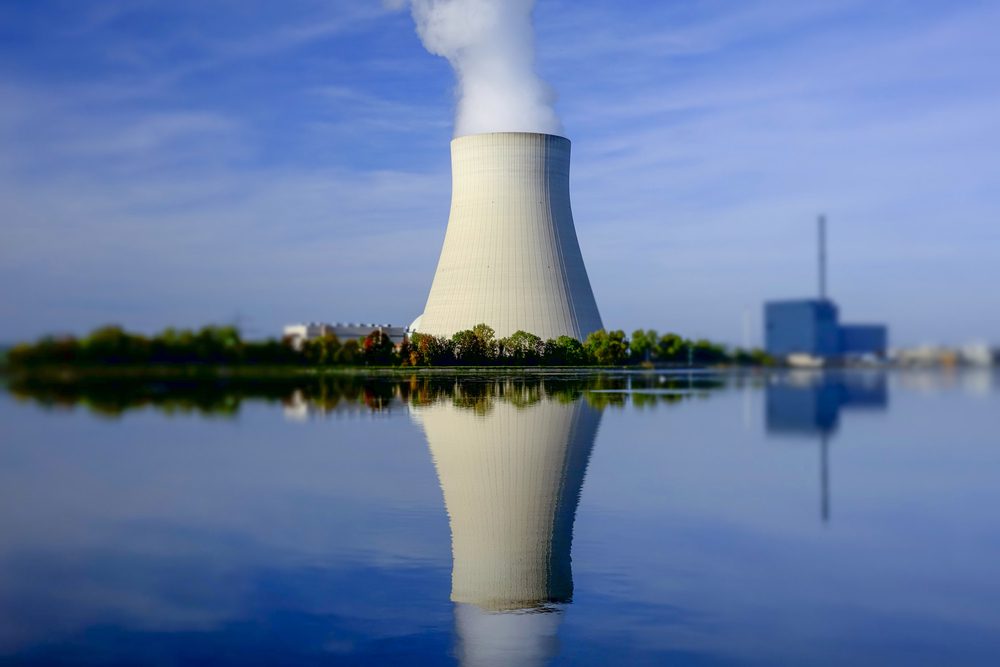
With Russia’s invasion of Ukraine putting the security of gas supplies at risk, the situation has changed. Calls are now being made for the country’s three largest power stations, including the one in Bavaria, to remain open.

Sometimes climate-focused policies do not meet with overwhelming approval in EU parliament, and their adoption can be hit or miss.