
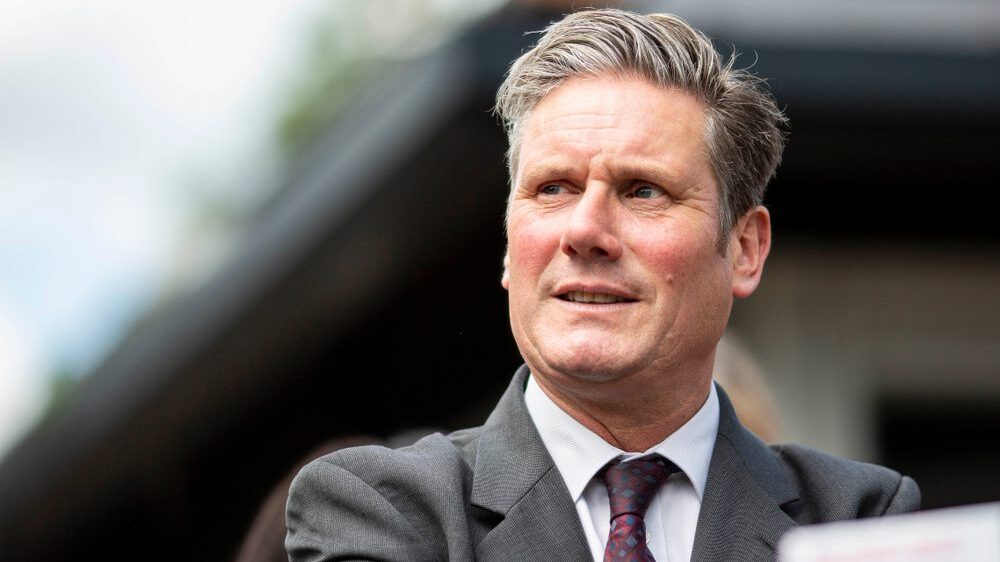
Labour Snatches Green Victory Out of Tories’ Hands
The opposition’s comments are likely to have received a nod of approval from those more sceptical of the ‘net zero’ agenda.

The opposition’s comments are likely to have received a nod of approval from those more sceptical of the ‘net zero’ agenda.
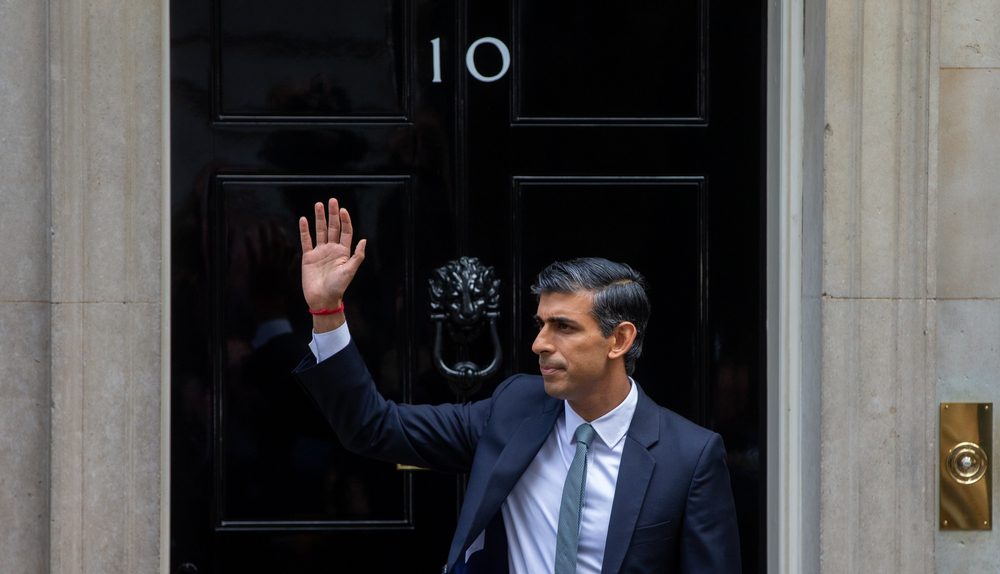
The prime minister made it clear these licences are not intended to disrupt his drive towards carbon ‘net zero.’

There are those who want to force humanity into ‘degrowth.’ That is a dangerous path to go down, and it is unnecessary. Our capitalist economy is becoming more and more efficient over time. In short, it is doing more with less.
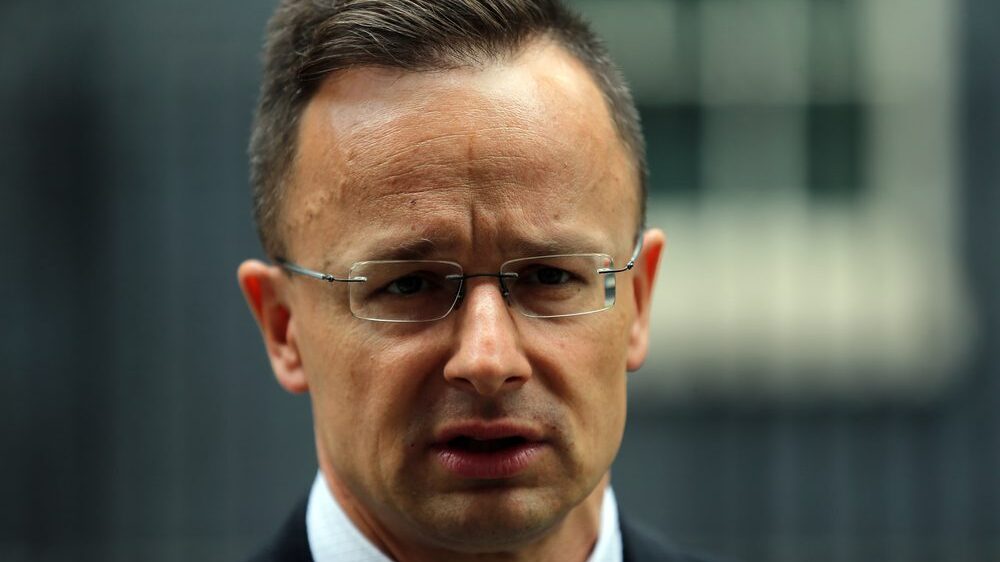
National sovereignty is complicated in a globalised world—even for Hungary.
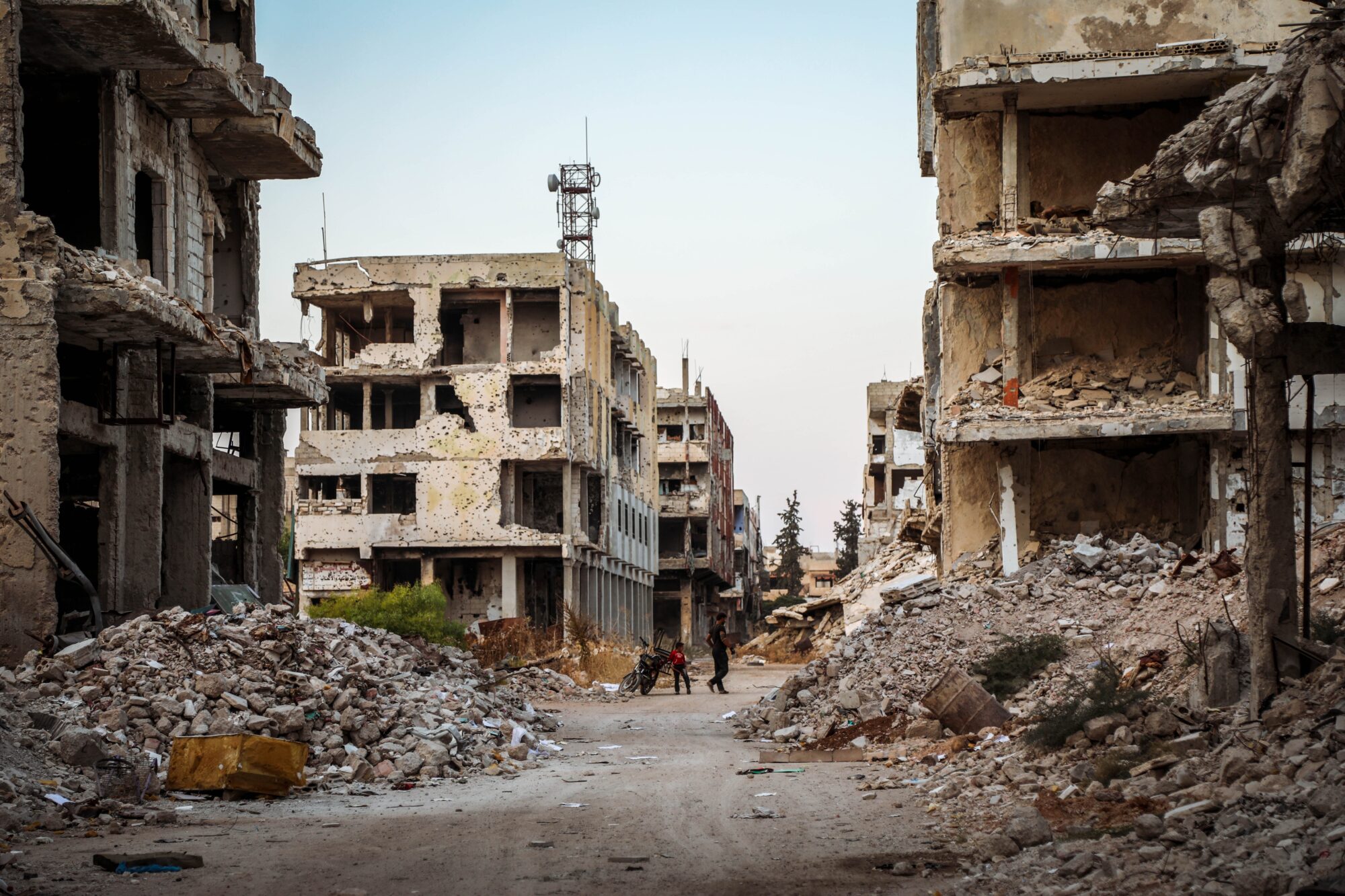
A bomb of poverty has been hurled at the country by economic sanctions imposed by the West, Kiely says.
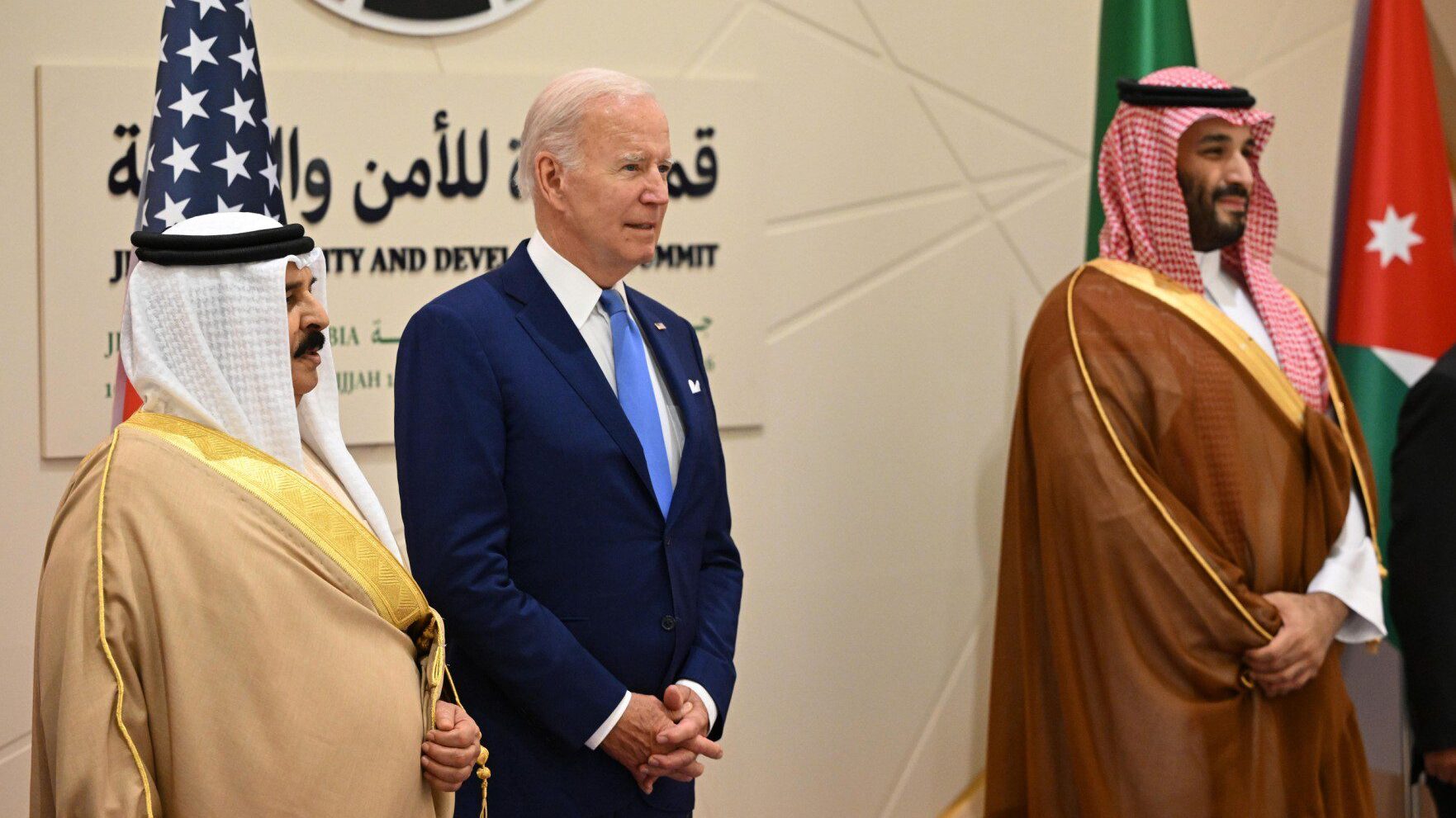
The apparent deterioration in US-Saudi relations comes amid a recent worldwide trend toward de-dollarization with key, ascendent geopolitical actors, including but not limited to China, Russia, India, and Brazil all taking steps to reduce their use of the U.S. dollar.

According to Reuters, the total of recent cuts by the OPEC+ group, which includes Russia, has increased to 3.66 million bpd and accounts for 3.7% of global demand.
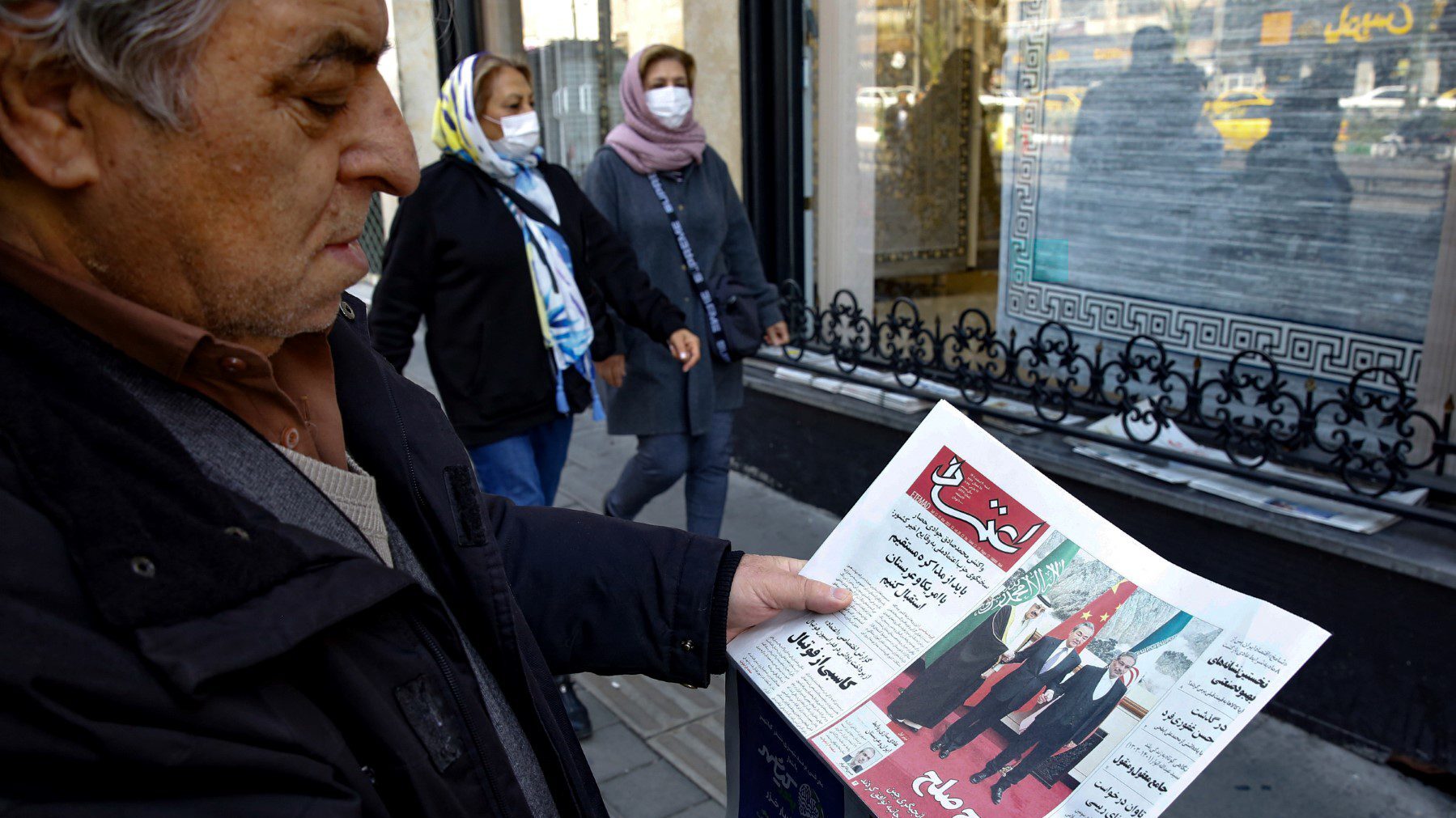
China has rearranged the power balance in the Middle East, leaving the U.S. and its main regional ally, Israel, isolated.

According to the company, the tax on ‘excess profits,’ whatever boon it might be for the EU’s coffers in the short term, is ultimately “counterproductive,” since it would scare off prospective investors.

The White House has warned that China’s attempts to exert its influence worldwide, as it has just done with what was traditionally a U.S. regional ally, were “not conducive” to the international order.