
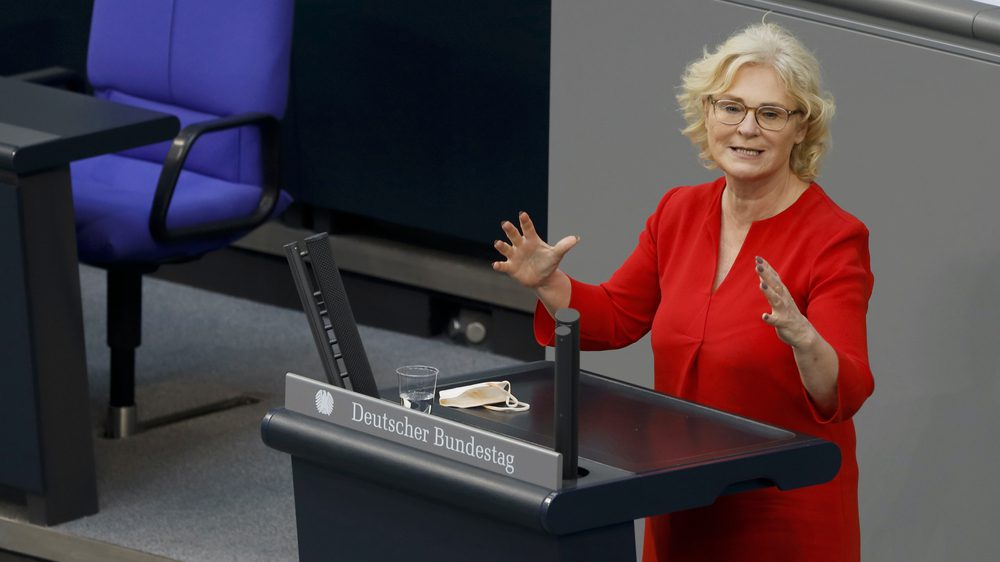
Confidence in German Defense Minister Wanes at Critical Juncture
A succession of scandals has plagued Lambrecht ever since her appointment by Chancellor Olaf Scholz in December 2021.

A succession of scandals has plagued Lambrecht ever since her appointment by Chancellor Olaf Scholz in December 2021.
For the first time in many decades, German politicians must learn to think, rather than feel— and to assert Germany’s vital national interests.

After evading numerous requests by Ukraine for heavy weapons, the German governing parties have now acquiesced and voted for a parliamentary proposal for such a delivery, alongside training offers for Ukrainian soldiers on German soil.
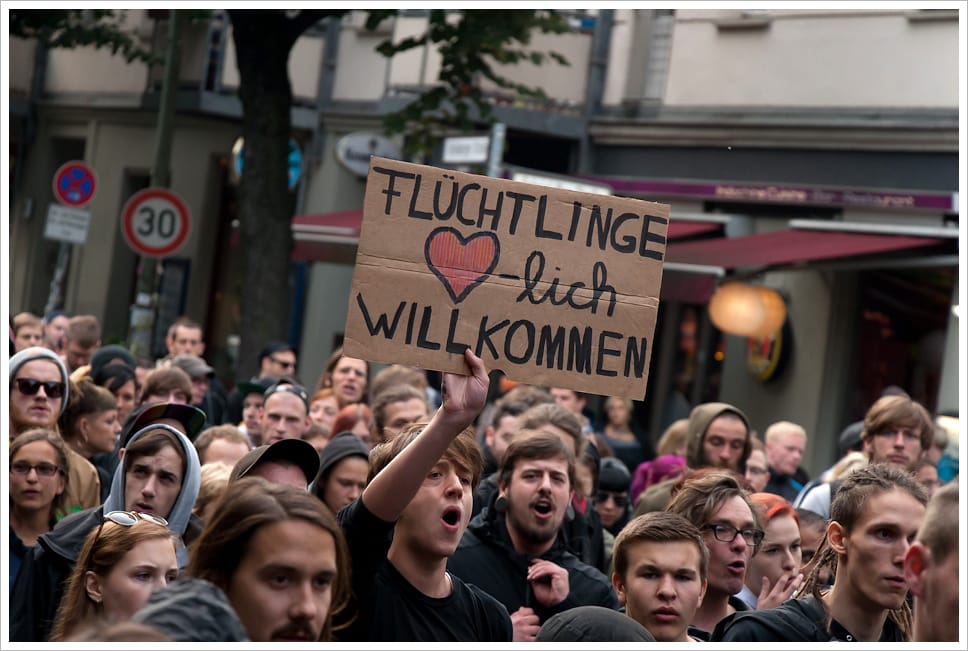
Following a decision by the German Conference of Minister-Presidents, Ukrainian refugees are now being treated as recognized refugees, giving them access to better healthcare, basic benefits, and the workforce. Critics fear this might create a new pull-factor within the EU.
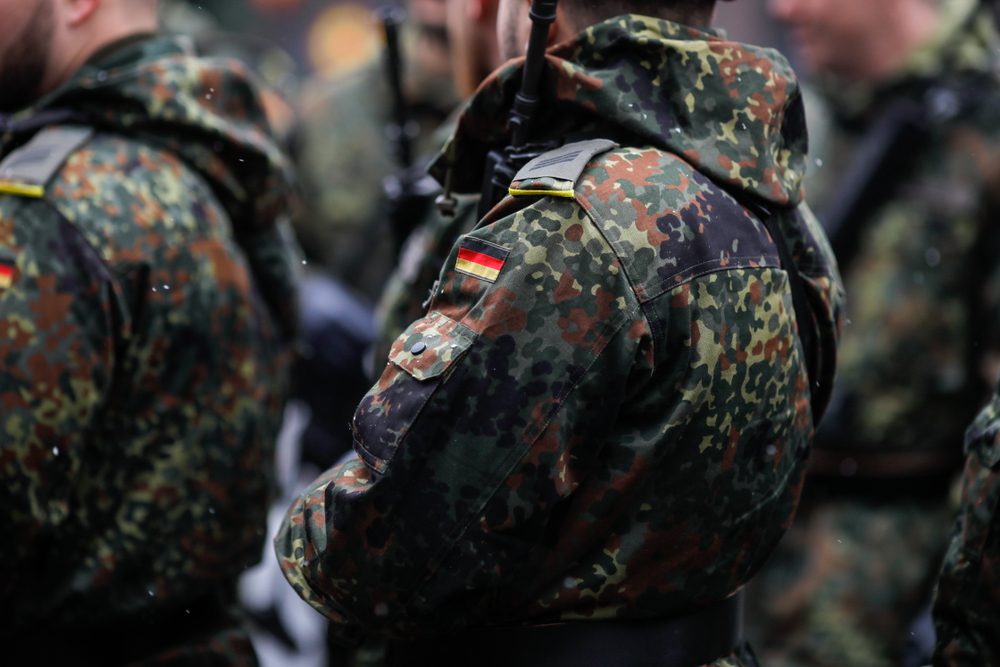
Currently, Germany annually spends upwards of €45 billion, or around 1.5% of its GDP–well below the 2% required by NATO.
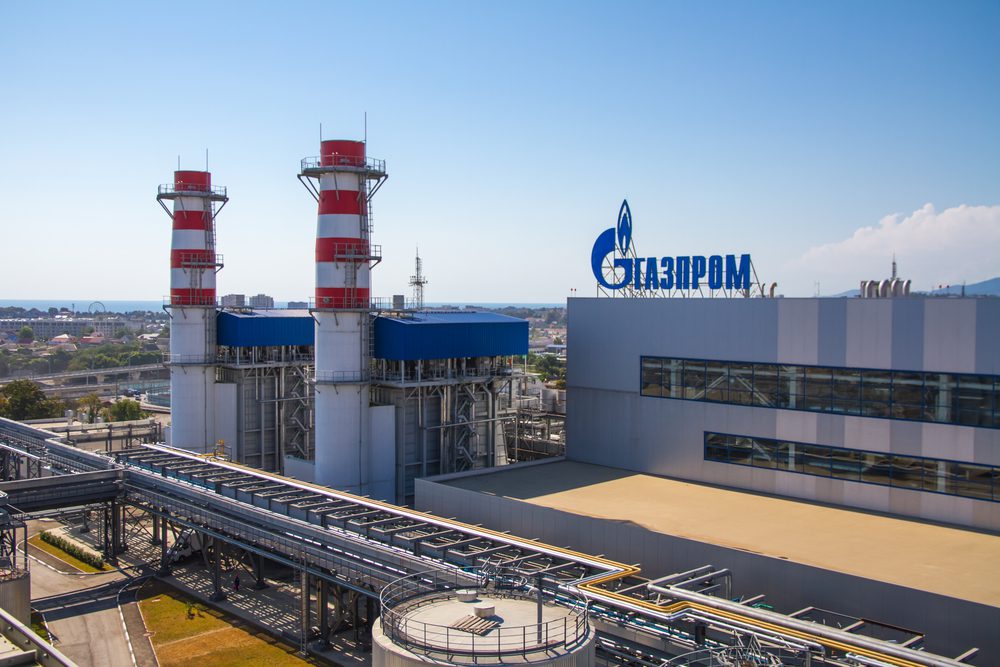
Given the strategic dimension of the companies concerned, some former European leaders believe that remaining on their governing bodies indirectly supports Putin’s policies. Others are still working for Russian firms.
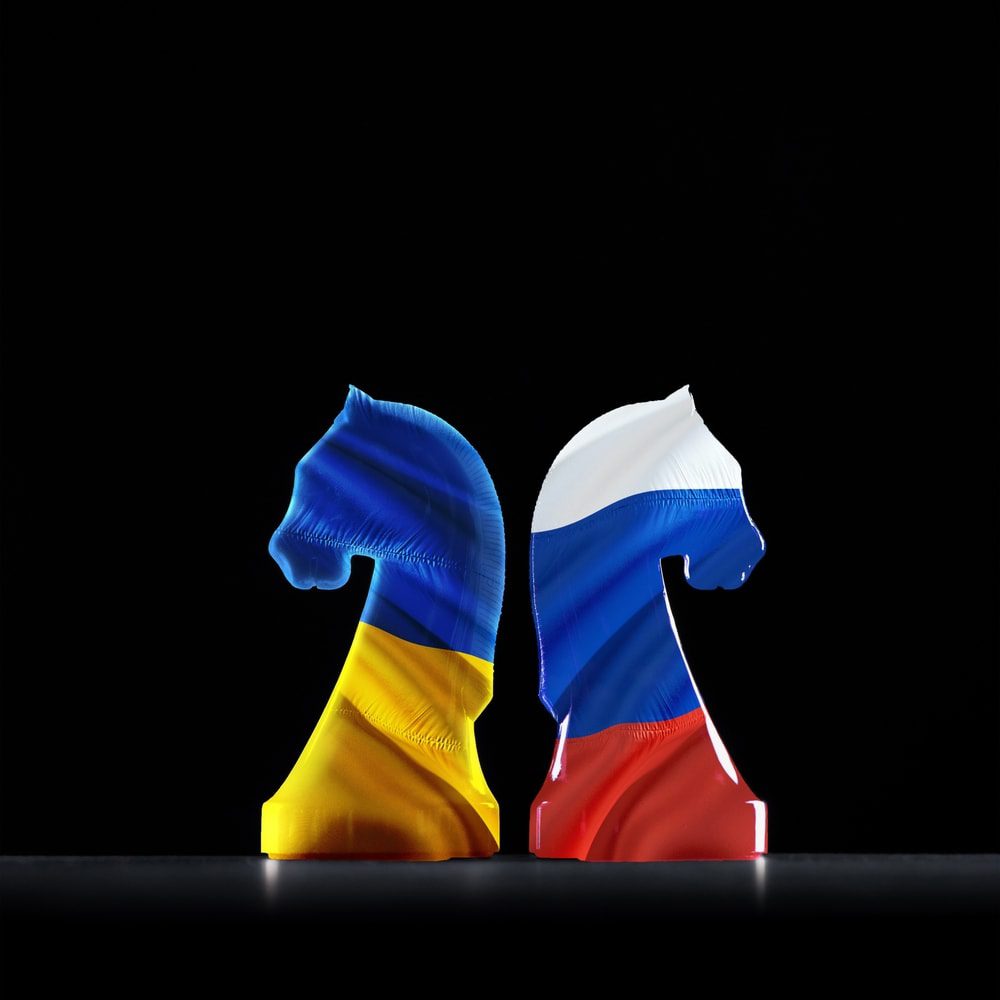
The meeting between Olaf Scholz and Vladimir Putin made it clear that the West is no longer in the position to make demands to other world powers. The time has come to look inwards and protect our own values, rather than try to export them.
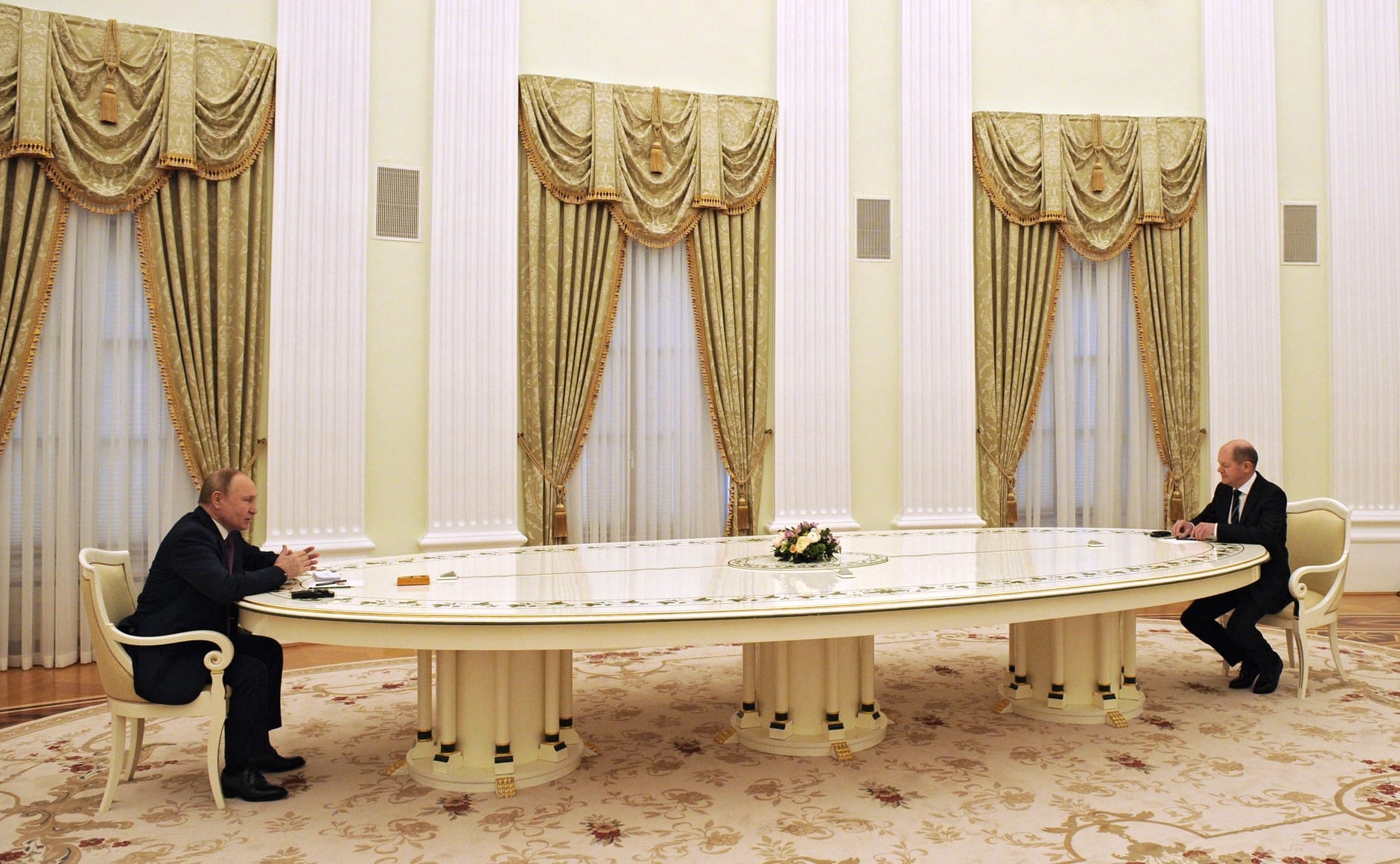
In a meeting between Chancellor Scholz and President Putin, both sides affirmed their willingness to find diplomatic solutions for the Ukraine conflict. While Scholz raised concerns over civil liberties in Russia, Putin emphasized the attractiveness of Russian gas for Germany.
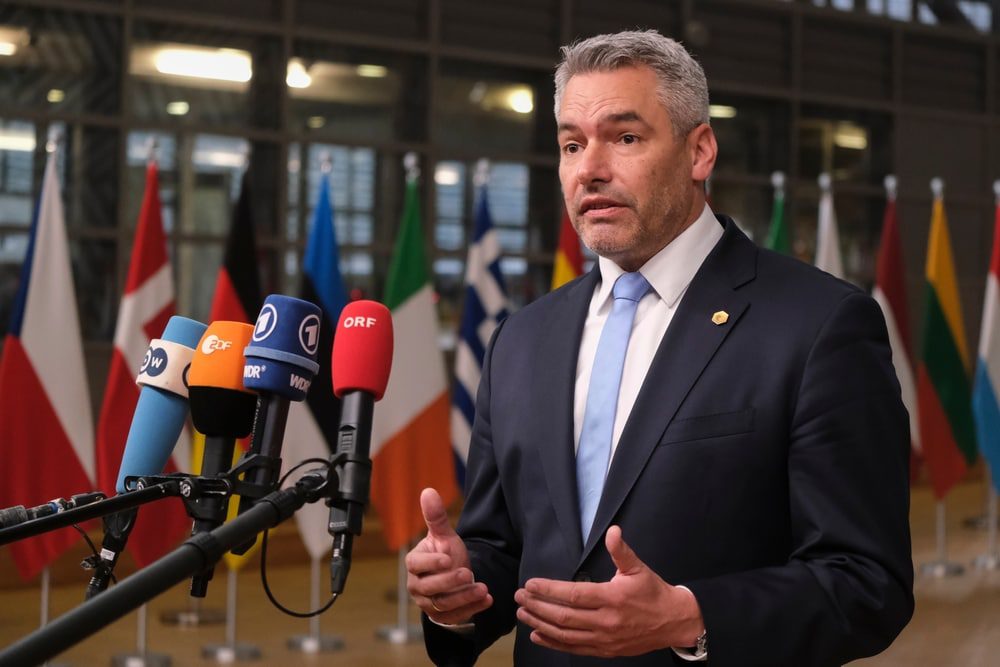
While many European nations are loosening their COVID-restrictions, Germany and Austria have been holding on to their mandates. But calls for loosening the grip on freedom might finally be heard.
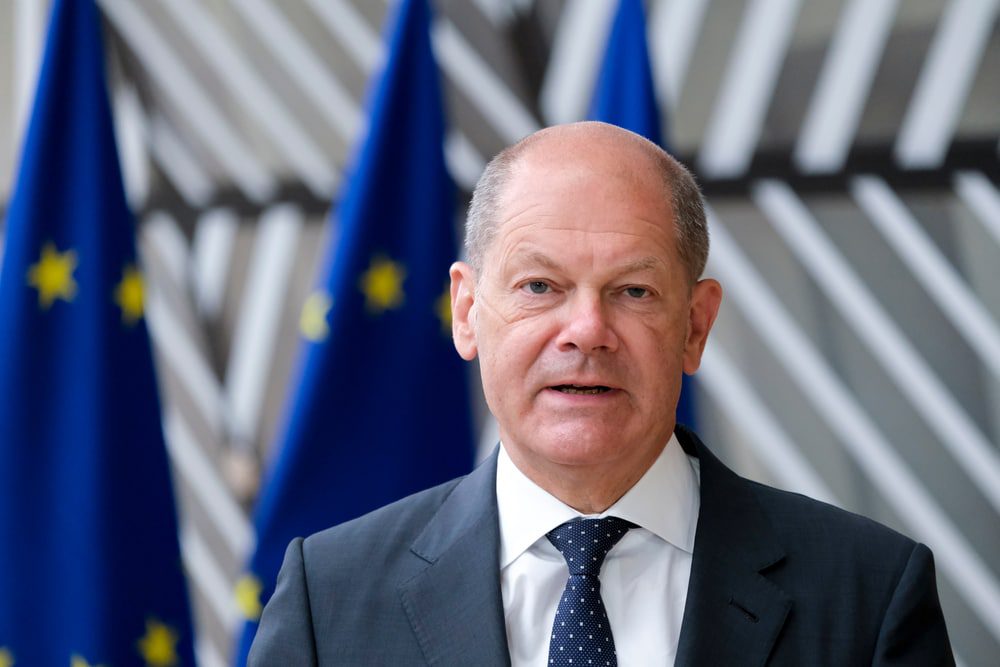
When pressed by reporters, Scholz avoided making a clear pronouncement on the future of the Nord Stream 2 gas pipeline through which Russia would export its gas to Germany.