
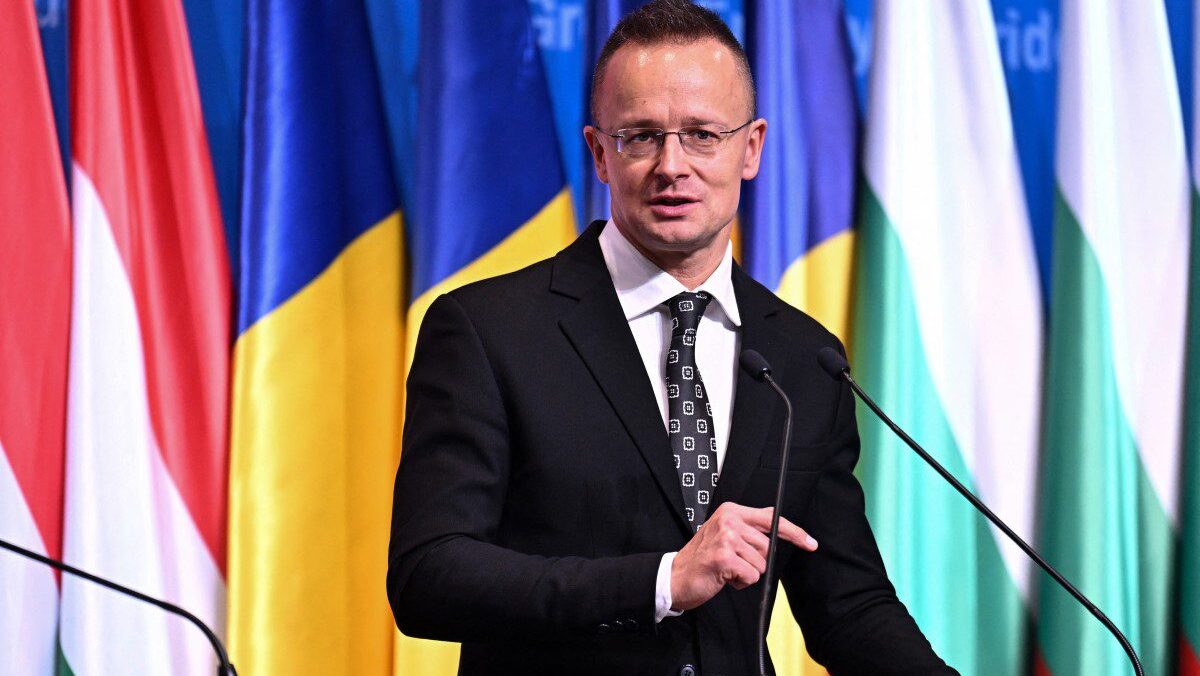
FM Szijjártó: NATO’s Ukraine Strategy Has Failed
The Hungarian foreign minister said Turkey had joined him in calling for a shift in strategy.

The Hungarian foreign minister said Turkey had joined him in calling for a shift in strategy.
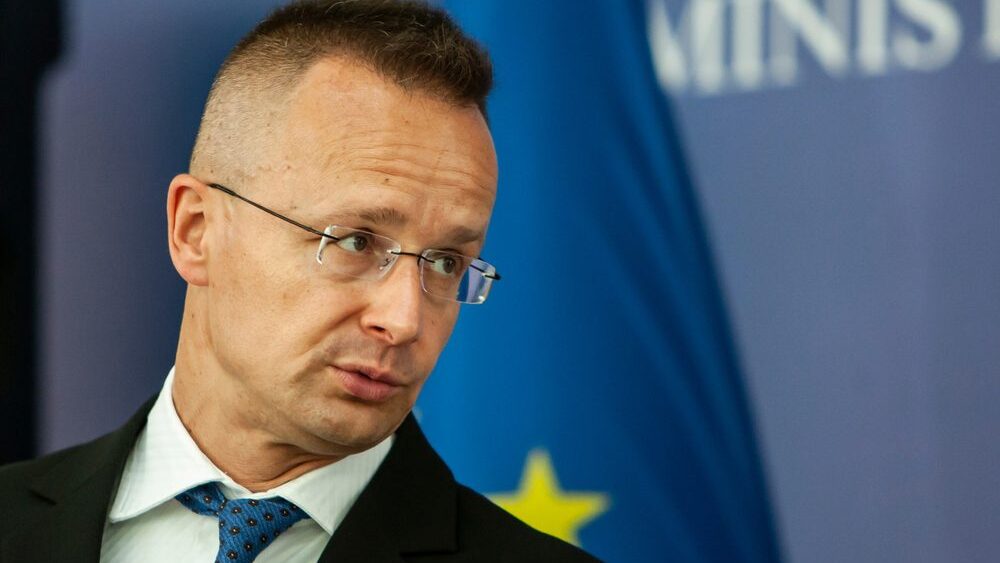
Slovakia joins Hungary in call for peace talks in the Russo-Ukraine war and opposing the end of national veto rights.

Hungary has been adamant that it would block Ukraine’s entry into the EU or NATO until minority rights were restored.
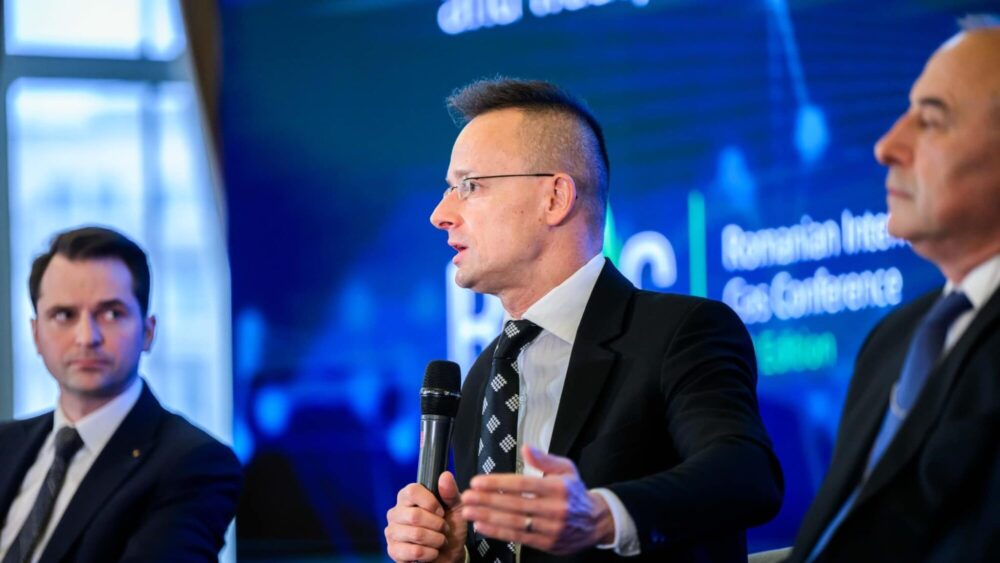
Hungary may find the right approach to lobby Austria on behalf of Romania’s Schengen accession
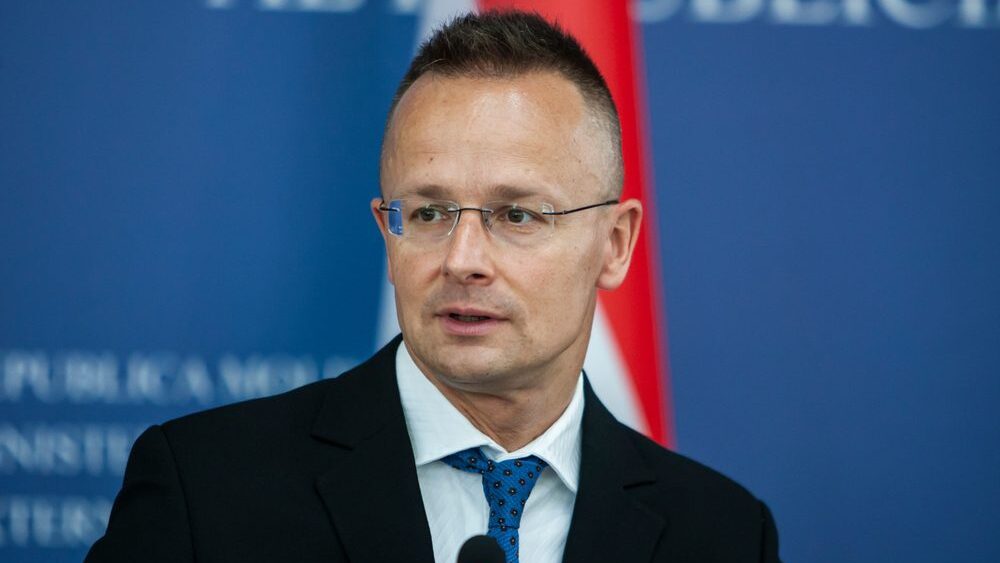
Politico conveyed fears that Hungary during its Council presidency would “share sensitive information with Moscow.”
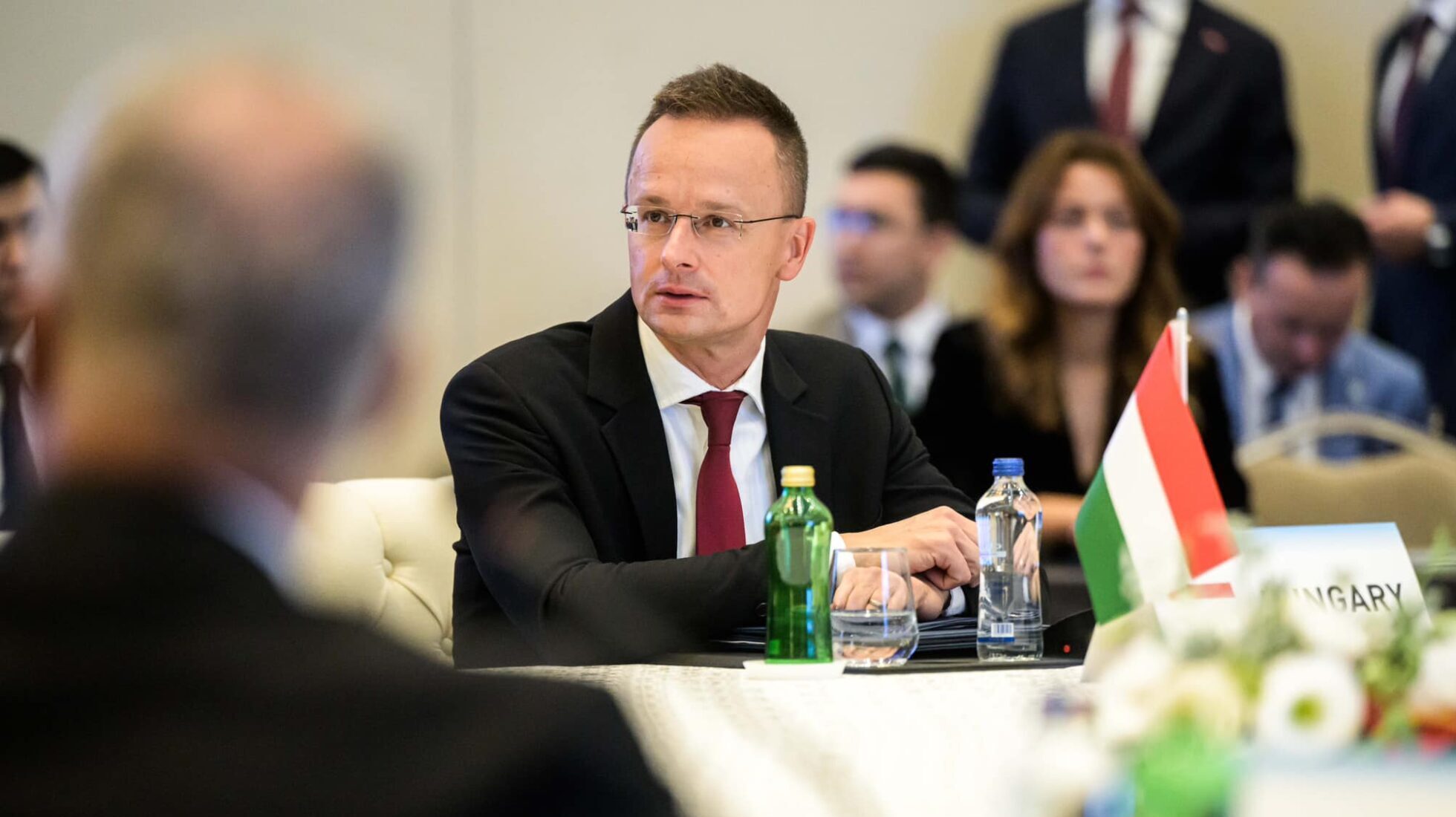
Szijjártó hit back with a Qatargate reference: “Is this the same body that had several members arrested for corruption?”

Foreign Minister Péter Szijjártó said that Turkey will “consult with the Swedes as well as NATO leaders” regarding efforts to break the impasse. In light of Sweden’s apparent tolerance of recent anti-Islamic and pro-Kurdish demonstrations, diplomatic relations with Ankara however remain precarious.
National sovereignty is complicated in a globalised world—even for Hungary.
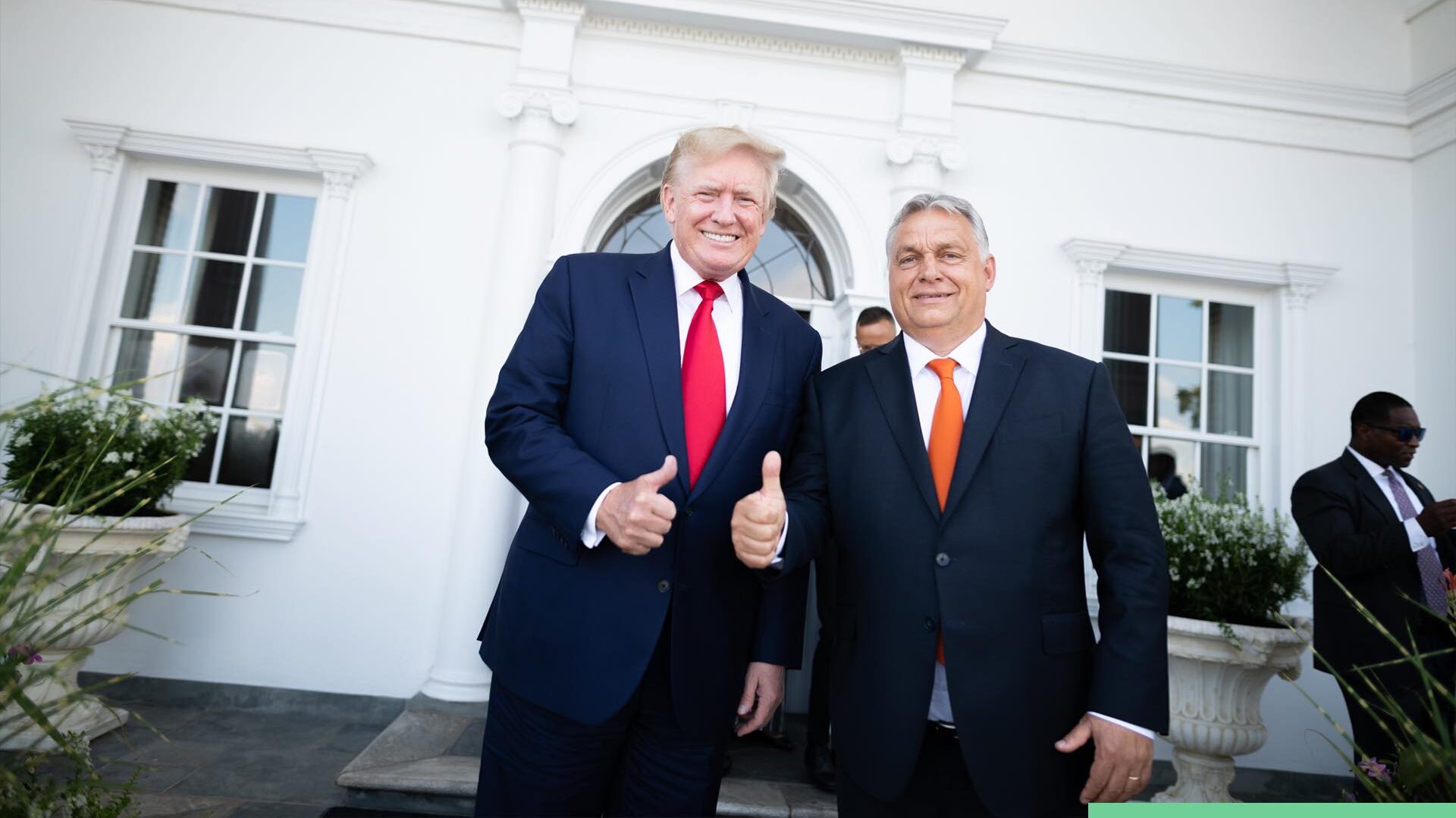
During the run-up to the 2016 presidential election, Orbán was the first European leader to publicly endorse Trump’s presidential candidacy.
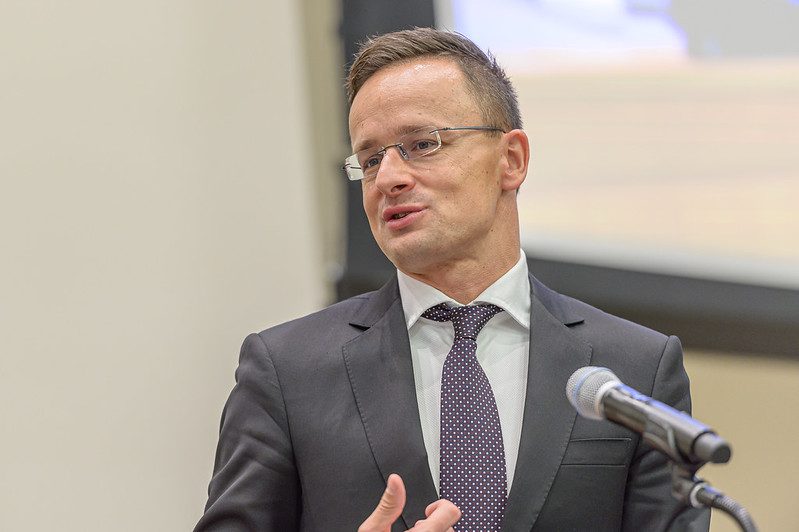
Péter Szijjártó is above all pragmatic. His visit comes on the heels of the EU’s decision to cut Russian gas supplies by 15%.