

The Great Awakening vs the Great Reset
A great deal has been said recently about Alexander Dugin’s thought. Michael Millerman, the foremost English language interpreter of the “most dangerous philosopher in the world,” reviews his 2021 book.

A great deal has been said recently about Alexander Dugin’s thought. Michael Millerman, the foremost English language interpreter of the “most dangerous philosopher in the world,” reviews his 2021 book.
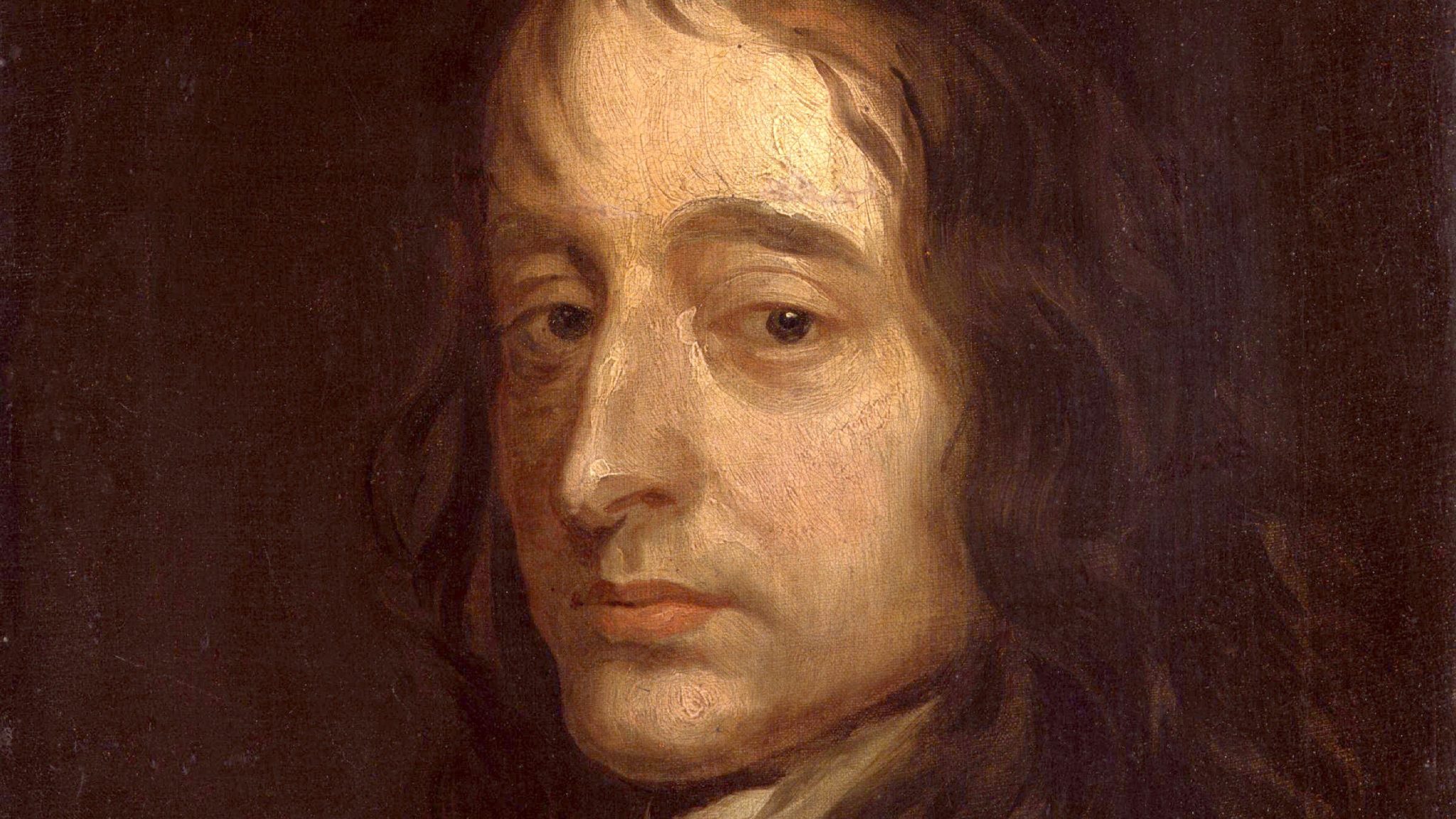
One of Hazony’s aims is to remind us that liberals and conservatives, while they teamed up against Communism to win the Cold War, do not share a political project. “Enlightenment liberalism,” Hazony argues, “is bereft of any interest in conserving anything. It is devoted entirely to freedom, and in particular to freedom from the past.”

Spengler Society, Peterson “fights for holding on to the very own basic values of our civilization,” which makes his work “increasingly compatible and complementary to that of Spengler.”
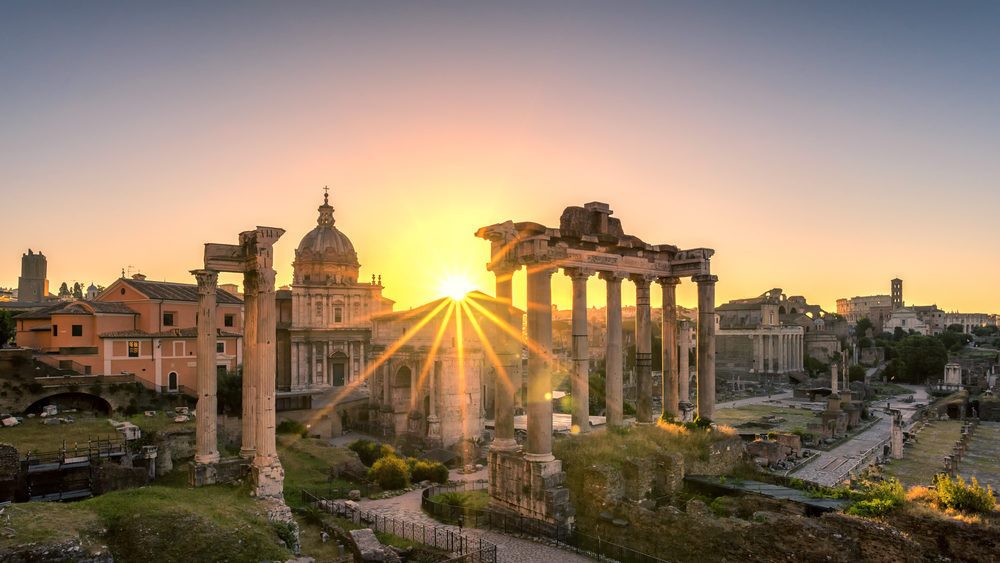
Understanding how the fortunate fall leads to a different conception of universal order—and how it might allow for distinct and interpenetrating spheres—should inform conservative thinking about transnational cooperation and the shape world order ought to take today.
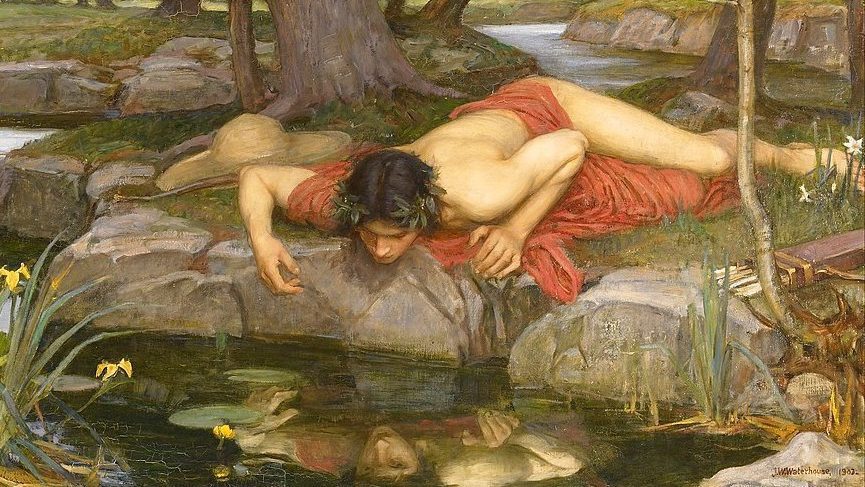
Only a society of narcissists, concerned only with the endless accumulation of their own egos, would treat both the born and unborn as objects to be manipulated, consumed, and discarded in the process of ego-production.

Patočka detests the World Wars. But there is, in them, a certain ‘divinity,’ a certain ‘saving potential,’ because—at the Front, as within the Church—‘all humans are equal before the face of the ultimate reality.’

Almost a century old, she still took a vivid interest in my philosophical works and in the events, joys, and sufferings of my life. During her last years, the closer she came to eternal life, the kinder and more patient she became, more filled with that deep charity of which her husband had written so insightfully.

Western political philosophy focuses on inherent features of man, and so Europeans were able to build a system which recognises and respects them. It is arguably the best system in the world, which is evidenced by the success of the countries that adopted it. It safeguards everything we value, and we should do everything to preserve it.
If journalism helped Scruton to synthesise ideas in a single thought, it also displayed the rich literary gifts which first brought him to the attention of the British public in the 1970s. For him, journalism was much more than conveying information, news, or opinion. It was an attempt to stir the imagination of the reader so that the ‘unfashionable opinion’ being expressed might become theirs.
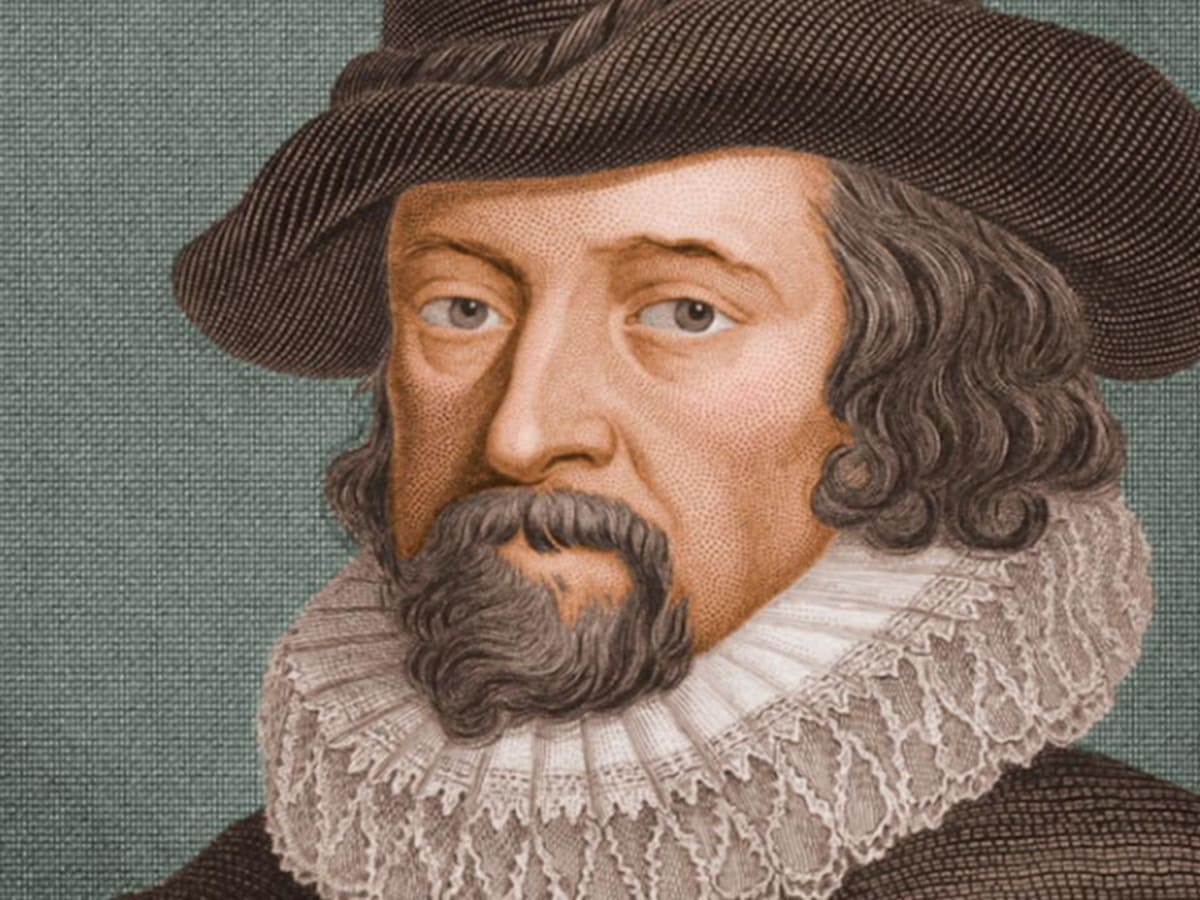
Francis Bacon was the talisman of Renaissance science, producing an inductive philosophy which he advanced with all the zeal of a religious convert. But as far as he was concerned, promoting such methods required no actual conversion from the Christian beliefs which prevailed in his day.