
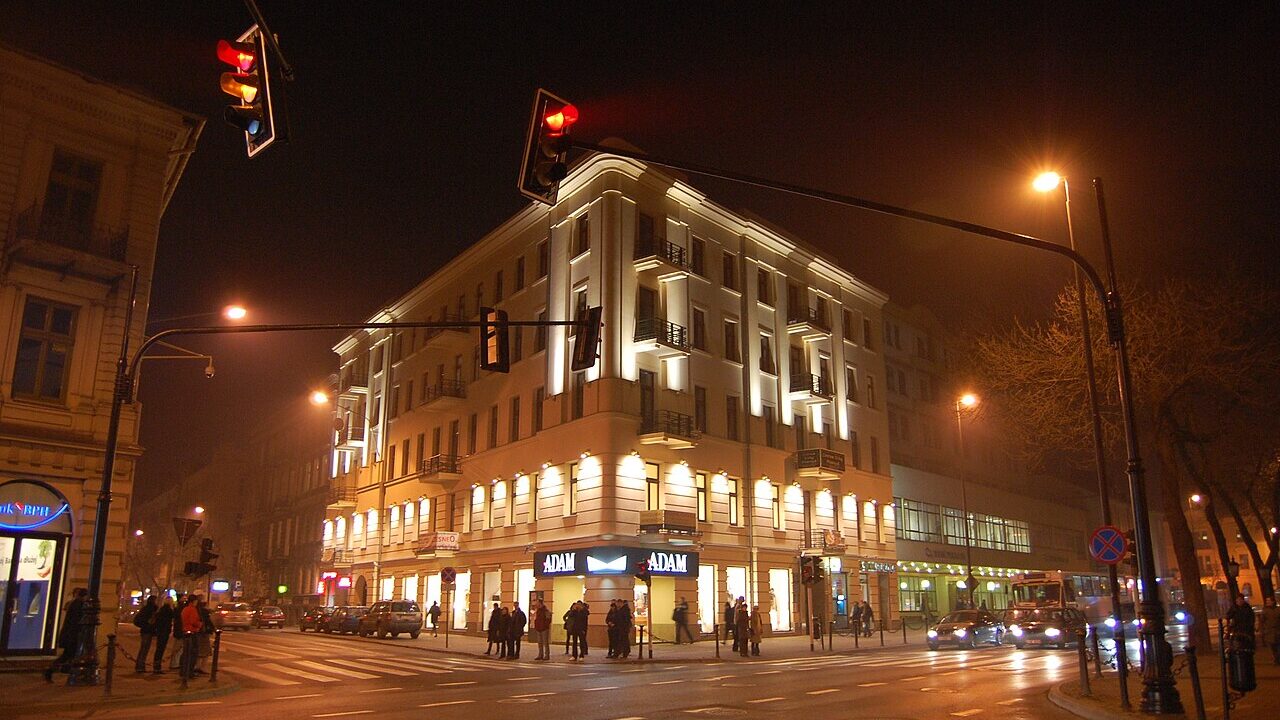
Polish Man Brutally Attacked by Zimbabwean Immigrant
The attacker faces only minor bodily harm charges and no deportation despite causing a spinal injury to the victim.

The attacker faces only minor bodily harm charges and no deportation despite causing a spinal injury to the victim.
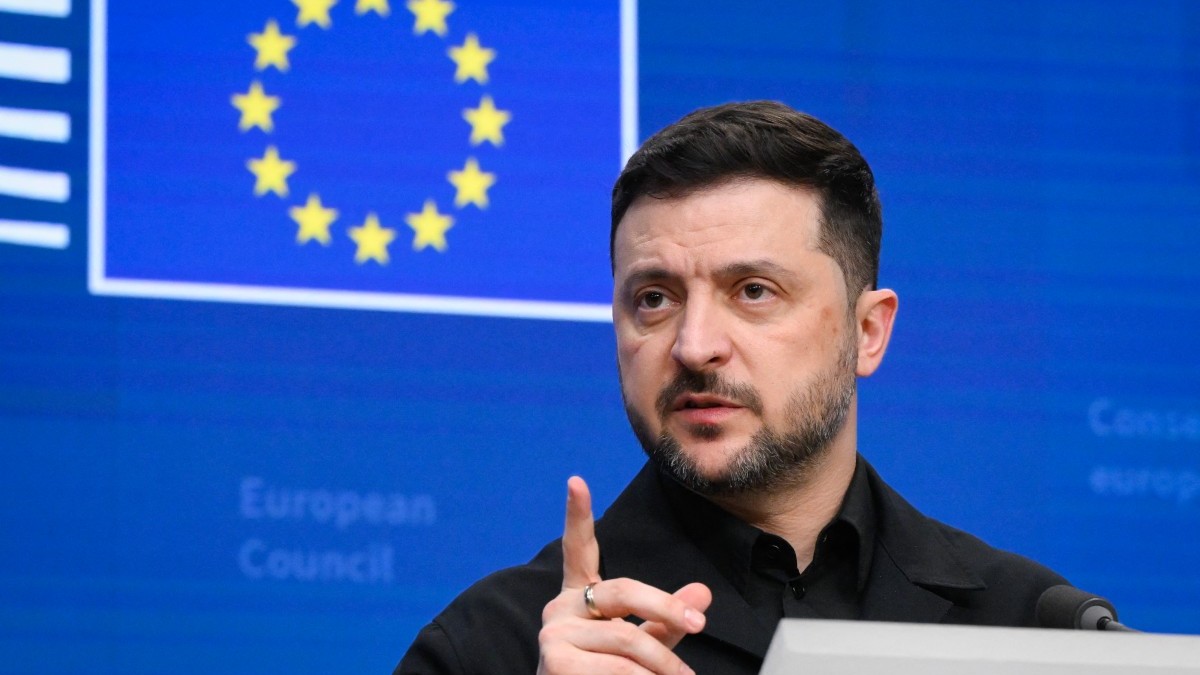
A potential deal with Budapest on minority rights may unlock Kyiv’s EU talks, but rising tensions with Warsaw over historical grievances could complicate unanimity.

Warsaw’s education ministry promises ‘digital hygiene,’ but its leading minister can’t resist taking another swipe at Polish parents.
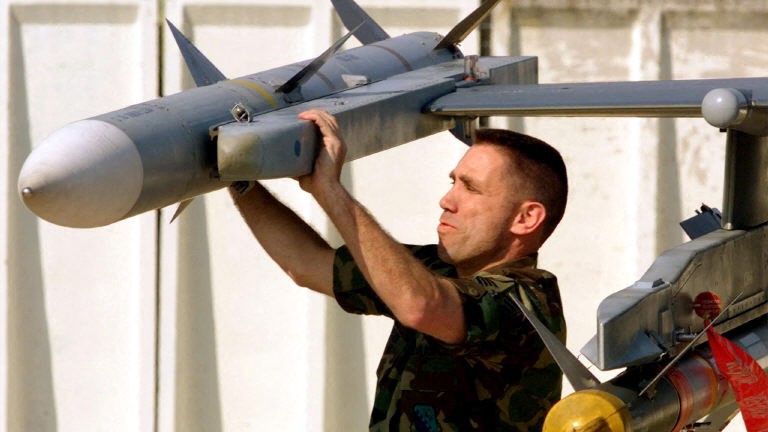
Confidential meetings in Washington could increase the number of countries under its nuclear umbrella, with a number of prospective hosts hoping to be included.
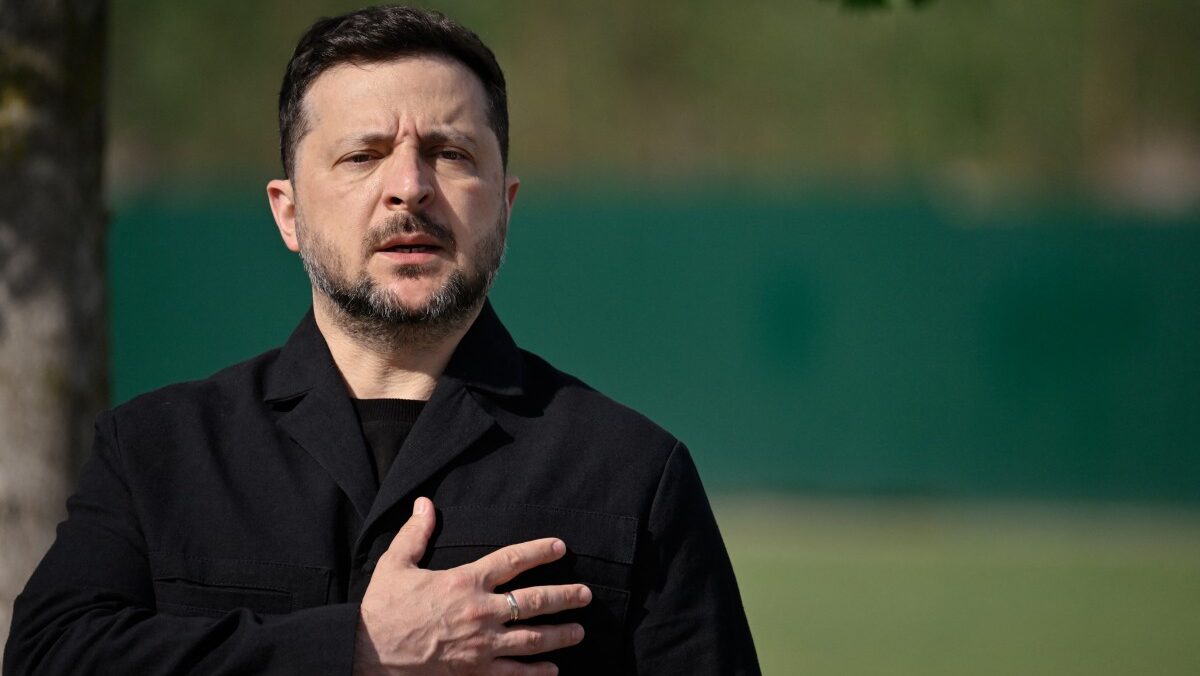
The dispute follows Kyiv’s decision to honour a military unit with a name associated with the wartime killing of tens of thousands of Poles.
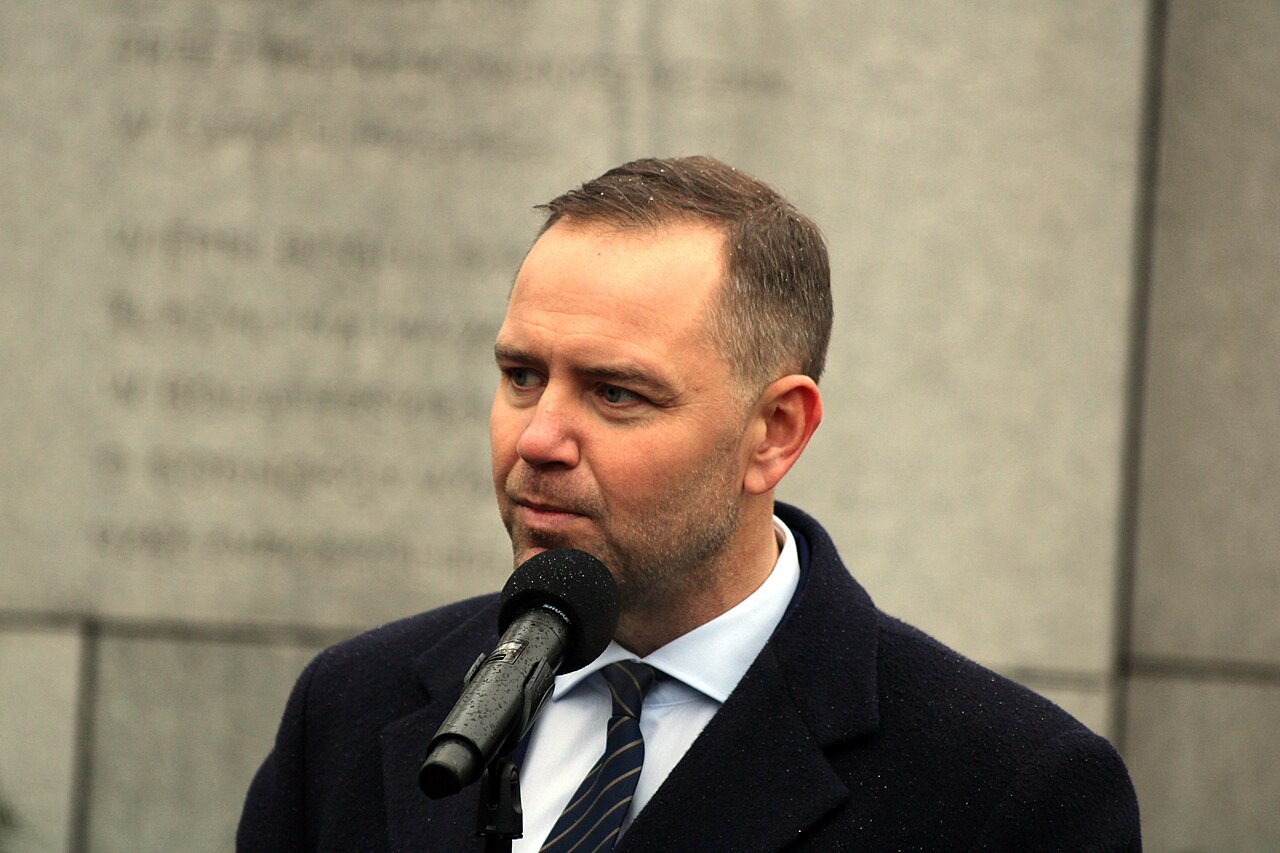
Following a highly sensitive naming controversy, Poland’s president has stated he wants his Ukrainian counterpart stripped of the Order of the White Eagle.

France extends its nuclear umbrella, the UK and Poland sign a new military axis, and the Baltic states reorganise their governments around security.
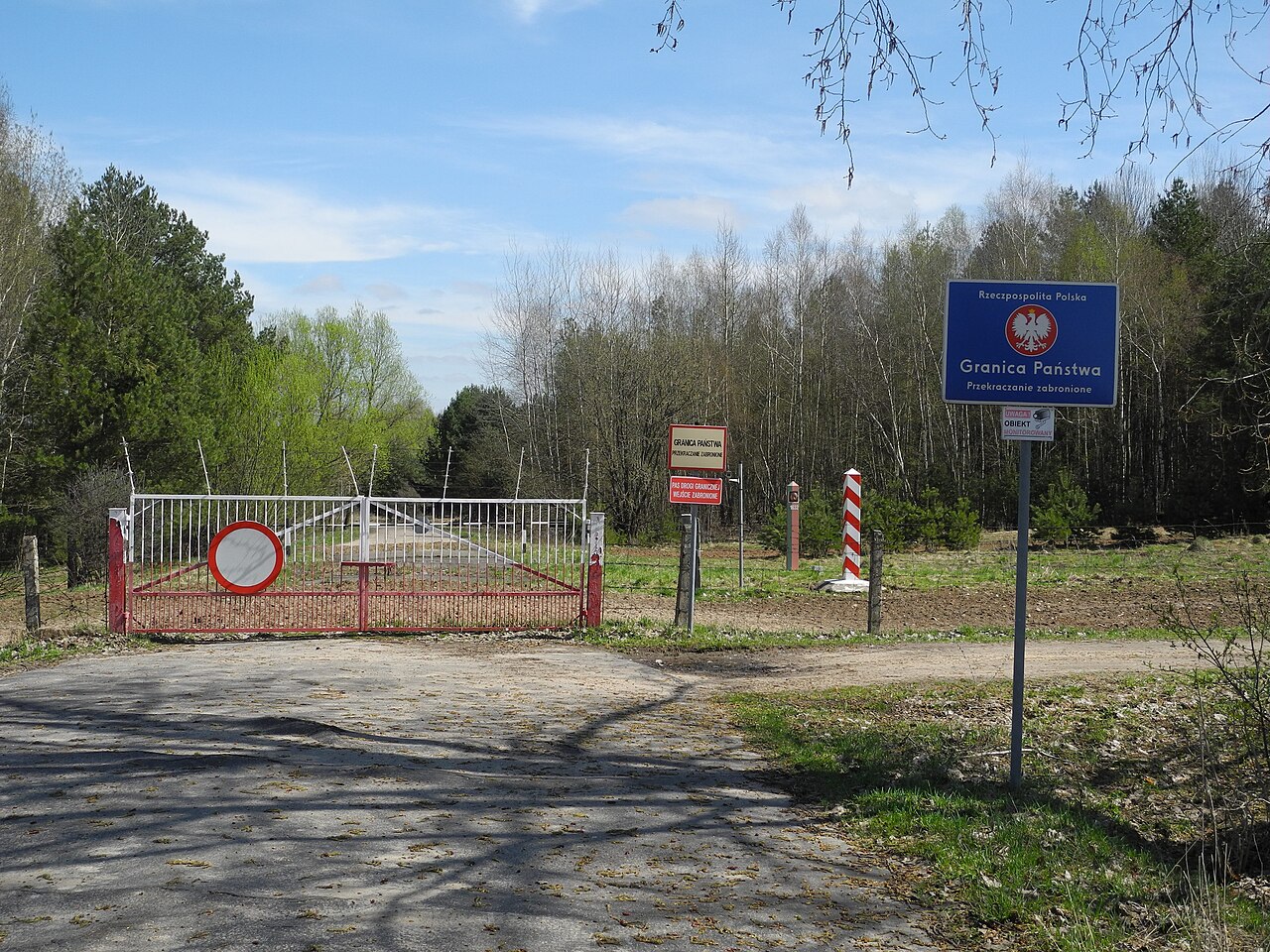
As part of its ruling, a Polish military court emphasised the need to recognise border officers’ situation—acting under difficult conditions amid repeated attempts to force illegal incursions.

The European Conservatives and Reformists group condemned Britain’s decision to block a Polish MEP from entering the country ahead of a London rally linked to Tommy Robinson.

Conservative lawmakers in Poland say recognition of same-sex marriages registered abroad could open the door to same-sex couples’ adoption rights.