
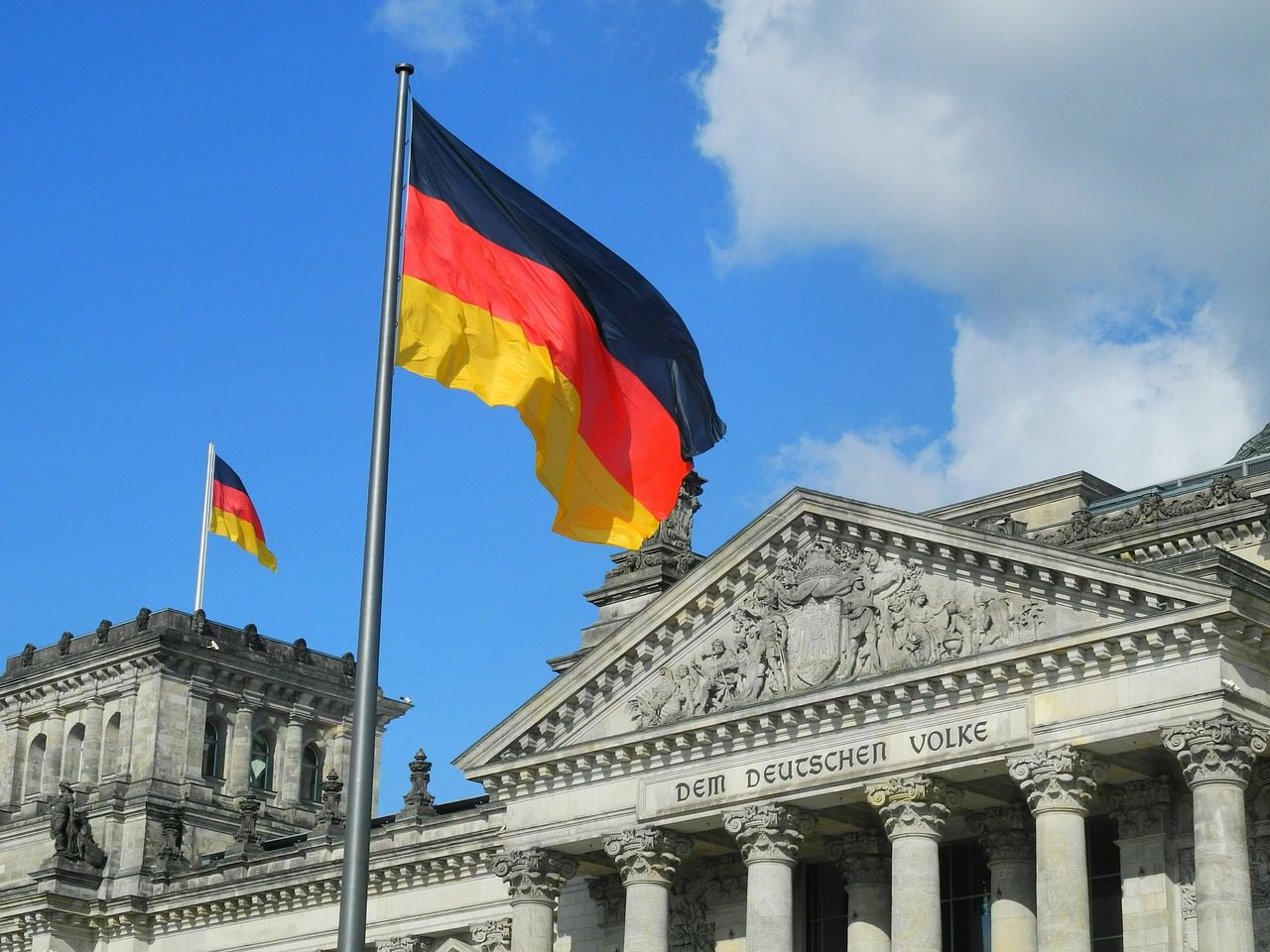
Poll: Less Than Half of Germans Support Defending NATO Allies
Compared to last year, a significantly larger number of Germans fear being pulled into a war with Russia, according to The Security Report 2023.

Compared to last year, a significantly larger number of Germans fear being pulled into a war with Russia, according to The Security Report 2023.
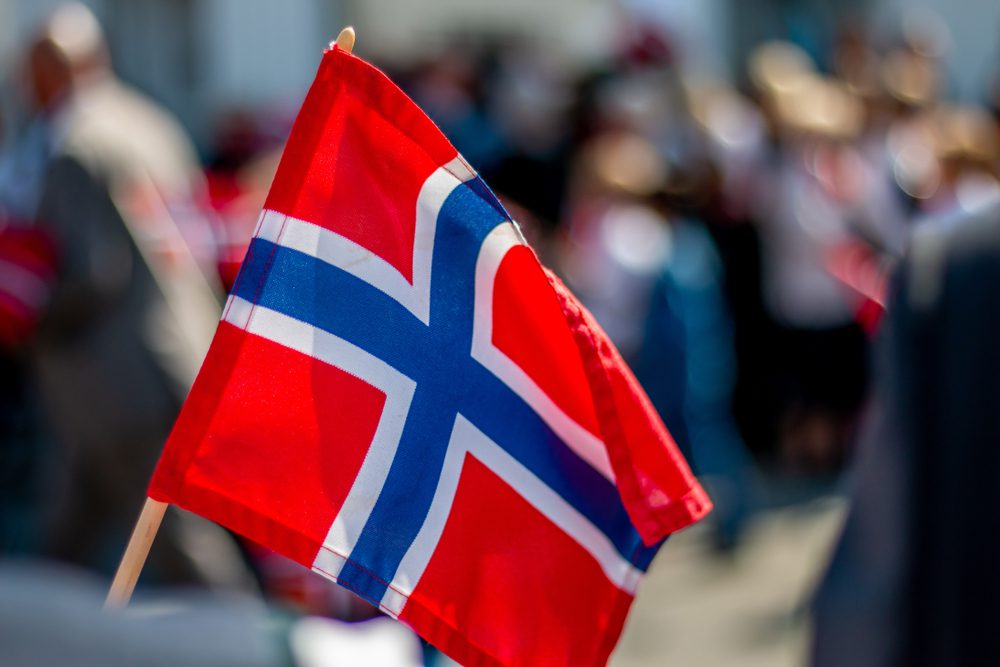
Norway’s apparent rightward political shift mirrors similar trends witnessed across other Nordic states like Sweden and Finland.

“The mood in society is similar to the mood in the GDR at the end of the 1980s, shortly before the collapse of the system,” AfD MP Petr Bystron said while commenting on the survey’s alarming figures.
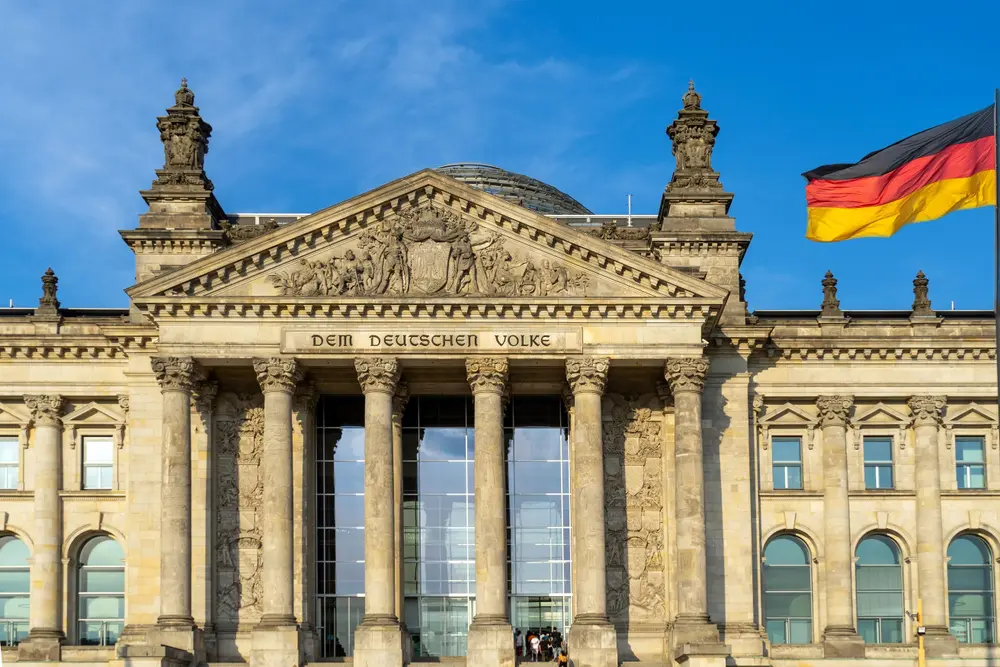
The opinion poll comes several months after another survey carried out by the same institute revealed that 31% of Germans believe they are living in a “sham democracy” where citizens “have no say.”
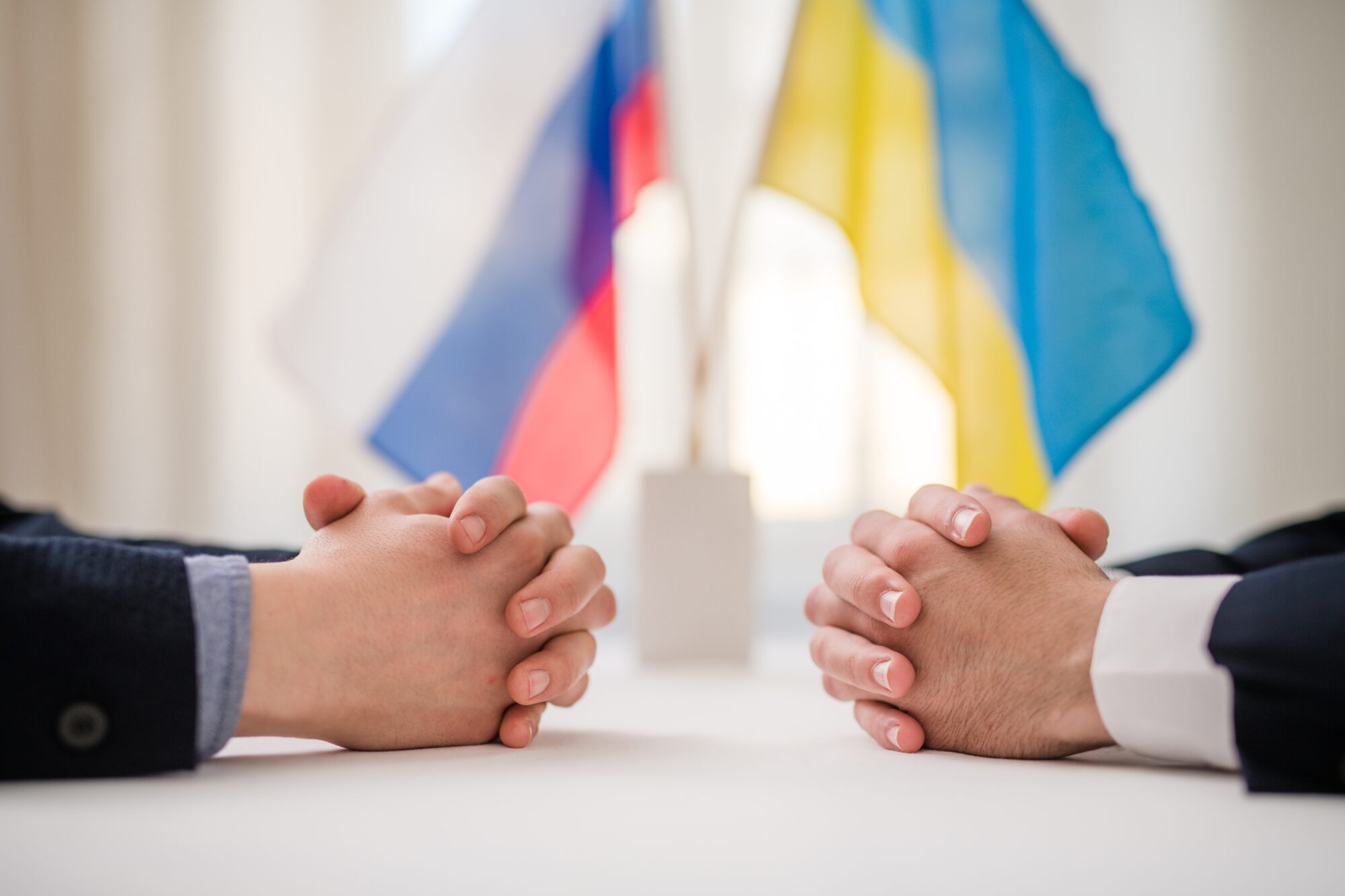
The wish for peace talks prevails among voters of every political party represented in the Bundestag.
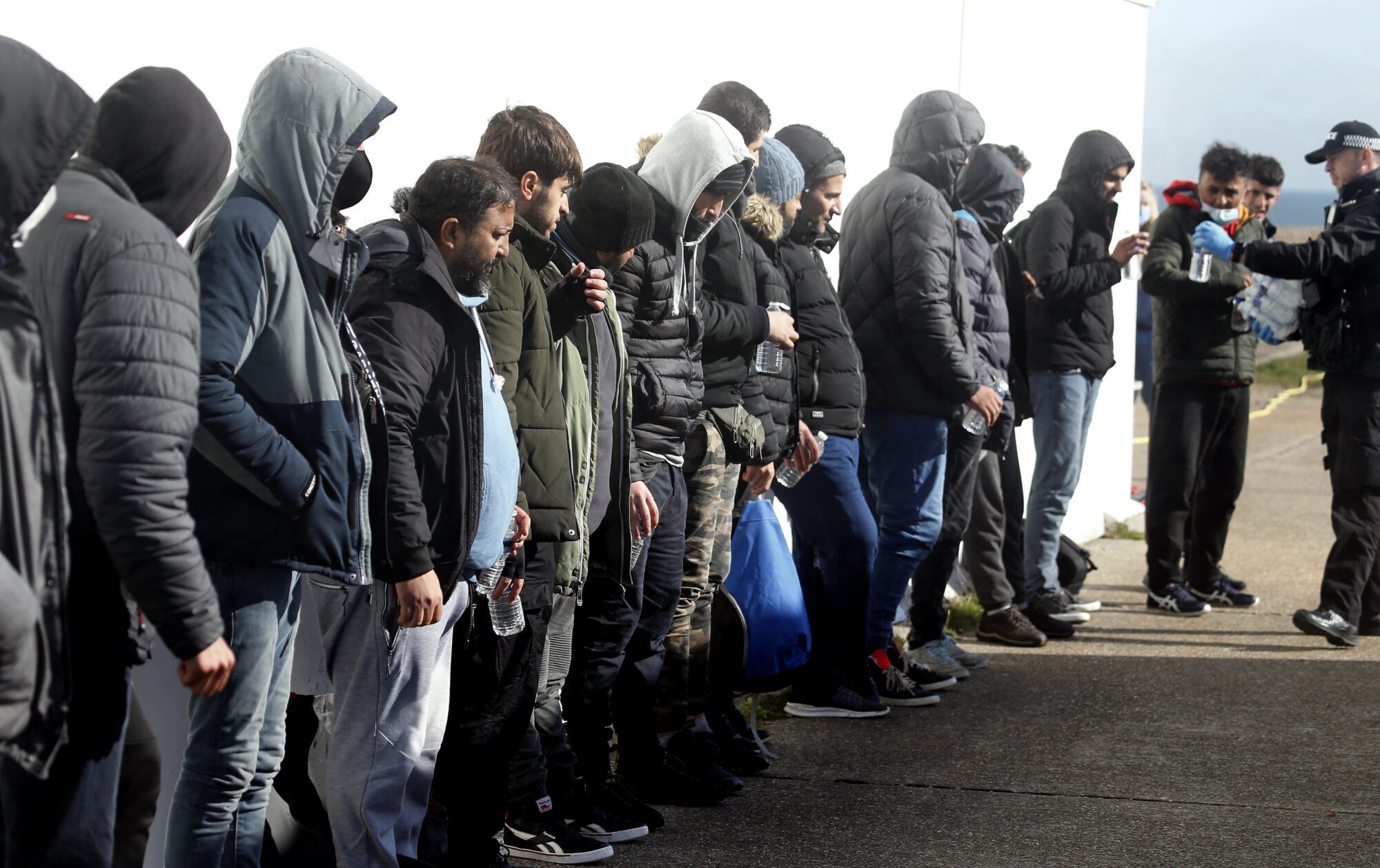
“Germany is dangerously approaching a tipping point. If the majority of the population has a migration background, our country will change significantly,” CDU lawmaker Stefan Heck said.
Vlaams Belang Chairman Tom Van Grieken’s name came up third in the list of those politicians by whom the Flemish feel best represented.
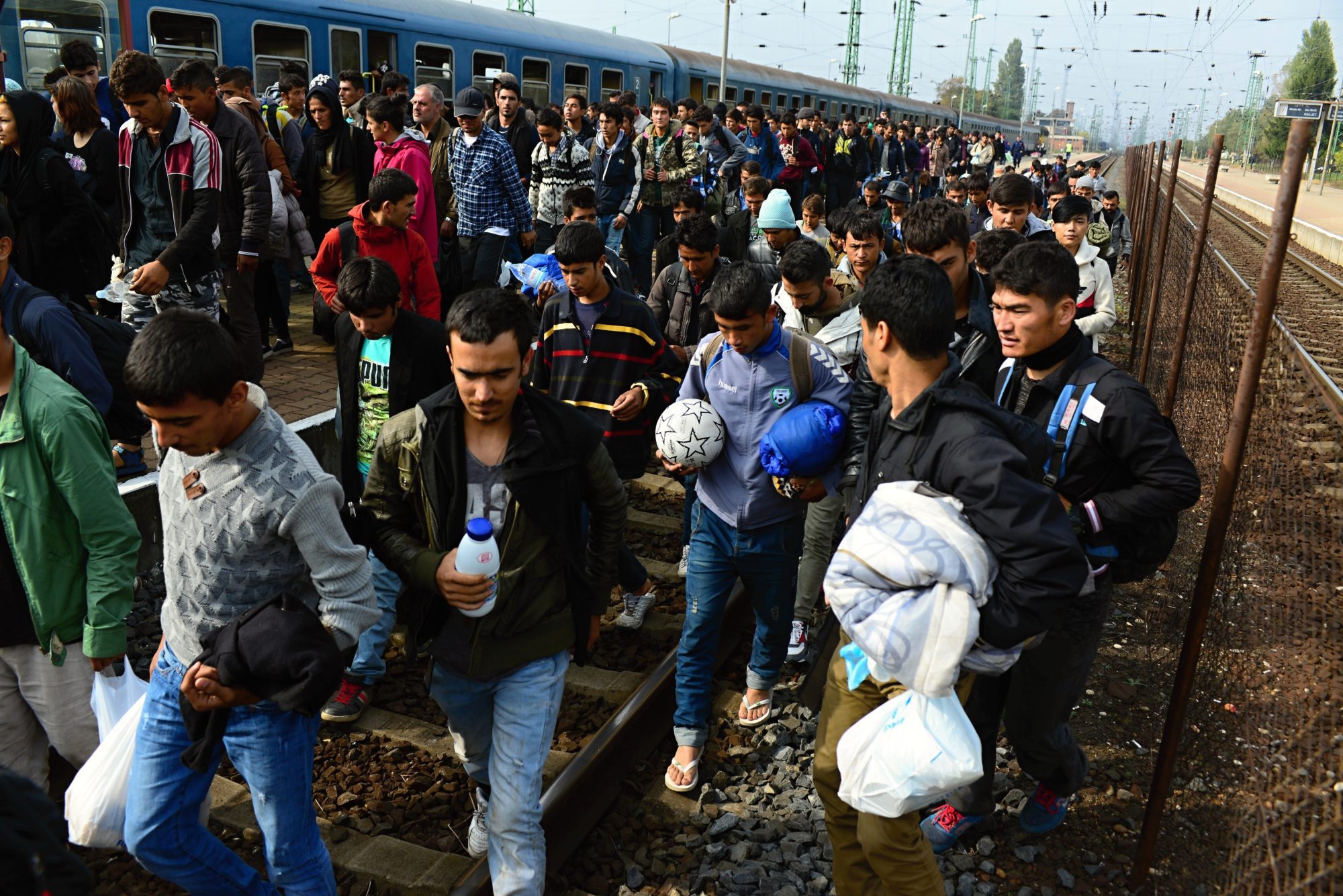
The polling data comes as the arrival of the Ocean Viking, an NGO migrant transport ship, to the port of Toulon has rekindled the heated debate over migration, which like elsewhere in the world, remains highly charged and highly divisive topic.
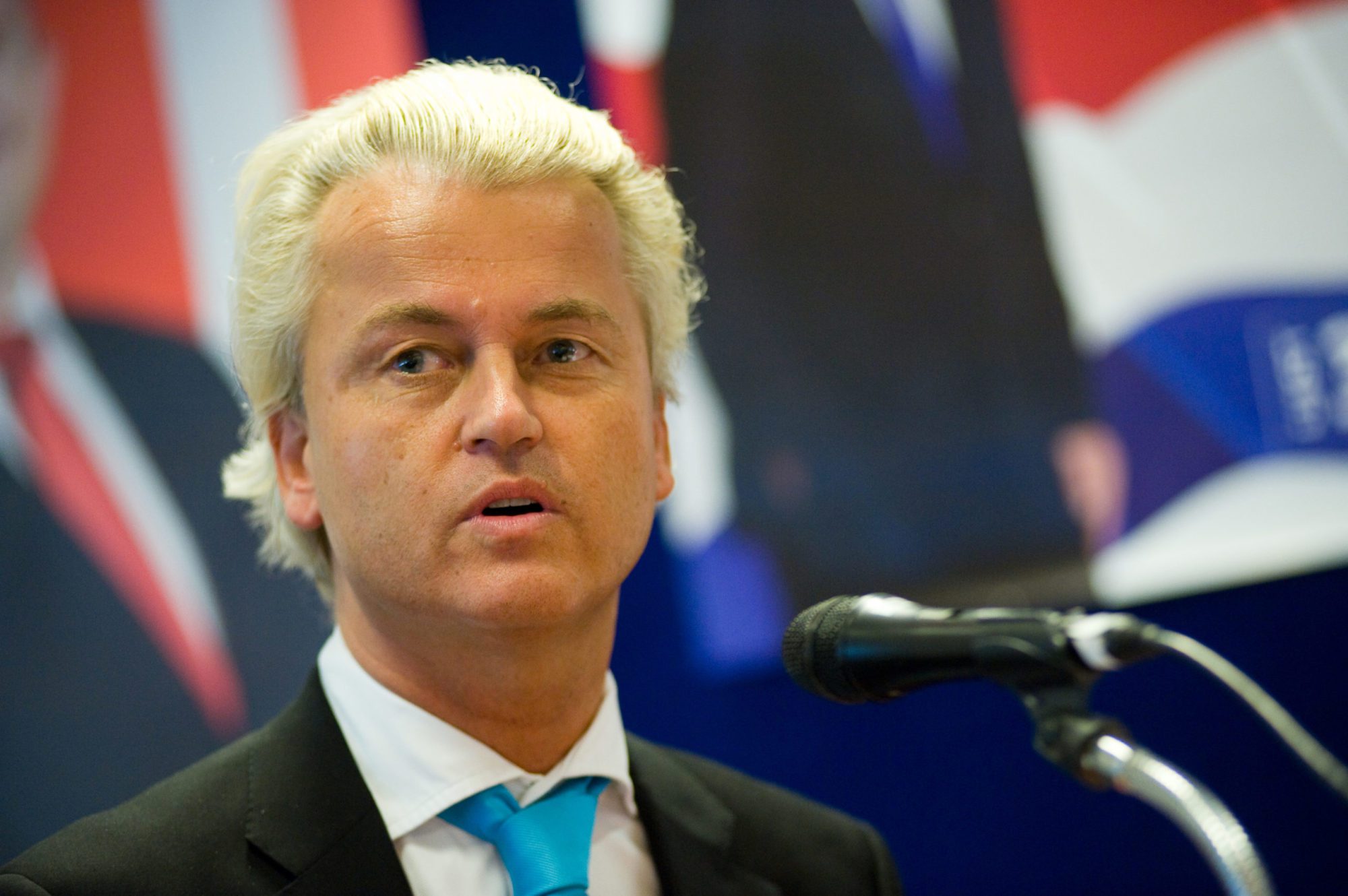
Meanwhile, the Netherlands’ liberal-globalist parties that make up the governing coalition have witnessed their seat estimates drop from 79 to 43.
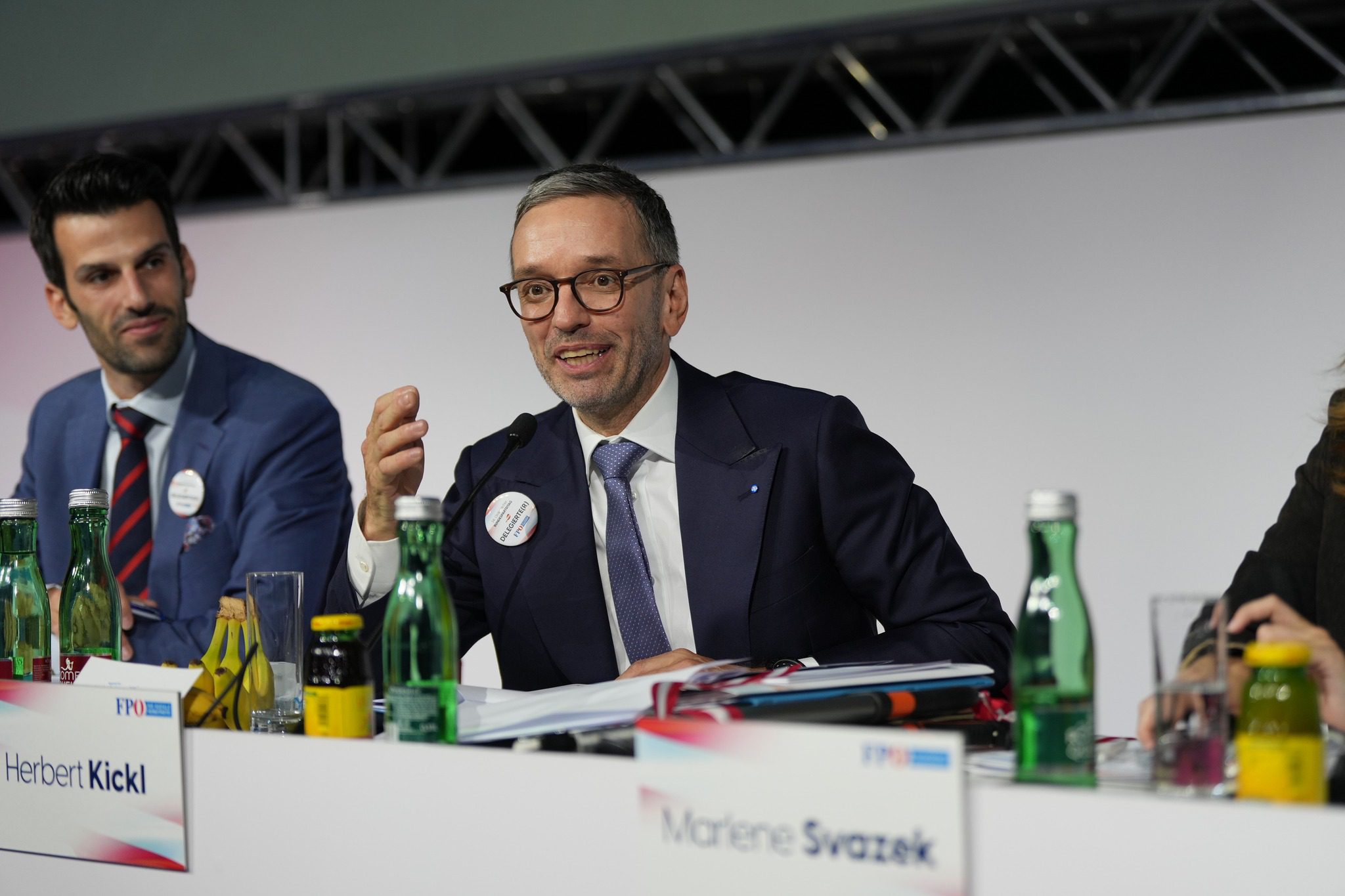
The FPÖ, the only major party in Austria to oppose sanctions against Russia, is now polling at 26% of the national vote.