
EU Proposes Lower Cap on Russian Oil in New Sanctions Package
The current cap of $60 could be limited to $45, putting the pressure on Moscow, but on the European economy as well.

The current cap of $60 could be limited to $45, putting the pressure on Moscow, but on the European economy as well.

Spokesman Dmitry Peskov said that Moscow had prepared for this price cap—a controversial, and according to some experts, ineffectual mechanism that would ‘force’ Russia to sell its oil for less than current market value.
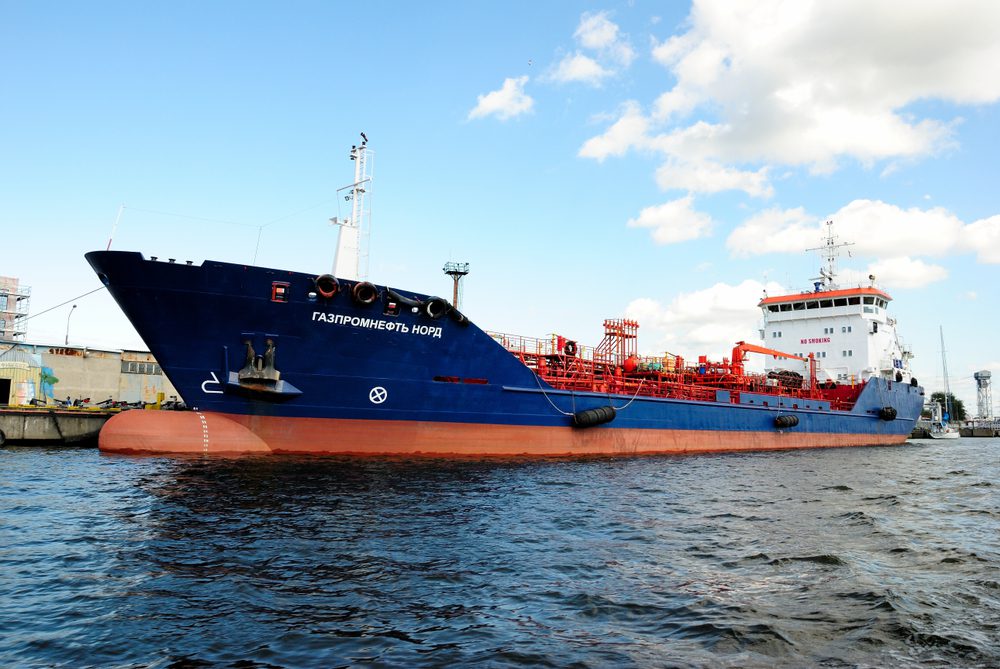
The move comes despite Russian President Vladmir Putin’s warning that attempts by the West to cap the price of Russian oil would have “grave consequences” for world markets.
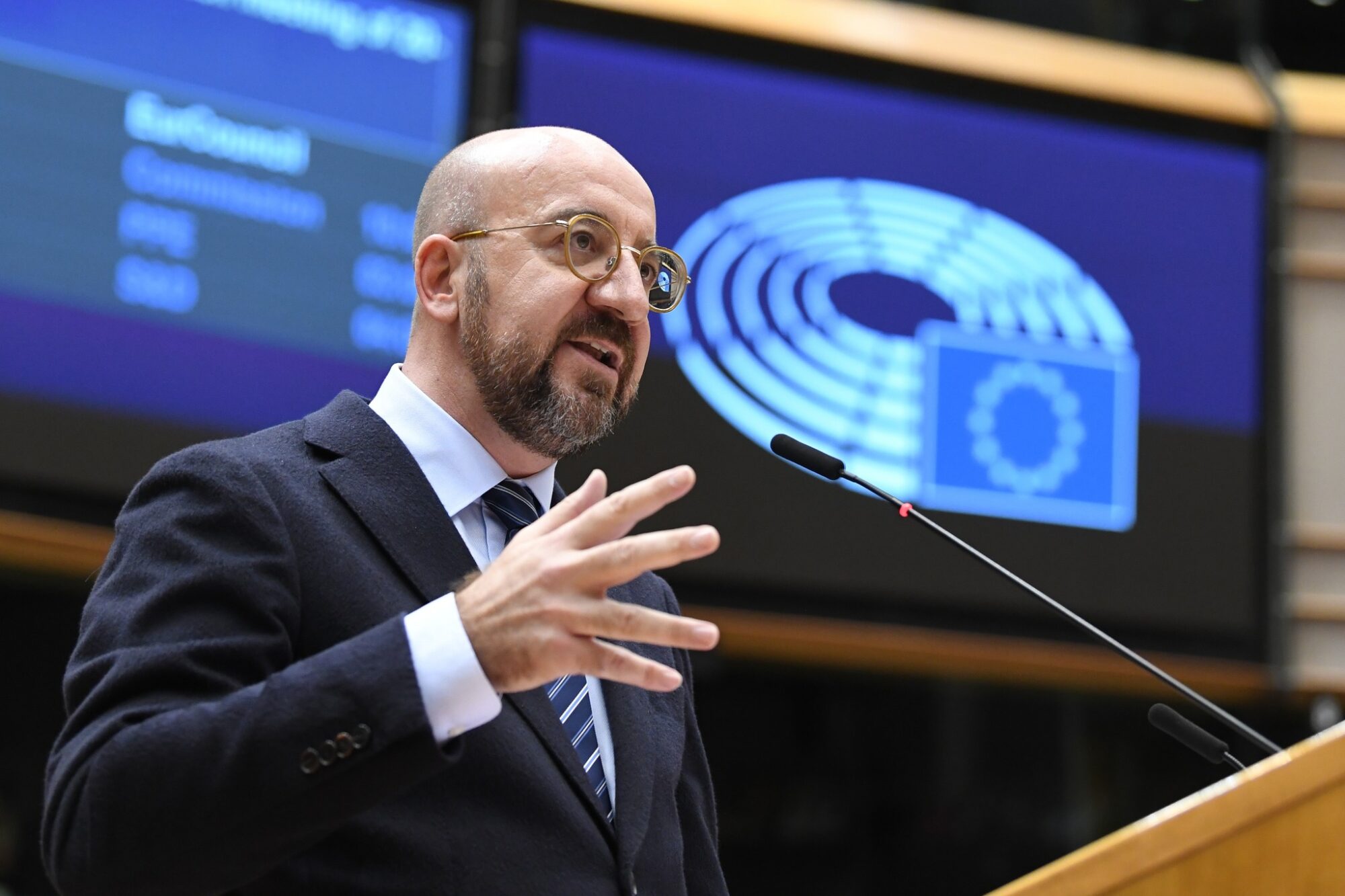
Charles Michel is growing increasingly impatient with Ursula von der Leyen’s failure to come up with measures to blunt the pain of high energy costs inflicted on EU citizens and companies.
The actual fallout of the price cap depends in part on the contractual situation between seller and buyer. However, no contract is immune to the forces of the free market.

Energy analysts warn of the dangers that market intervention tools, such as price caps, present. For the EU, it is “unchartered territory.”
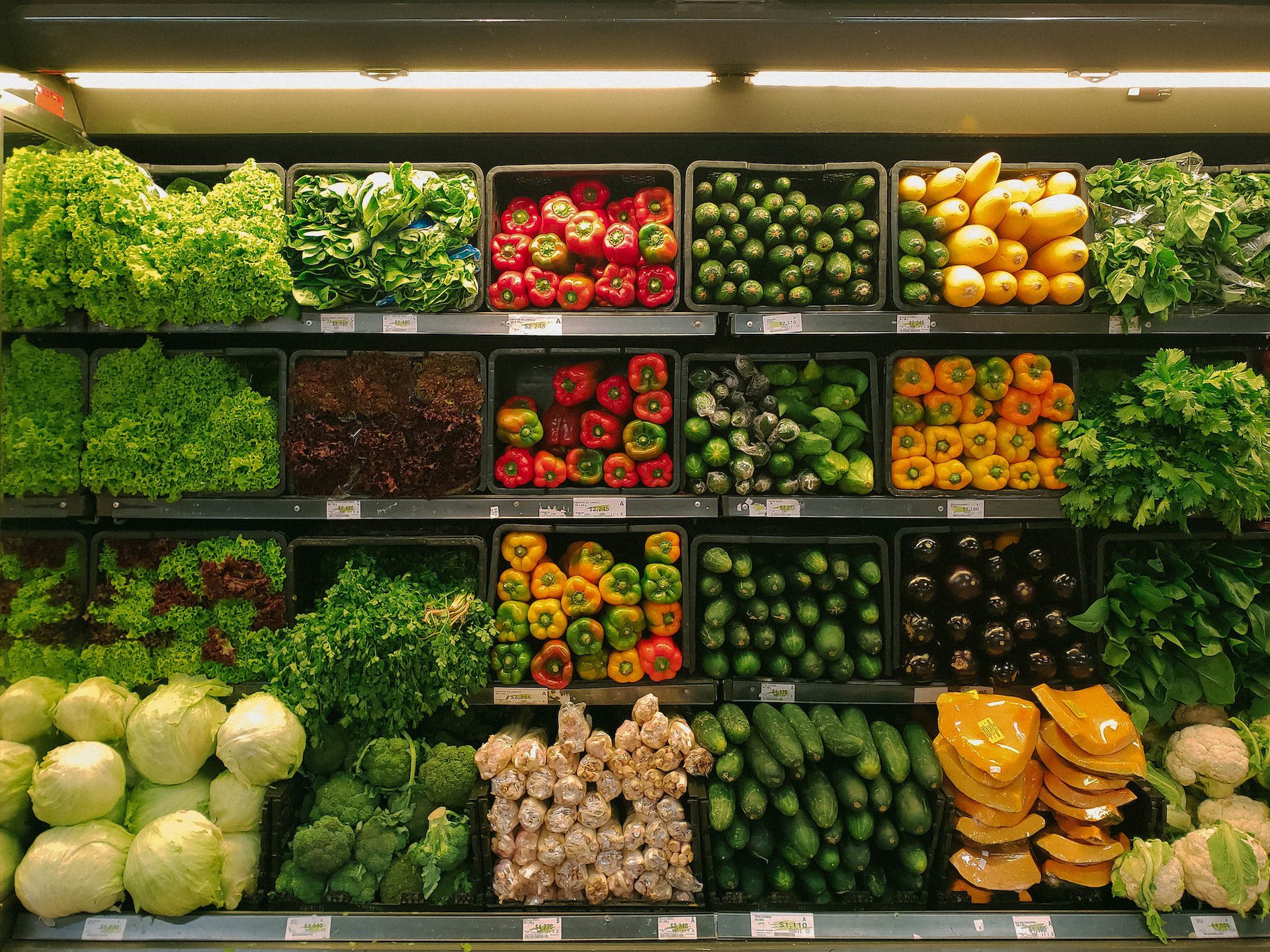
Carrefour raised prices on basic food items between 15% and 30% just before announcing on September 7th that it had created a “shopping basket of 30 items for 30 euros.” Designated items include coffee, oil, rice, pasta, and canned goods.

A leaked draft EU law envisioning a mandatory 5% cut in electricity use during peak price hours proved controversial.

The club of wealthy nations comprising Canada, France, Germany, Italy, Japan, the UK, and the U.S. took the opportunity to renew their vow of standing with Ukraine on all fronts “for as long as it takes.”