
We Should All Take Pride in National Sovereignty
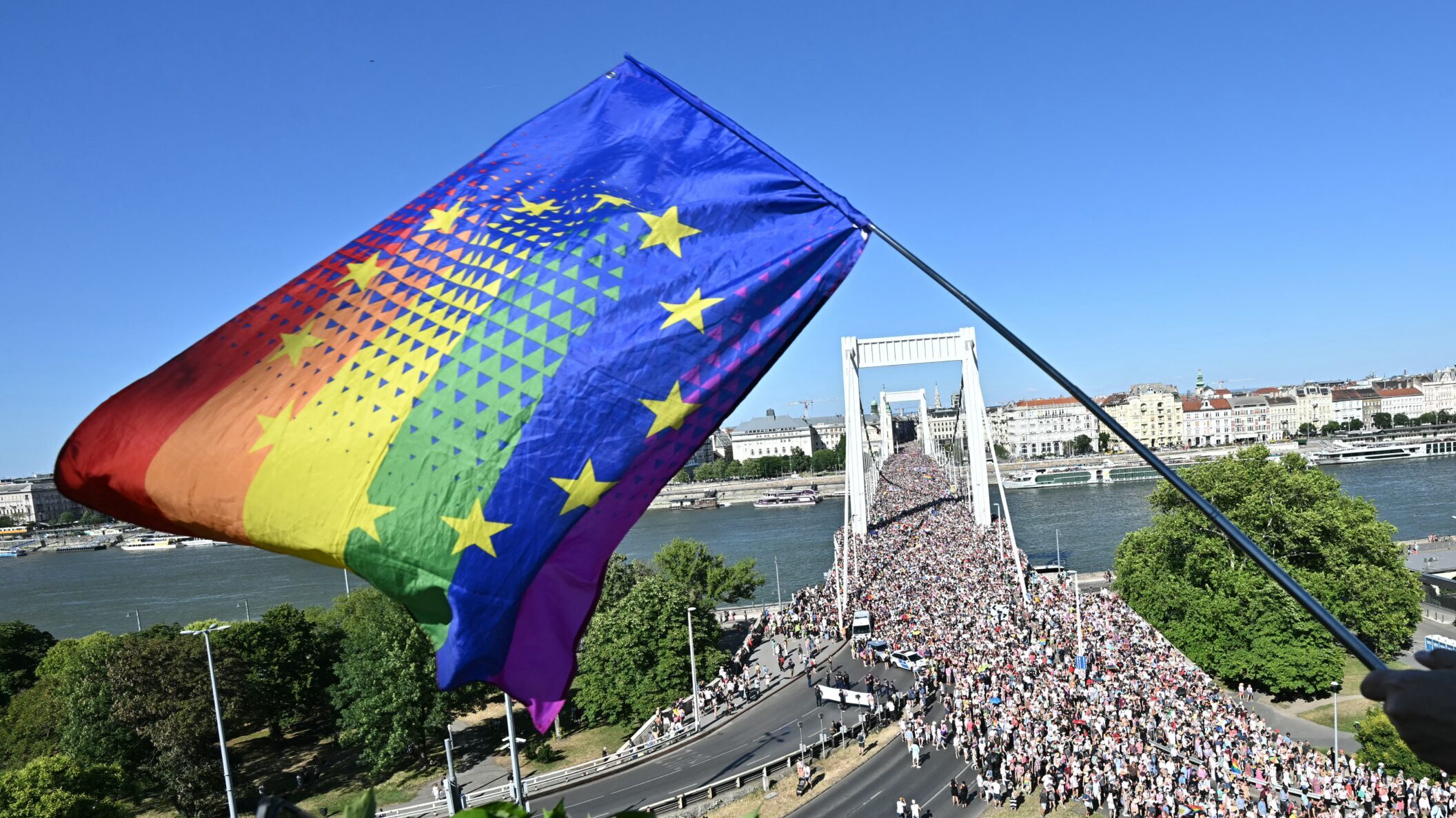
The issue of Budapest Pride has raised once again the biggest question in EU politics: who rules?

The issue of Budapest Pride has raised once again the biggest question in EU politics: who rules?

Pride parades now look and feel more like a victory march over a conquered people than a scrappy revolt for rights.

The European Commission president believes promoting gender ideology is part of the EU’s “fundamental values.”
In rural England, a faith-based bookstore refused to display the LGBT flag—and forced local officials into a quiet retreat.
Authorities say the march would violate a law prohibiting LGBT promotion to minors. The city’s liberal mayor insists it will go ahead.

Campaigners claim to be opposed to fundamentalism while sharing posters that show them physically crushing their opponents.
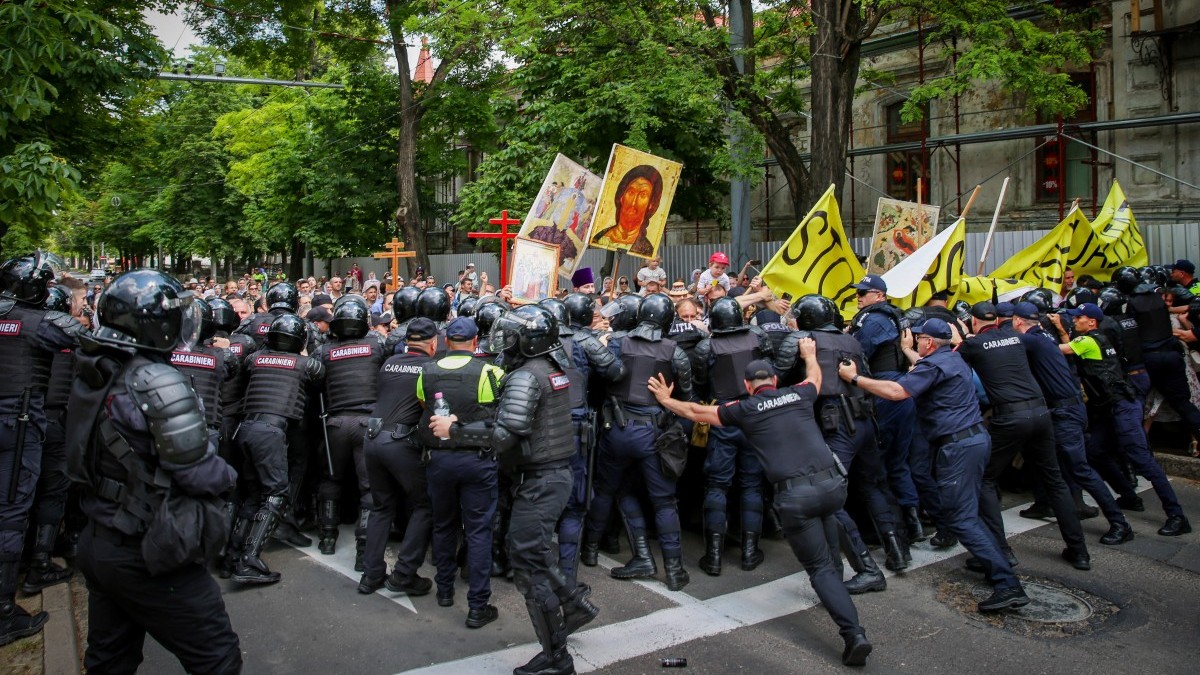
The peaceful demonstration was organized against the Pride event held with government support despite the earlier ban by the municipality of the Moldovan capital.
Activist groups are now accusing the broadcaster of being anti-LGBT and demanding advertisers choose between “hate or Pride.”

InterLGBT has attempted to defend itself and criticized “gross misinterpretations” of the poster.
Ilaria Salis may think she’s scoring points in Brussels, but in Budapest, even the Left are distancing themselves from her controversial plans.