
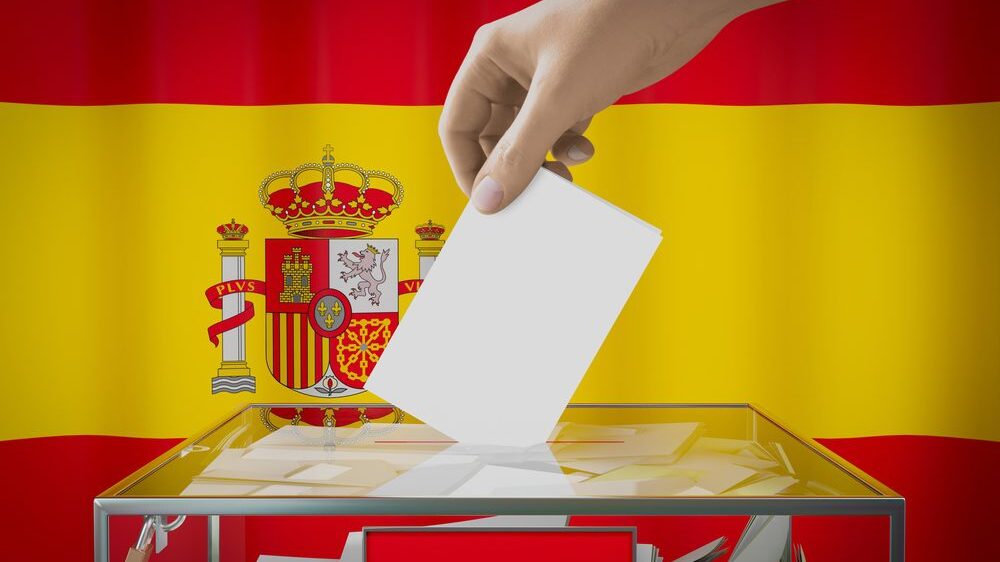
Spain’s Broken Electoral Map
Were the PP to govern now, it is unlikely that it would try to resolve the asymmetries of the Spanish system on display during these elections, especially with Núñez Feijóo at the helm.

Were the PP to govern now, it is unlikely that it would try to resolve the asymmetries of the Spanish system on display during these elections, especially with Núñez Feijóo at the helm.

Despite substantially increasing their vote share, party president Alberto Feijóo could face a challenge from regional PP leader Isabel Díaz Ayuso, as socialists contemplate an unstable alliance with Catalan separatists to form a new coalition.
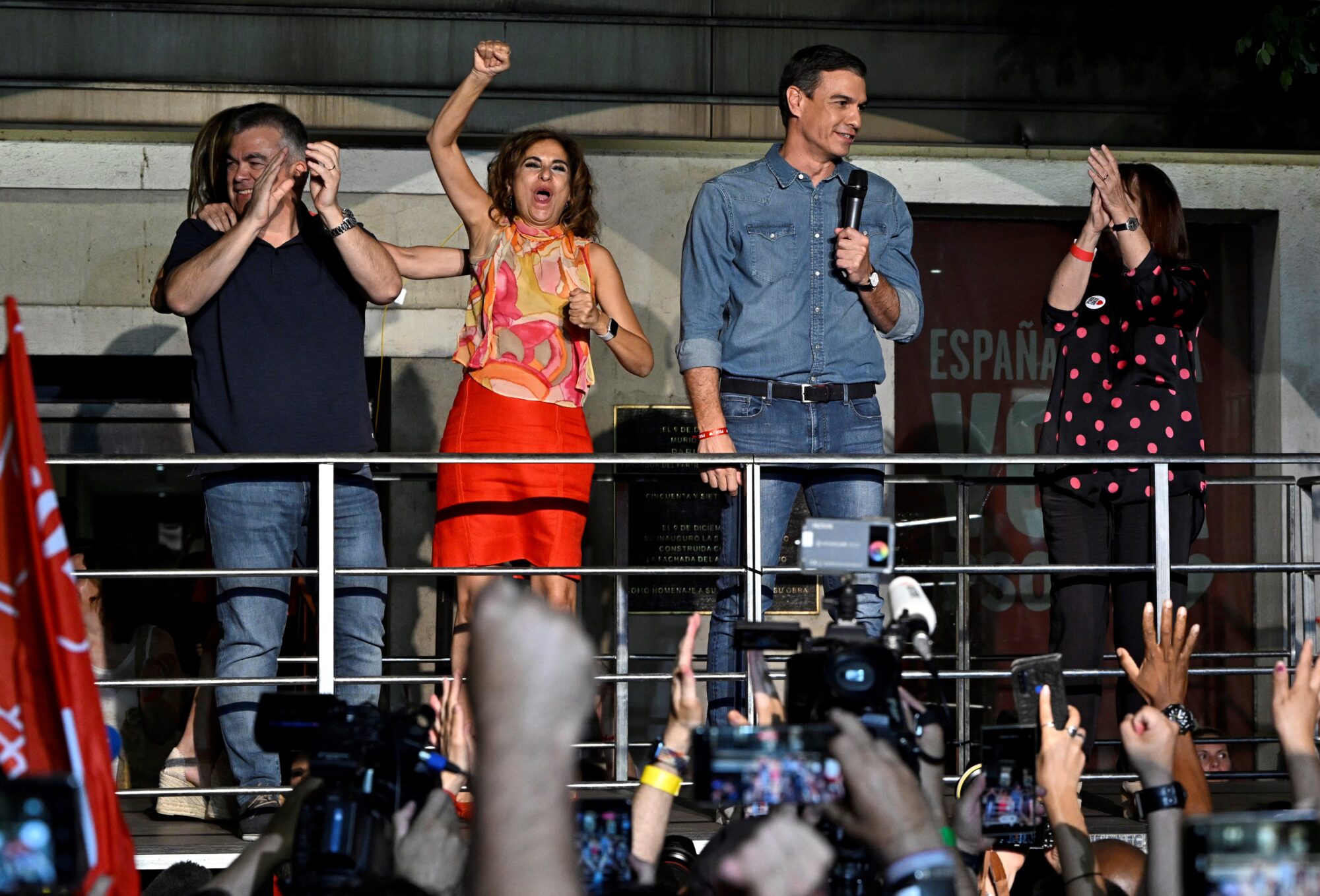
The Spanish Right comes out on top, but lacks the numbers to form a right-wing government.
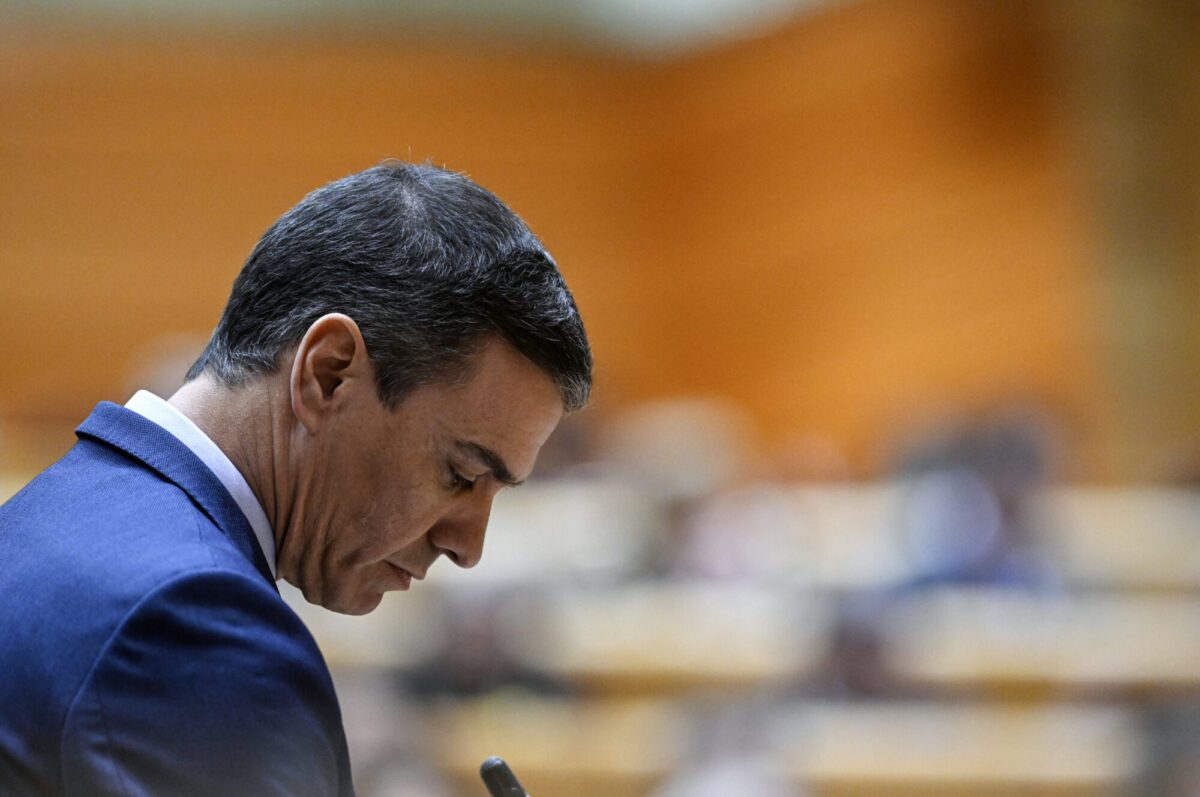
European countries are slamming the door one after the other on the 2030 Agenda and progressivism. If Spain were to follow this trend, it would be a huge blow for progressives.
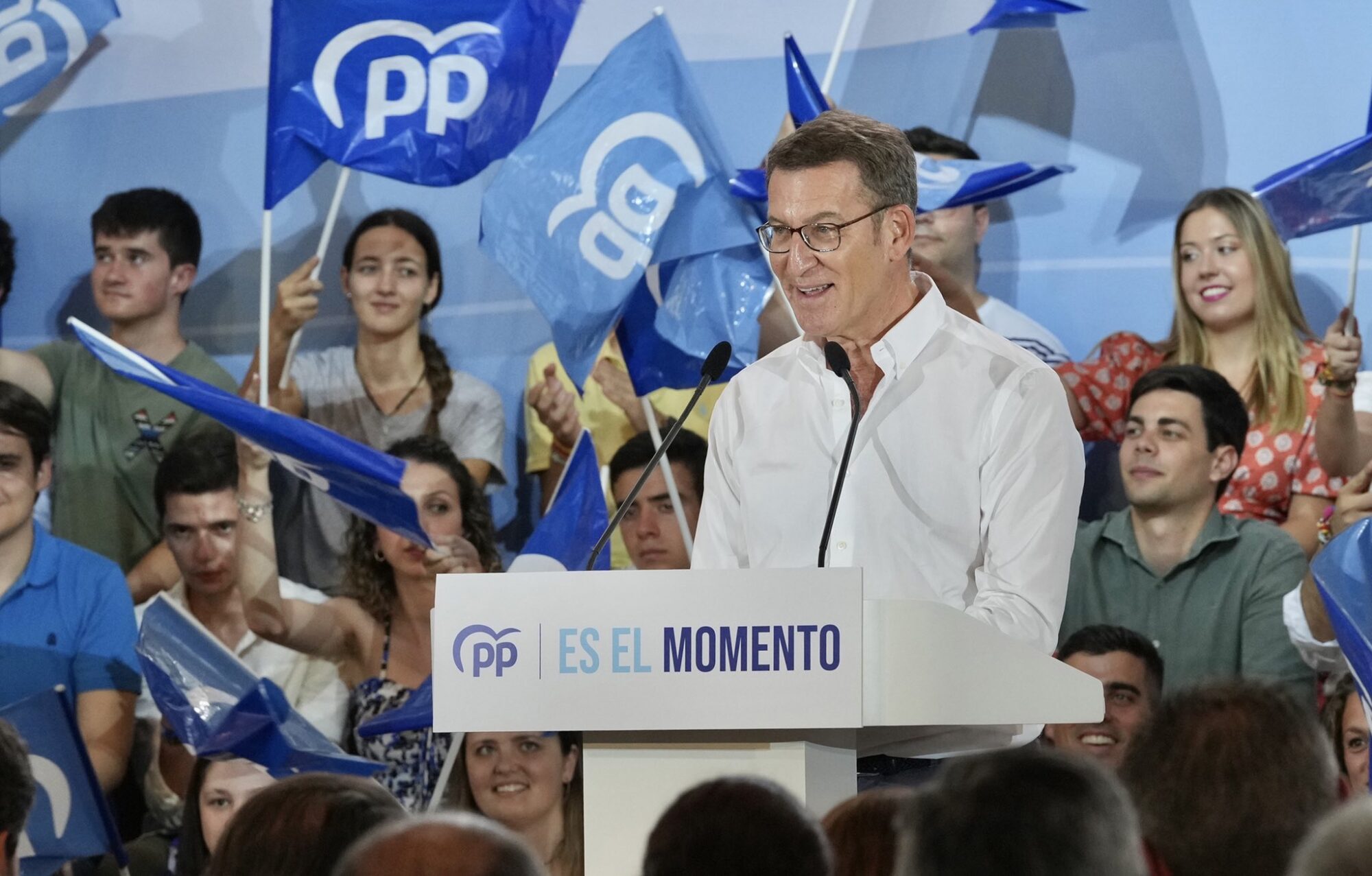
The Partido Popular is solidifying its lead in the final ten-day stretch of the campaign, despite socialist accusations warning that a coalition between conservatives and VOX will revive Francoism.

Spain’s president appears to be paying for his personal political travel expenses with taxpayer money.

Apart from VOX, whose position as third largest party in the country and junior party in a future coalition with the PP is likely, a few more parties are worth mentioning.
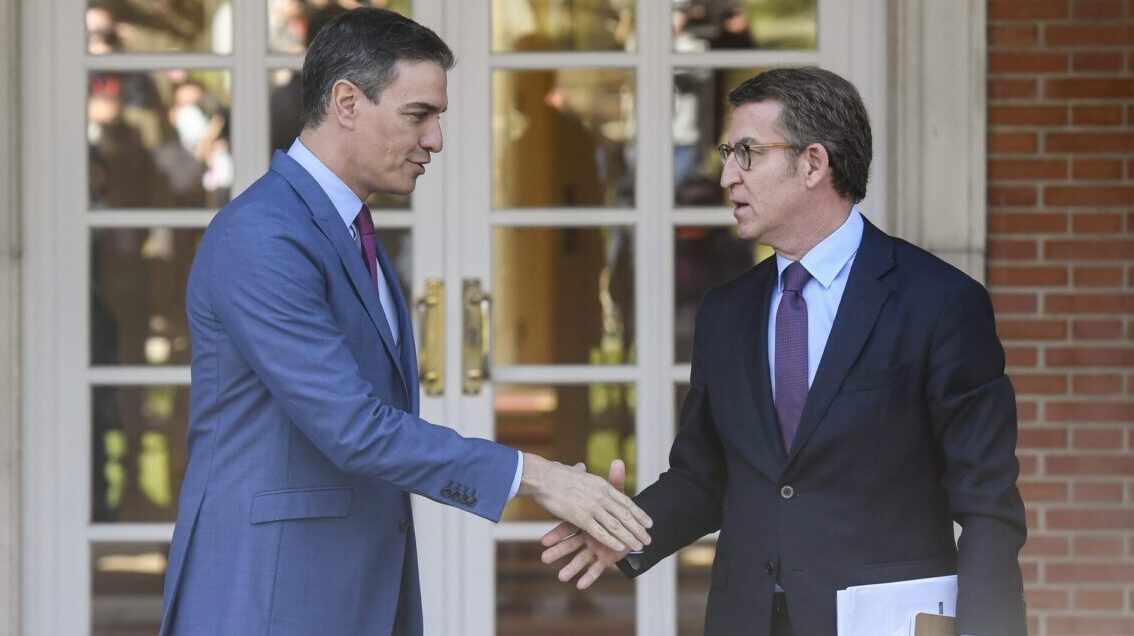
It is dubious that Spain’s likely PP-led government will allow VOX to steer it away from its commitments to the UN’s 2030 Agenda, or away from acting like a slightly less ‘woke’ PSOE.
The crux of the matter for the PSOE was the high number of votes the polls predicted the rival party, the centre-right Partido Popular (PP) would win.

By calling for early elections, Sánchez is likely working to deny the country’s right-of-center opposition any additional time to further increase its share of the vote.