

Europe’s Spiritual Battle: The Bataclan Massacre 10 Years Later
When we dismiss God, dismember truth, and deconstruct identity, we do not become free—we become fragile.

When we dismiss God, dismember truth, and deconstruct identity, we do not become free—we become fragile.
What’s sold as diversity often collapses into a uniform culture of consumerism—eroding the deeper human needs for friendship, family, and truth.

The common factor amongst the perpetrators is not nationality or ethnicity but Islam, and the common factor amongst the victims is that they are non-Muslims.
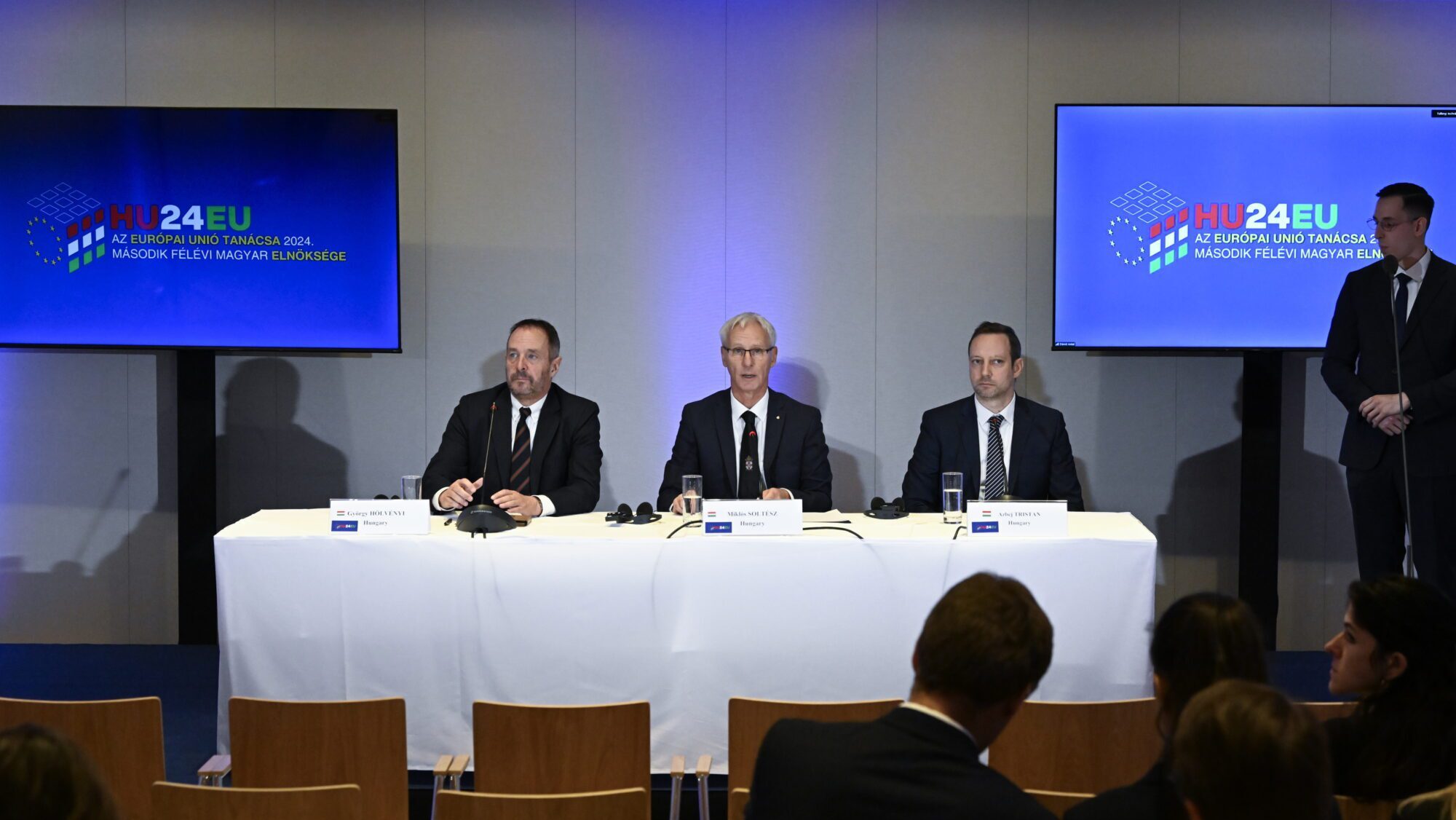
A conference in Budapest highlighted the dangers of embracing neo-Marxism and pro-migration policies for Europe’s future.

In ancient cultures, a great building was “a reminder that the purpose of life on earth was to prepare for the hereafter.”

In an era where disenchantment seems to permeate every aspect of modern life, is there a way to revive the sense of wonder and connection to tradition that once defined our worldview? In this episode, Charles A. Coulombe argues that re-enchantment requires more than a superficial return to old ways.
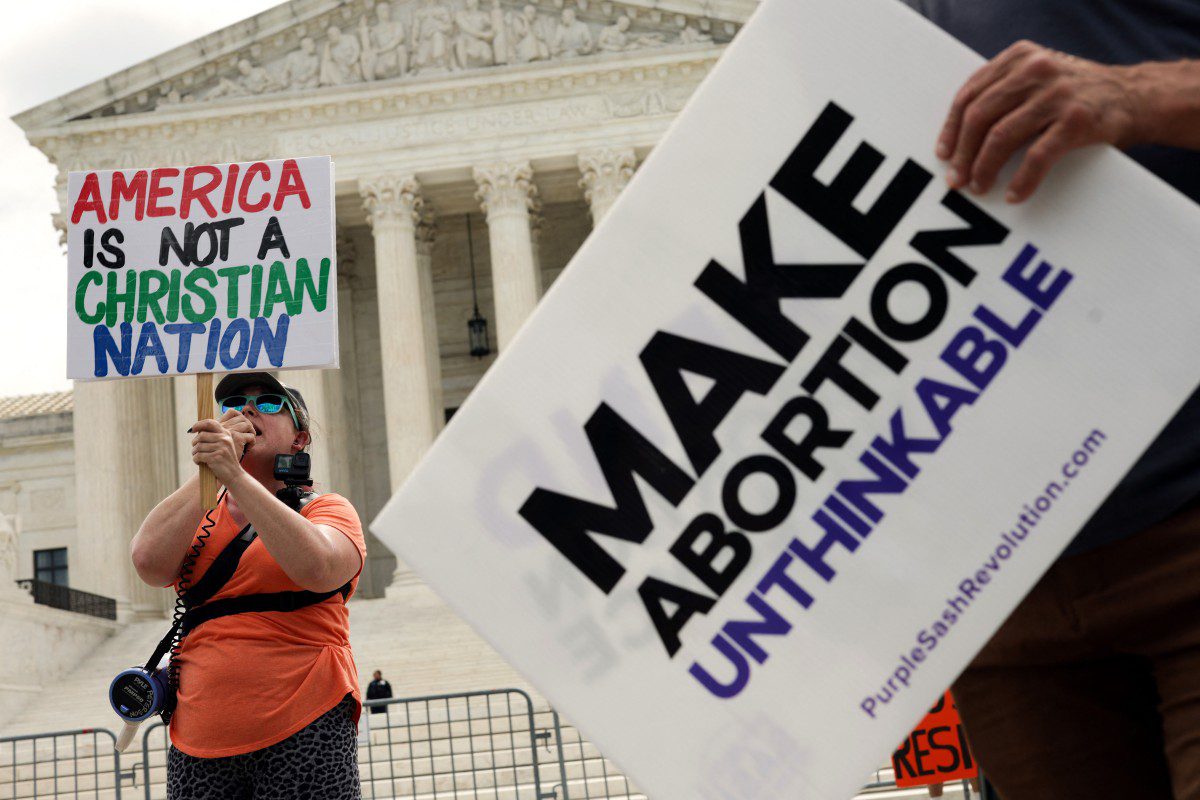
What U.S. pro-lifers can learn from their European counterparts
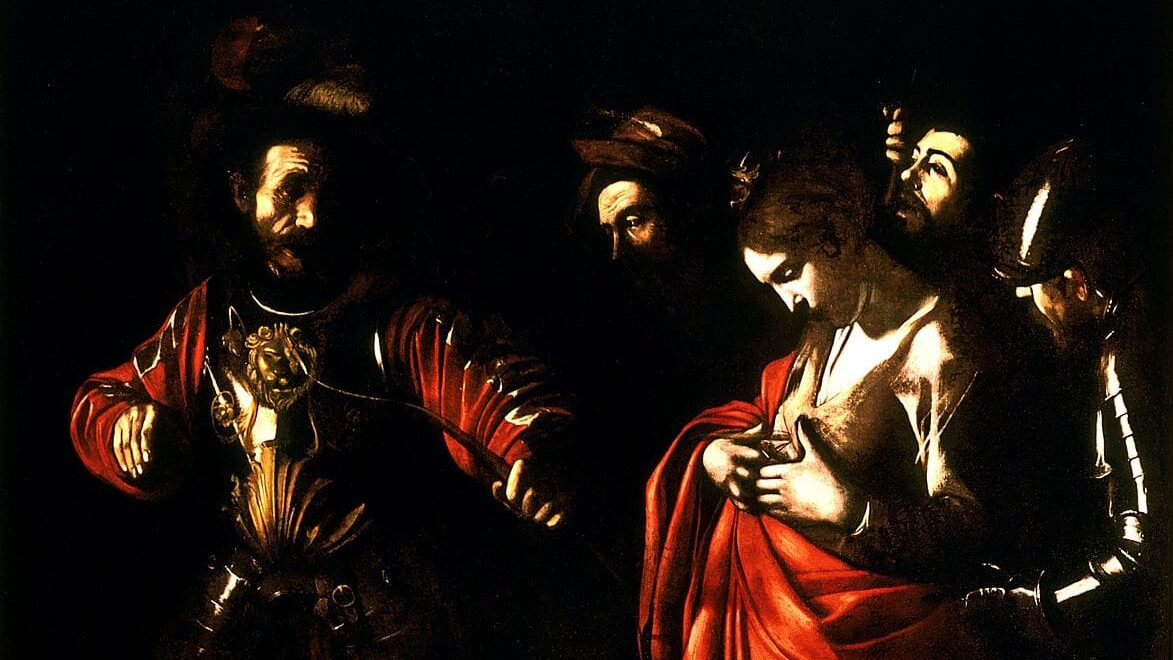
The National Gallery defies the historical relativism for which British galleries have become infamous.
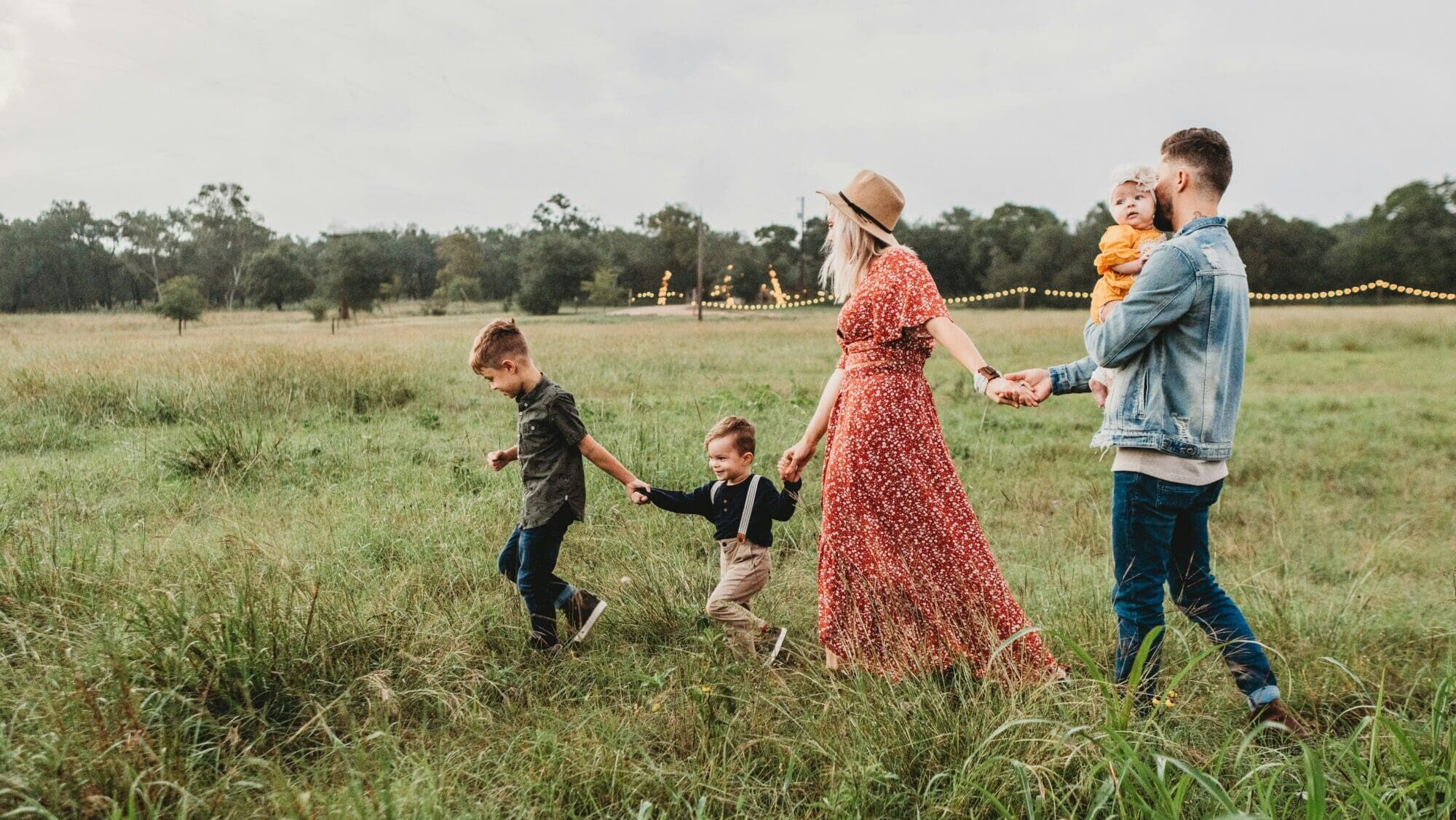
In Hannah’s Children, Catherine Pakaluk argues that tinkering and technocracy won’t save the West from its demographic decline.
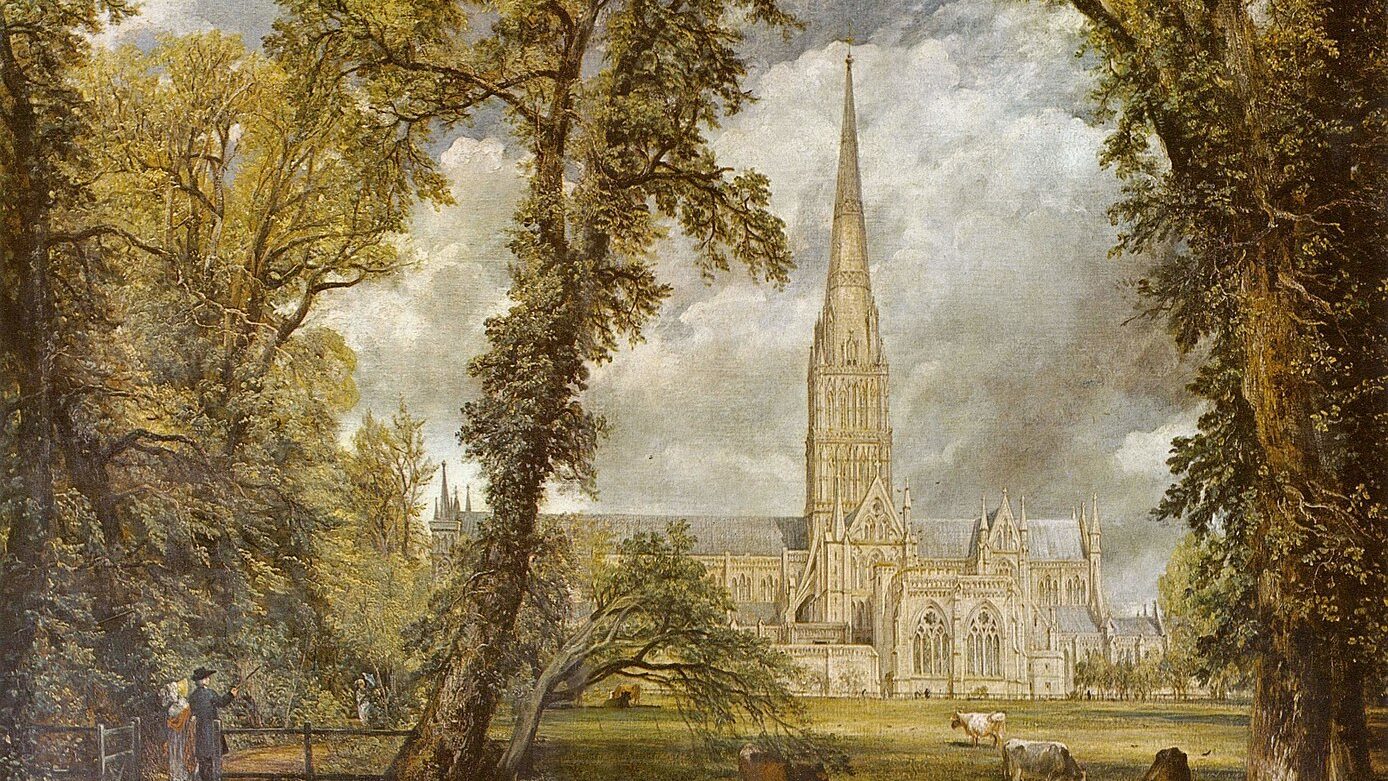
Until the conversation orbits the sacrality of what Roger Scruton called ‘homecoming,’ we will be stuck with a politics of empty promises.