Four Years of Sanctions: Russia Endures, Europe Pays the Price
Sanctions have reduced the Kremlin’s margins, but they have neither curbed its exports nor eased Europe’s energy crisis.

Sanctions have reduced the Kremlin’s margins, but they have neither curbed its exports nor eased Europe’s energy crisis.

While the Commission claims it does not want to swap one dependency for another, it is helping entrench a more expensive energy model increasingly controlled from Washington.

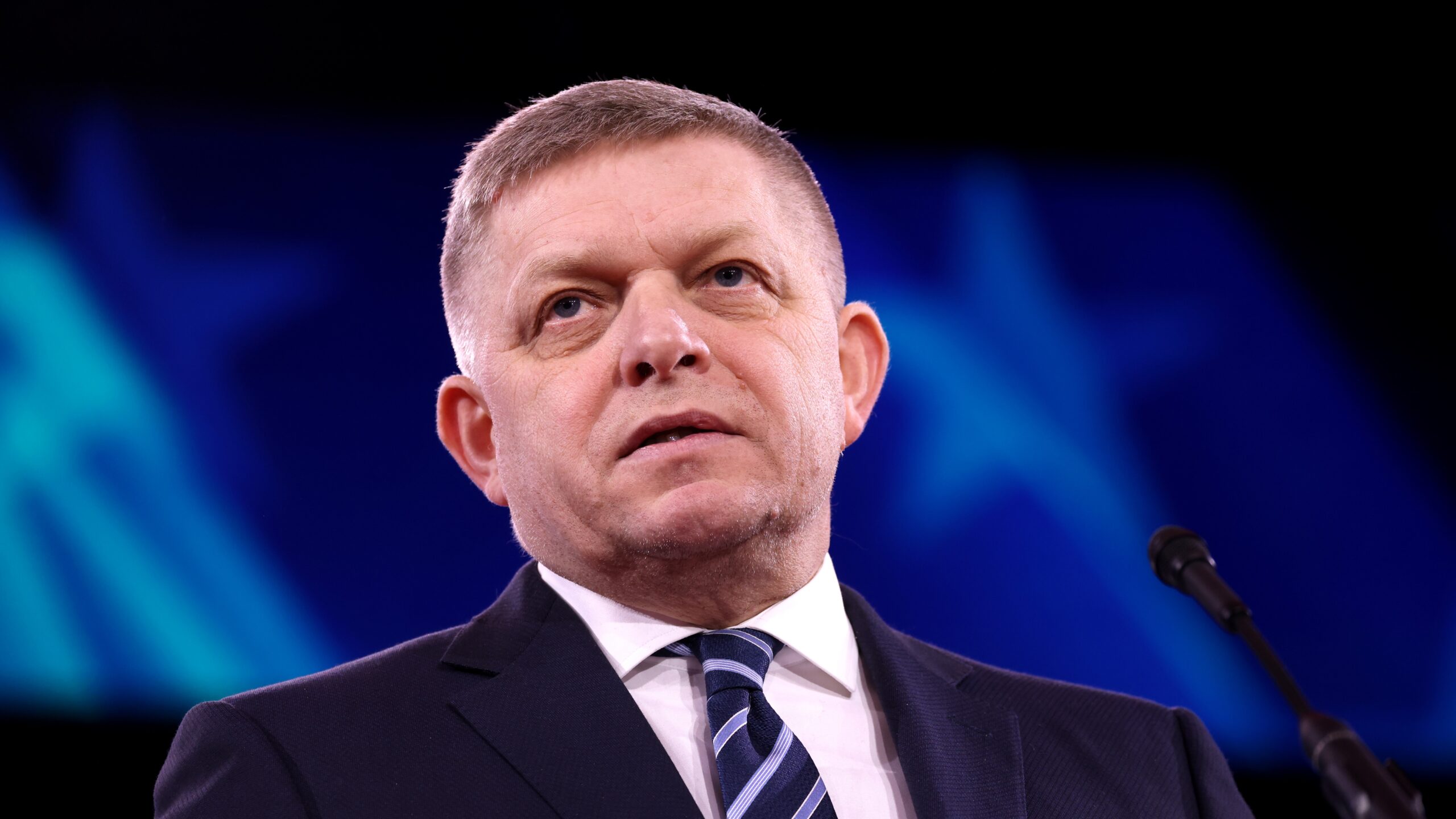
Prime Minister Robert Fico said Bratislava would challenge the EU’s plan to end imports of Russian natural gas, joining neighbouring Hungary in opposing the move.

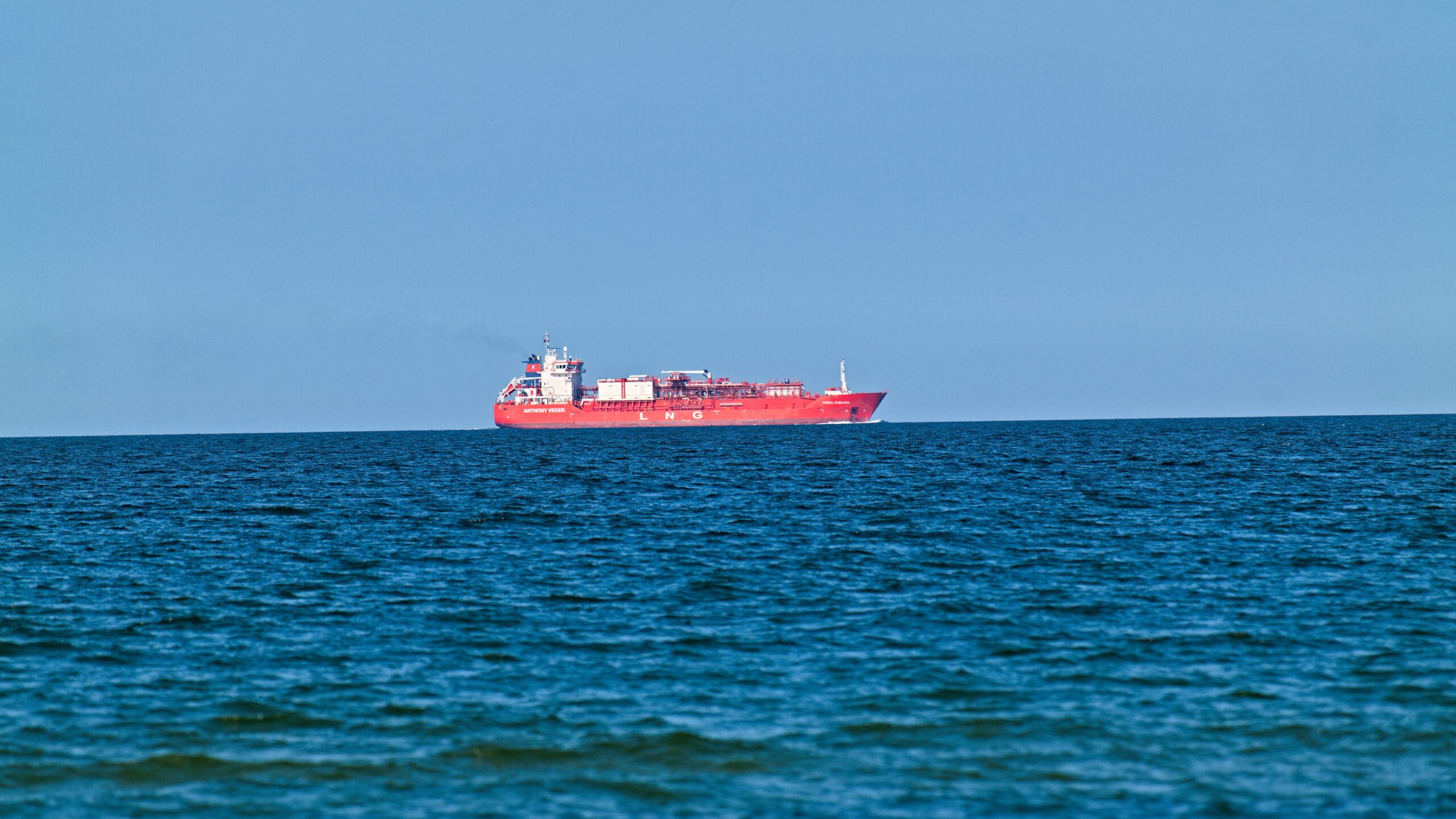
The long-promised ban on Russian gas is now law—but replacing it with U.S. LNG is expected to come at a higher price.

Slovakia pressed for alternatives to Russian fuel while the two countries advanced plans for shared defence manufacturing.

A mooted end to long-term pipeline contracts—and its timetable—must still get final approval from the European Parliament and member states.

Today’s talks will mark the fourth meeting between Orbán and Putin since the war in Ukraine began.

Slovakia’s government has ordered a full review of the EU’s gas-ban plan, arguing that Brussels is ignoring commitments made in return for lifting an earlier veto.

EU lawmakers are pushing a no-exemptions Russian energy ban, despite warnings that Hungary’s backup pipeline can’t meet the country’s needs.

The plan to phase out Russian gas completely is dividing Europe.