

The EU Escape: Merz’s Flight From Democratic Responsibility
Rather than fighting hard political fights at home, German politicians hide behind Brussels.

Rather than fighting hard political fights at home, German politicians hide behind Brussels.

By bankrolling organizations that ordinary Germans would never voluntarily support, the state has created an artificial network of antisemitic quasi-lobbyists.

In the Kafkaesque reality of Germany’s speech laws, anonymous functionaries can trigger police raids, with intimidation becoming the goal and the punishment.

The prize, this year awarded to Commission President von der Leyen, has functioned as propaganda accompanied by public disputes for years.
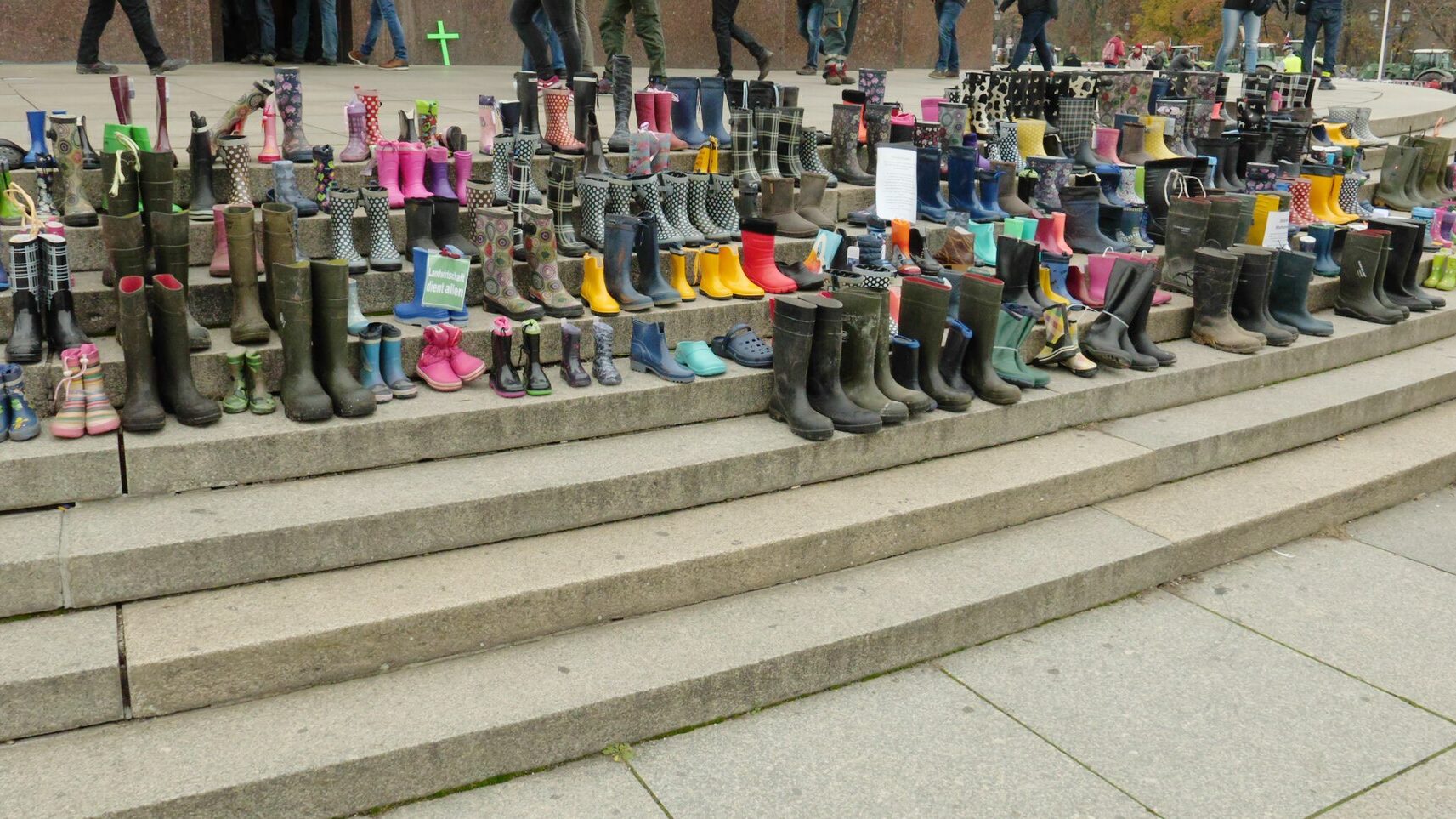
The mere possibility that today’s populists might stand on the side of justice in the fight for Freyheit terrifies their opponents.

The establishment’s authoritarian power plays are eroding the already low level of public trust.

If the SPD and CDU can barely muster a majority even when combined, it’s because they’ve lost the ability to genuinely represent majority concerns.

The incident of a failed asylum seeker identifying as transgender exposes the dangerous absurdity of Germany’s self-identification law and its broken asylum system.
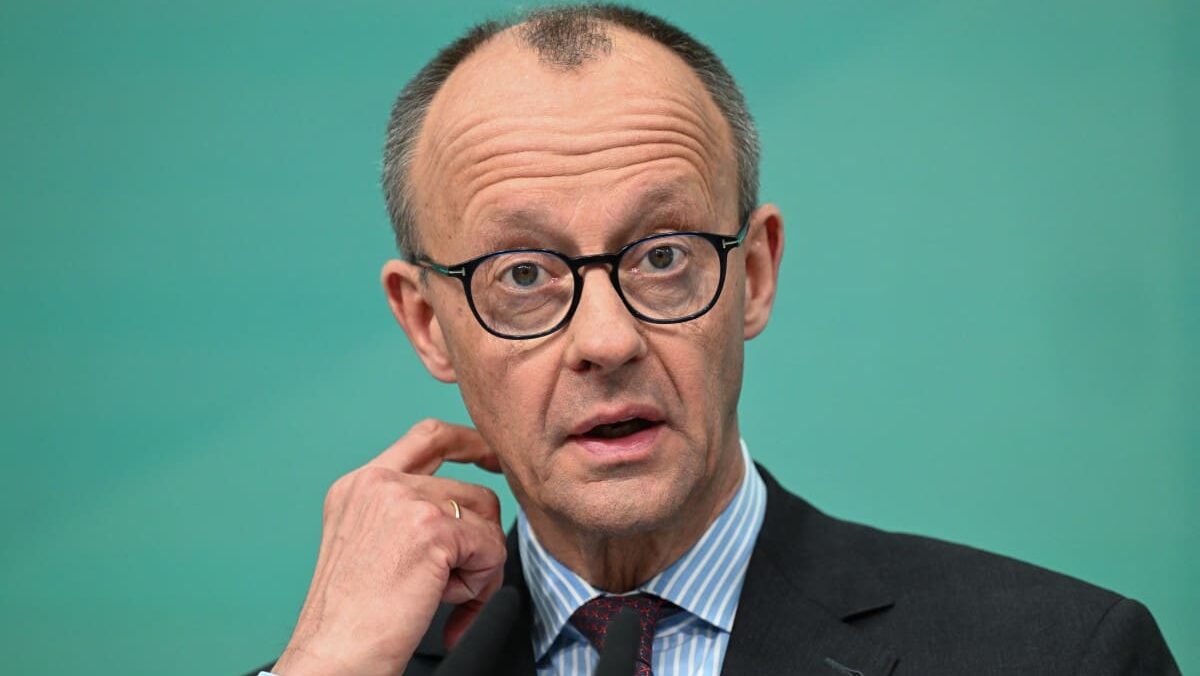
Many who wanted genuine conservative representation have long left the party.

The history of the ‘incitement of the masses’ law is a textbook example of the slippery slope of speech restrictions.