

Germany: Weakening Democracy Through False Consensus
If the SPD and CDU can barely muster a majority even when combined, it’s because they’ve lost the ability to genuinely represent majority concerns.

If the SPD and CDU can barely muster a majority even when combined, it’s because they’ve lost the ability to genuinely represent majority concerns.

The incident of a failed asylum seeker identifying as transgender exposes the dangerous absurdity of Germany’s self-identification law and its broken asylum system.

Many who wanted genuine conservative representation have long left the party.

The history of the ‘incitement of the masses’ law is a textbook example of the slippery slope of speech restrictions.

The establishment seems to have reached a point where maintaining the facade of democratic responsiveness is no longer even deemed necessary.

The CDU’s and SPD’s profound fear of change has granted the AfD its greatest momentum, emerging as Germany’s new “workers’ party.”
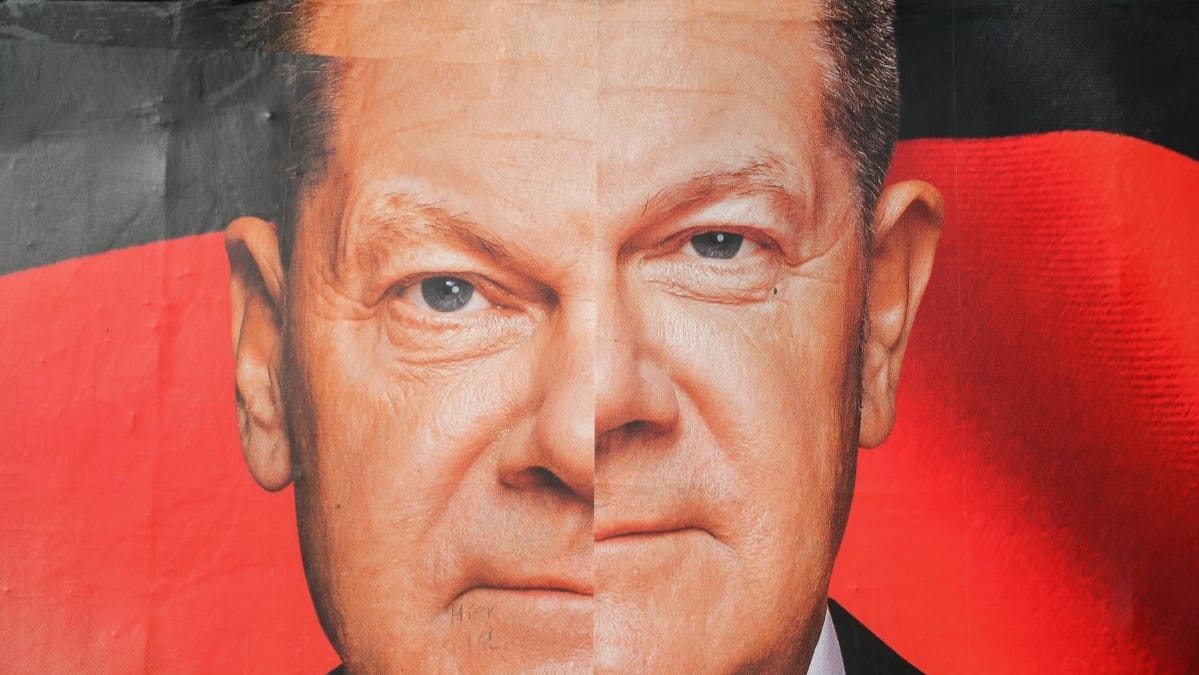
The government crackdown on free speech in Germany questions the very commitment of the country’s establishment to genuine democracy.
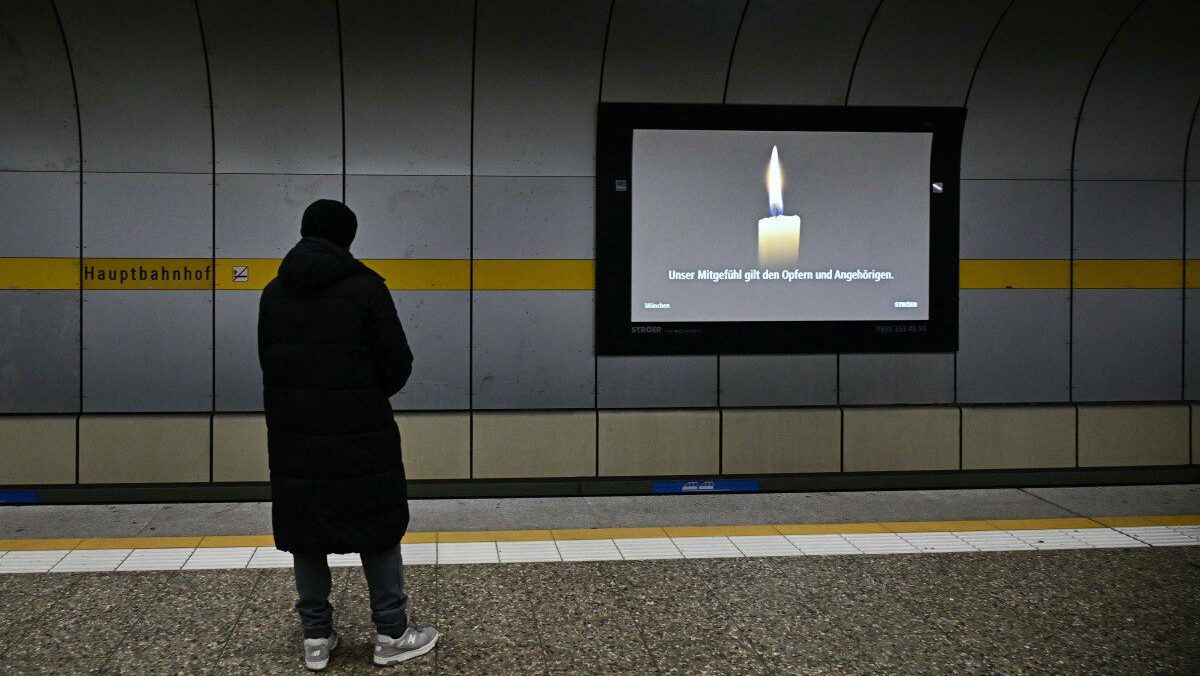
Each terrorist attack is followed by a coordinated effort from establishment voices to control the public narrative and deflect criticism of migration policies.
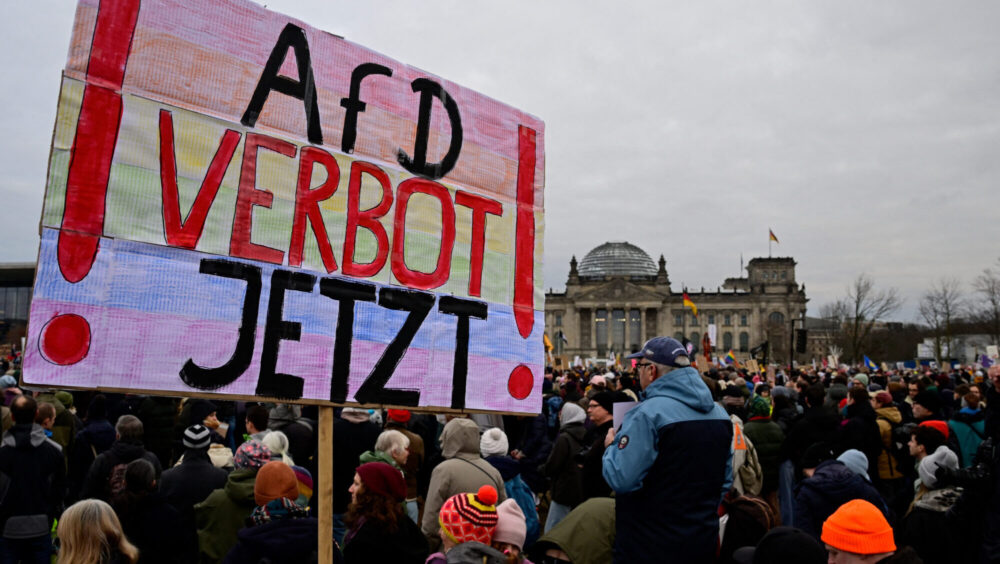
Desperate calls to ban the AfD show how scared mainstream parties are of populists—and by extension their voters.

The German establishment’s panic over Elon Musk reveals its true fear of the electorate.