
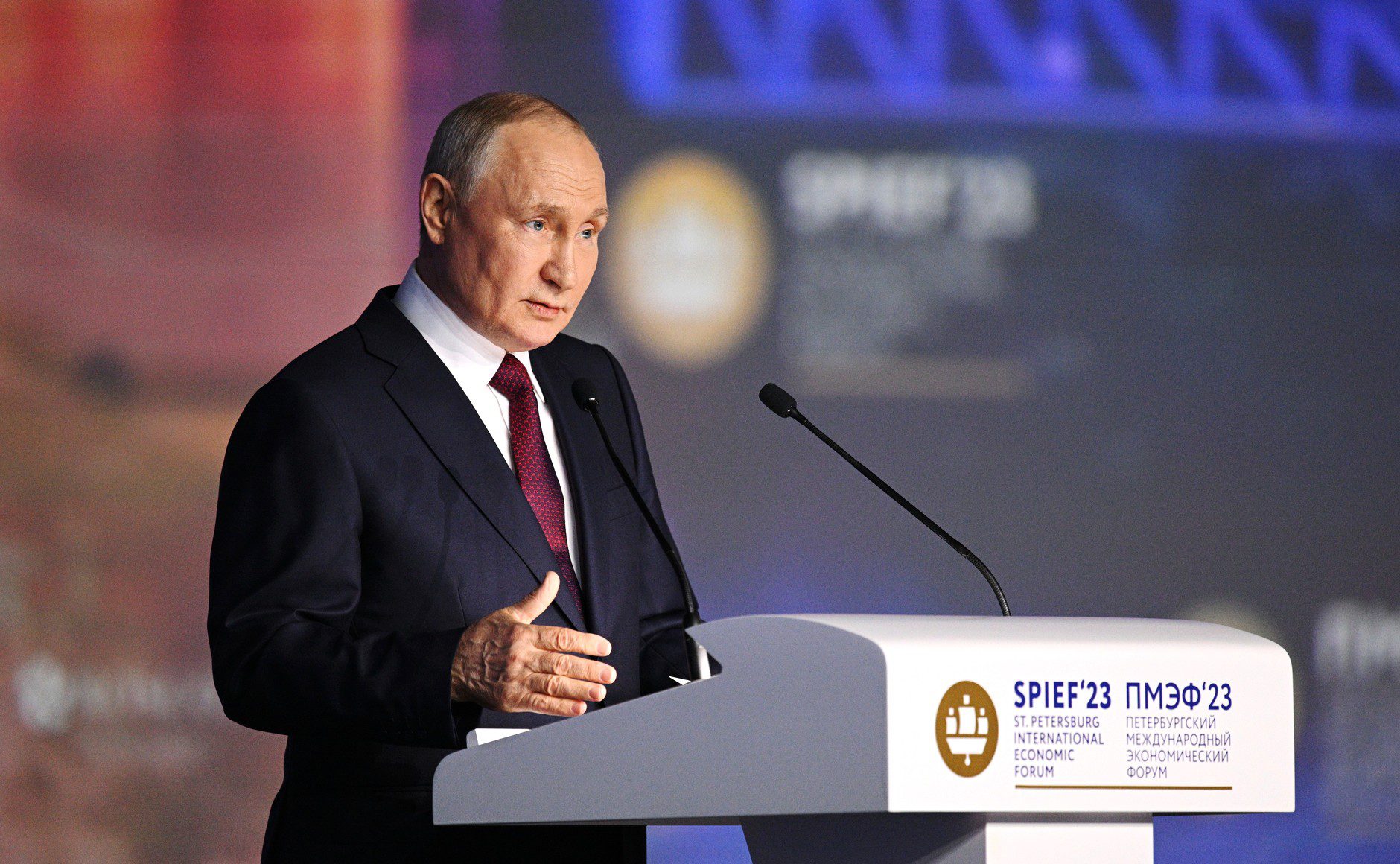
Davos on the Neva River: Putin Speaks at SPIEF
At the annual St. Petersburg International Economic Forum, the Russian leader took swipes at the West.

At the annual St. Petersburg International Economic Forum, the Russian leader took swipes at the West.

Meanwhile, Kosovo’s President Vjosa Osmani traveled to Strasbourg to give a speech in front of the European Parliament, where she said Pristina wants nothing but “good neighborly relations.”
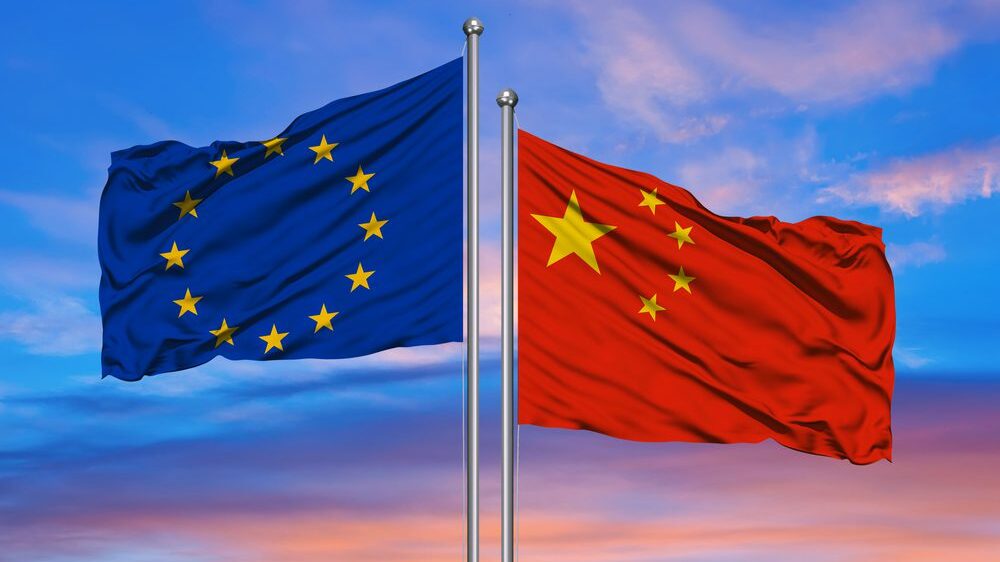
Hungary and Greece are believed to be the primary stumbling blocks to EU sanctions against Chinese companies accused of reselling Western military hardware to Russia.
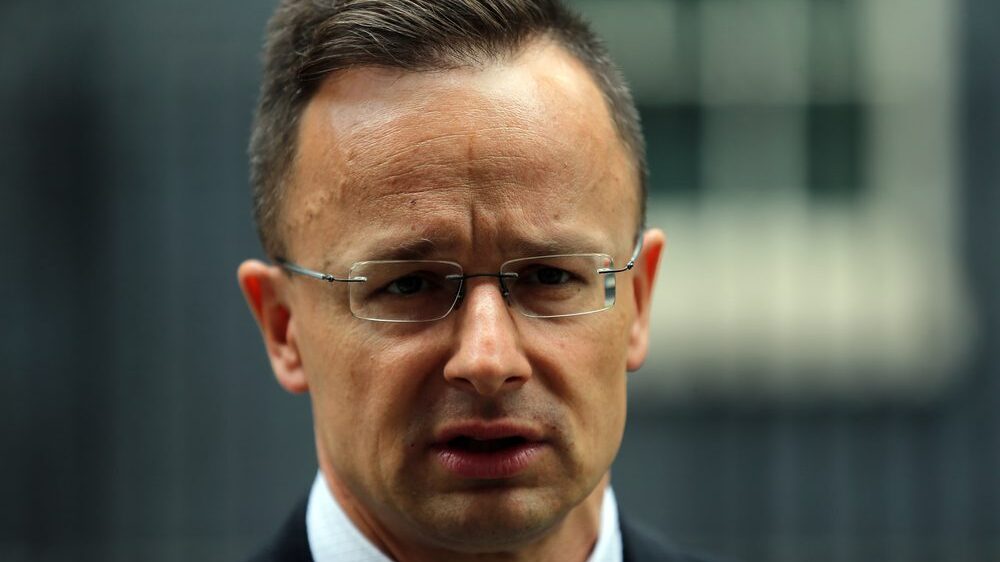
National sovereignty is complicated in a globalised world—even for Hungary.
More concessions from the Commission are to be expected as EU members remain divided on shutting down gas pipelines, barring deceitful vessels, and slapping third countries who help Russia with separate sanctions in fear of economic blowback.
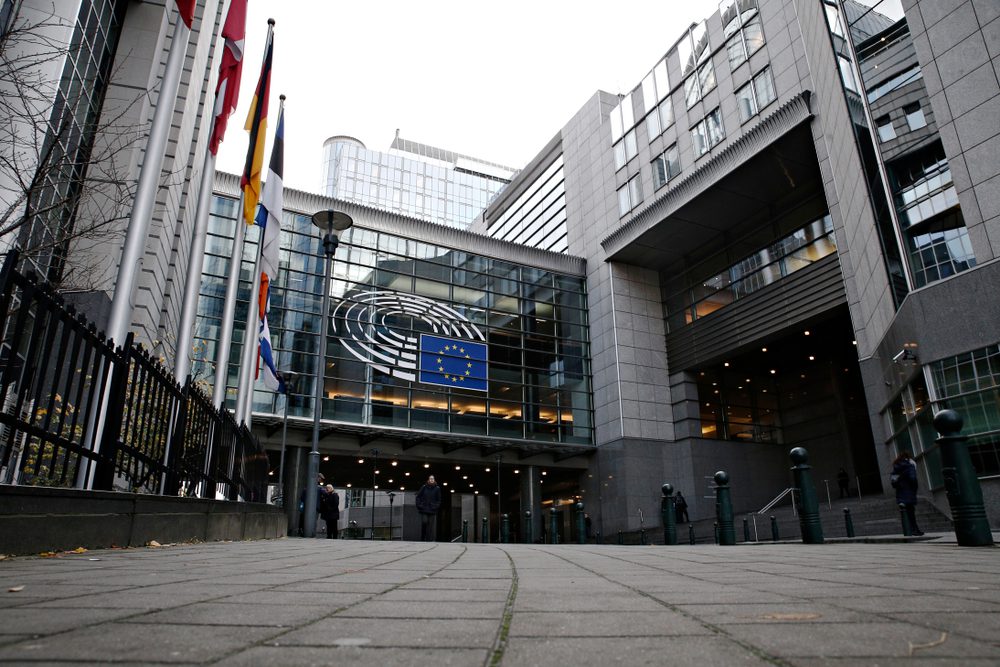
Three progressive MEPs called for the parliamentarians to be censured and subject to financial sanctions for their speeches.
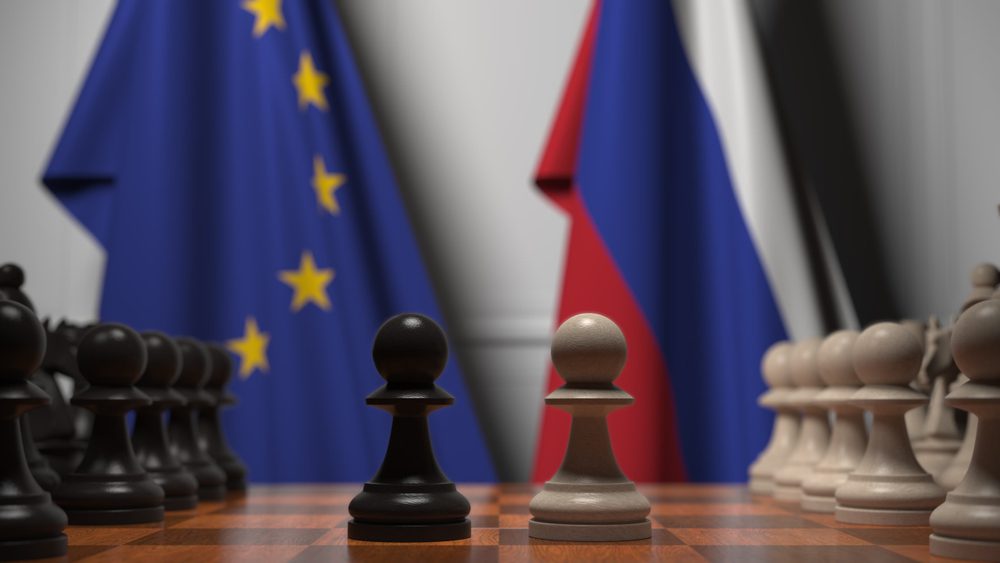
The Commission plans to sanction Turkey and China, among others, but it’s unlikely such a bold move would muster enough support in the Council.

While the move is reversible, the Kremlin contemplates more such asset seizures.
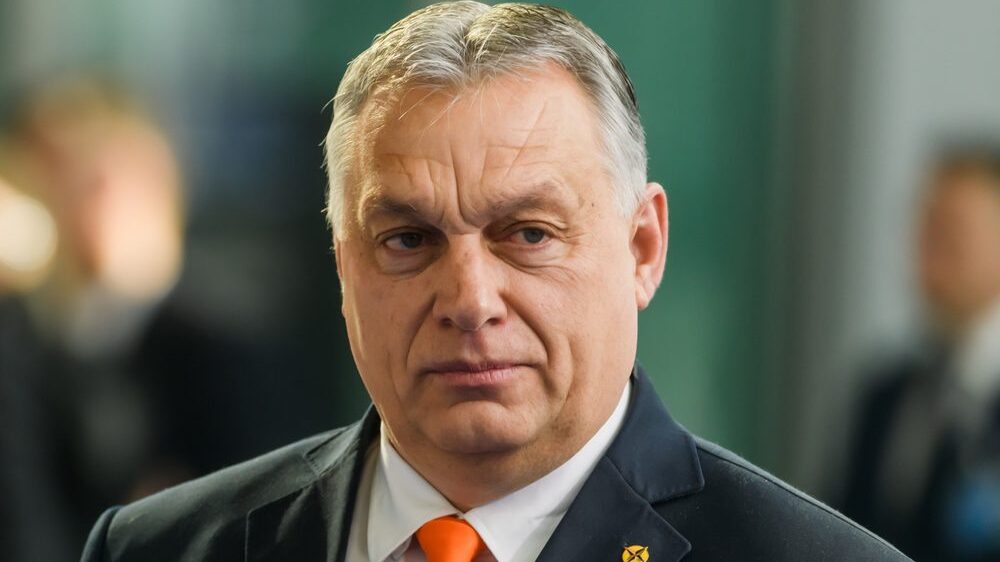
The Hungarian government will continue to resist the U.S.’s “plan to squeeze everyone into a war alliance,” Prime Minister Orbán said.
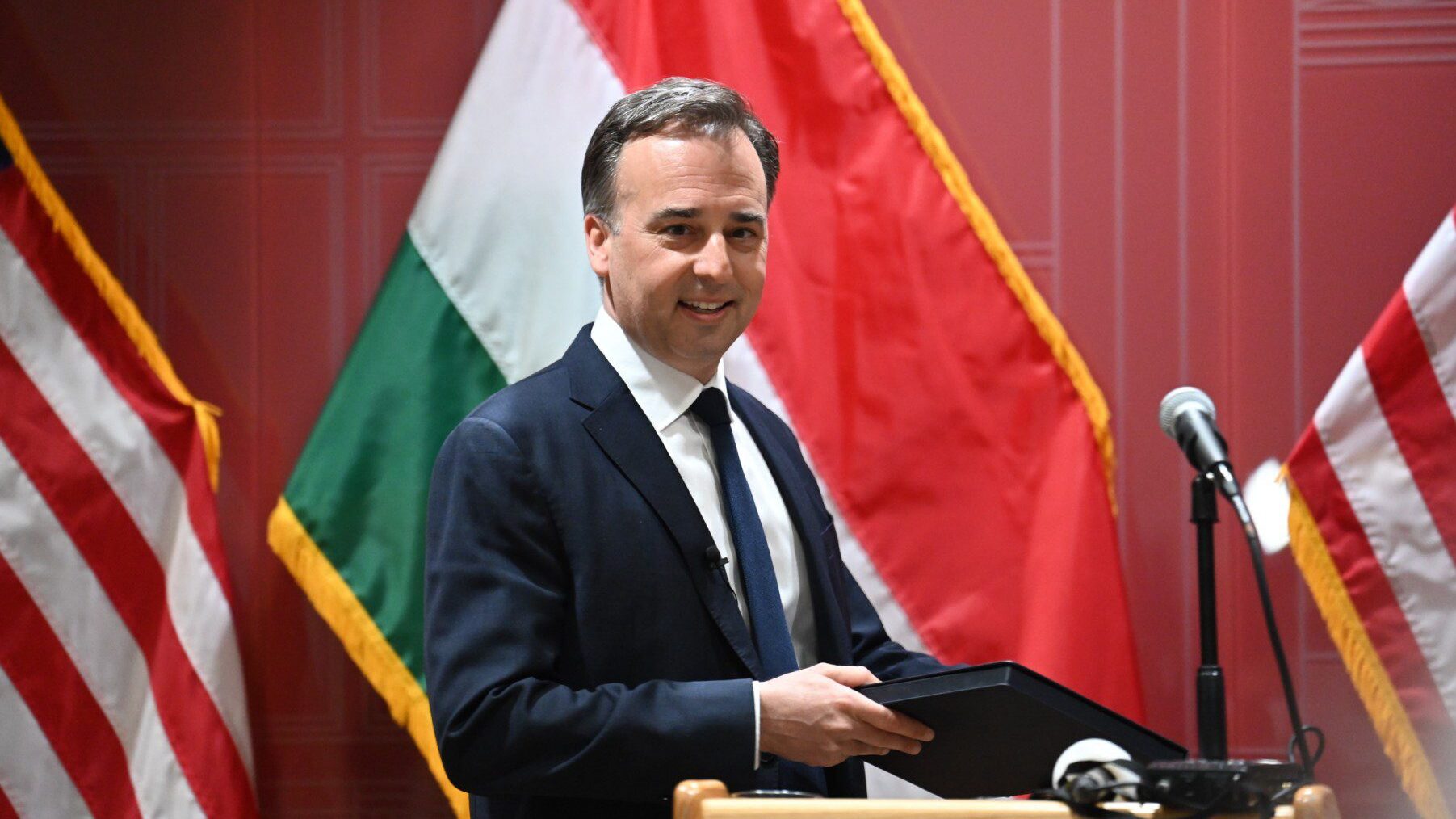
Punitive measures targeting the bank and its senior officials came as a part of a new sanctions package imposed by the U.S. against more than 120 organizations and individuals in more than 20 countries.