

Former Austrian Chancellor: Budapest Summit Marks a Historic Chance for Peace
“The agreement will require compromises that not everyone will like,” Sebastian Kurz says.

“The agreement will require compromises that not everyone will like,” Sebastian Kurz says.

A majority of Germans also believe the former chancellor made the wrong decision in 2015.

“If journalists like the election result, it’s democracy. If they don’t, it’s populism,” the former Austrian chancellor said in an interview.
The former conservative leader was acquitted after a panel of judges found no deliberate wrongdoing in his parliamentary testimony.

Austria’s former Chancellor Sebastian Kurz, once hailed as a political wunderkind, faces three years in prison over charges of making false statements. The trial commences in October.
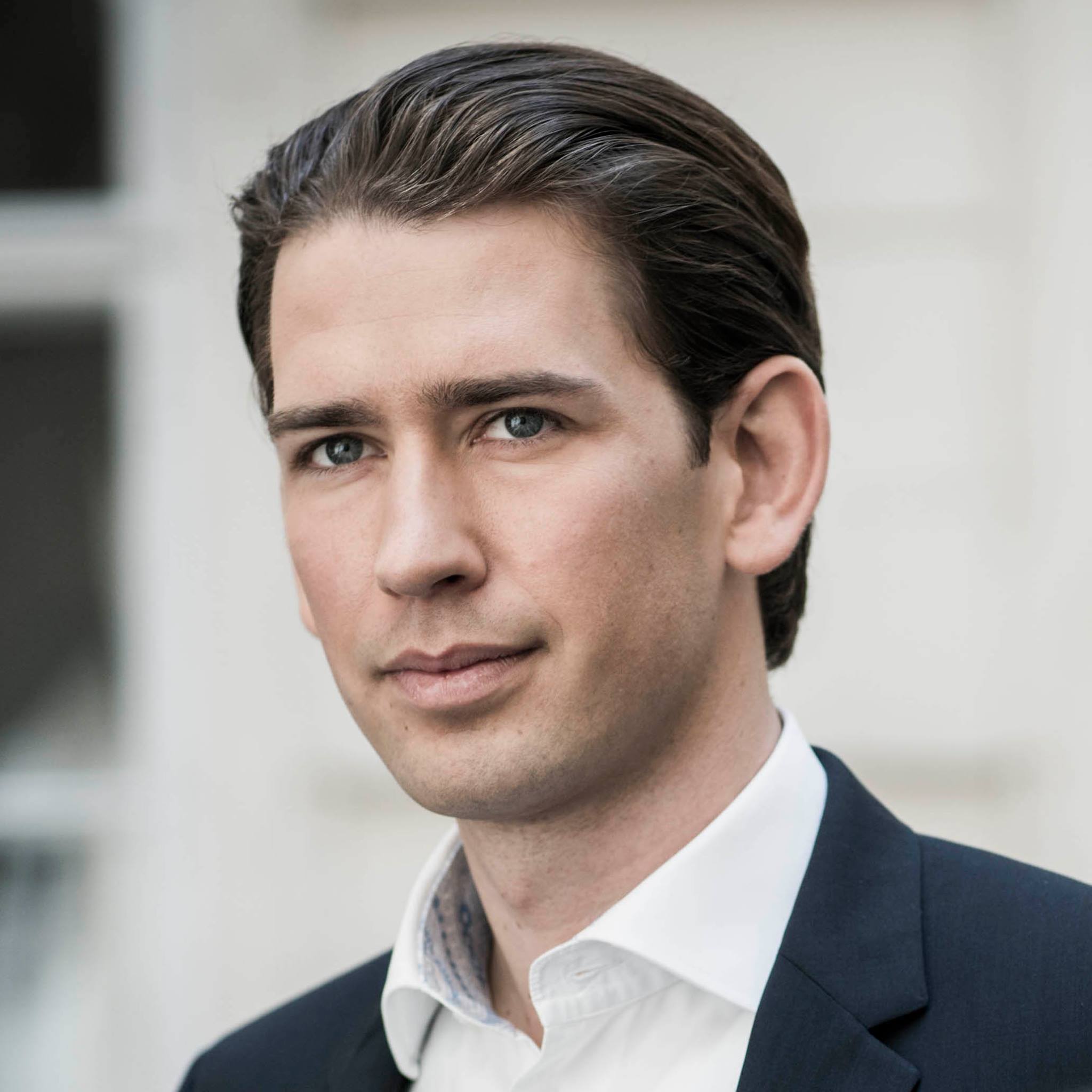
Last year’s allegations that Kurz—once considered the golden boy of the European Right—and his inner circle bribed a media outlet to manipulate opinion polls, had rocked Austrian politics.

The point with the minimum age is not the number, but the notion that statesmanship is a slowly acquired asset. It takes time to build the experience, the skills, and all the intangible qualities that the leader of a nation must possess.
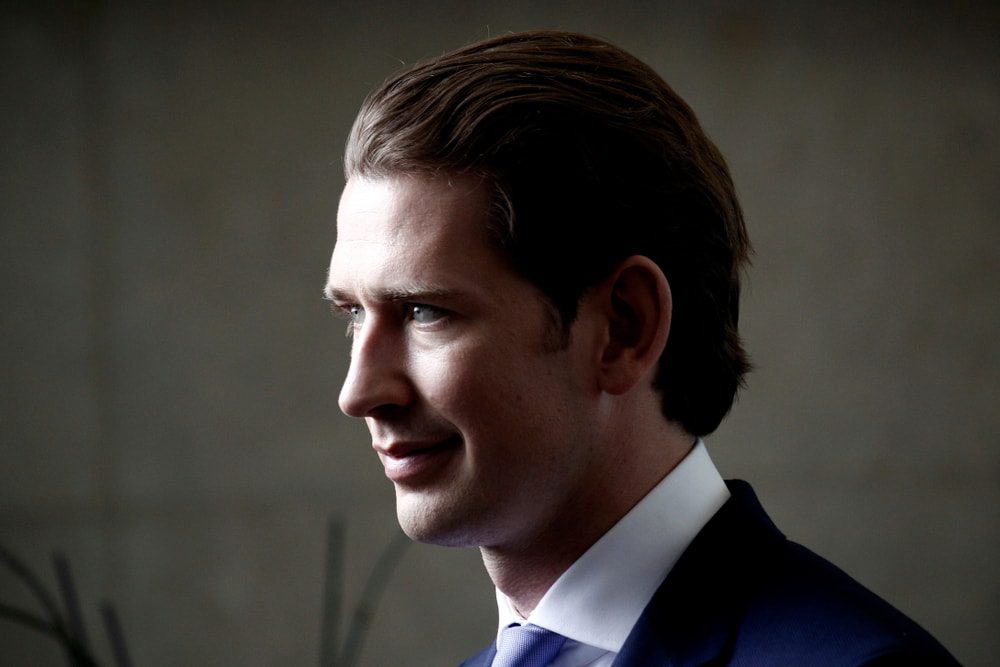
After a series of scandals, former conservative shooting-star Sebastian Kurz has fallen from grace. But instead of showing personal accountability, he became the latest example of an ex-politician landing softly in advisory boards of multinational companies and NGOs.
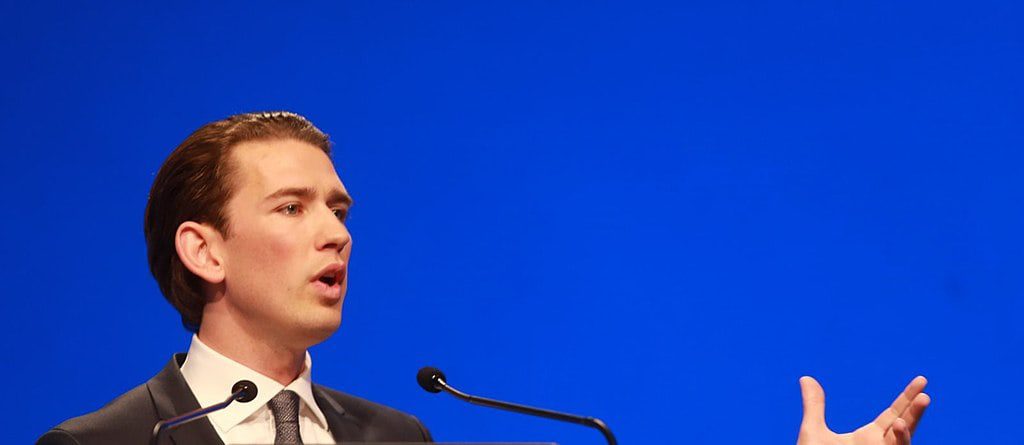
The embattled ex-chancellor took to Twitter, saying he was “honored to join the European Council on Tolerance and Reconciliation as co-chairman together with Tony Blair!”
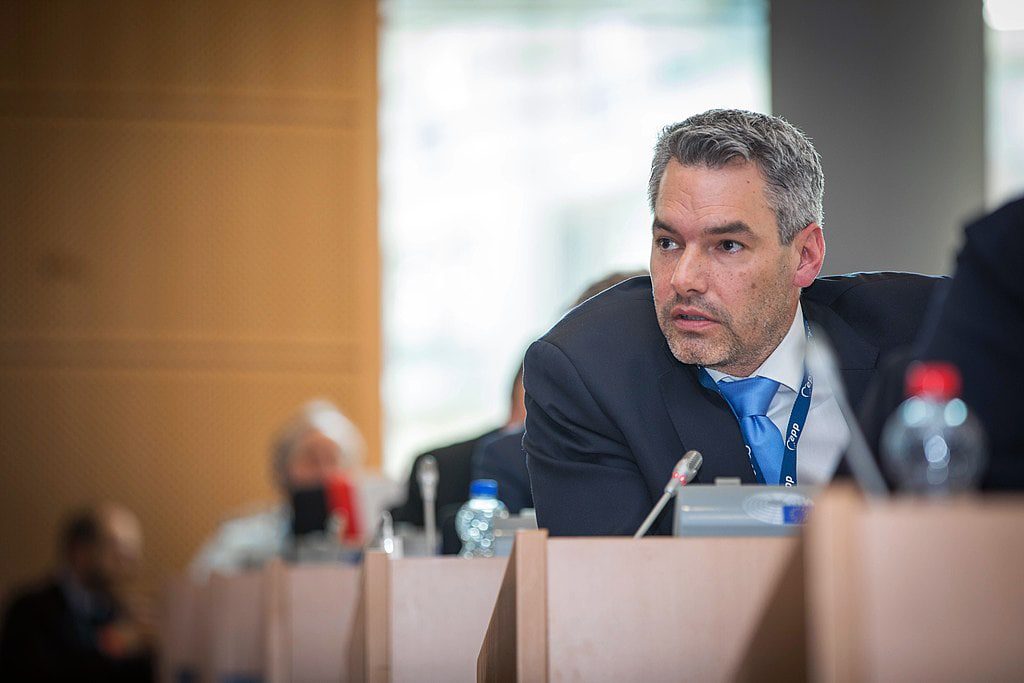
The swearing-in ceremony, which saw Nehammer and five ministers assume their respective positions, took place on Monday afternoon and comes just days after former Chancellor Alexander Schallenberg—who spent less than two months at the helm of the country—announced his resignation.