

Rome Protests as Kremlin Targets Italian President
Relations between Italy and Russia deteriorate further after President Mattarella is accused of spreading “hate.”

Relations between Italy and Russia deteriorate further after President Mattarella is accused of spreading “hate.”
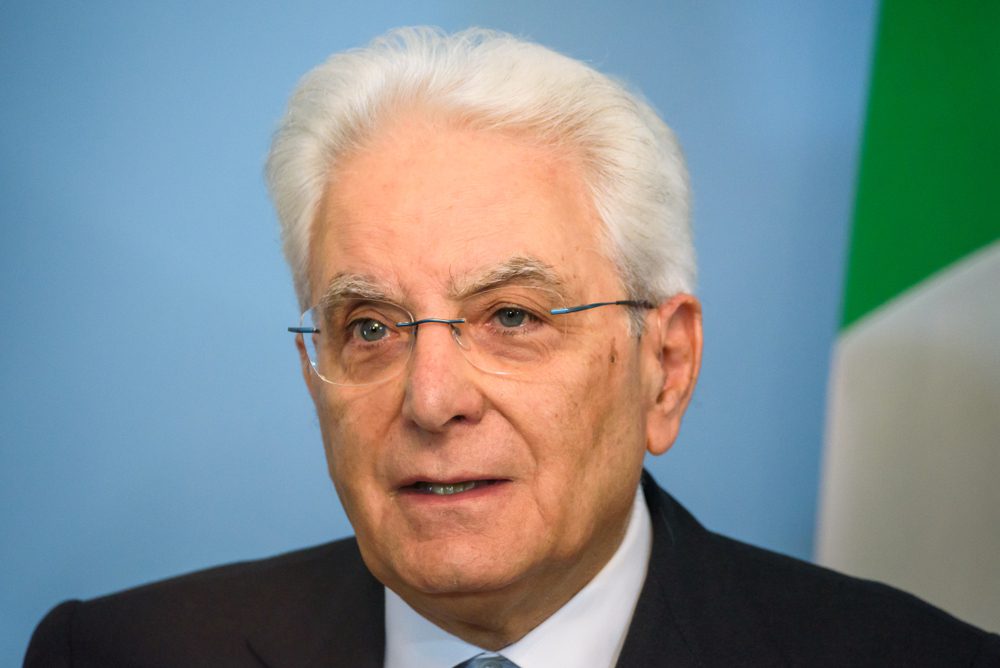
Mario Draghi’s ability to reform the Italian state was seen by Brussels as the fruit of a new European solidarity mechanism—a recovery plan financed by a common debt. These prospects have collapsed like a house of cards.
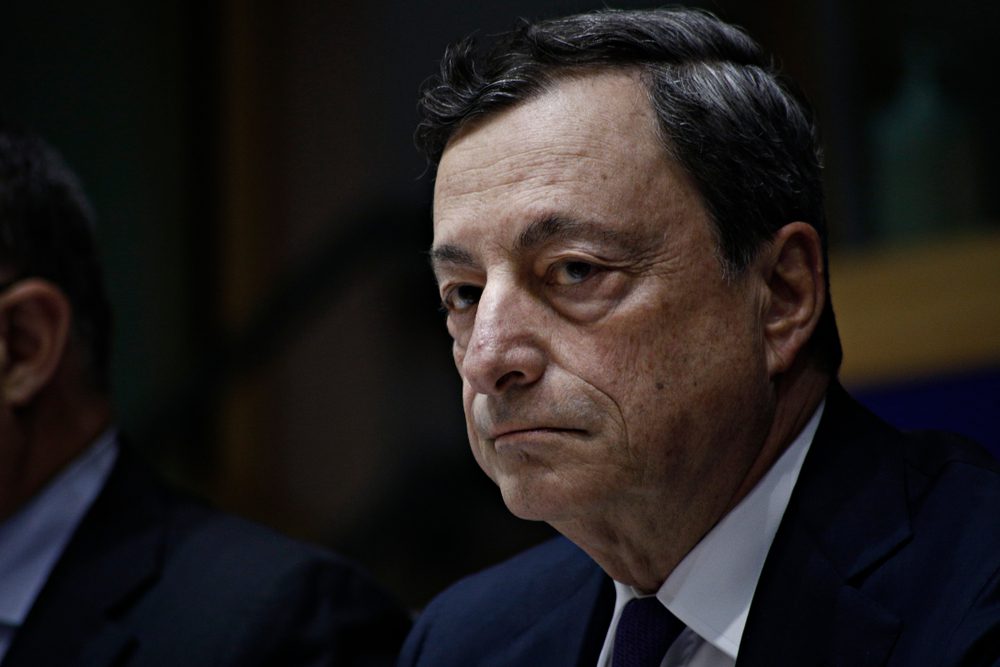
A vote of confidence is being held in both houses of parliament on Wednesday and Thursday. Draghi called on senators from his coalition to show responsibility in order to “rebuild” a “pact of confidence.”
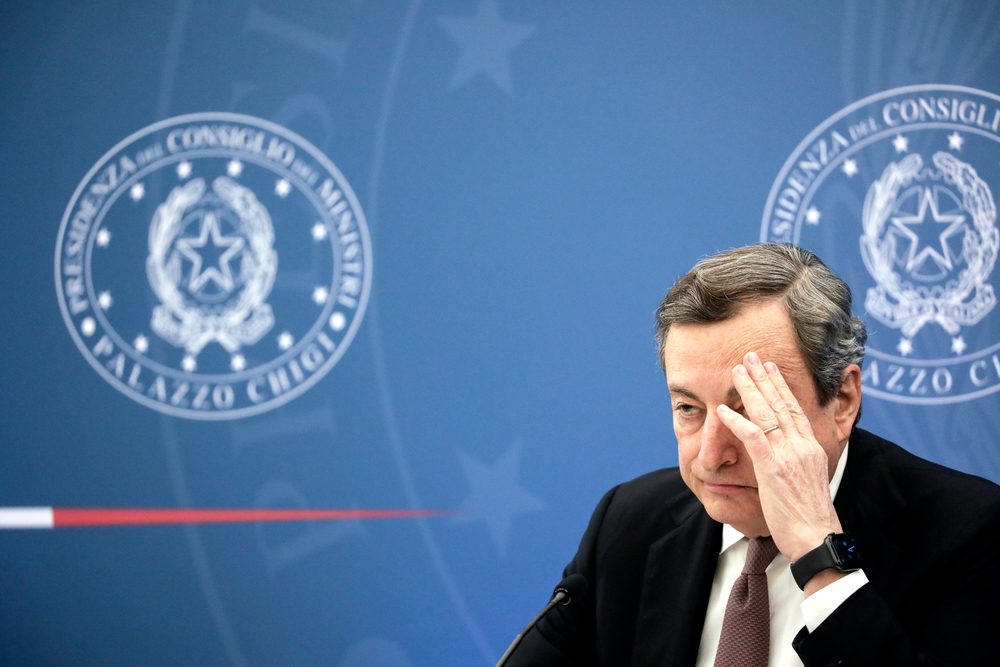
In a statement, Prime Minister Mario Draghi said that “the national unity coalition that backed this government no longer exists.”
The re-election of the outgoing president was the only solution that the Italian political class could find to ensure that Prime Minister Mario Draghi—who appeared to be the only one able to reassure the financial markets and ensure the proper implementation of the stimulus plan for Italy—would remain in government.
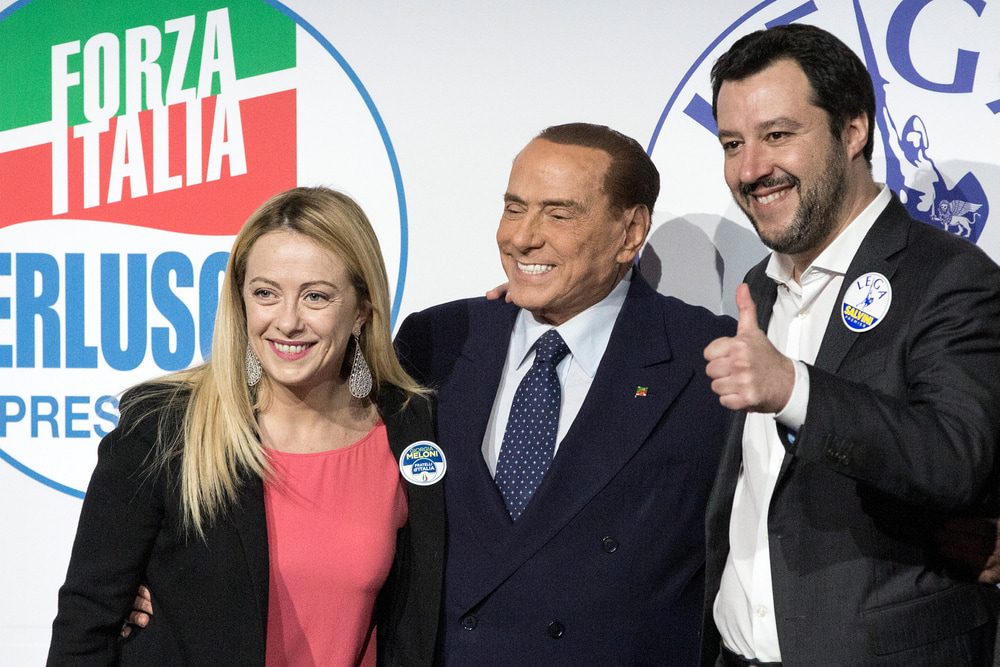
The choice of the Italian president is the result of complicated negotiations between the different parties. For many years, the position has remained in the hands of the centre-left, but the right-wing, which nowadays has a relative majority, may be able to win the vote for the first time since the demise of the Christian democracy in the 1990s.