
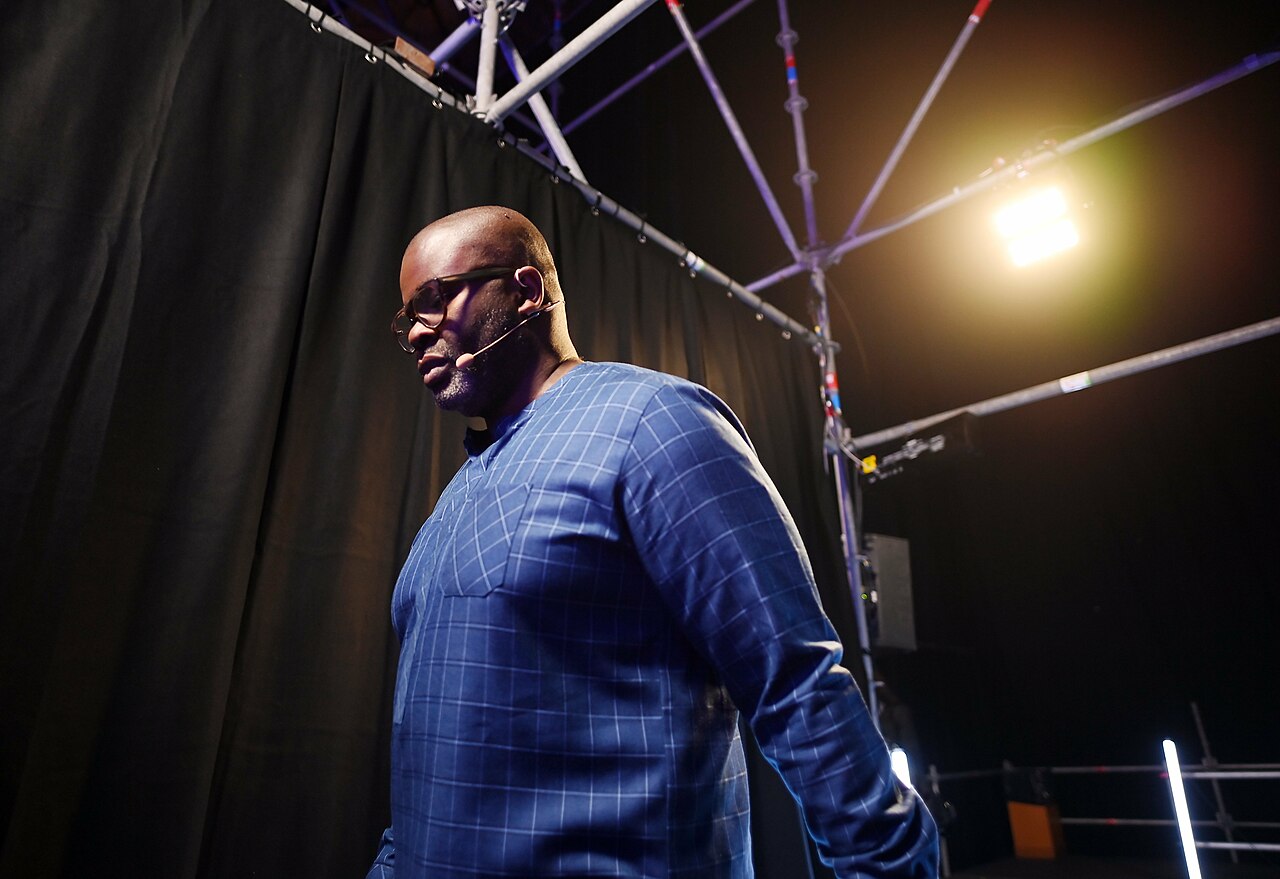
Labour Urged to Investigate Southbank Centre Boss Over Antisemitism Claims
The UK Shadow Culture Secretary has called on the government to probe a key London arts administrator who compared Reform UK voters to Nazis.

The UK Shadow Culture Secretary has called on the government to probe a key London arts administrator who compared Reform UK voters to Nazis.

Denouncing Qatar’s interference at the highest levels would be “racist.”
Social media platforms should lose “liability privileges” and take responsibility for content, says the Bavaria-based state media authorities chair—who also admits “we actively search the internet for violations using AI.”
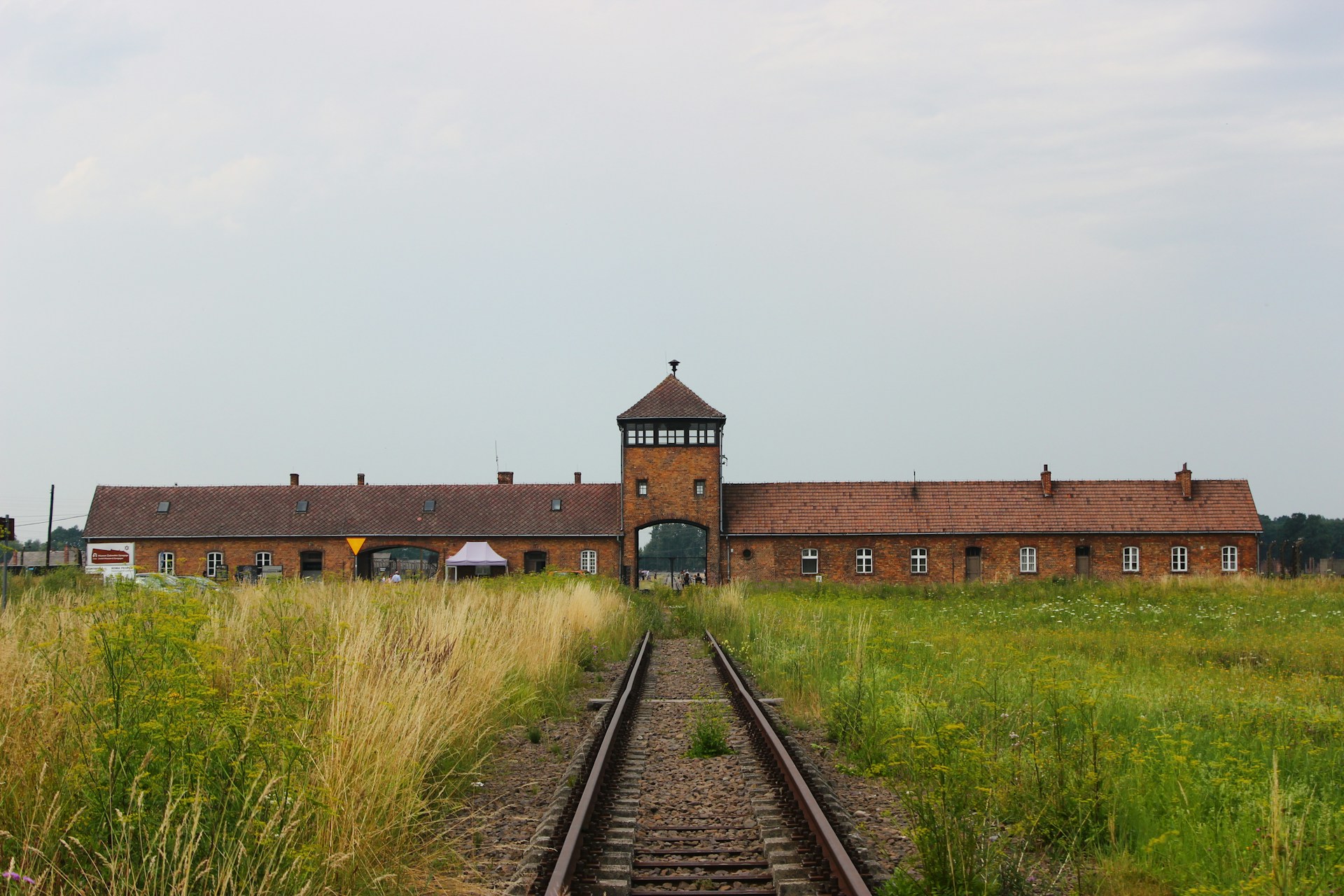
As students trade textbooks for TikTok videos, history teachers in the Netherlands face a ‘digital pandemic’ of Holocaust denial.
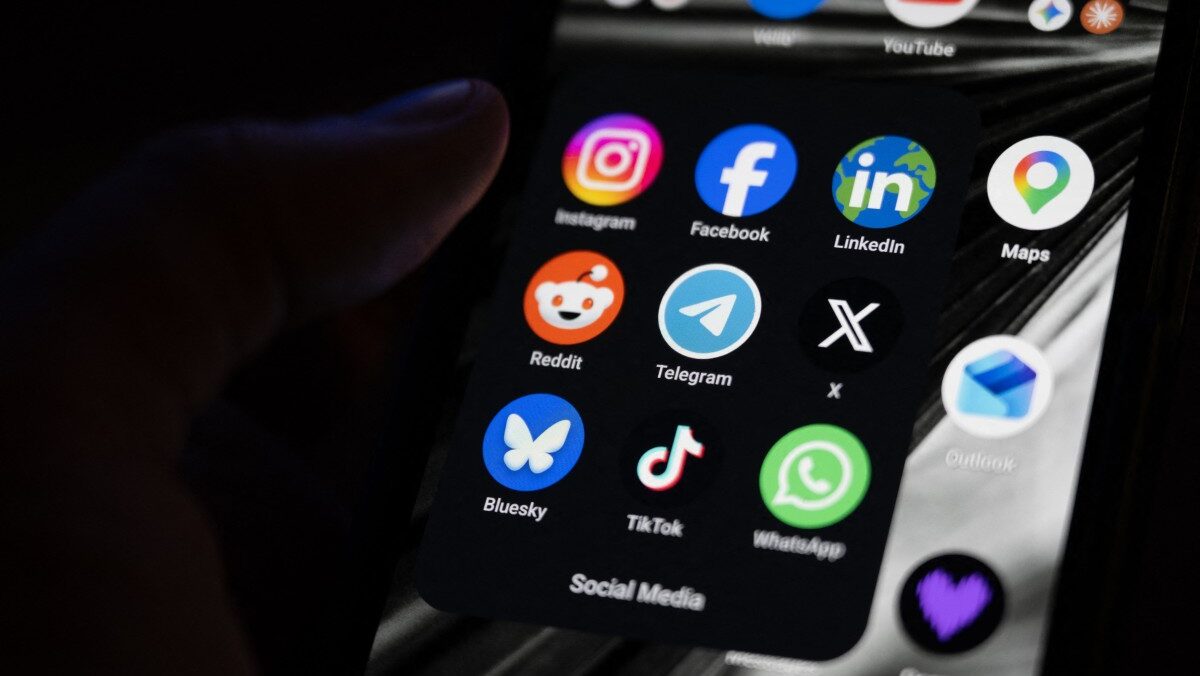
An EU-commissioned study examines whether social media platforms can be required to make their core functions interoperable with services that align more closely with EU preferences for ‘proactive moderation.’
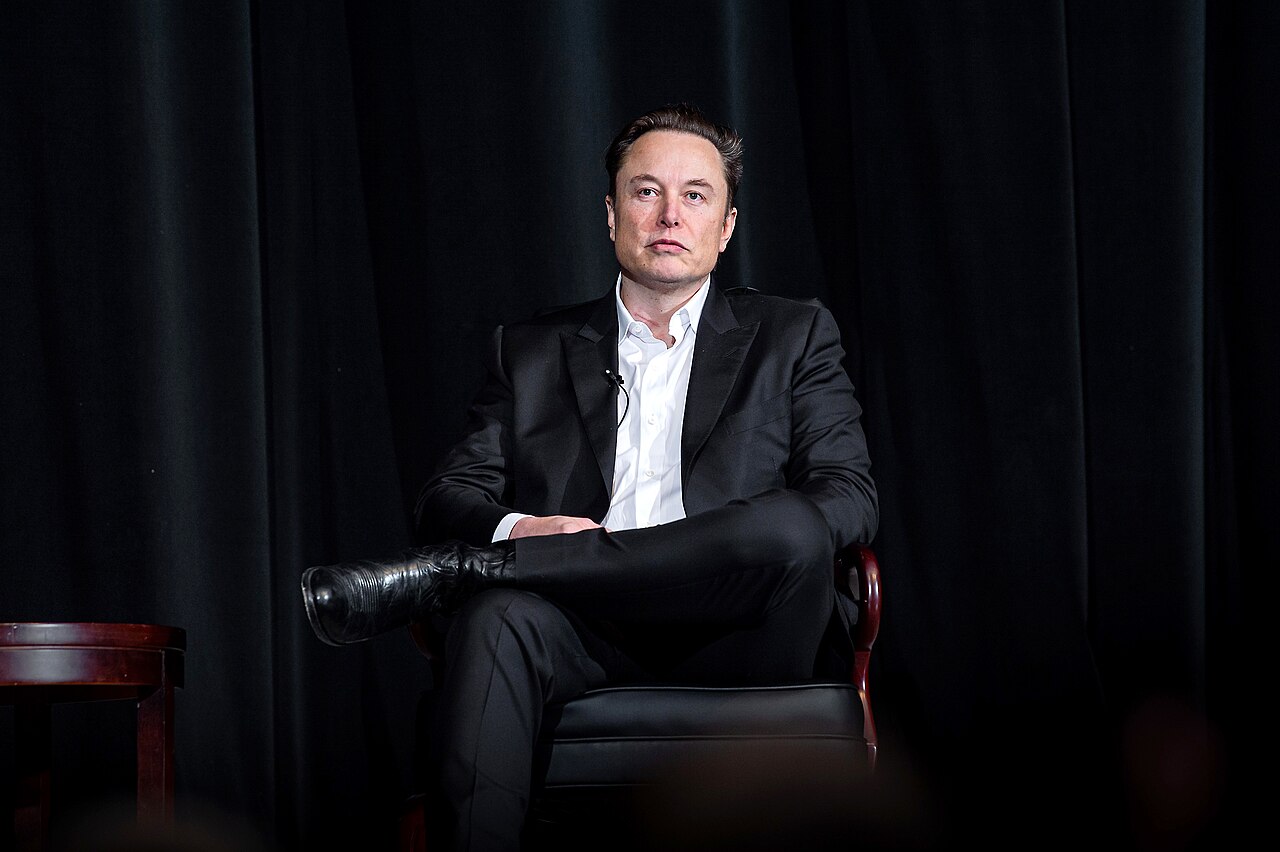
The social media tycoon and Tesla boss declined to attend a voluntary interview as part of a French investigation of alleged political interference—linked to X (formerly Twitter).
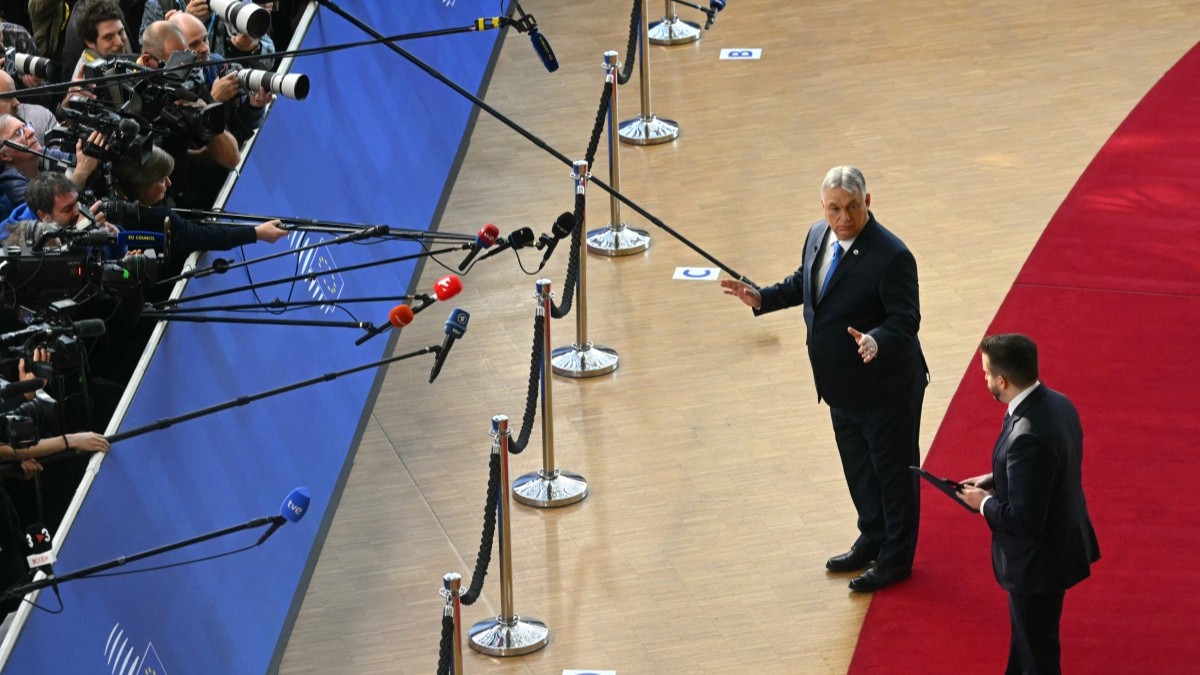
While the RRS is presented as a tool to protect election processes from foreign interference, a closer look at it raises concerns about its impartiality.

AI-generated imagery shared on social media platforms depict Middle East destruction and war events that never happened.

Technology has spun a web around us so all-encompassing that for many young people, a campfire in a snowy forest feels like a different world.

The era of unregulated paid-for verification may be coming to an end in Europe as X attempts to align its platform with the requirements of the Digital Services Act.