
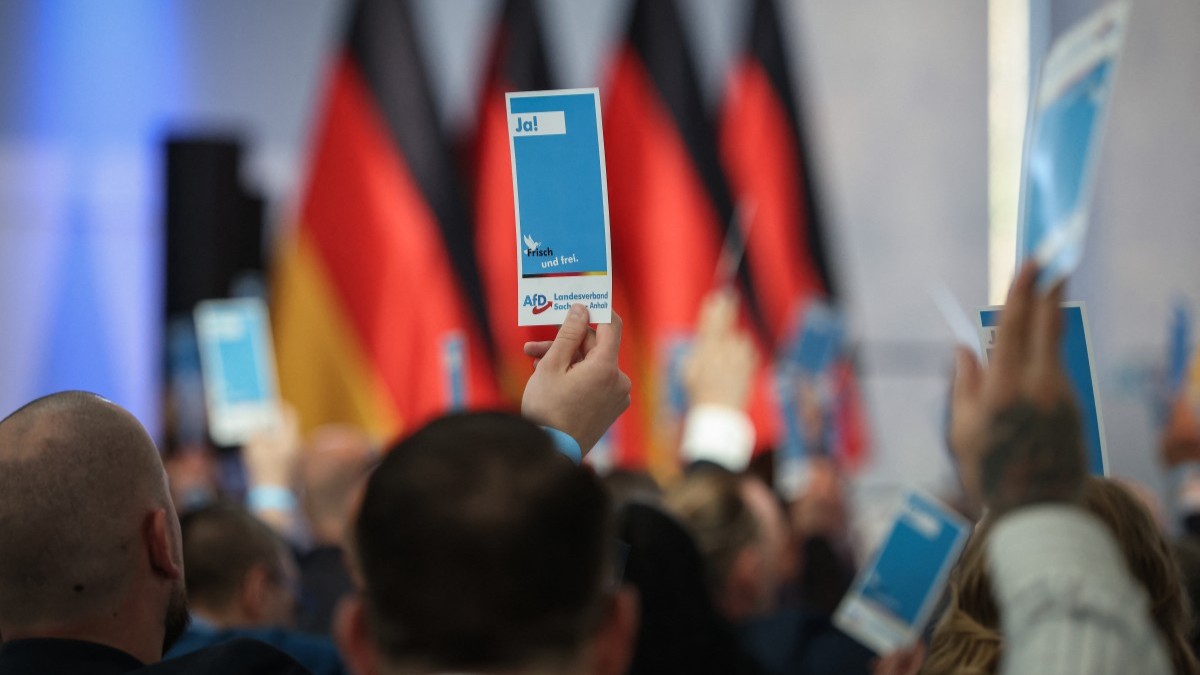
“Stop AfD at Any Cost”: Rule of Law Takes a Back Seat in Germany
Critics note that the elite’s actions “will come back to haunt them.”

Critics note that the elite’s actions “will come back to haunt them.”

Perfectly legal acts of political opposition to the establishment can lead an individual to suffer real, painful measures of state coercion.
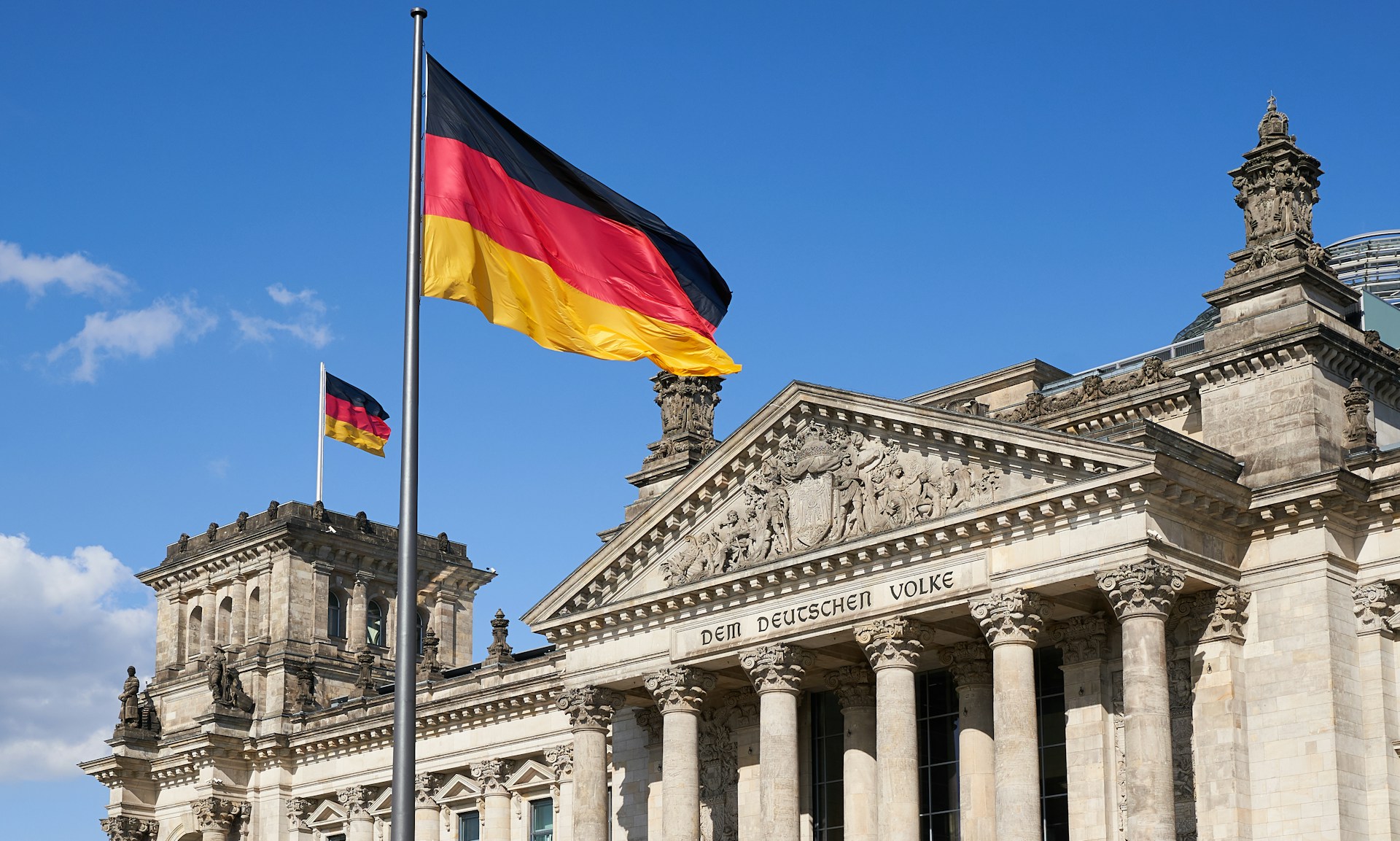
In a historic expansion of municipal power, a new draft law would allow local mayors to look into intelligence files on prospective property buyers before a sale is finalized.

Health Minister Nina Warken called the cannabis legalisation a “mistake,” while Interior Minister Alexander Dobrindt said it had “completely backfired.”
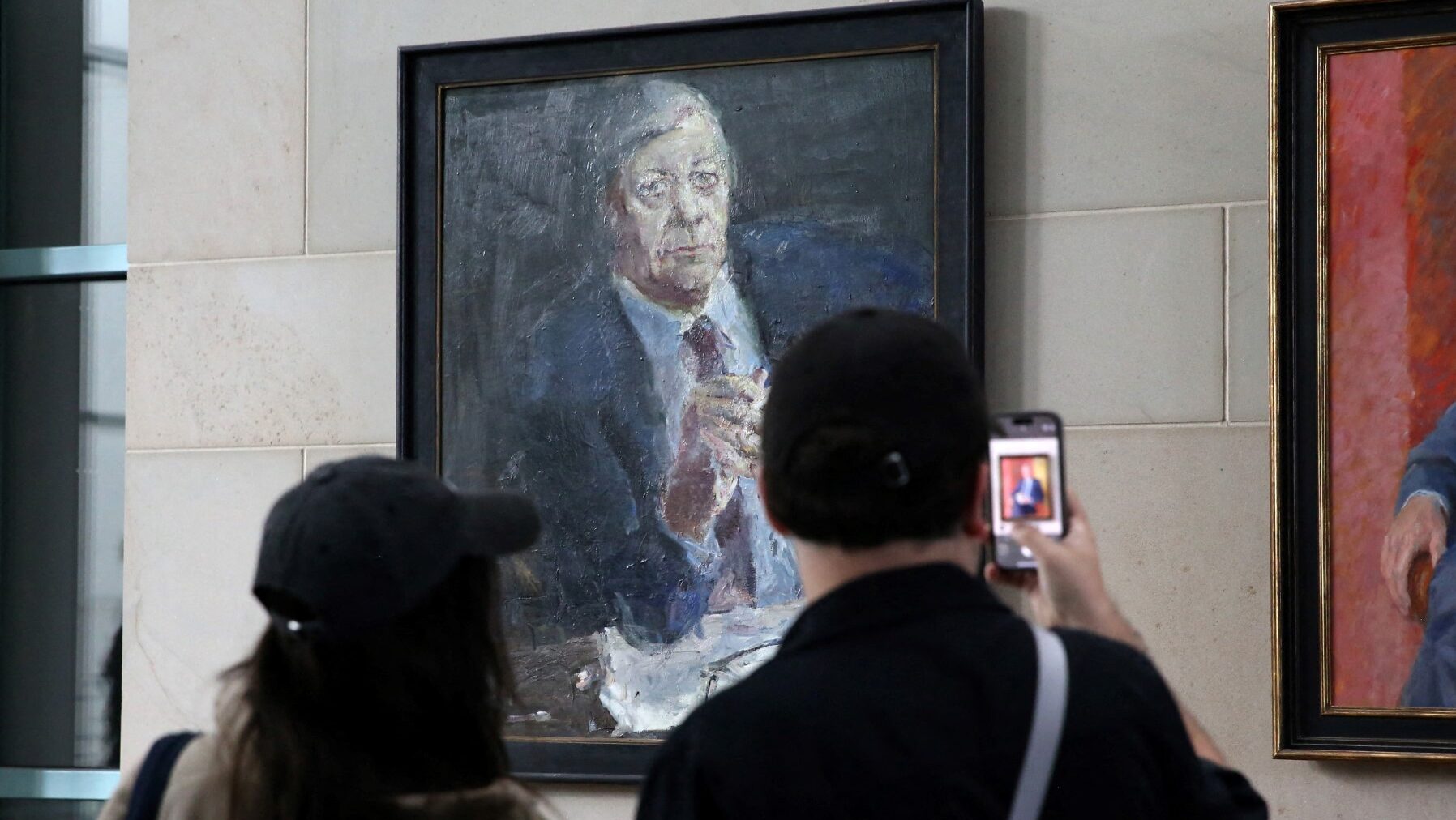
The party that was once—for better or worse—seen as a vehicle for popular representation has become an obstacle to democratic change.

The CDU victory and AfD’s historic 19.5% are set to alter the political balance in western Germany.
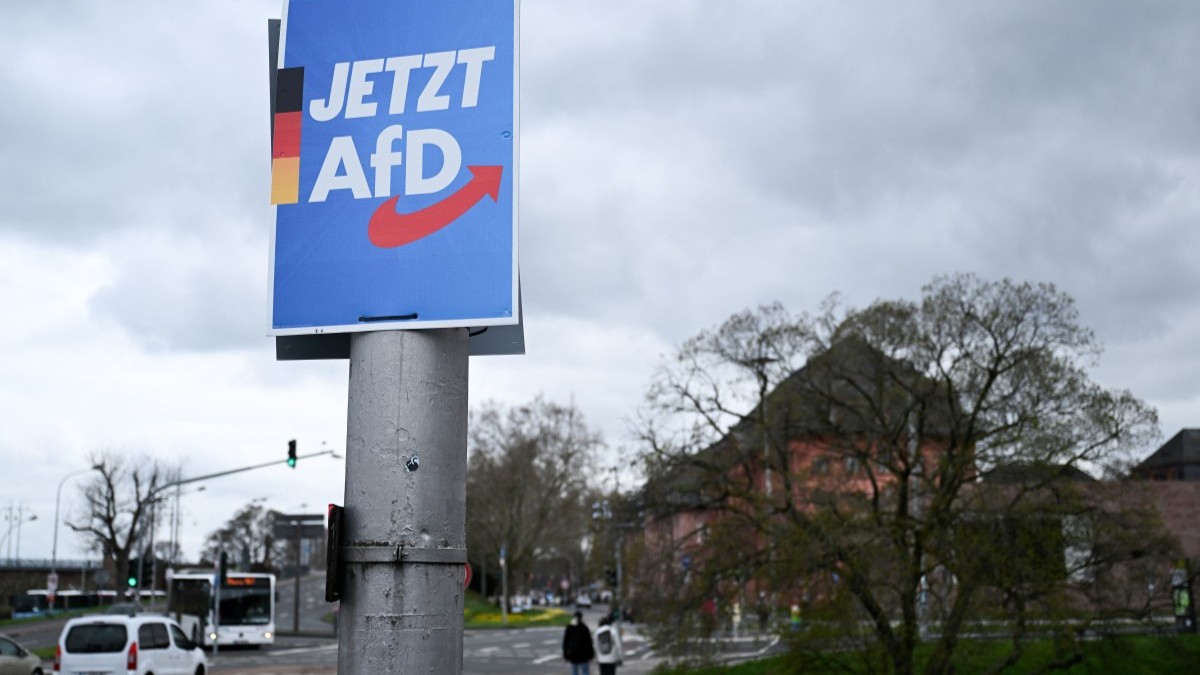
The right-wing populist party is predicted to garner 20%, amid a dispute with the CDU in Germany and in the European Parliament over migration policy.

“What we are seeing now is that the political map of Europe has changed, but some parties are still trying to behave as if nothing had happened.”

The right-wing populist party reached 19% in Sunday’s state elections, while the SPD collapsed and the liberals did not make it into parliament.
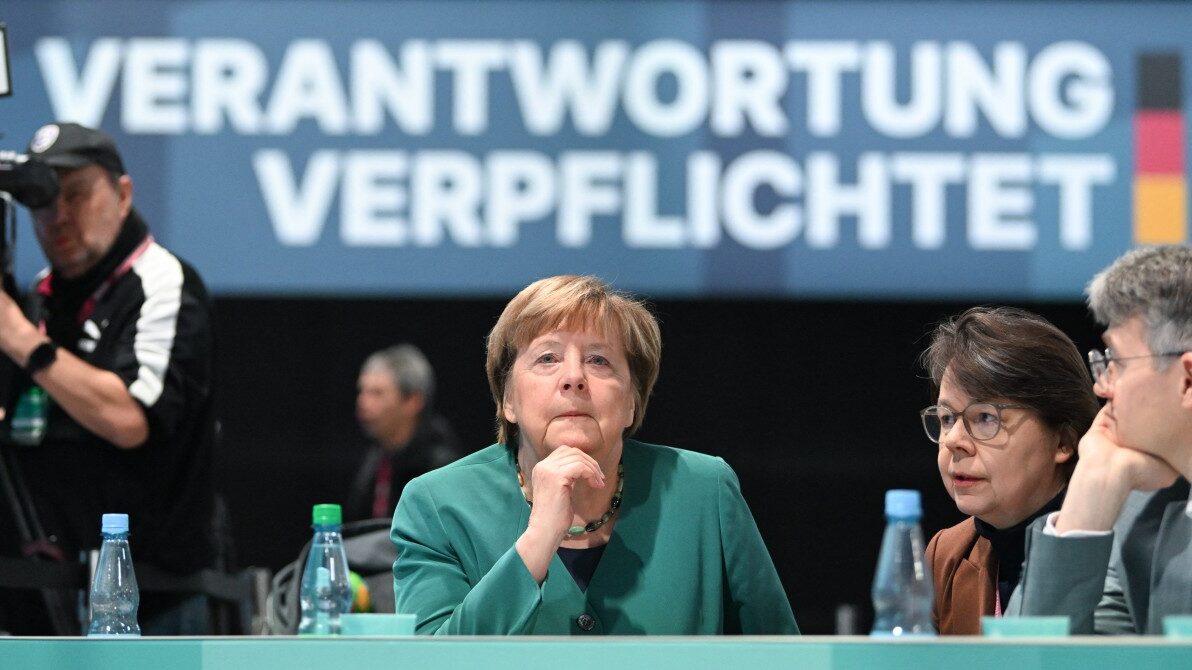
The two parties once regarded as the main rivals openly admitting they are bound to disappoint even their remaining supporters was, perhaps, the conference’s one honest moment.