
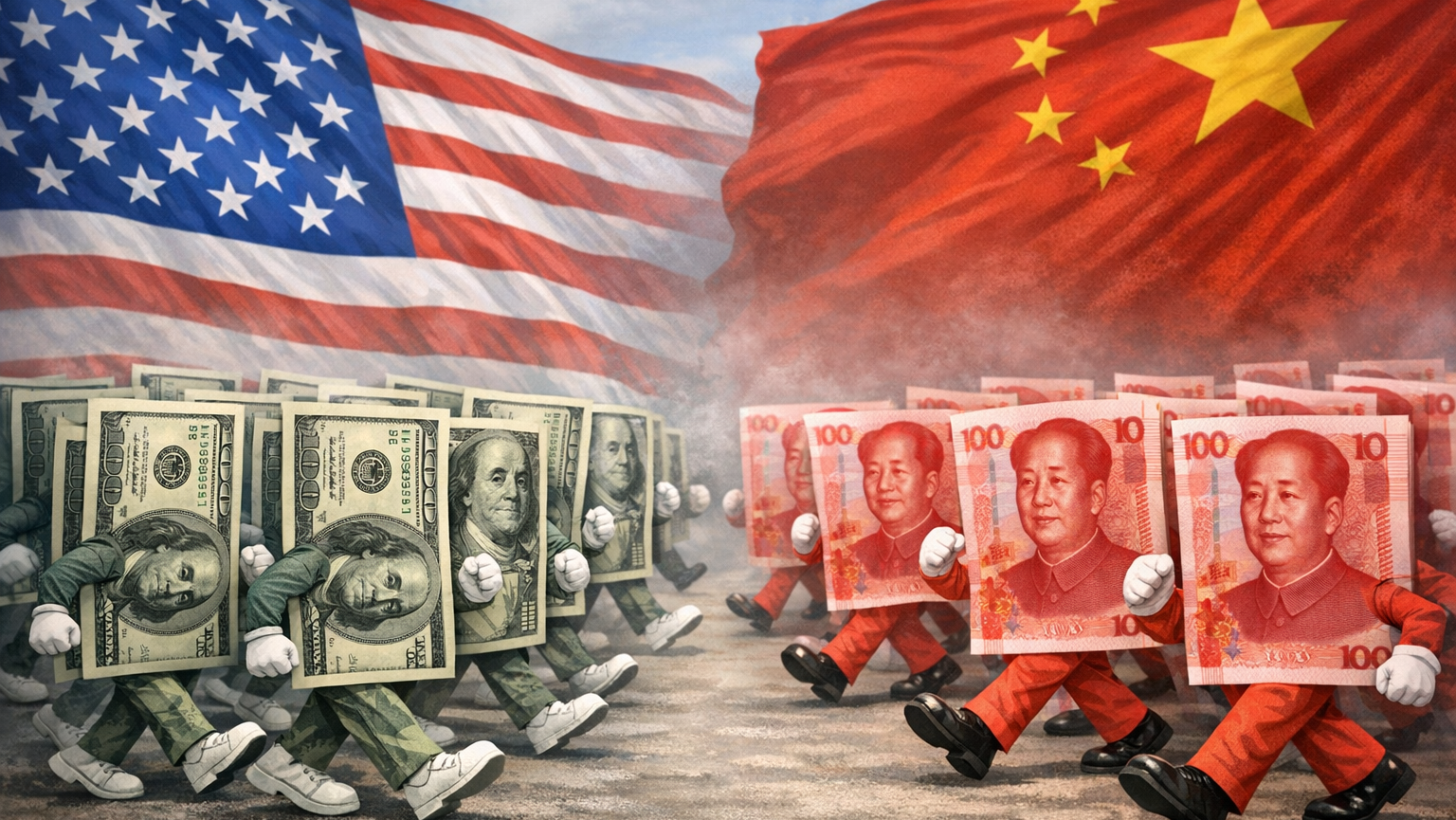
Trump’s Iran War Turns Into Fight for the Dollar
Tehran’s new demand for peace with the U.S. includes shifting oil trade to the Chinese yuan.

Tehran’s new demand for peace with the U.S. includes shifting oil trade to the Chinese yuan.
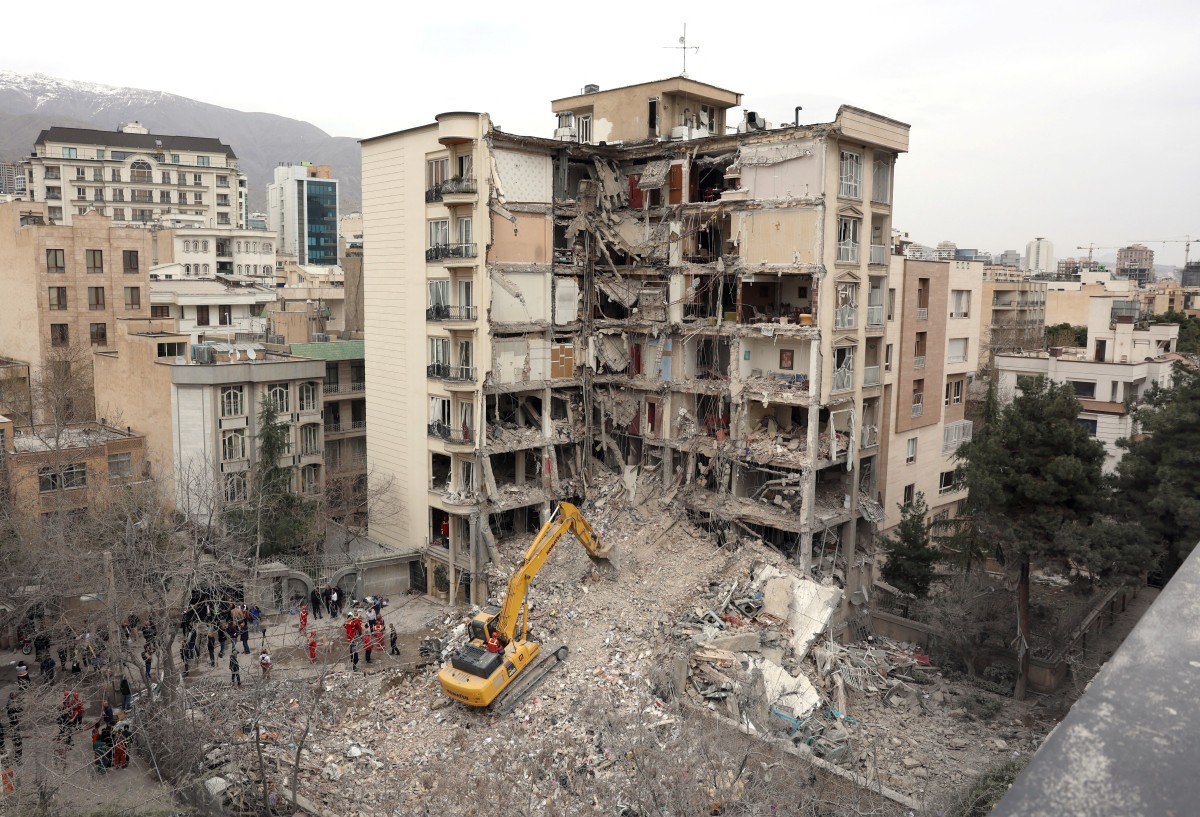
Netanyahu said Israel will continue operations in Iran and Lebanon, vowing to “protect our vital interests.”
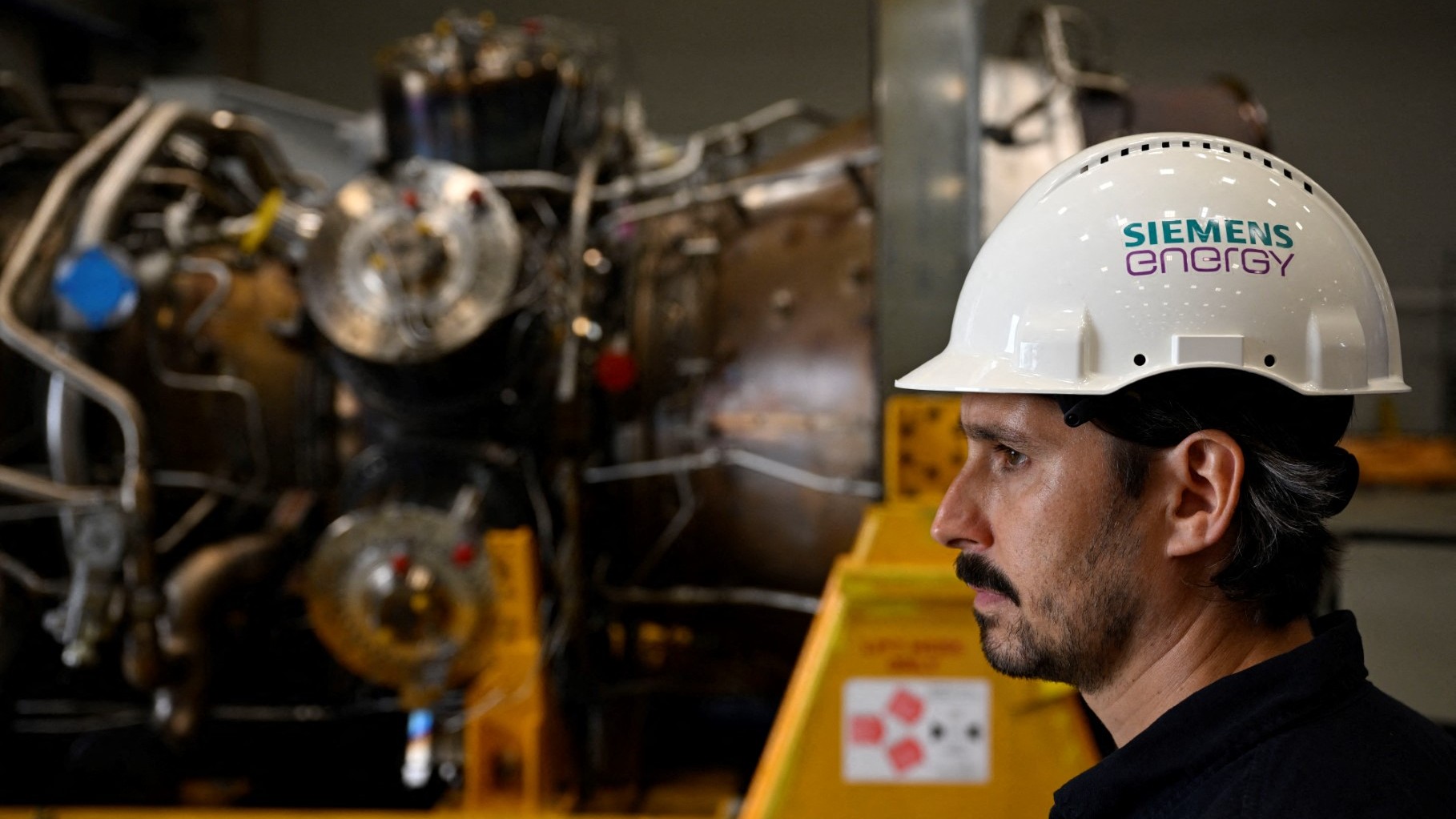
The crisis in the Middle East is pushing up oil and gas prices and forcing the EU to face the consequences of its expensive and unstable energy system.
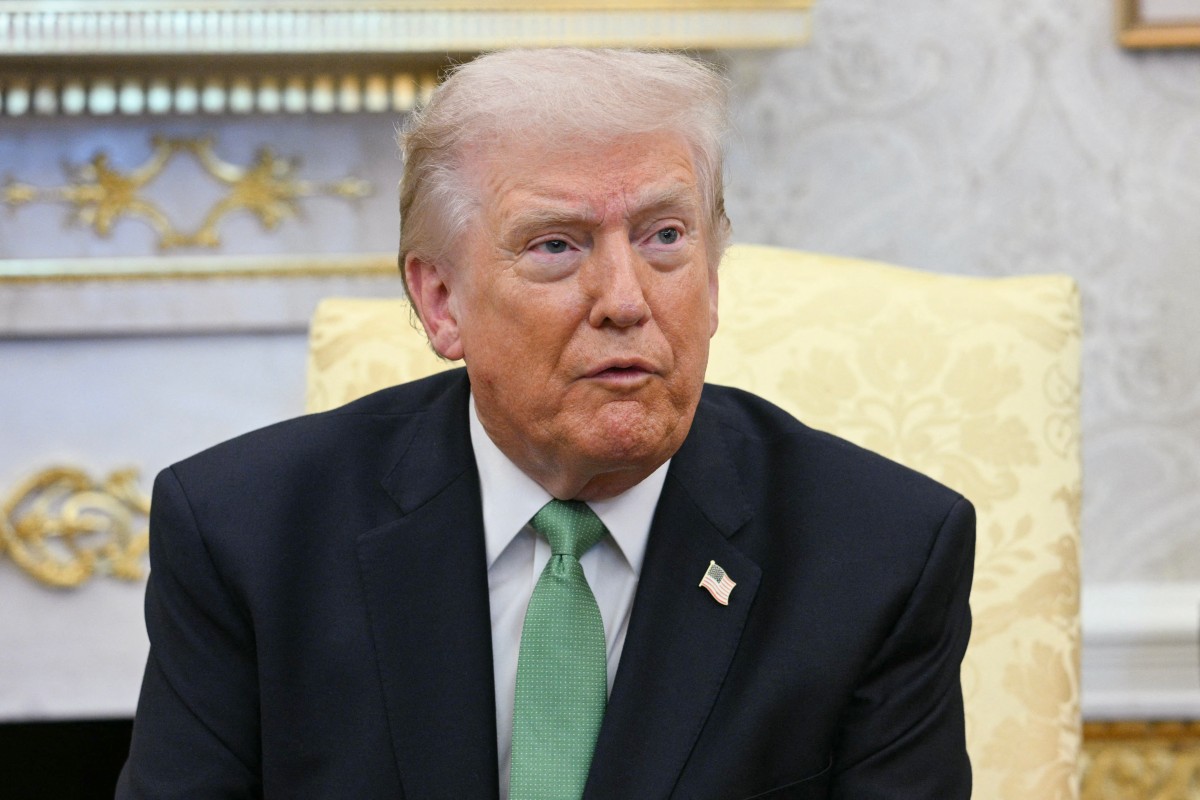
According to the U.S. president, his operations have been so effective that NATO support is now unnecessary.
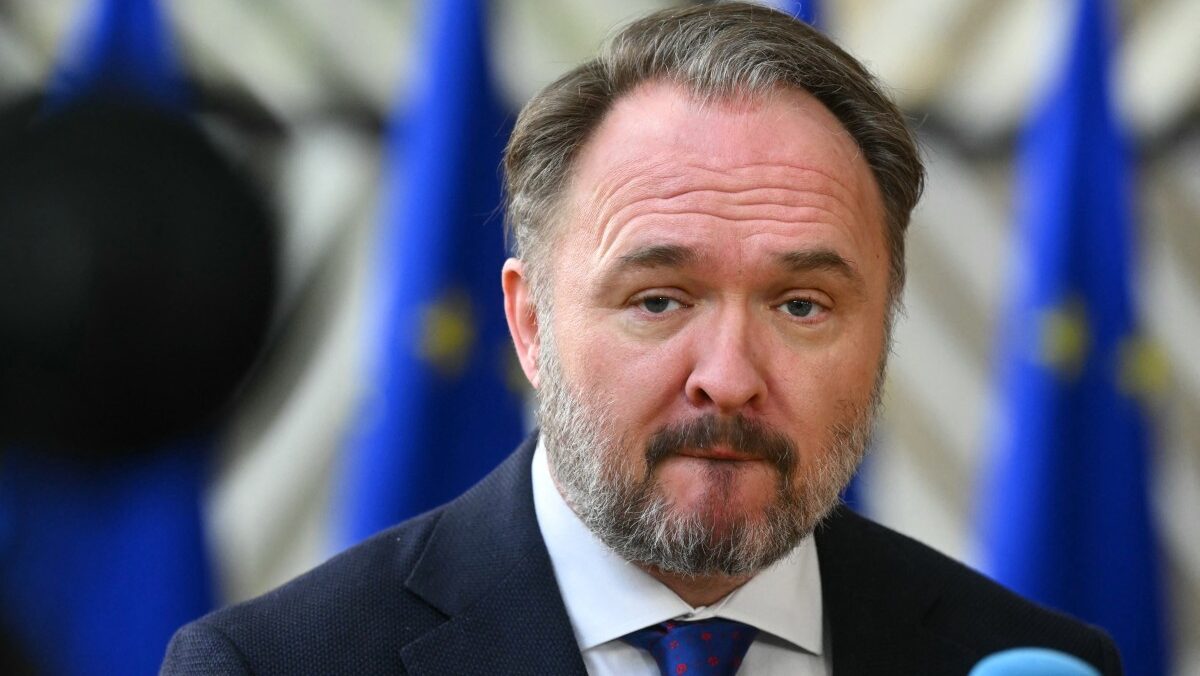
Brussels looks for ways to keep the Strait of Hormuz open without sending ships, while the Commission rules out buying Russian gas and Trump demands that NATO prove its loyalty.
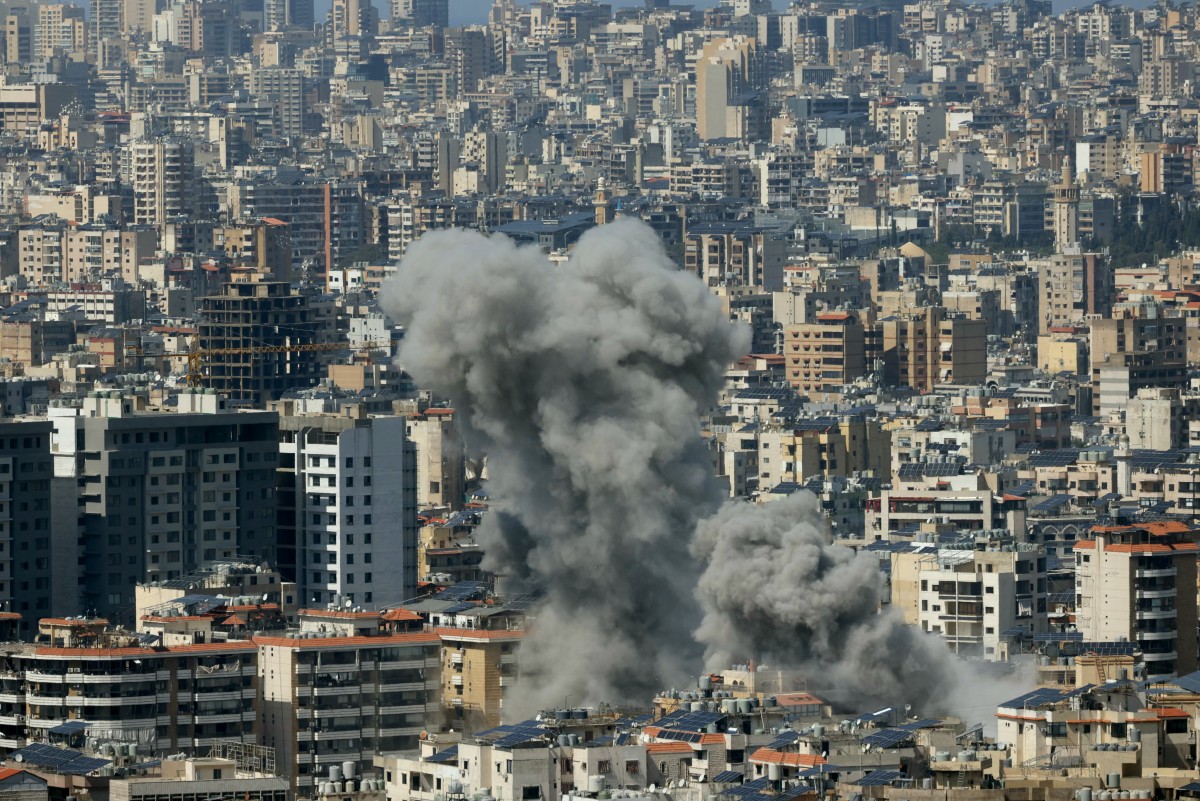
Hundreds killed; Iran launches ineffective retaliatory strikes against Gulf nations and Israel—which has opened a new front against Hezbollah in Lebanon.
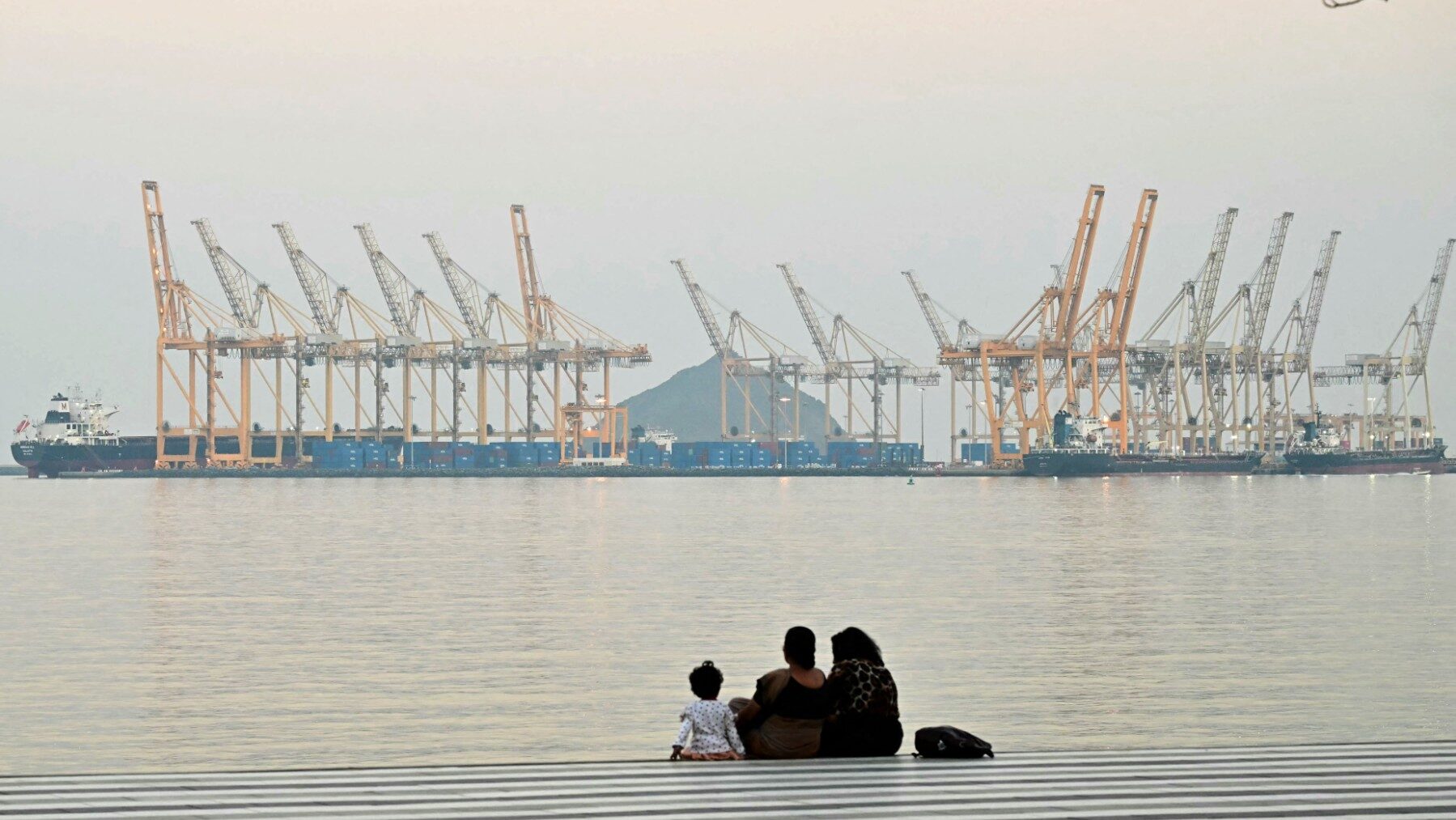
The UK Maritime Trade Operations Centre reports that at least sixteen vessels have been attacked in and around the Strait of Hormuz since the conflict began.
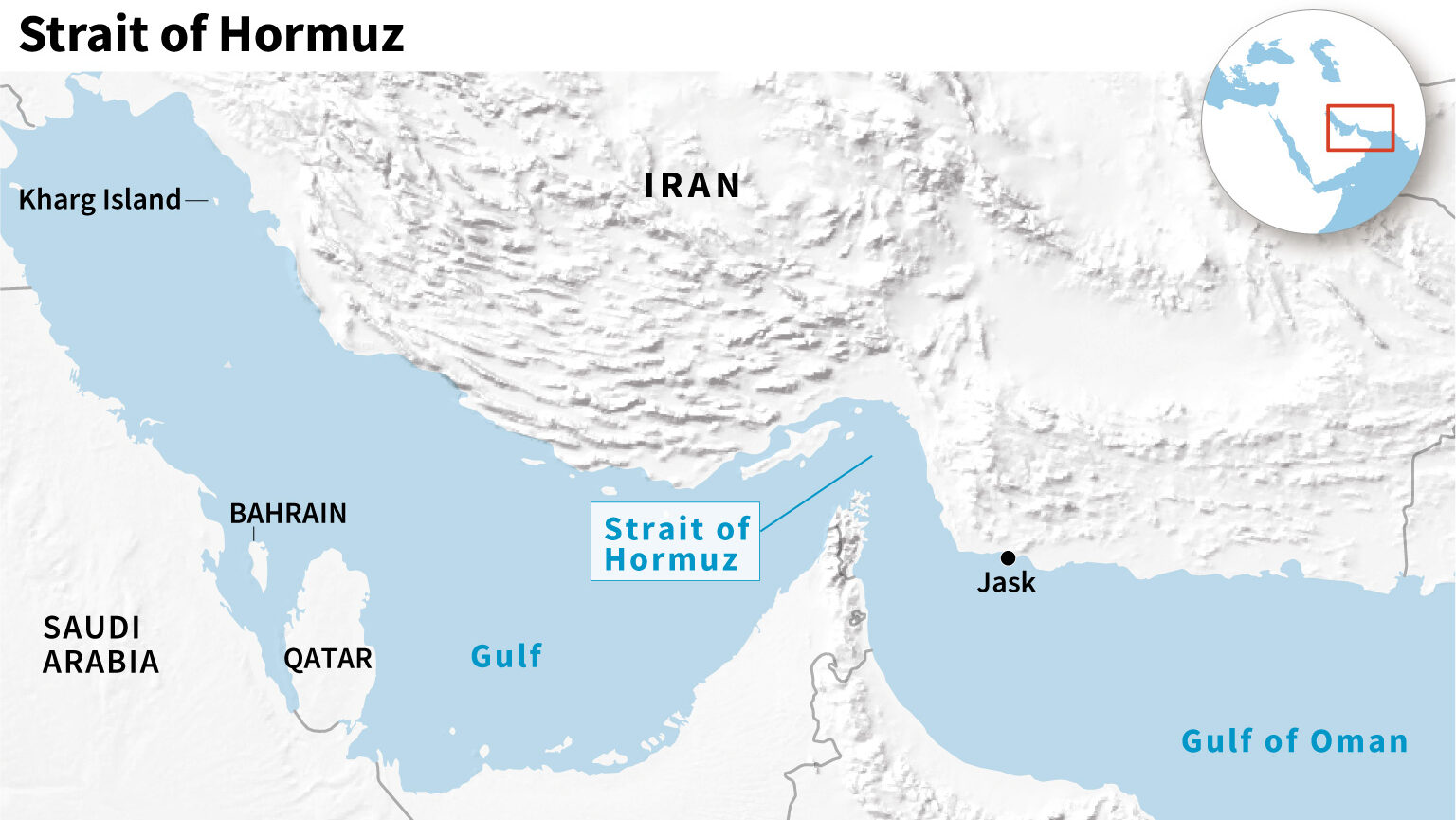
Iran warned that U.S.-linked energy infrastructure would be “destroyed and turned into a pile of ashes” if its oil facilities were targeted.
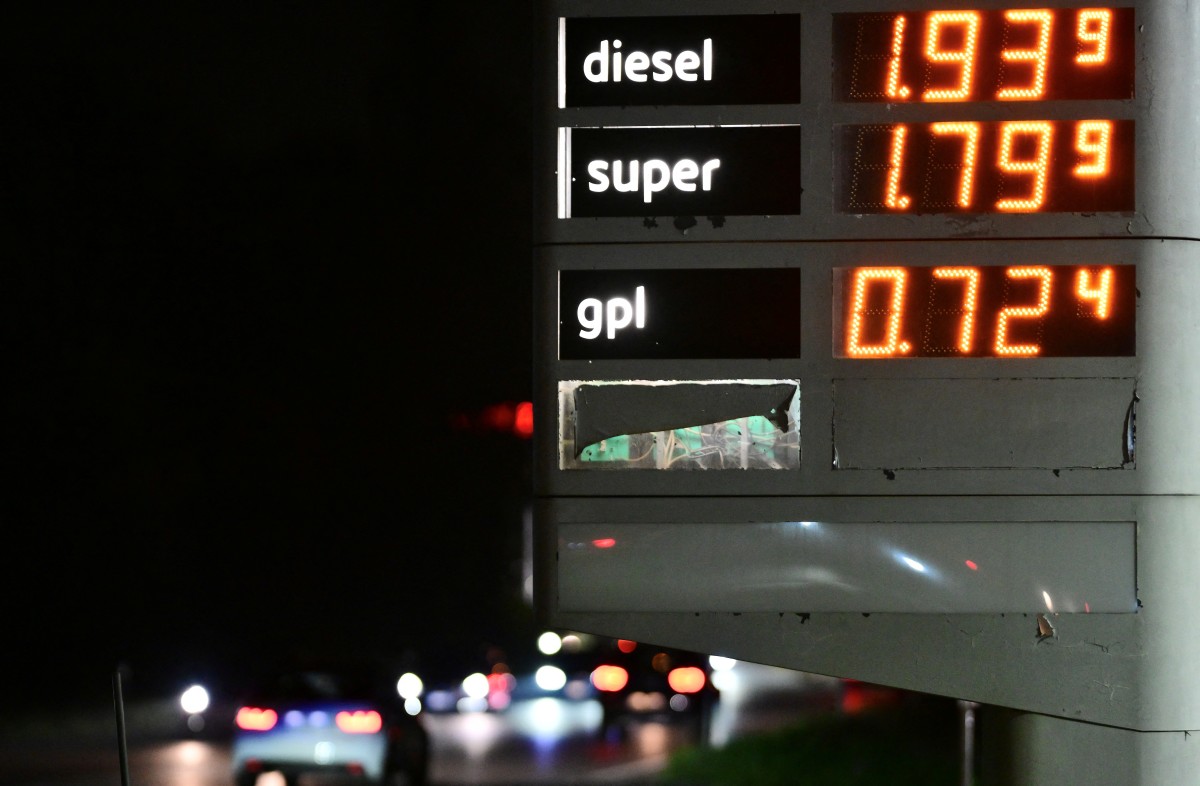
IEA members agreed to release 400 million barrels from strategic reserves, the largest coordinated move in the agency’s history.
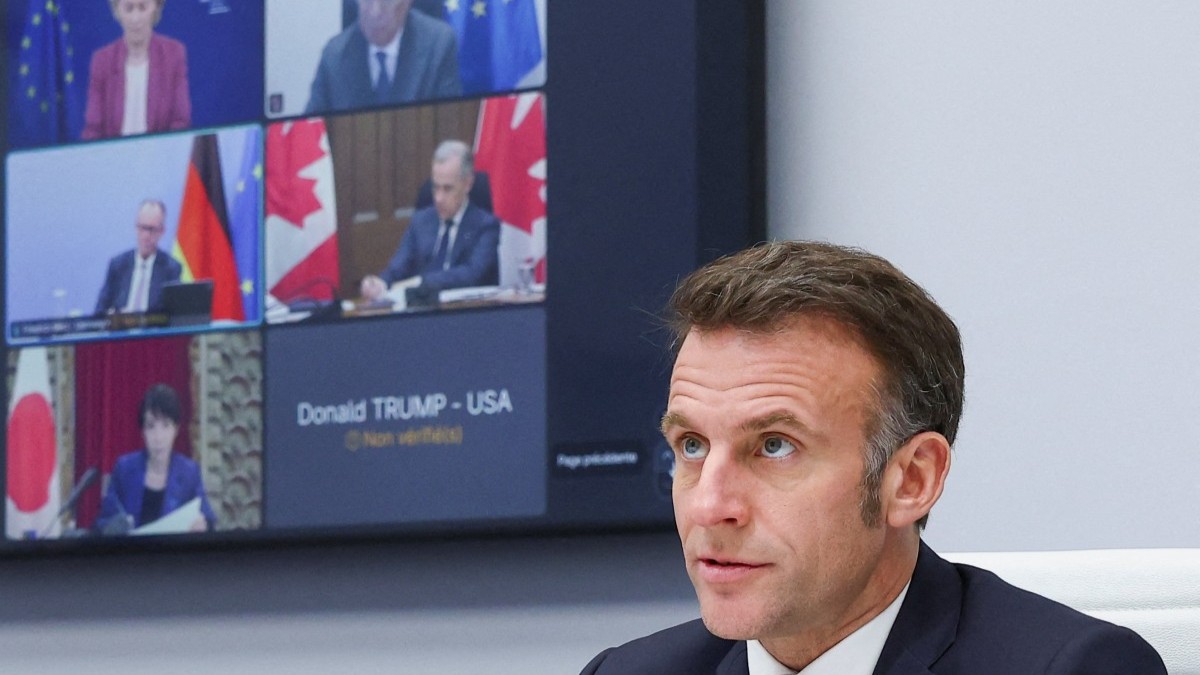
The French president also said there is “no confirmation” of mines being deployed in the Strait of Hormuz.