

Circular Economy: A Recipe for European Decline
With its ‘circular’ vision, the European Commission demonstrates its complete detachment from economic reality.

With its ‘circular’ vision, the European Commission demonstrates its complete detachment from economic reality.

Europe needs an urgent, independent economic crash commission led by business leaders and economists—not Brussels politicians.

The central bank’s latest forecast cements Europe in a deadlock of stagnation, deterioration, and emerging economic despair.

Coalitions are taking over national governments in Europe with only one goal: to keep national conservatives out of government. This is seriously jeopardizing Europe’s future.
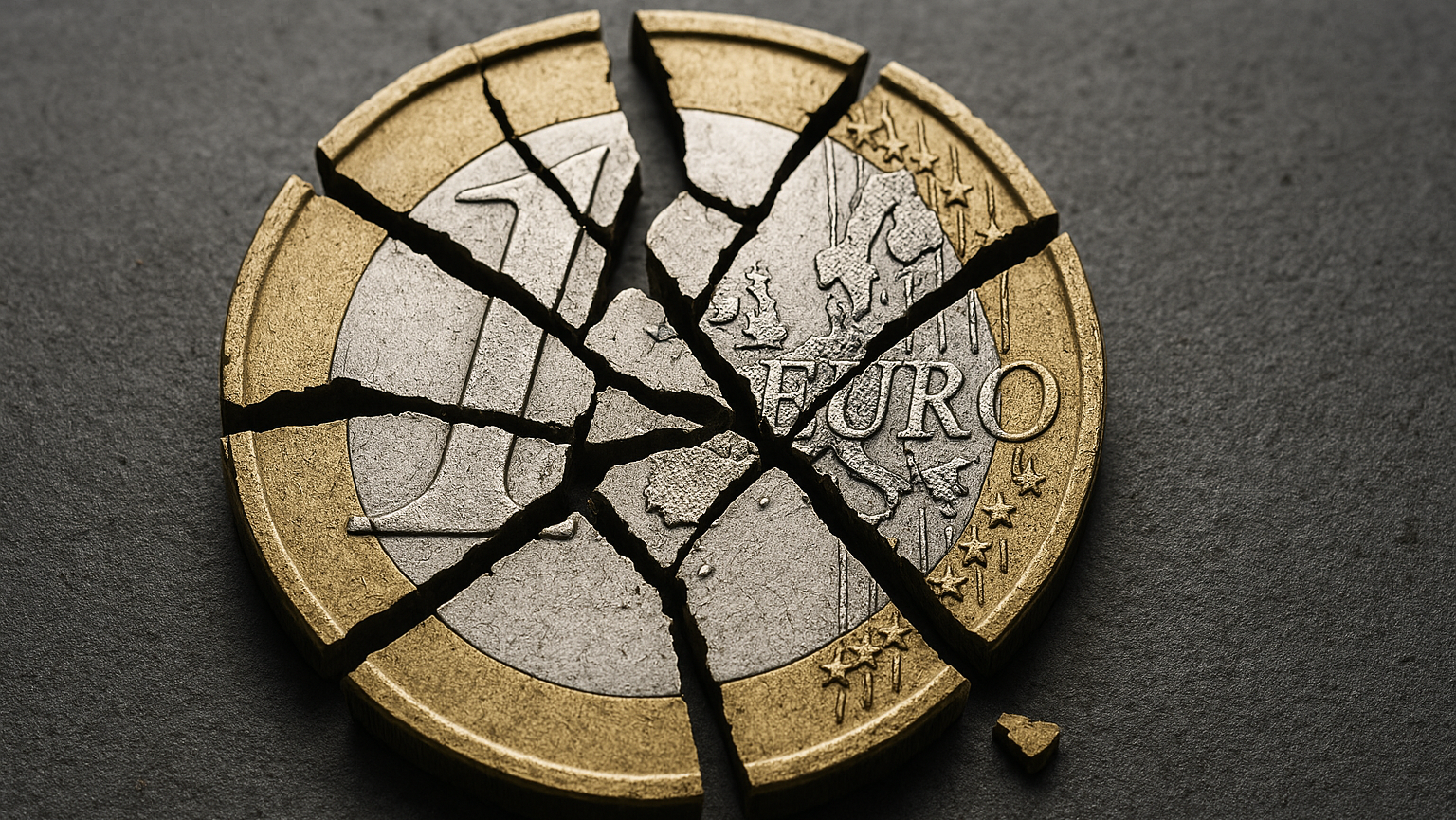
In the wake of Elon Musk’s suggestion that the EU should be abolished, it is relevant to ask what would happen to the European economy if the currency union no longer existed.
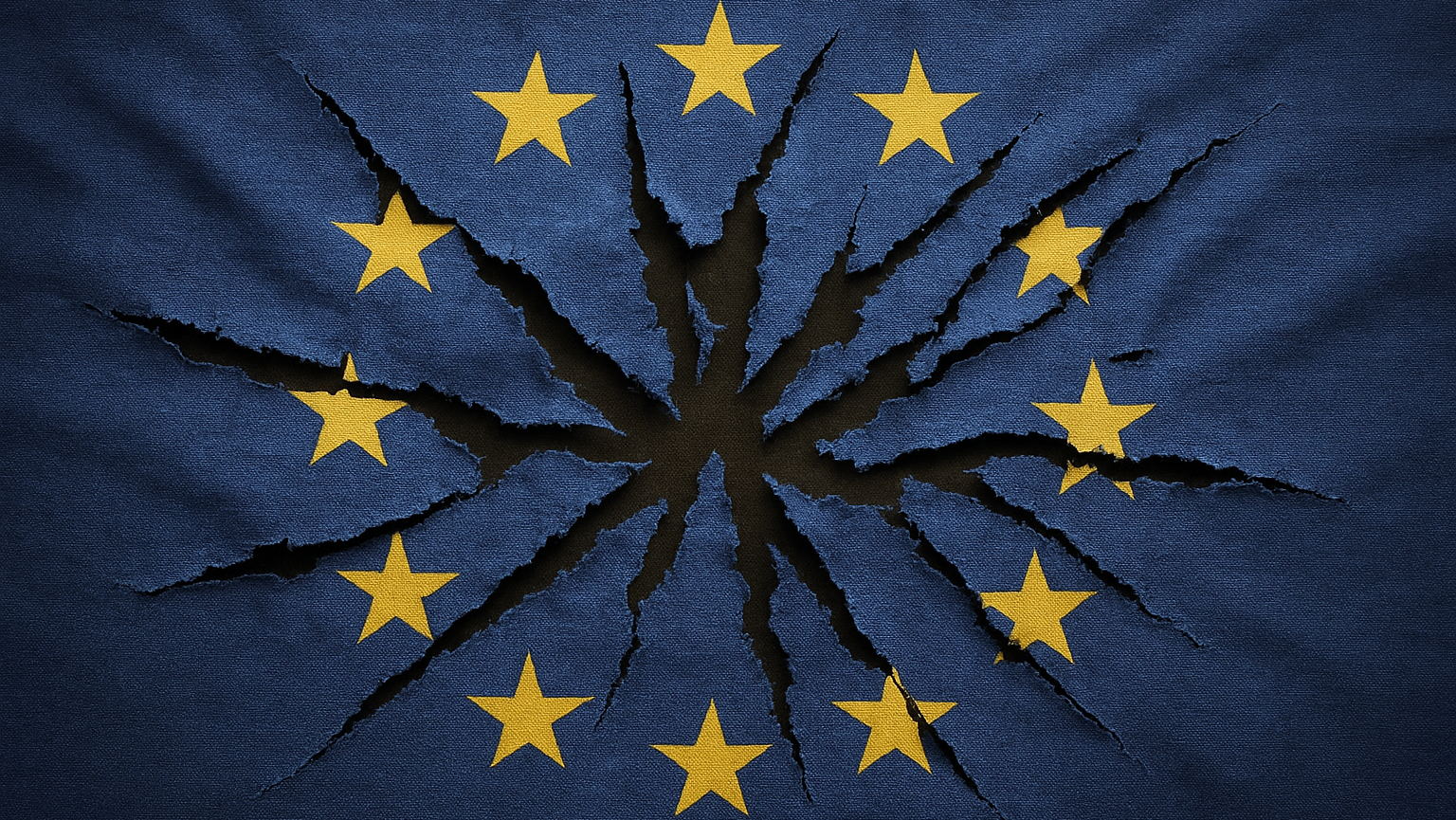
As part of his spat with the EU bureaucracy, the X owner has called for the abolition of the EU. What if his wish was somehow granted?

The leak of an alleged plan by the opposition to raise taxes drastically sharpens the contrast between two choices in the April elections.

The competing legacies of Barry Goldwater and William F. Buckley still shape American political discourse, but the relationship between their conservatisms is more complex than commonly portrayed.

Rapid gains in living standards had aligned with prudent long-term public spending, but conditions have worsened since 2023.
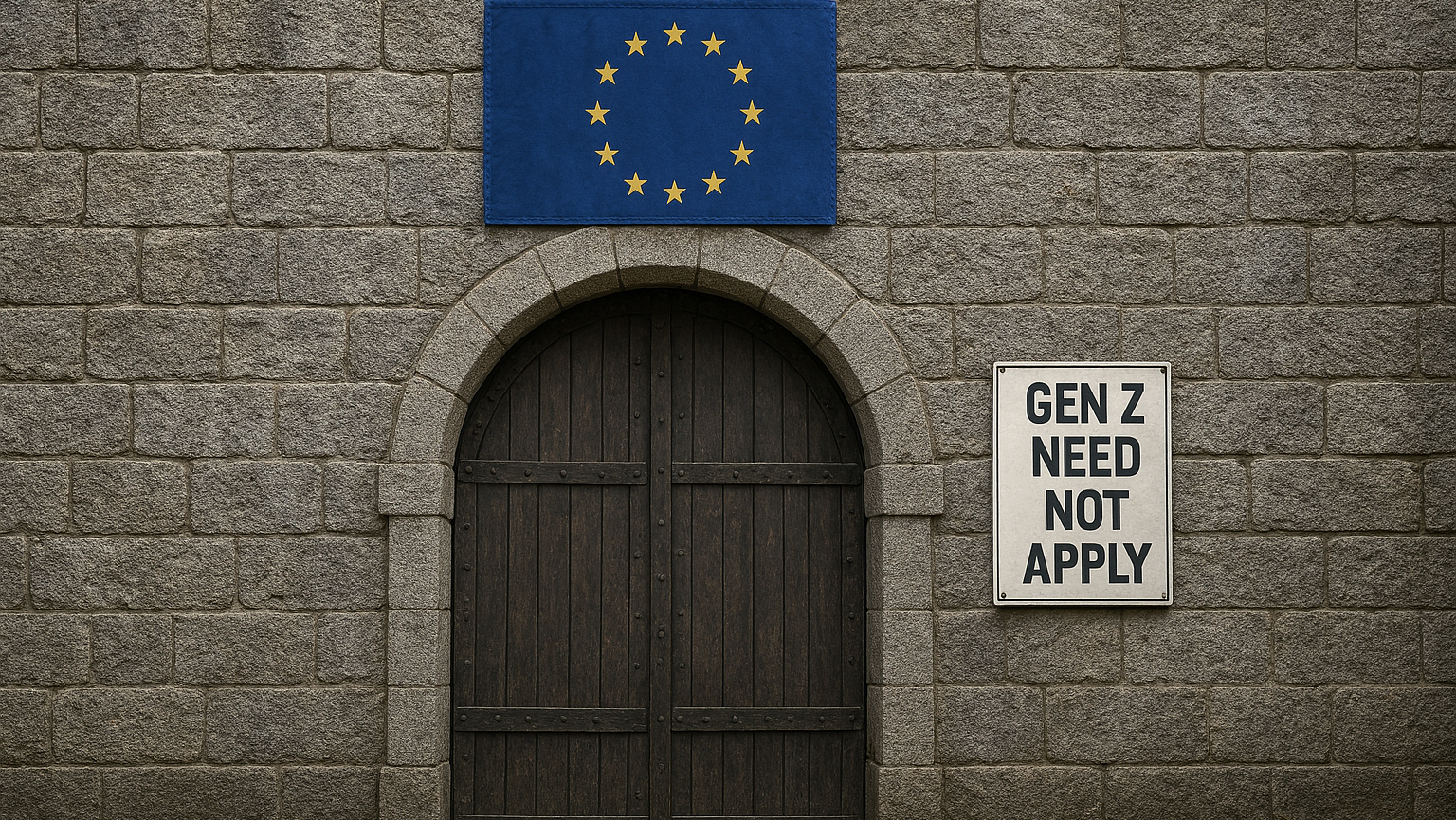
Europe’s leaders have ignored mounting economic stagnation for decades, thereby dooming an entire generation to a life in industrial poverty.