

How Sweden Put Socialism to Work
If we want to turn Europe and America in a more conservative direction, we need to understand the depth, the strength, and the persistence of our ideological adversary.

If we want to turn Europe and America in a more conservative direction, we need to understand the depth, the strength, and the persistence of our ideological adversary.

Contrary to widespread myths and errors being produced by right-of-center pundits, the Swedish experience with democratic socialism was not short, and it never ended.

It is easy to make promises with other people’s money—in this case, frozen Russian assets. But those assets are nowhere near enough to pay for von der Leyen’s pledges. Who will be asked to foot the rest of the bill?
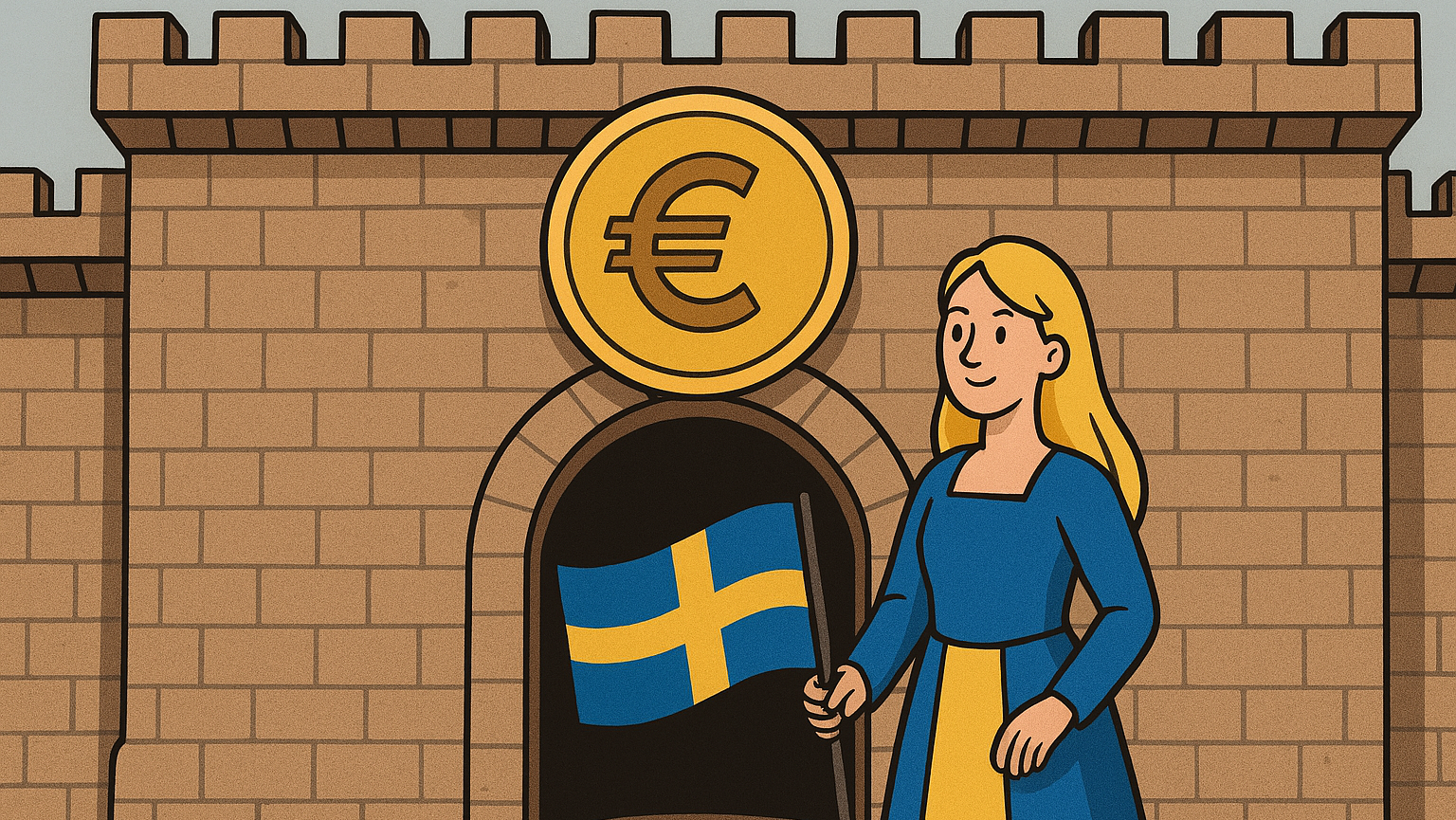
Prime Minister Ulf Kristersson’s party wants to explore a path for Swedish euro zone membership. It would be a bad idea for Sweden to give up its own currency.

In 2010-2014, the EU was the scene of a major fiscal crisis. Since then, nobody has treated the root cause, only the symptoms. Therefore, it is no surprise that history is about to repeat itself.

France’s political elite is out of time: they must form a sustainable government and start fiscal consolidation, or the country risks an economic crisis at least as severe as the one 15 years ago.

In a smart debt-management move, the government of Hungary sells treasury securities in China. This sheds new light on European political and economic risk-taking.

The government in Lisbon can brag about having eliminated its budget deficit. How does this benefit the economy—if at all?

Comparing the market and par values of sovereign debt may seem like a dry exercise, but it reveals critical insights into the European economy.

Deregulating markets and industries will amount to nothing unless we first do away with the elephant in the room: the welfare state.