
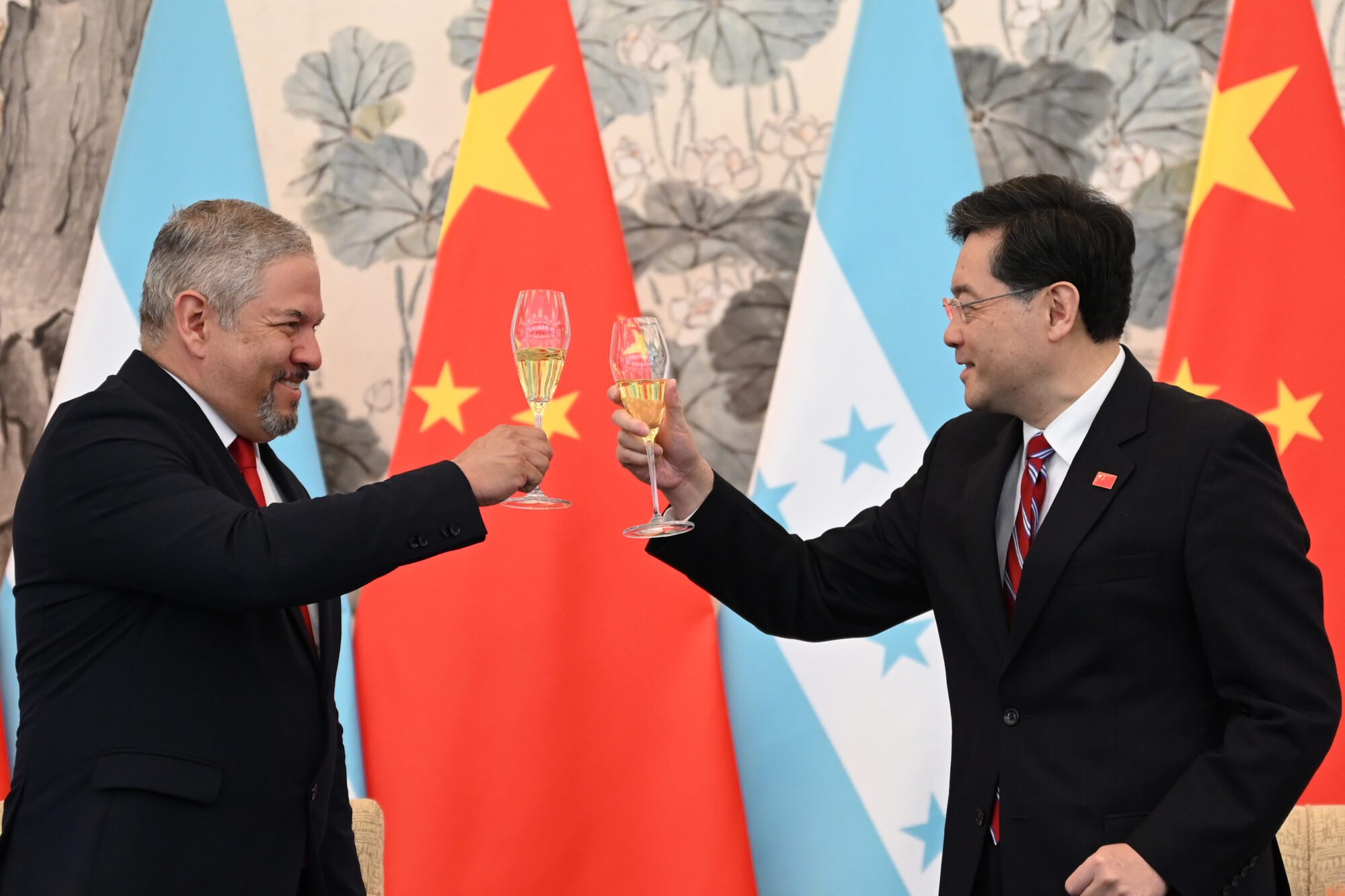
Switching Sides: Honduras Breaks Ties with Taiwan, Hitches Wagon to China
With this latest setback, only 13 countries still recognize the beleaguered island’s sovereignty.

With this latest setback, only 13 countries still recognize the beleaguered island’s sovereignty.

After taking a distinctly anti-China foreign policy stance during his campaign, Czech President-elect Petr Pavel has angered Beijing after becoming the first EU leader to acknowledge Taiwan’s legitimacy by direct communication with its president.
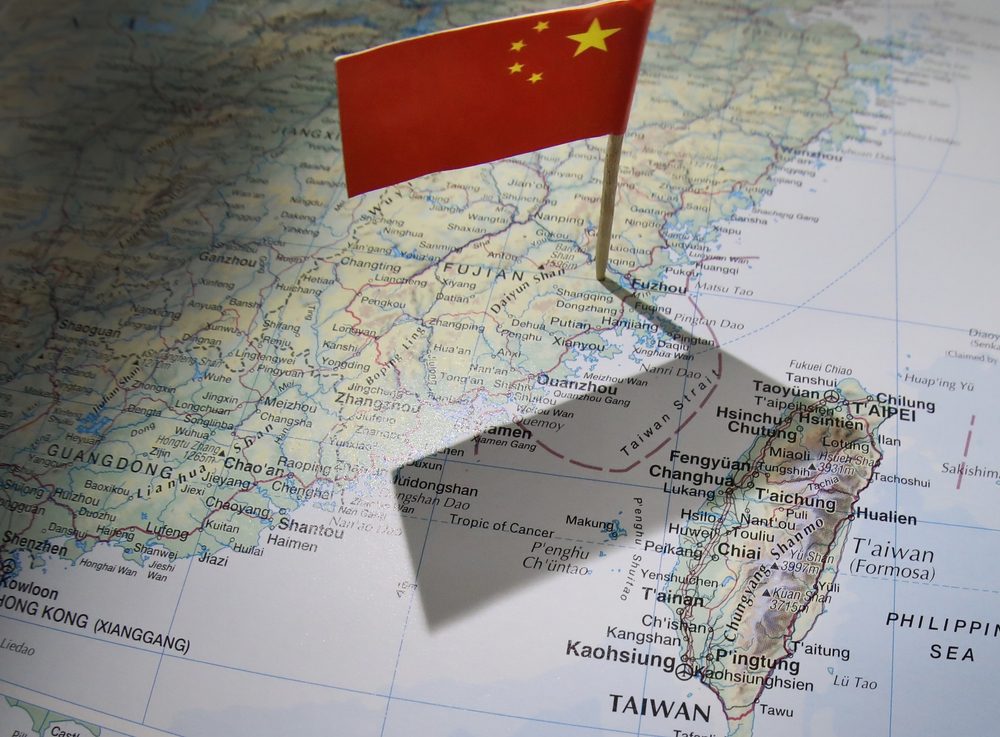
Recent polls show that three-quarters of Taiwanese consider the current four-month term too short—a significant shift in opinion, since military service, inherited from Taiwan’s dictatorial years, has long been unpopular.
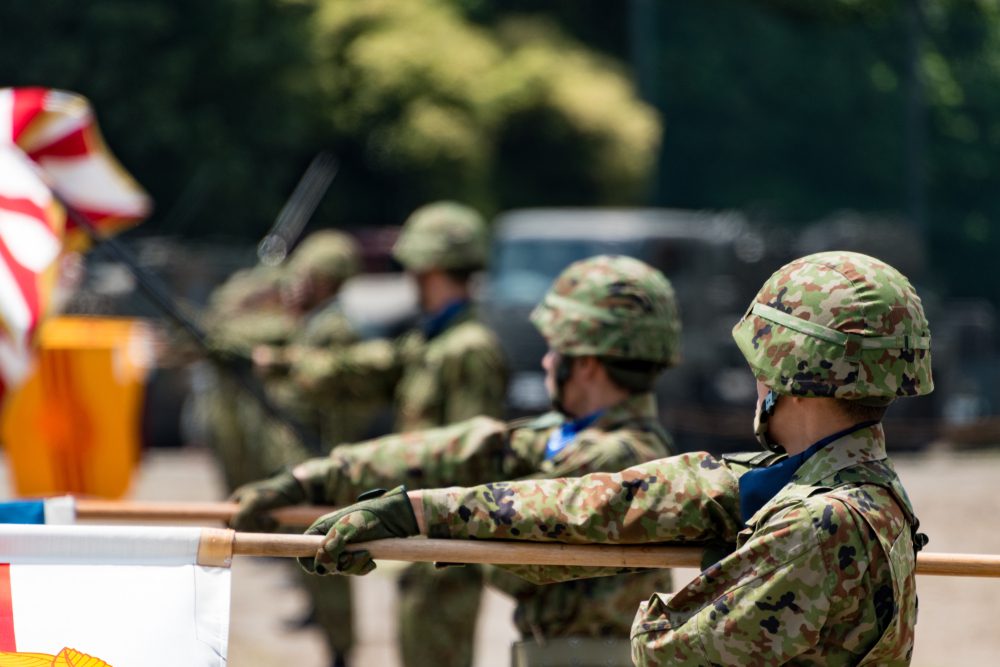
This change for Japan, which had renounced the right to wage war and had adopted a stance of military non-involvement in international disputes, illustrates how much the geopolitical reality has changed in recent years.
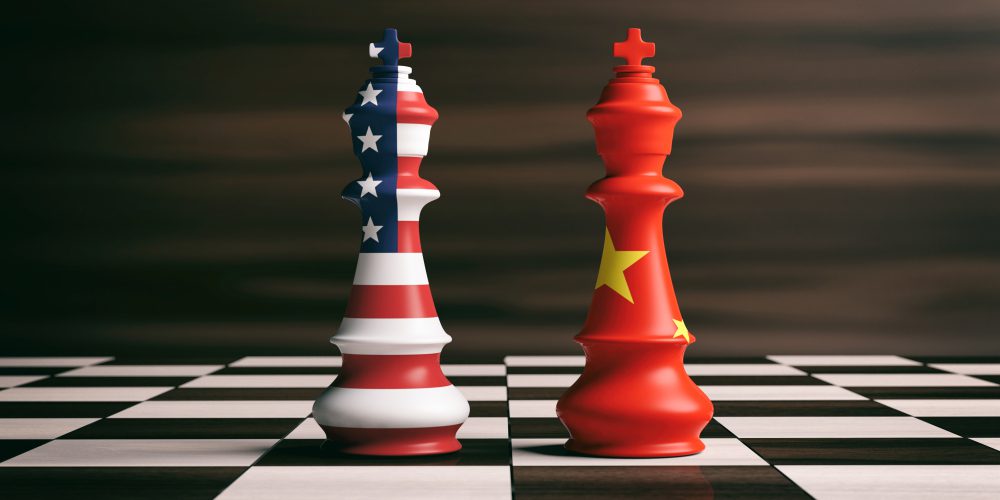
Unsurprisingly, Taiwan was the most tense subject of conversation.
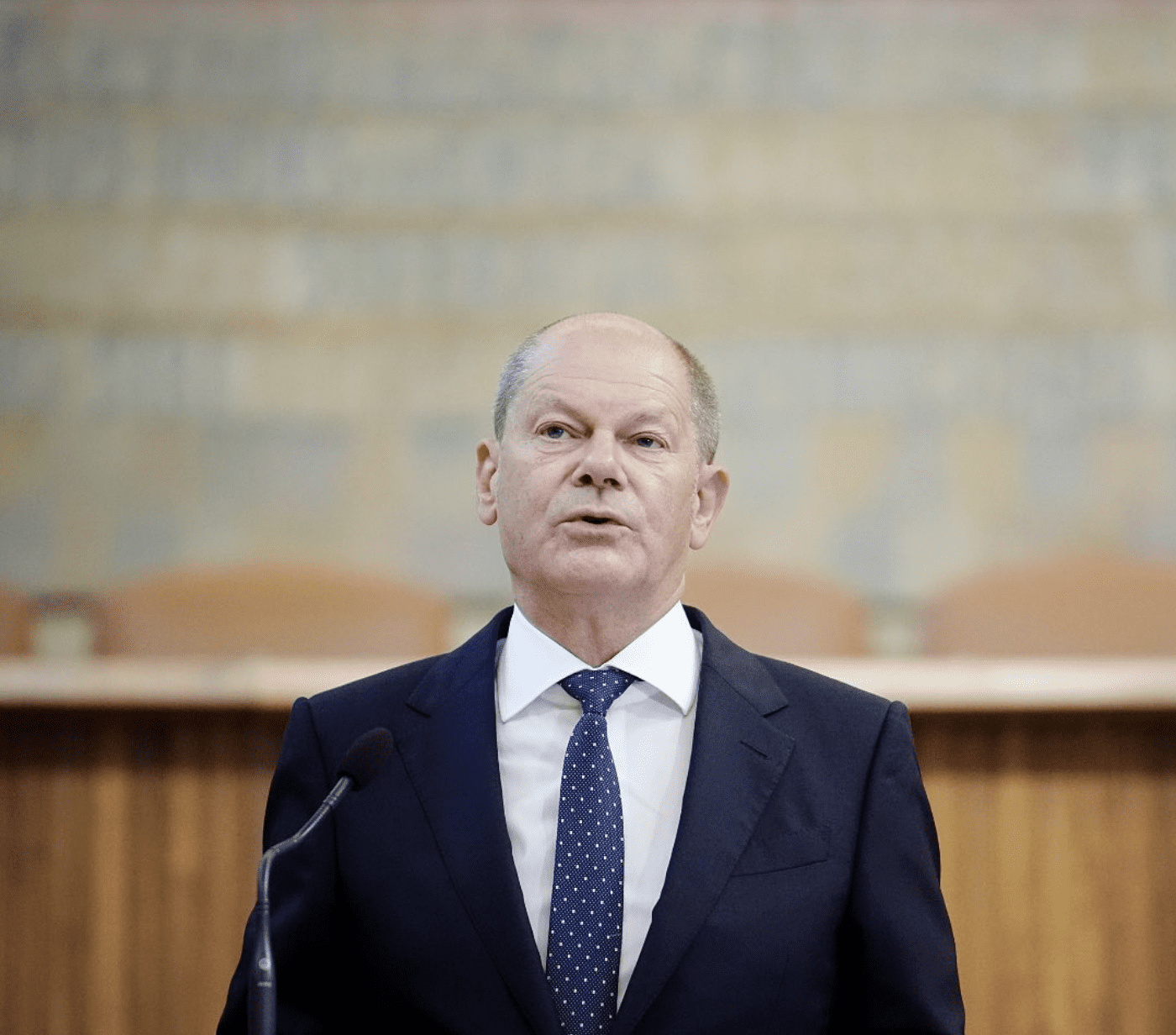
Politicians criticise Scholz for seeking a closer relationship with China. In a repeat of its mistake with Russia, Germany could become overly dependent on the economic giant, they warn.
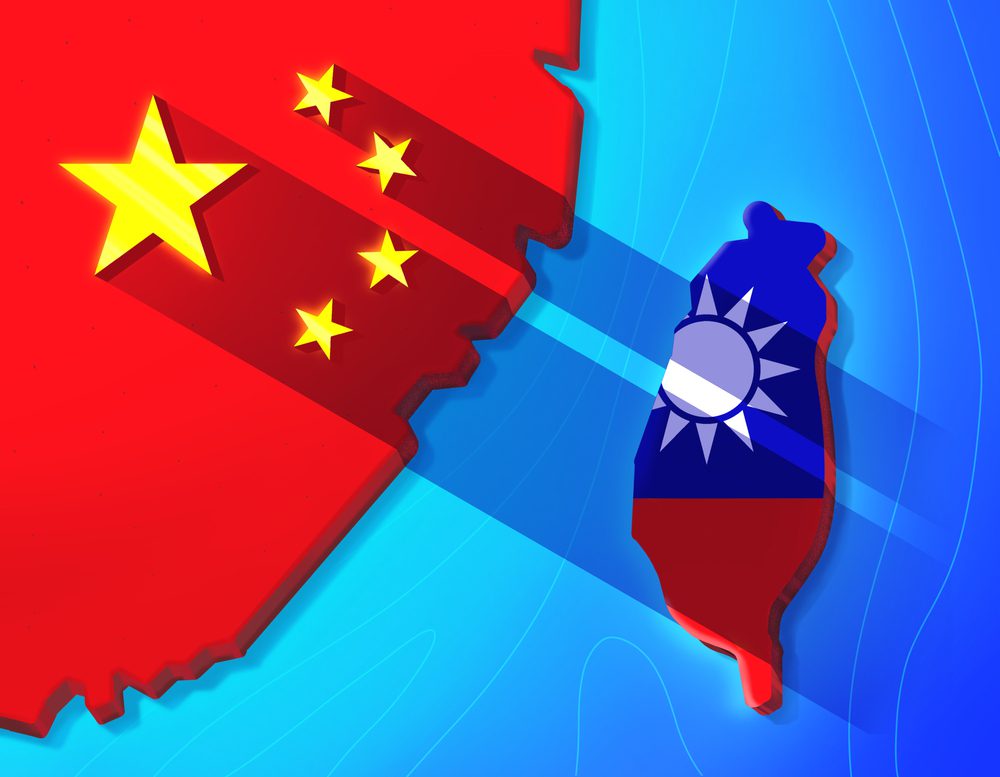
To dissuade Beijing, the U.S. has struck a deal with Australia to host more of its B-52 bombers, which can carry nuclear as well as conventional weapons.
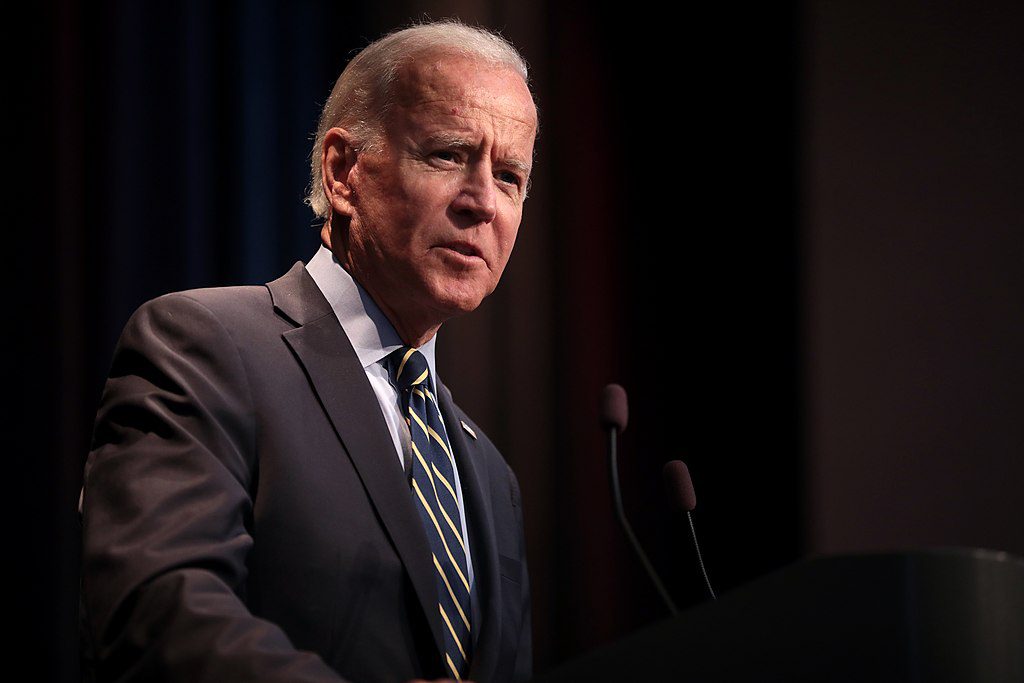
All pretense of neutrality was dropped when Biden was asked whether U.S. forces would defend the democratically governed Taiwan, to which he replied: “Yes, if in fact there was an unprecedented attack.”
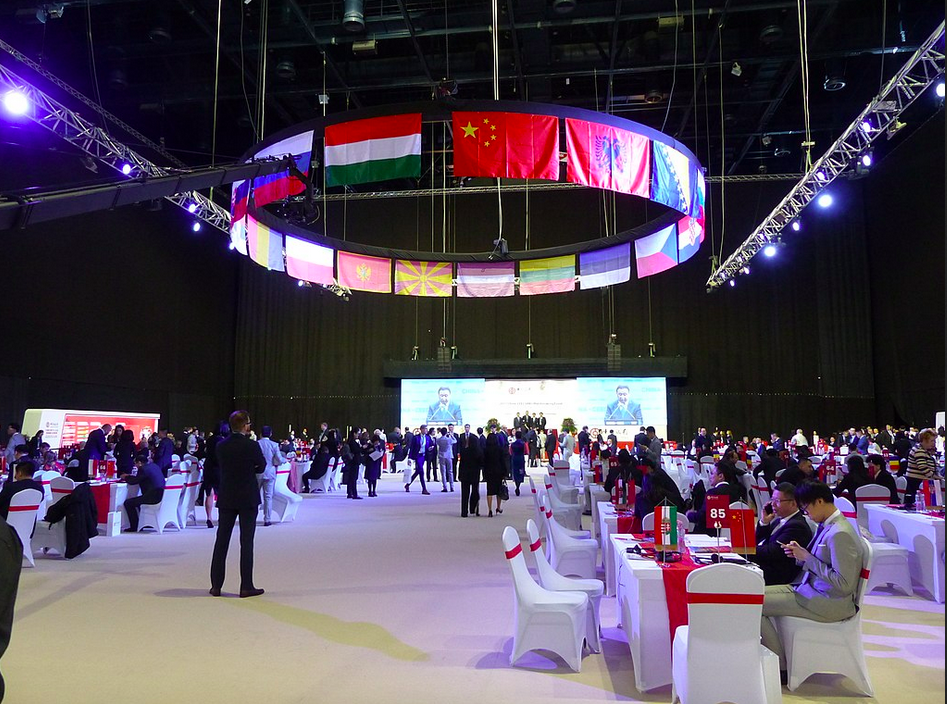
Arguing for its replacement, Lithuania’s minister of foreign affairs Gabrielius Landsbergis tweeted that “China’s 17+1 format was already redundant and divisive long before Lithuania quit.”
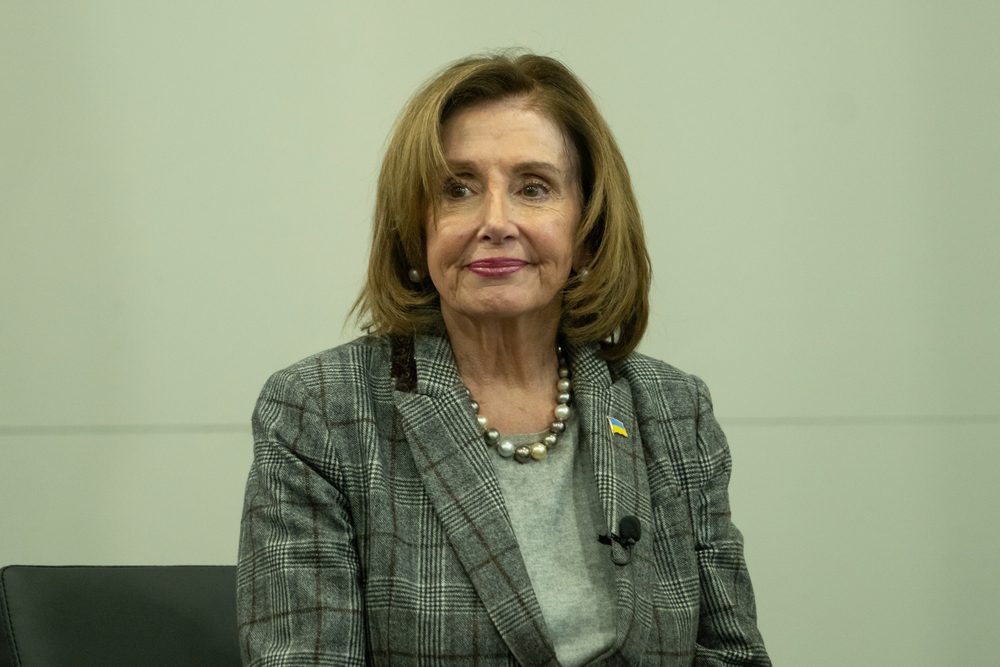
Analysts fear Pelosi’s bold move could spark a real crisis between the U.S. and China, as the latter has vowed to encircle Taiwan with military exercises.