
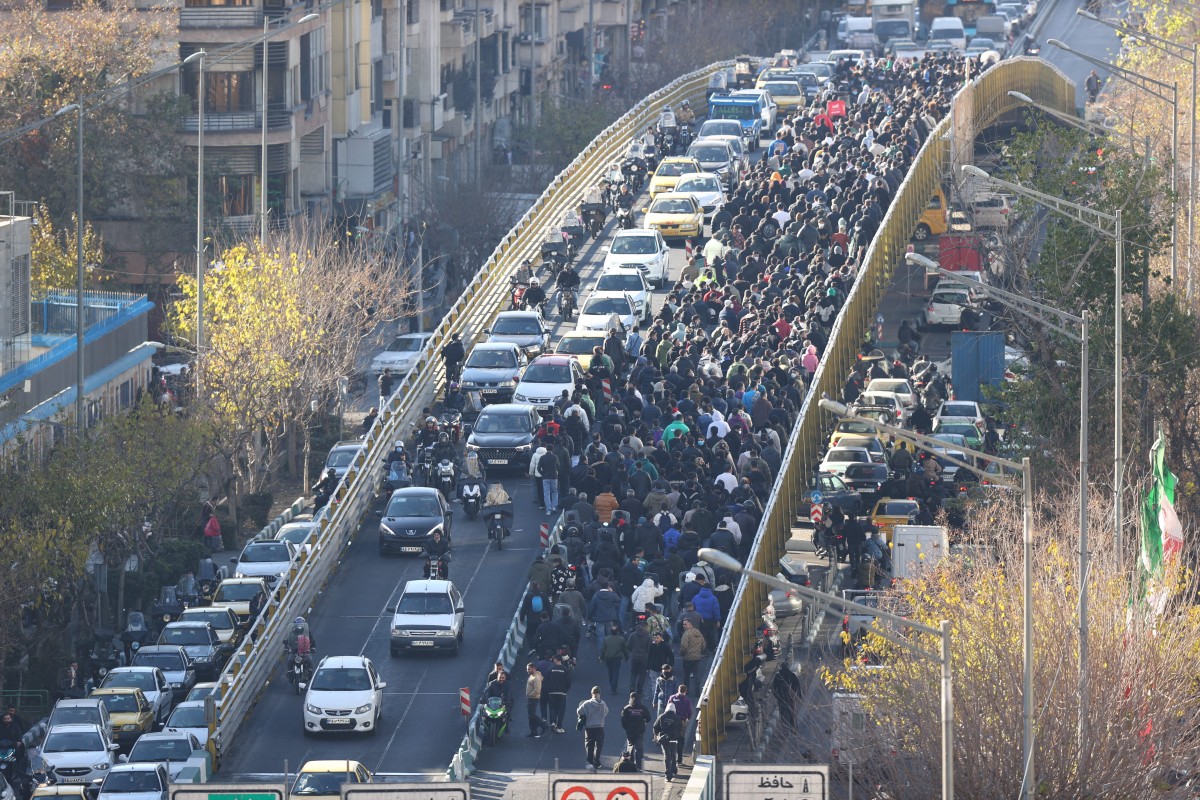
Iran: Deadly Clashes Mark Second Week of Protests
Unrest driven by economic hardship has spread to most provinces, drawing international attention—as rights groups report hundreds of arrests and rising casualties.

Unrest driven by economic hardship has spread to most provinces, drawing international attention—as rights groups report hundreds of arrests and rising casualties.
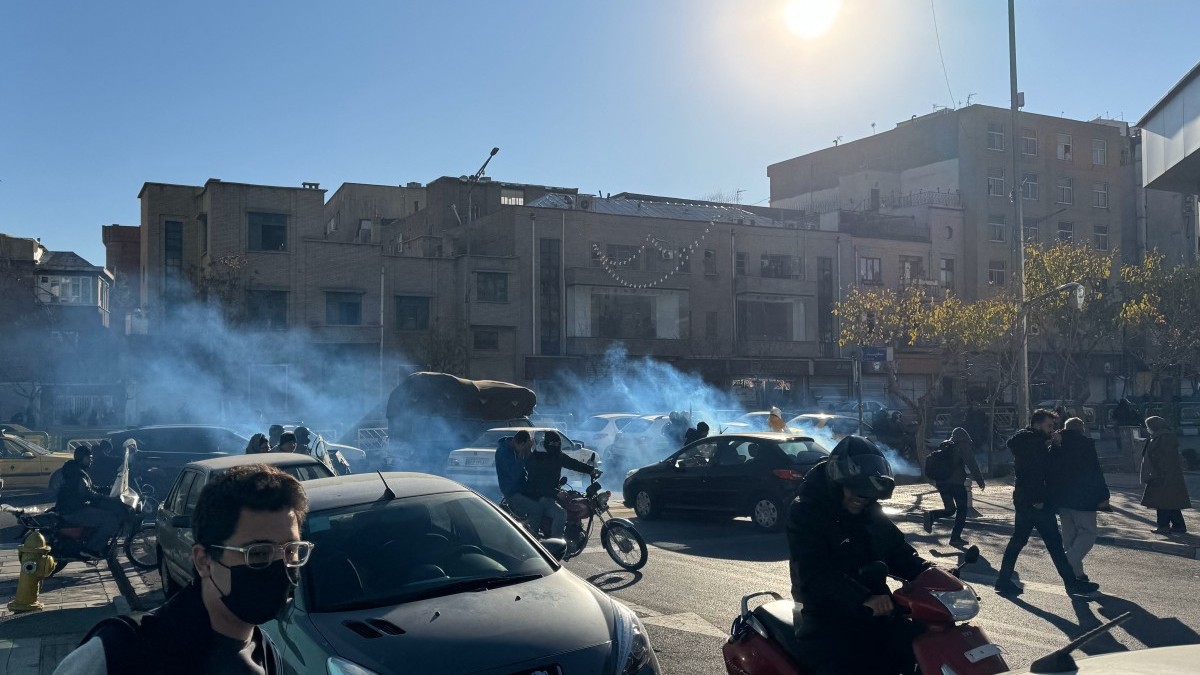
Shops remain shuttered across the capital as unrest spreads to universities and provincial cities, leaving multiple dead and injured.
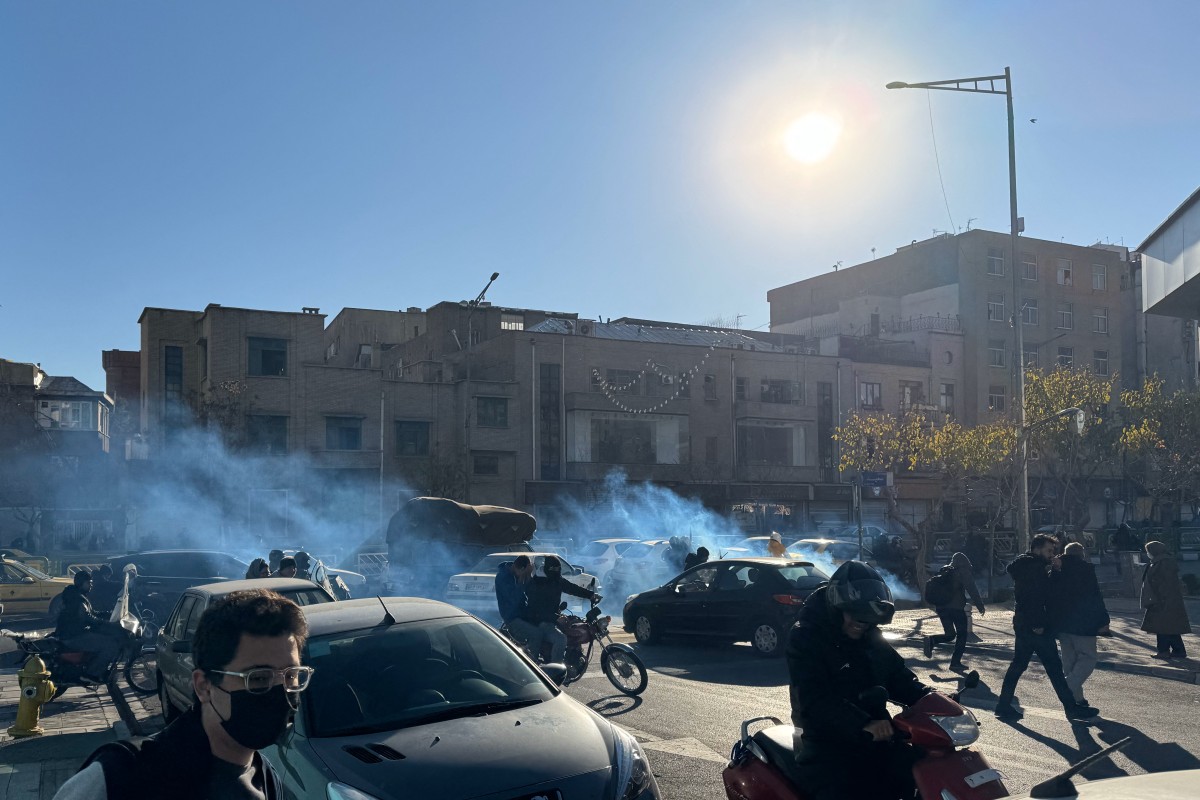
Unrest—sparked by soaring prices and economic stagnation—has spread from Tehran to provincial cities, with the first reported deaths of Iranian protestors since demonstrations escalated this week.
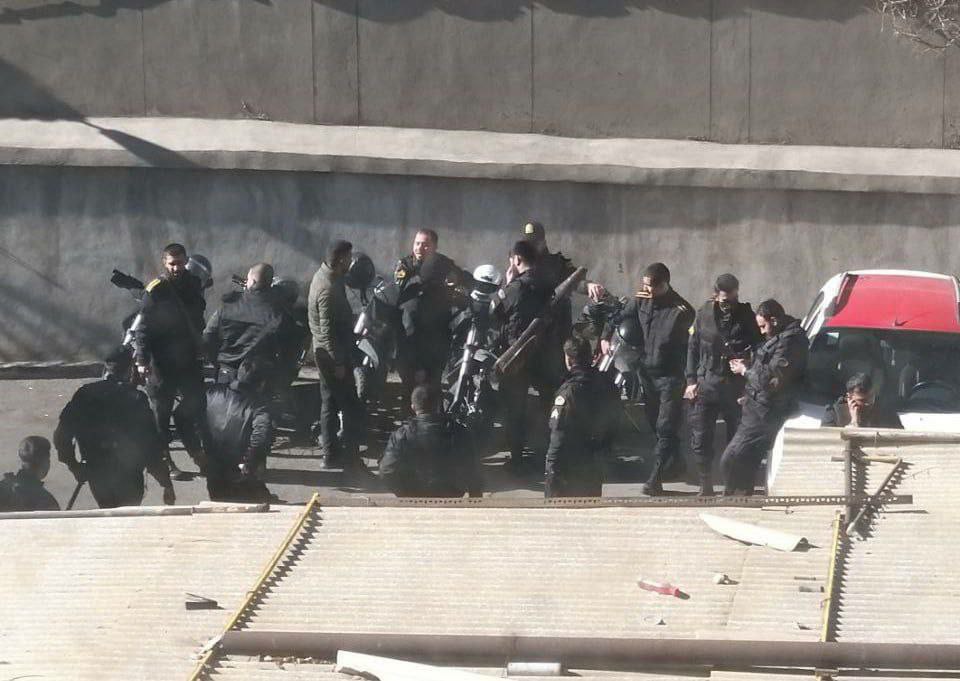
Protests against the rising cost of living turned violent, with clashes between demonstrators and security forces across several Iranian cities.

Predictions abound that another Israeli offensive against Iran could commence before the end of the year, potentially more extensive and complex than the previous operation in June.
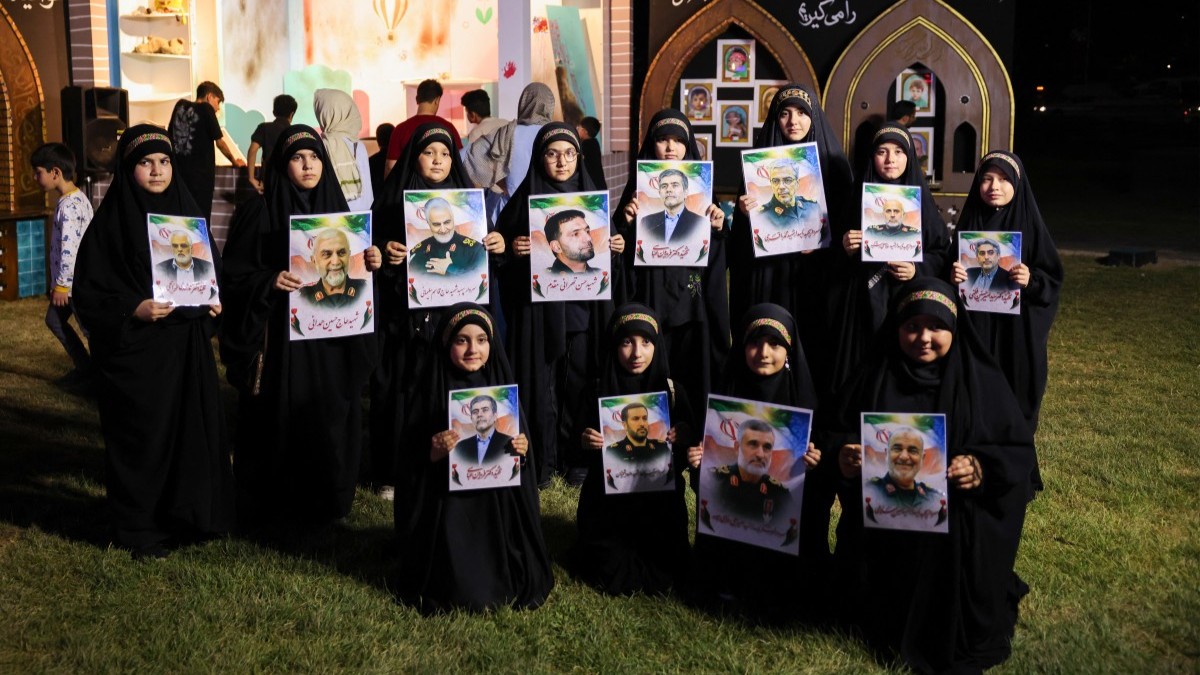
On Sunday, September 28th, lawmakers in Tehran debated how to respond to the UN sanctions that came into effect at midnight. The sanctions package includes
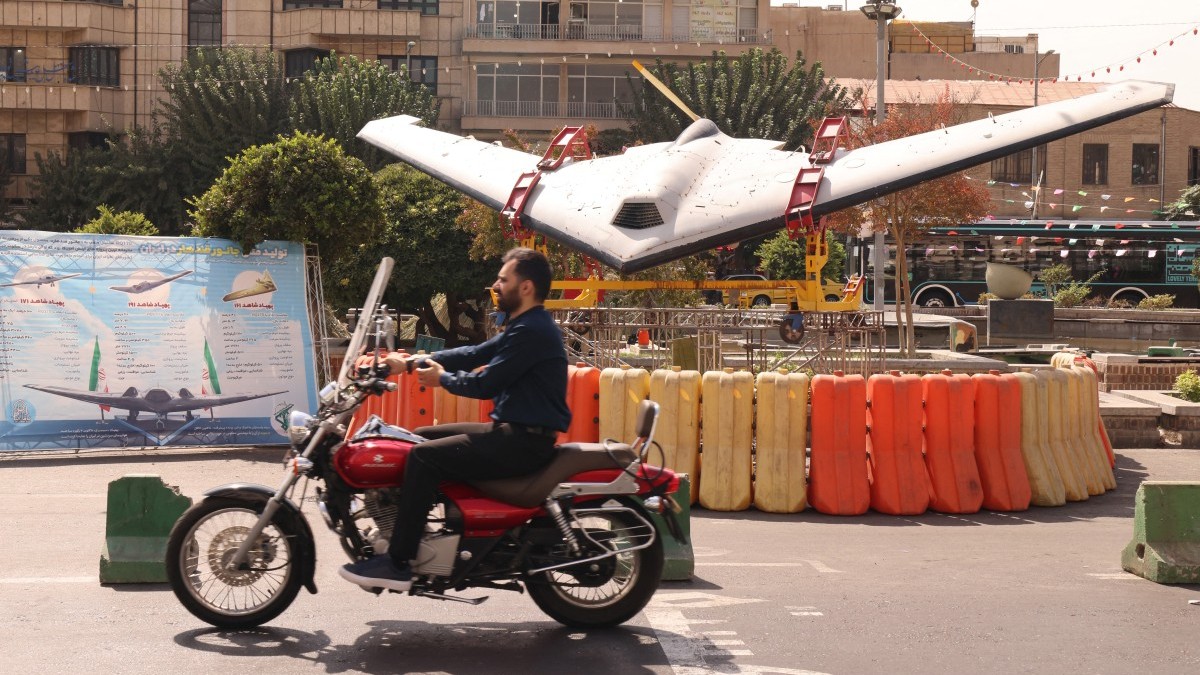
Tehran also vowed a “firm and appropriate response” to the sanctions, and urged countries “not to enforce it.”

Capital-punishment hungry Iran and European negotiators blame each other for the failure of diplomatic efforts to agree on Tehran’s nuclear program.

“There will continue to be maximum economic pressure on Iran until they change course,” the U.S. Secretary of State said.
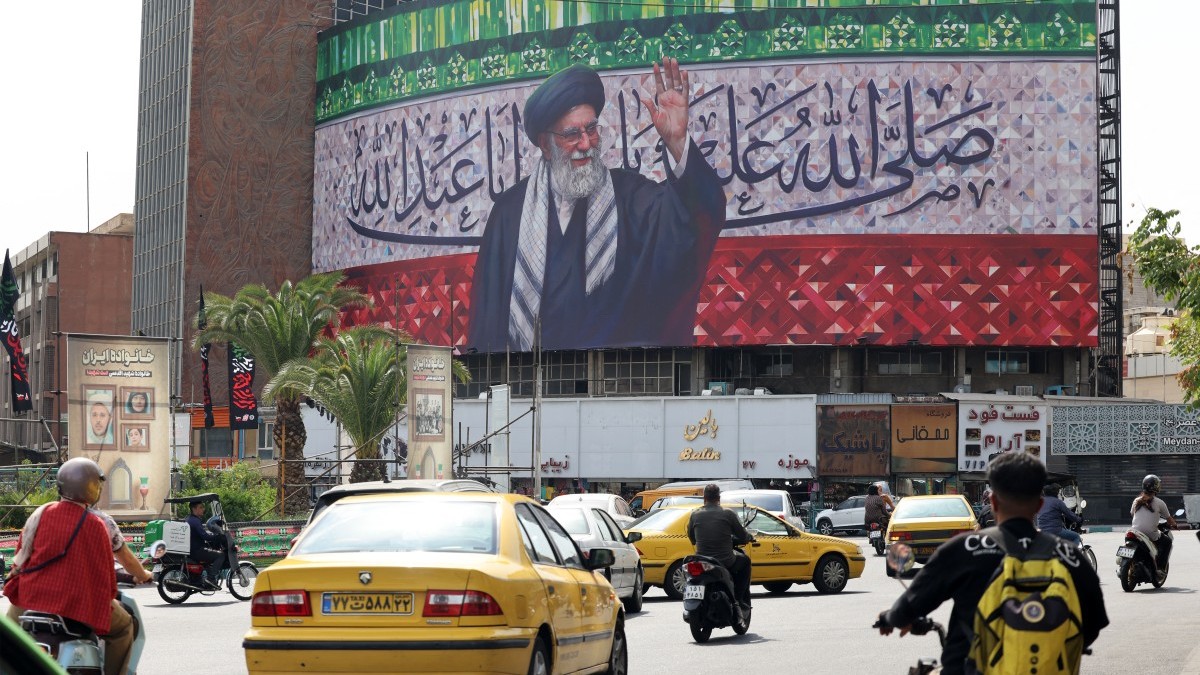
High level negotiations have been taking place trying to keep Tehran at the table with every tool available.