
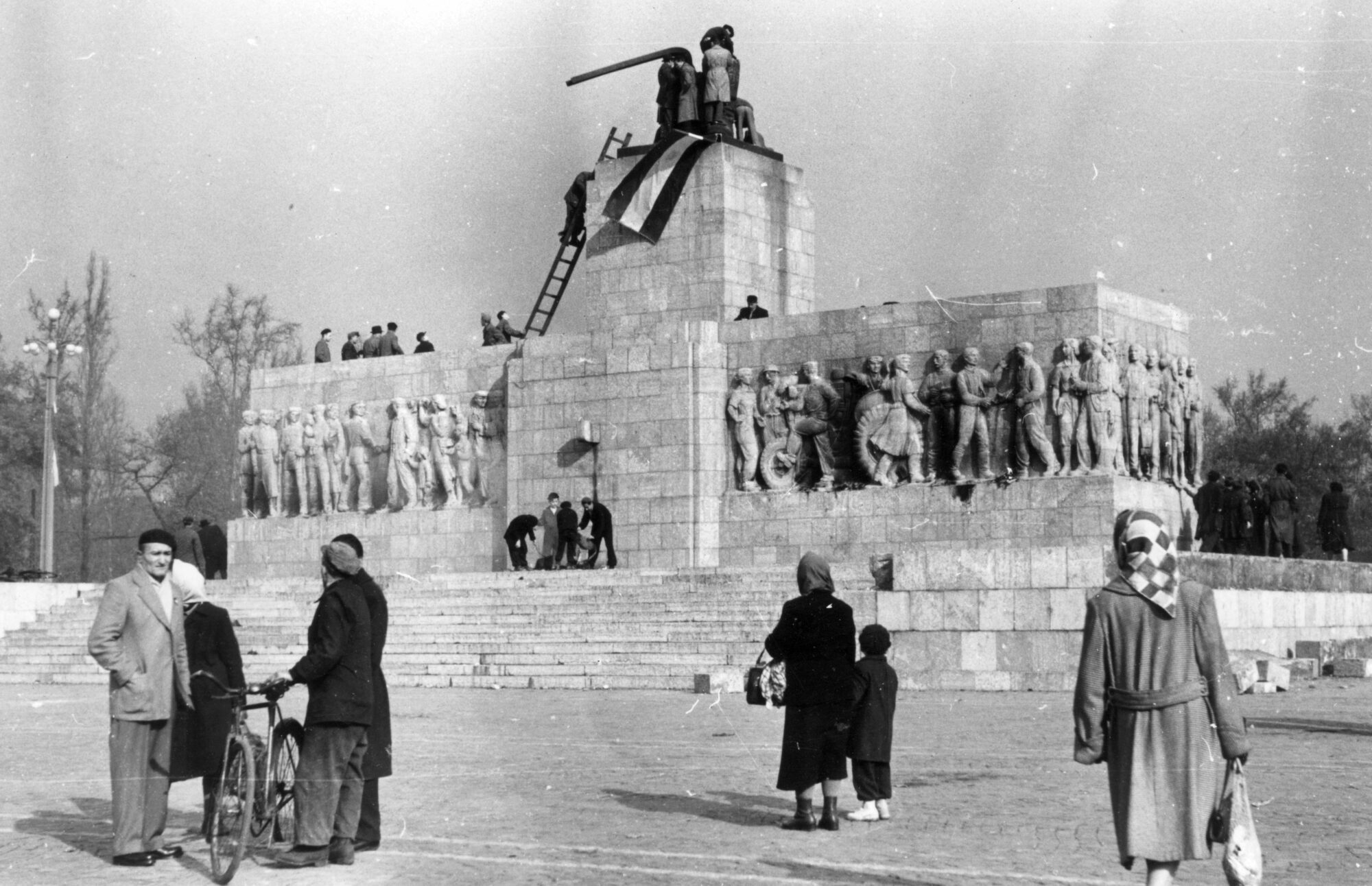
Nationalism and Freedom: Thirty Years After the Fall of the Berlin Wall
“Who are we, what holds us together, and how do we stay together so as to bear our burdens as a community? For conservatism is about national identity.”
— Sir Roger Scruton

“Who are we, what holds us together, and how do we stay together so as to bear our burdens as a community? For conservatism is about national identity.”
— Sir Roger Scruton

All 47 defendants, among whom are well-known pro-democracy activists like former student leader Joshua Wong and lawyer Benny Tai, risk life in prison.
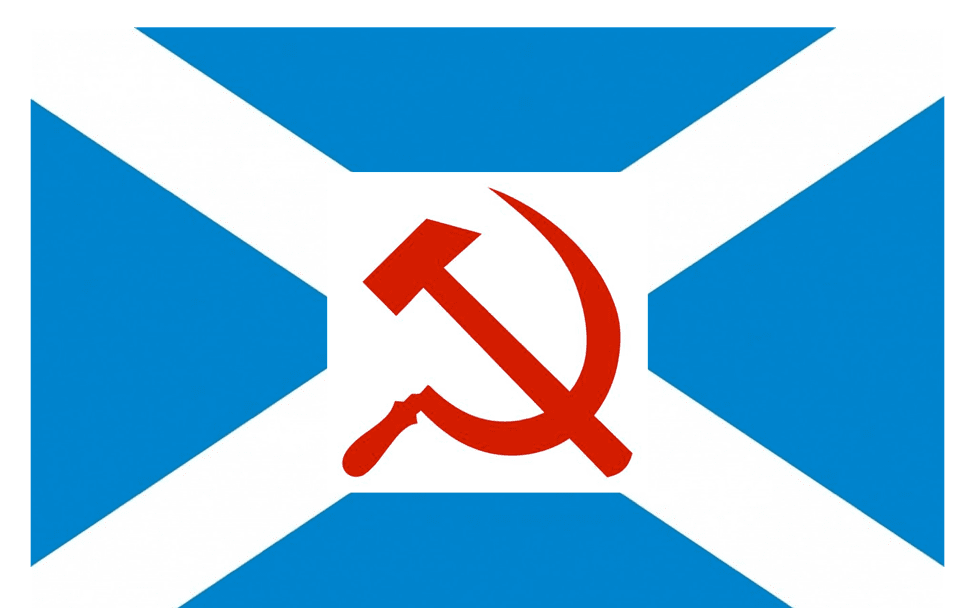
Much like the Communists of the early 20th century, the Scottish government aspires to completely transform society—whether people like it or not.
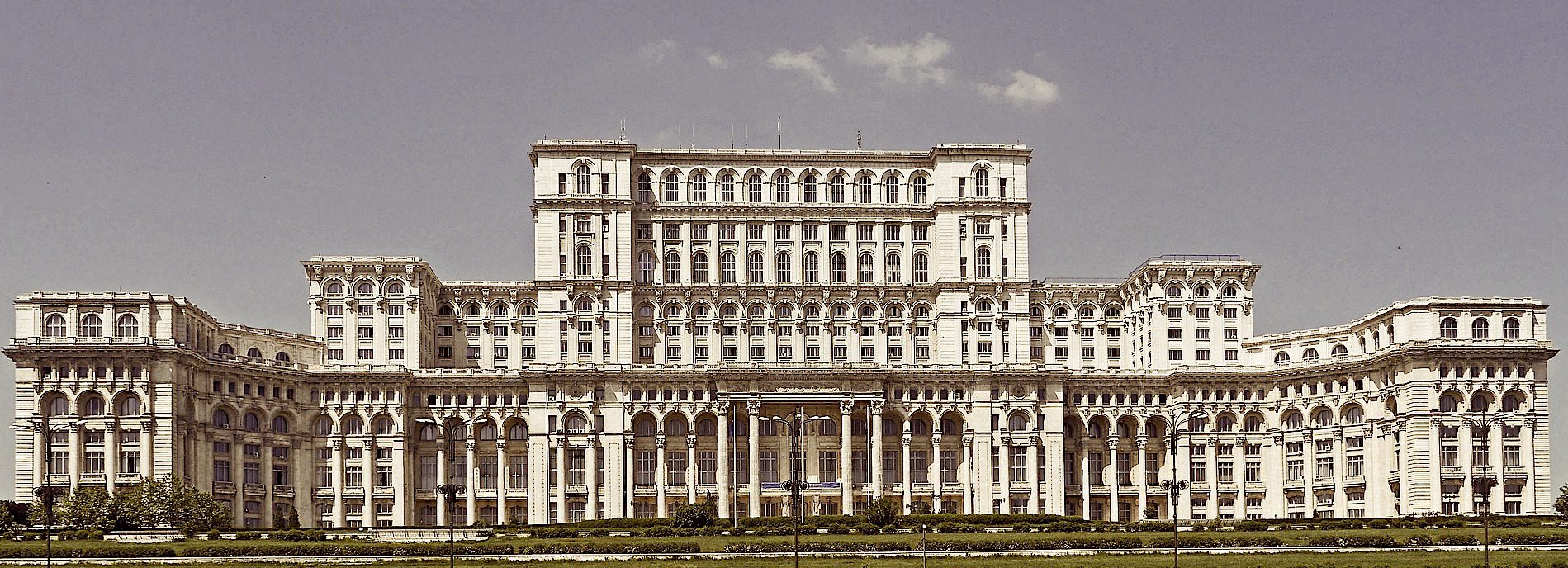
Tyranny can grow in the soil of freedom—all it takes is planting the wrong seeds.

Health care systems with a high degree of government funding were ill-prepared for the pandemic; systems with a higher degree of private and semi-private funding had a much better capacity to respond.

Individual citizens cannot be trusted to understand ideologies. They must be guided, Ebeling explains, by “collective epistemic agents.” But what knowledge are these agents supposed to help citizens gain?

I will tell you right away, professor Oster: there will be no amnesty. Not a chance. And here is why.

No totalitarian state can firmly establish itself without identifying its enemies, those who are deemed to be dangerous for both state and society. This time, the scapegoats are the unvaccinated.

Health is to the political class what money is to bankers: an inexhaustible source legitimation of their exercise of power.
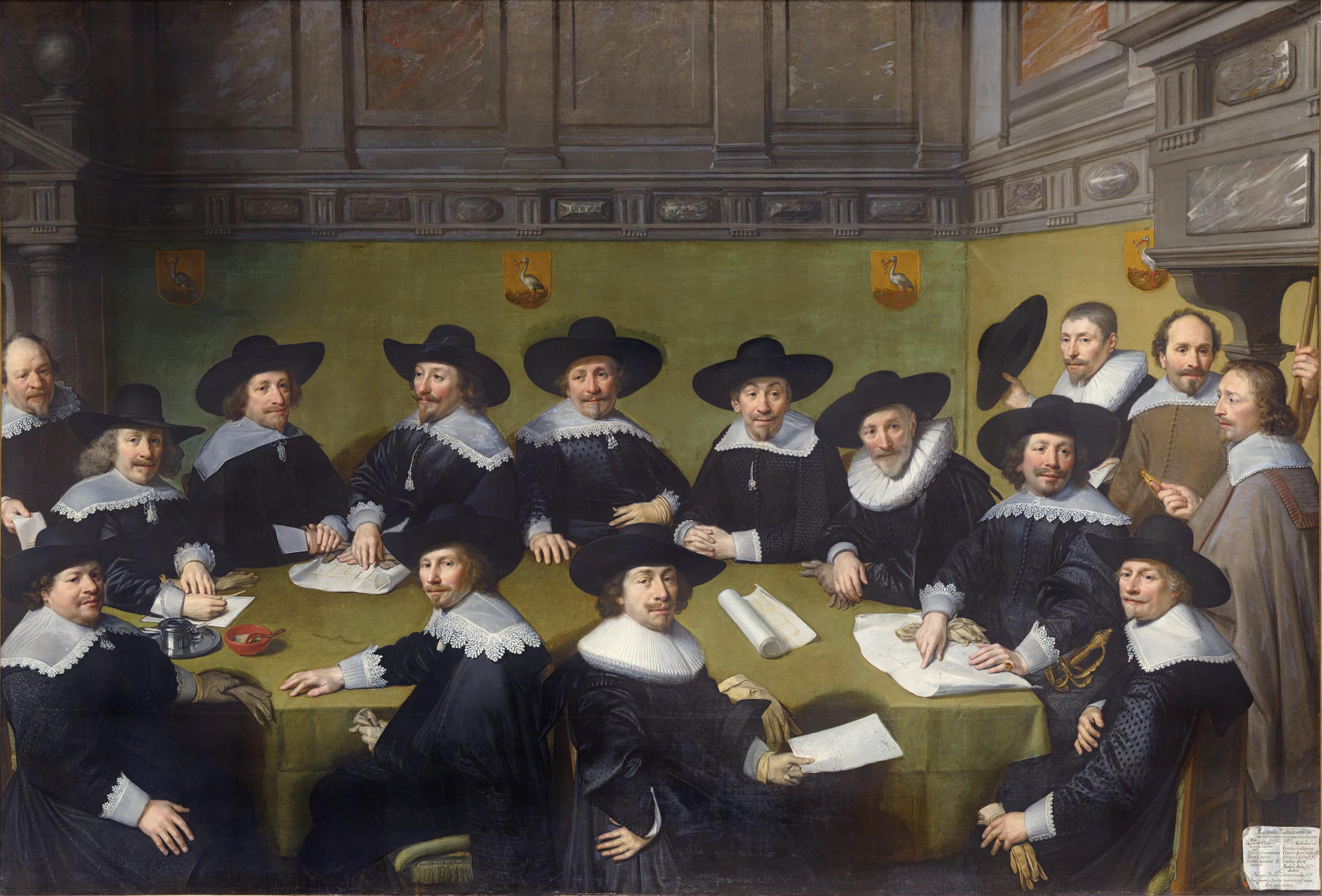
We are in a situation in which a democratic decision-making process has been abandoned in favour of deferral to the ‘experts’ chosen by the media. This cannot be good.