Irony-Poisoned: Against the Online Content Mill
We are addicted to snarky commentary and the daily-churning of vacuous novelty. We won’t really be champions of anything like ‘tradition’ so long as we remain mired in these postmodern poisons.

We are addicted to snarky commentary and the daily-churning of vacuous novelty. We won’t really be champions of anything like ‘tradition’ so long as we remain mired in these postmodern poisons.

For Archbishop Welby, confirming traditional moral teaching is not a question of truth, but of practicality and prudential policy— considerably diminishing the moral significance of his letter.

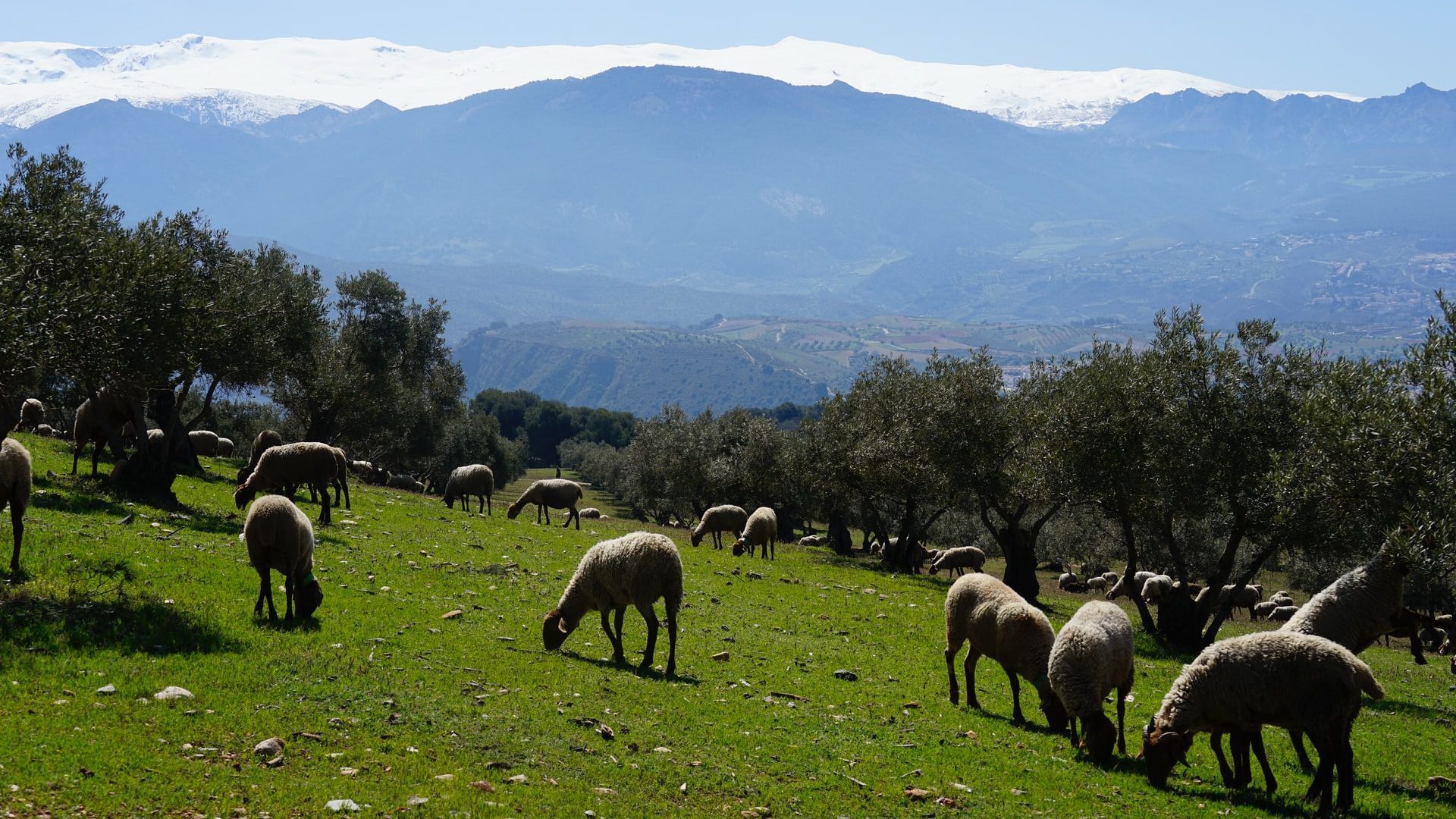
Locals, forestry experts, farmers, and ecologists all agreed that the principal problem is bad forest management, which is best countered by a return of rural life and its traditional activities, particularly extensive cattle farming. But it’s easier said than done.

As lovely as it is to see far-flung hamlets of stone houses reinhabited, it is also sometimes difficult to find in their tenuous revival a genuine re-founding of the traditional Europe of which they were originally a part.

One of the terrible features of modernity is that we measure everything by the criteria of productivity and success. But we were not made to be productive, nor to be successful, at least not as our world understands such terms. We were made to flourish.

The subject of these pages is, in a broad sense, religious—Catholic—traditionalists. Yves Chiron also explains why being a ‘traditionalist’ is not exactly the same as being a ‘traditional’ Catholic.

“No adult group escapes the eye of Them Before Us. It is an organization that insists that all adults—single, married, gay, and straight—all sacrifice for children. No adult gets a pass. Every adult has to do the hard things, so that children’s rights are protected.”—Katy Faust

Far from what the label suggests, humanist weddings do not free spouses to live in accordance with truth. The reconquest of freedom is at the heart of Christian marriage, which for centuries has been one of the original features and strengths of Western civilisation.

Byung-Chul Han draws attention to the value of things which have been the subject of neglect and indeed vilification for three hundred years in the West: inherited loyalties, roles, and customs.

Today we are far from understanding carnival, precisely because we live in a continuous carnival, a constant inversion of norms. But if revolution is a parody of carnival, the totalitarian control that follows is a parody of Lent—and we can already see those austere masts on the horizon.