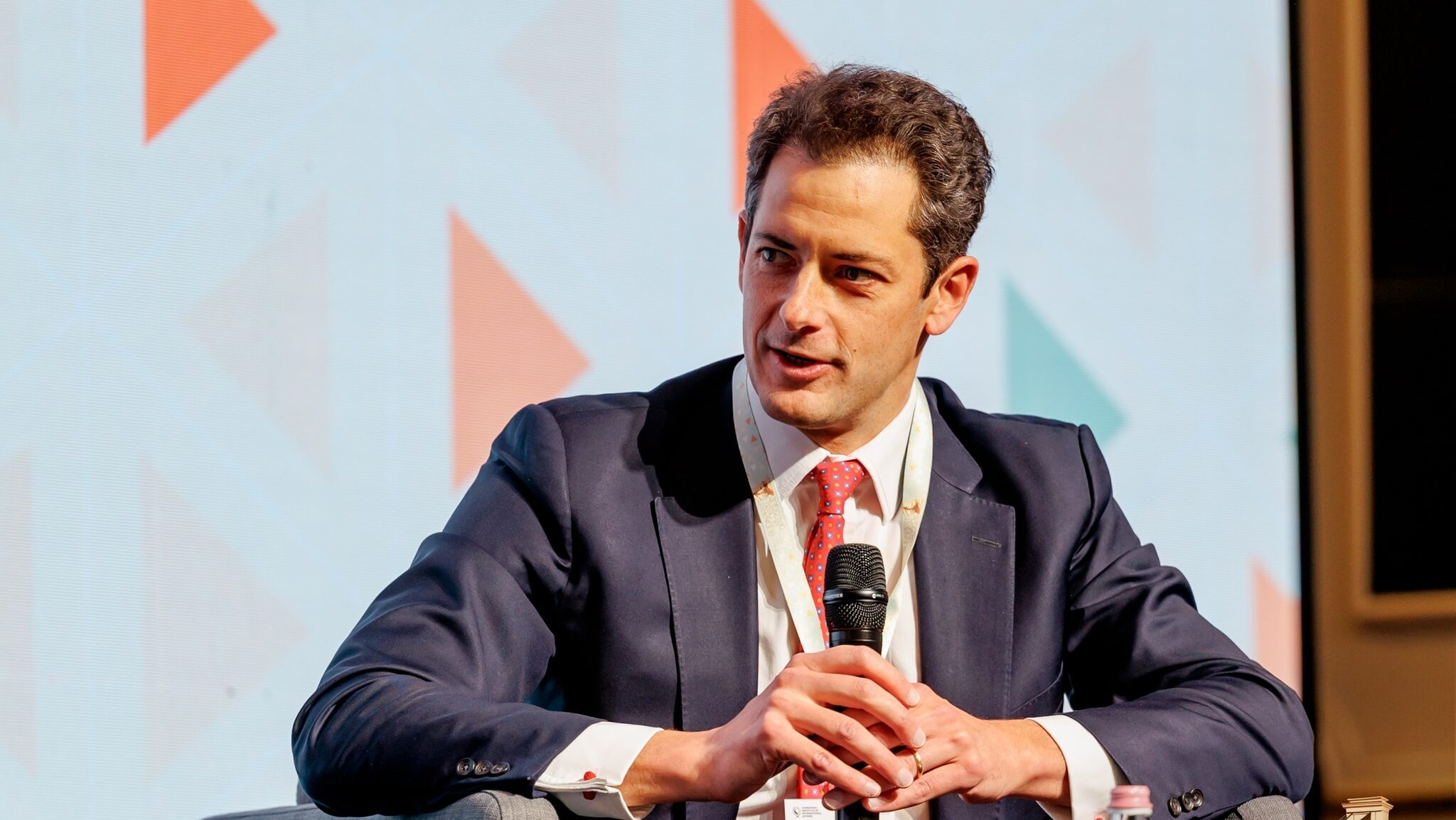
“Many common-sense solutions have been expelled from Europe’s political system”—Atlantic Council Expert Andrew Peek
Transatlantic tensions increasingly stem from conflicting views on democracy and sovereignty, Peek says.

Transatlantic tensions increasingly stem from conflicting views on democracy and sovereignty, Peek says.

As the U.S. courts Central Europe, the battle over who defines ‘the West’ moves to the center of transatlantic politics.

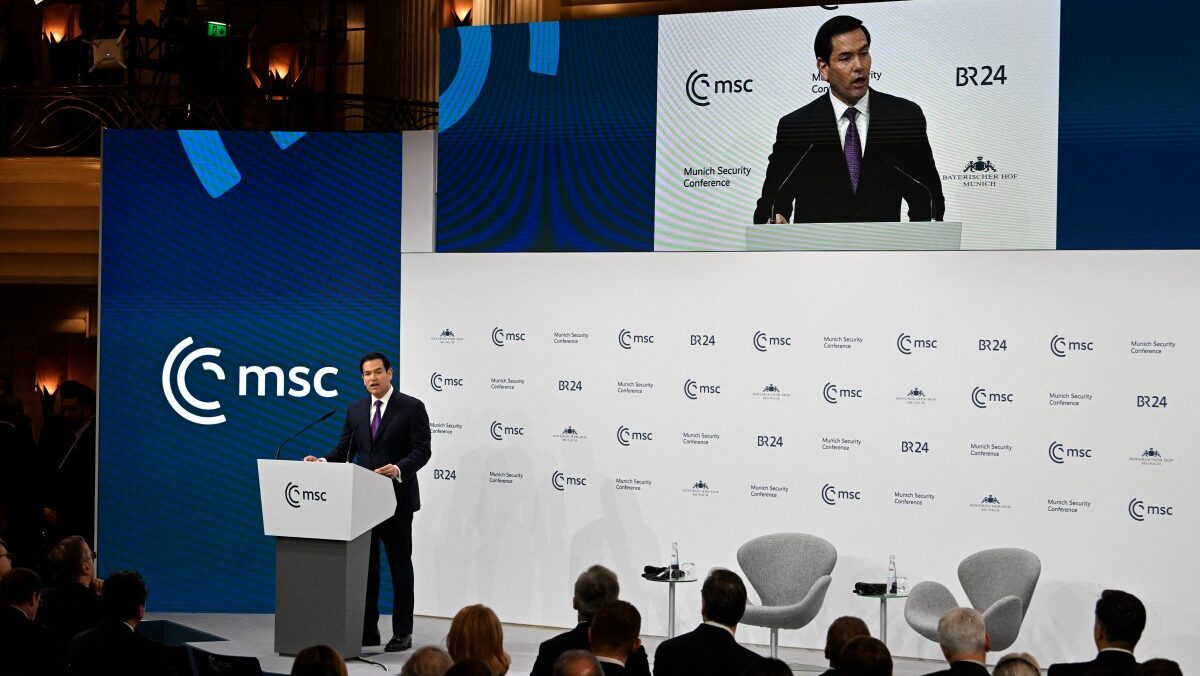
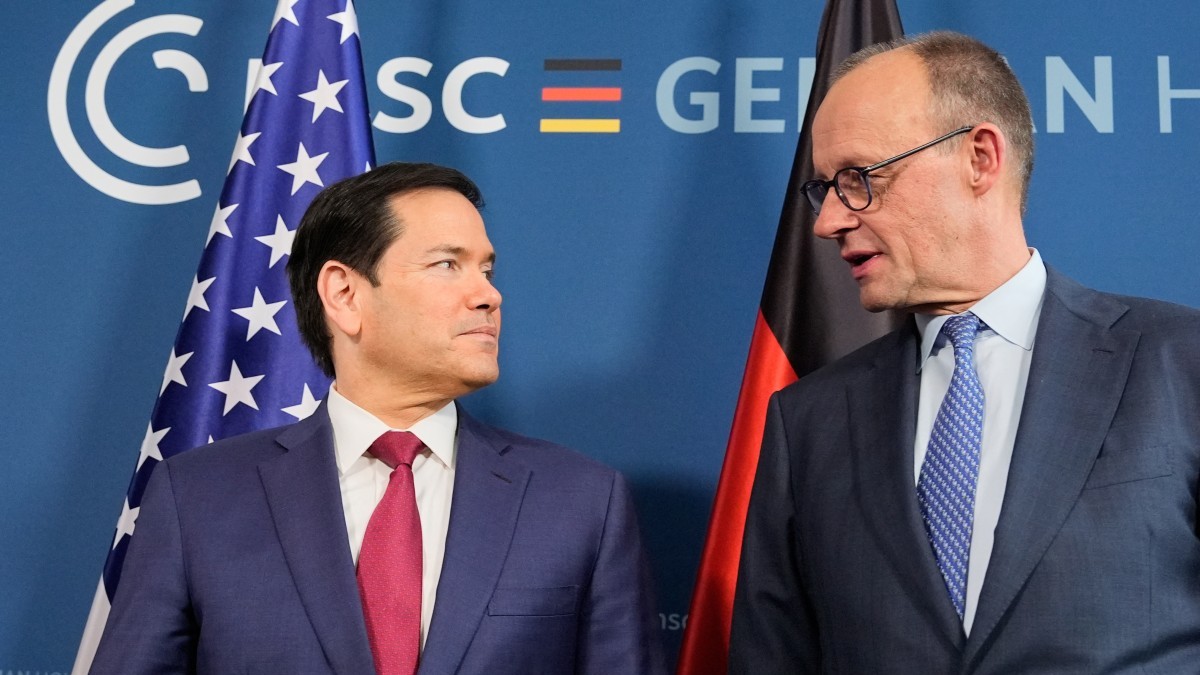
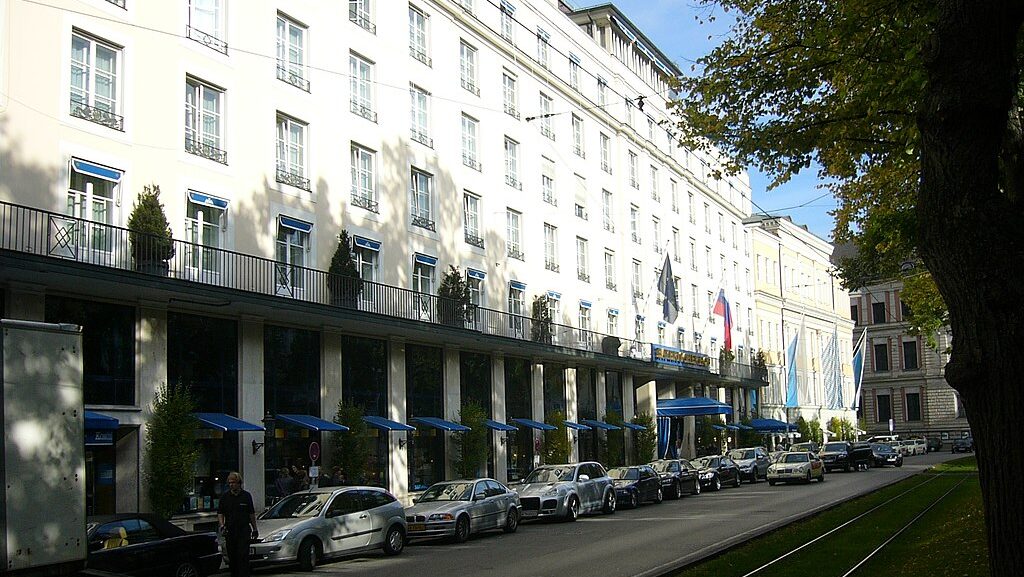
Speaking at the Munich Security Conference, the German Chancellor stressed that NATO remains a strategic advantage for both Europe and the United States.

The U.S. secretary of state declared in Washington that “the old world is gone.”

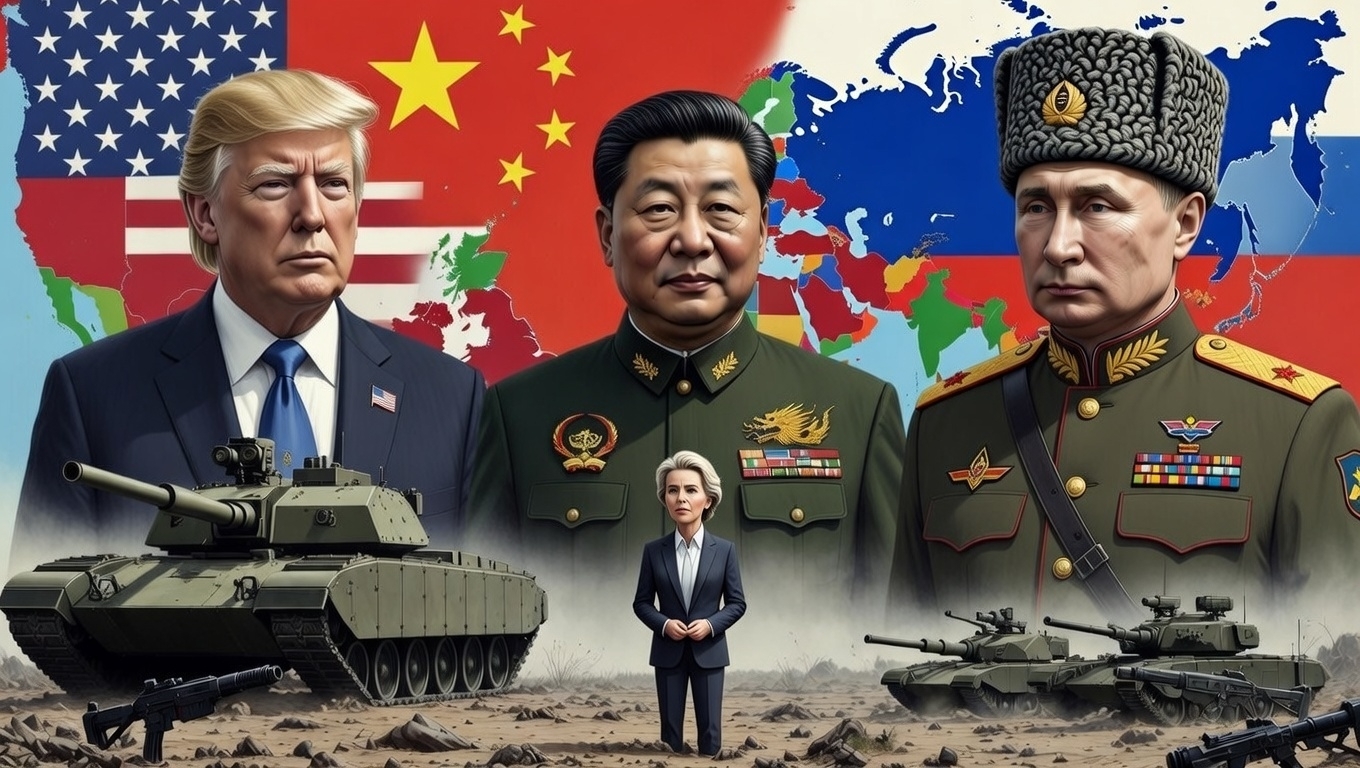
The weakening of the transatlantic bond and China’s strategic advance are forcing Europe to make decisions it can no longer postpone.

In security policy, ‘commitment issues’ are measured in capabilities, not flowers, and Europe must choose between relying on U.S. reassurance and building the capacity to stand on its own.

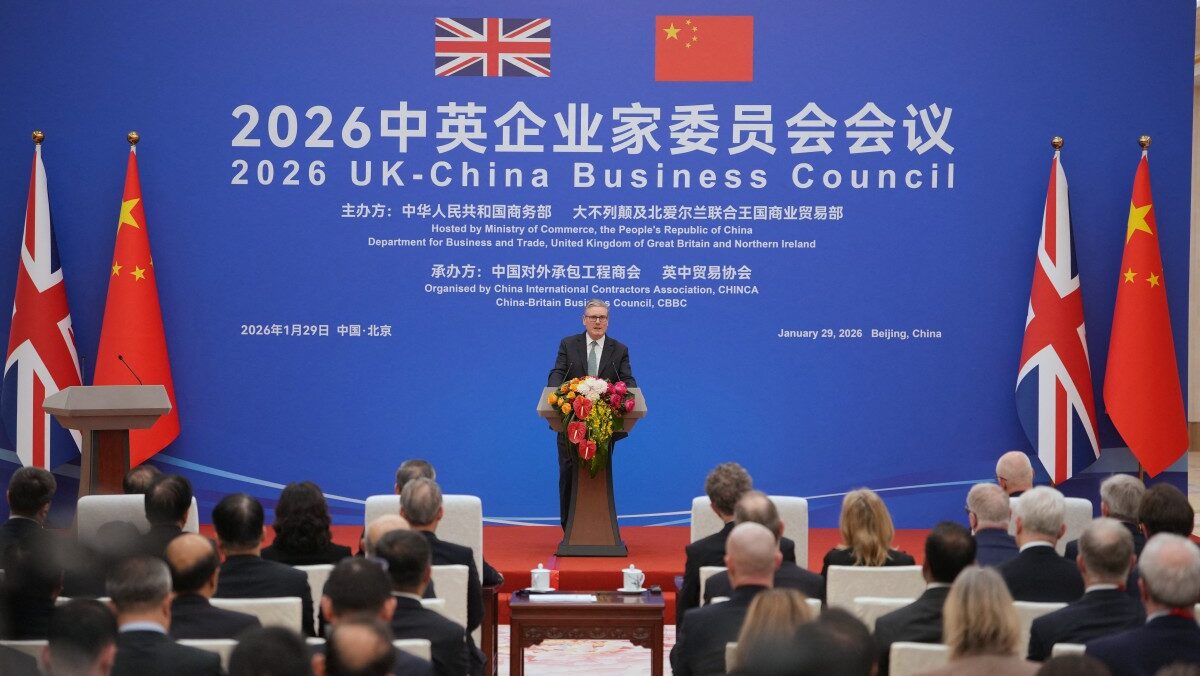
European leaders are quietly re-engaging Beijing to protect trade and supply chains, underscoring how hard China is to replace for a competitiveness-strained Europe.

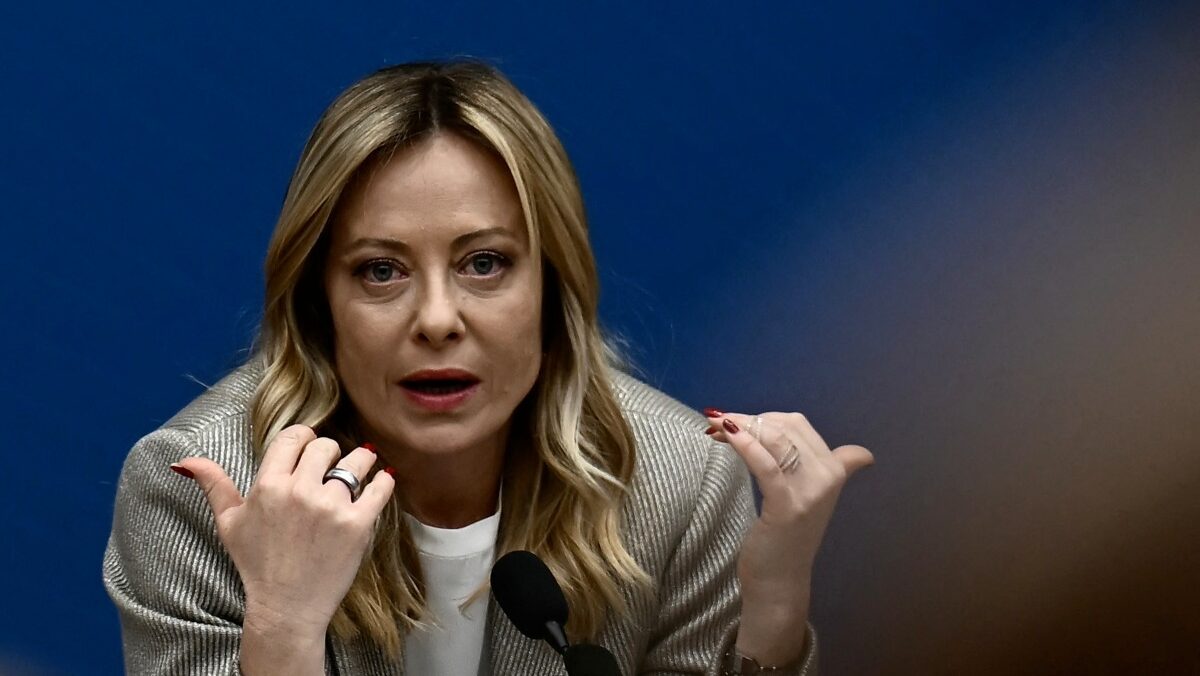
The Italian Prime Minister is convinced that, as the balance of power is not favourable to Europe, it is better to continue negotiations.