
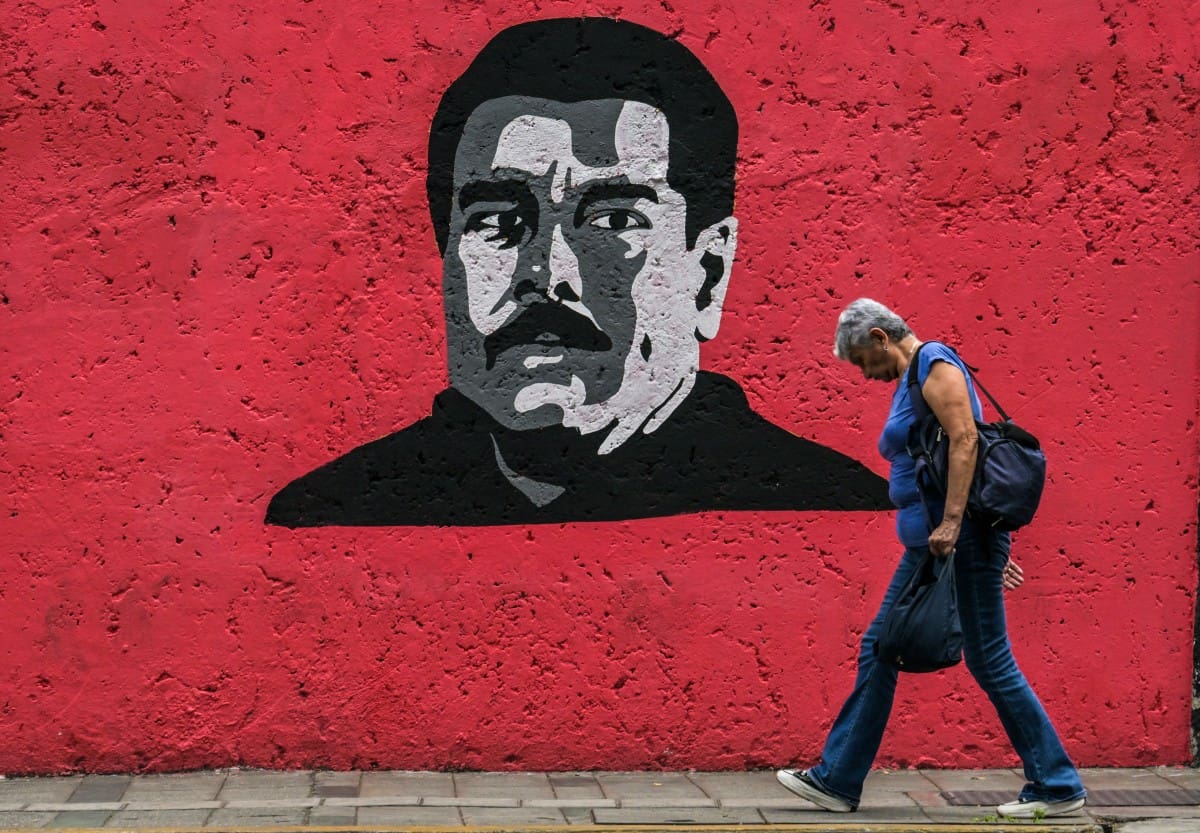
The Strategic Importance of the Venezuelan Elections for Europe
There is huge potential for electoral fraud, designed to keep the regime in power.

There is huge potential for electoral fraud, designed to keep the regime in power.
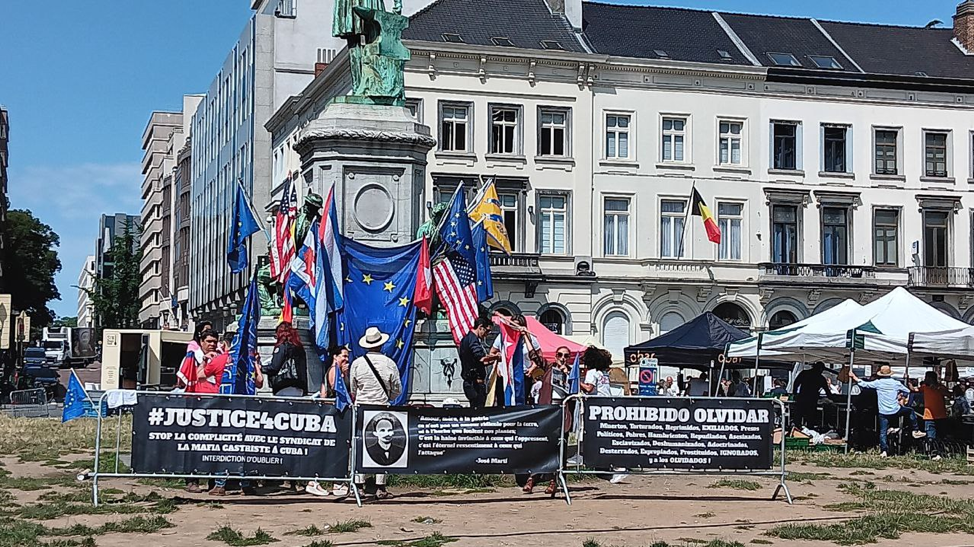
Anti-communist MEPs fear that the EU is set to normalise relations with Venezuela and Cuba entirely due to the geopolitical need to win over South America, warning that such a move would only strengthen China and Russia’s position in the region.
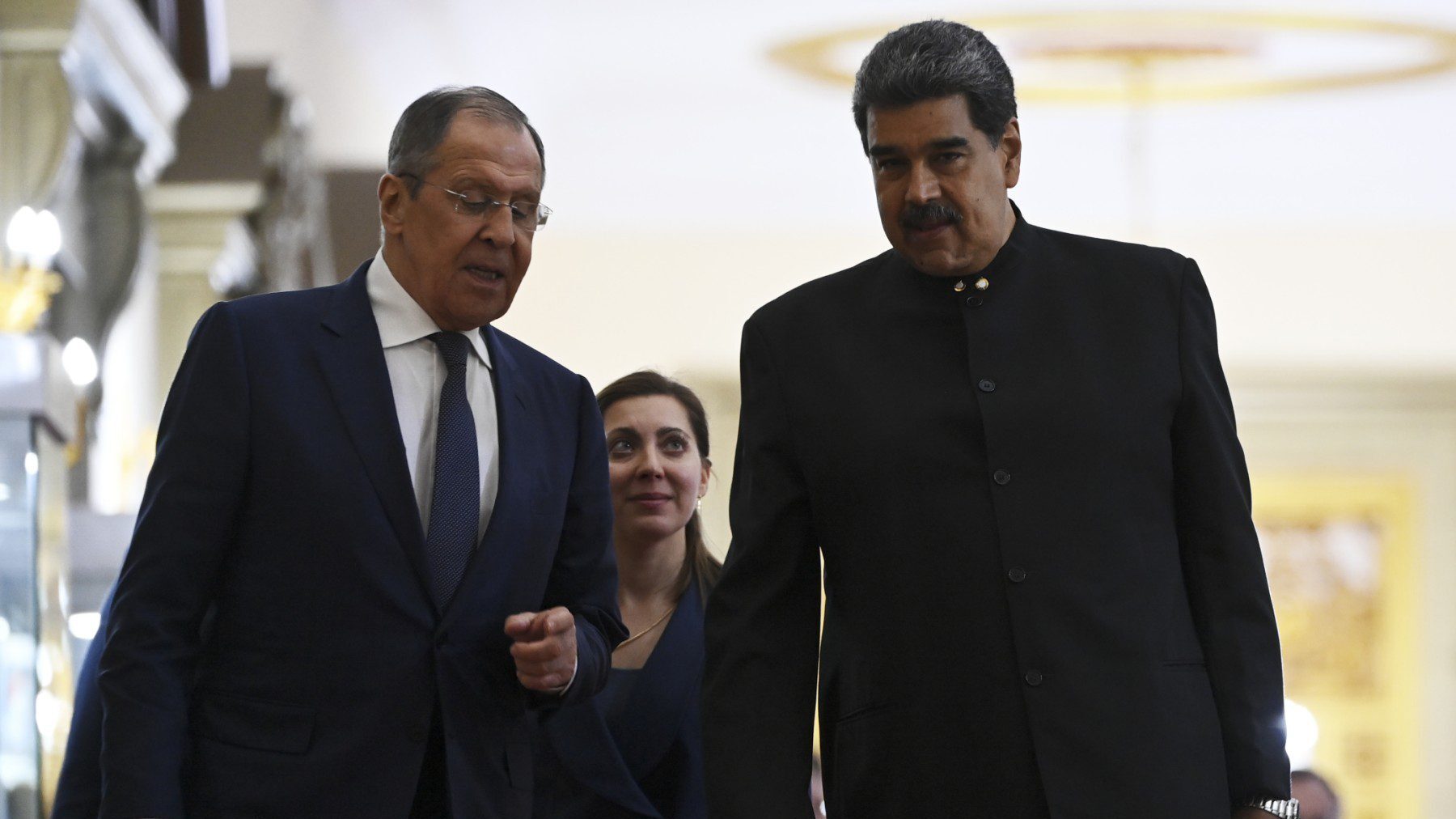
As Moscow is expanding its trade and economic ties in Latin America, its proposed vision of the coming multipolar era is gaining traction there.
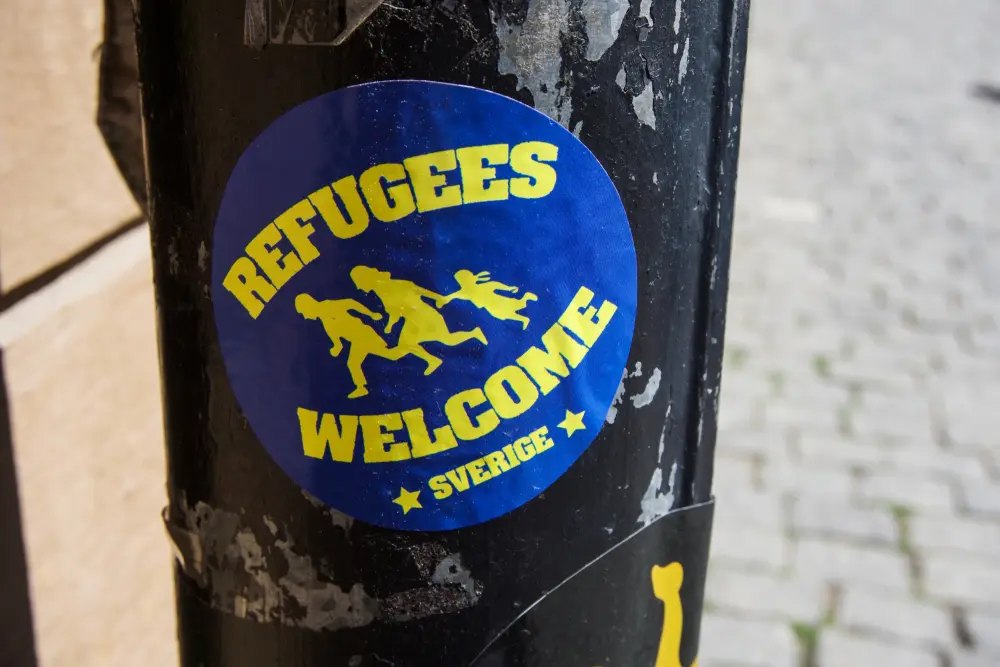
Swedish Democrat MP Ludvig Aspling described it as the latest evidence of his party’s influence over the Swedish EU Council presidency, where the country has taken a hardline on asylum fraud.
It remains to be seen whether valuable lessons to be drawn from Venezuelan expropriations will be heeded.
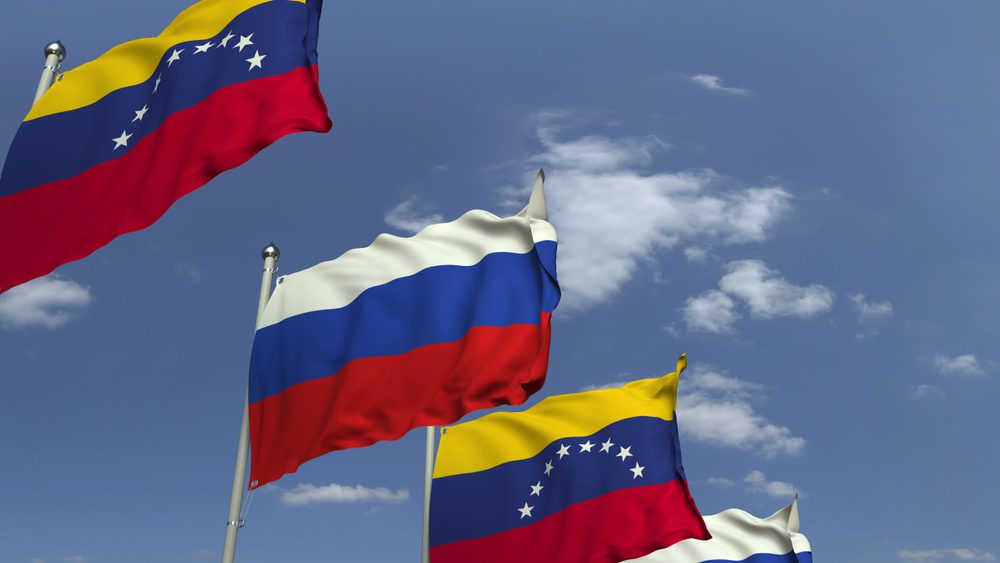
Carlos Faría, Venezuela’s Minister of Foreign Affairs, recently travelled to Moscow, meeting his Russian counterpart, Serguéi Lavrov.

Whatever the outcome of the second round, Colombia will now abandon President Iván Duque’s position with respect to recognizing Juan Guaidó as Venezuela’s legitimate head of state.

German and U.S. governments capitulate to oppressive regimes in their search for Russian energy and oil alternatives.
Proponents of unity based on imperial and religious ties must remind their opponents of the tremendous pluralism that existed within that imperial administration under which much of their continent was once united.
Over the weekend of February 18th, the Foro Madrid concluded its first meeting in Bogotá, Colombia. An initiative of the “Fundación Disenso,” a think-tank set up by Spain’s VOX party, Foro Madrid brought together leaders from political parties and organizations throughout Spanish and Portuguese speaking countries. Participants included ex-Peruvian Vice President Francisco Tudela, Colombian Senator […]