


A realm grotesquely mimicking our own; a vale of psychic parasitism just beneath the surface. We consider the meaning of uncanny inversion in horror stories.
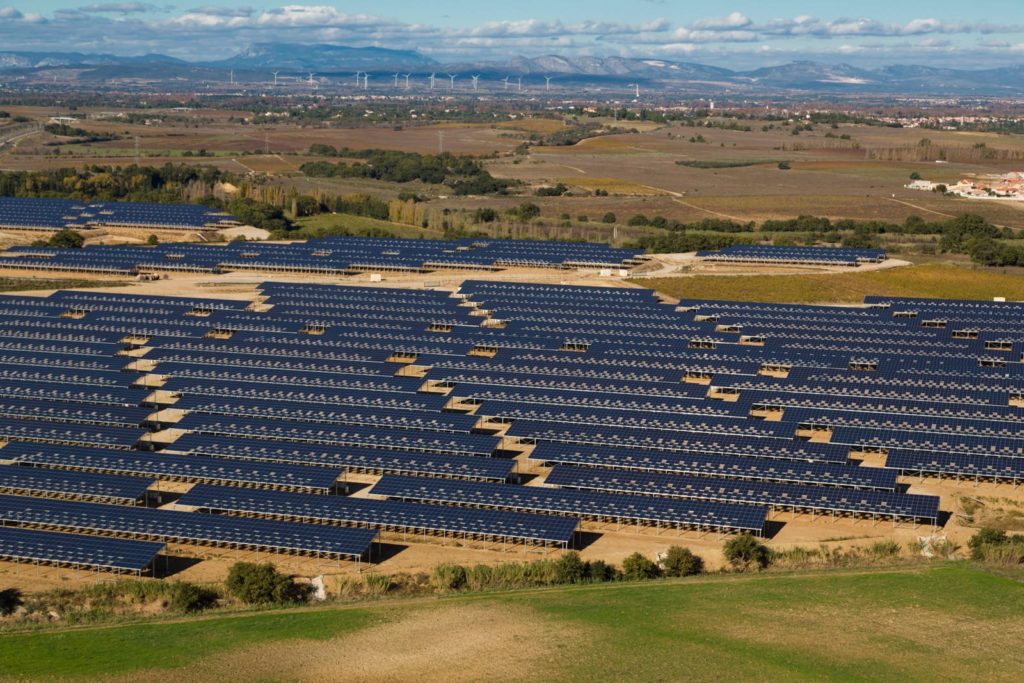
Locals have pulled back the curtain on the false promises of wind and solar, telling the dirty secrets of supposedly clean and green energy, and doing their best to form a democratic shield against technocrats and capitalists from Madrid to Brussels.
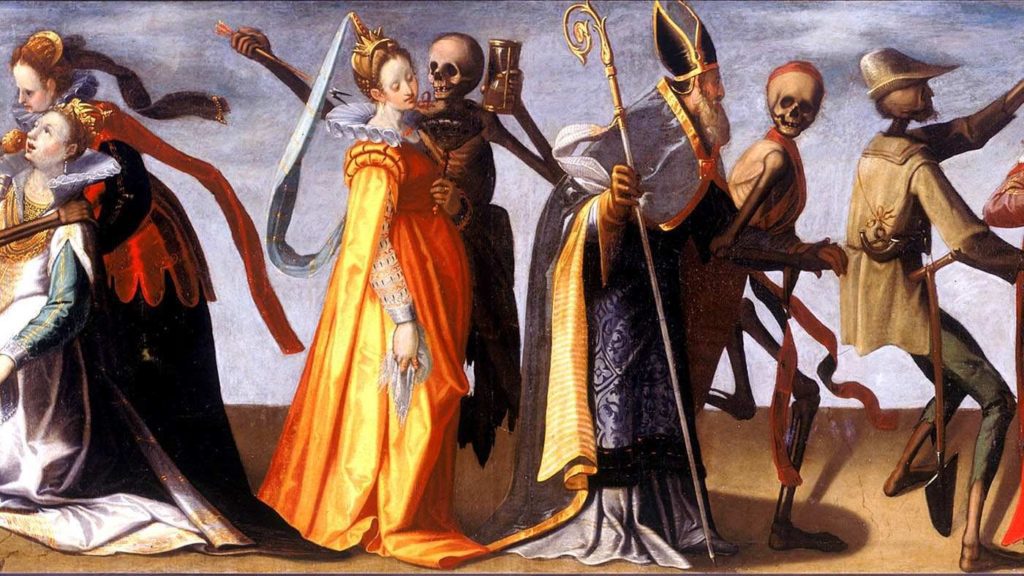
Sadly, most Christians and conservatives have forgotten the distinction between the macabre and the morbid. I believe that this is regrettable, because a small dose of the macabre—such as Christians used to take at Hallowe’en—is a potent tonic against the delusions of late modern liberalism and their disastrous effects.
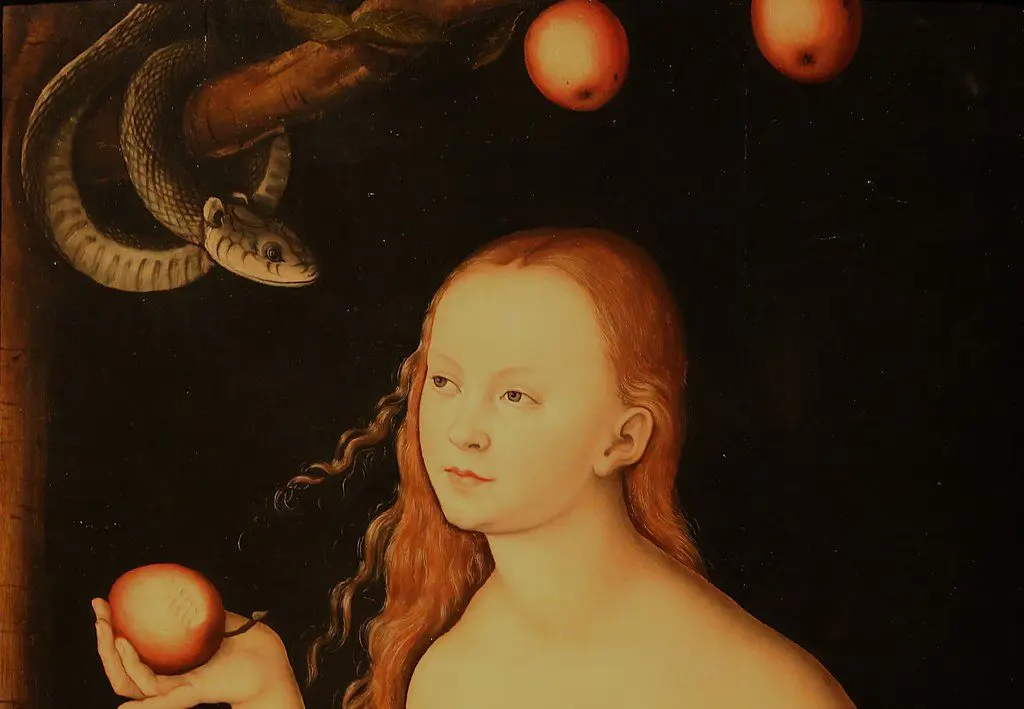
The picking of the apple in Eden was not a proper use of freedom but the contrary—an action that submitted reason and will to a higher power that does not have mankind’s best interest in mind.
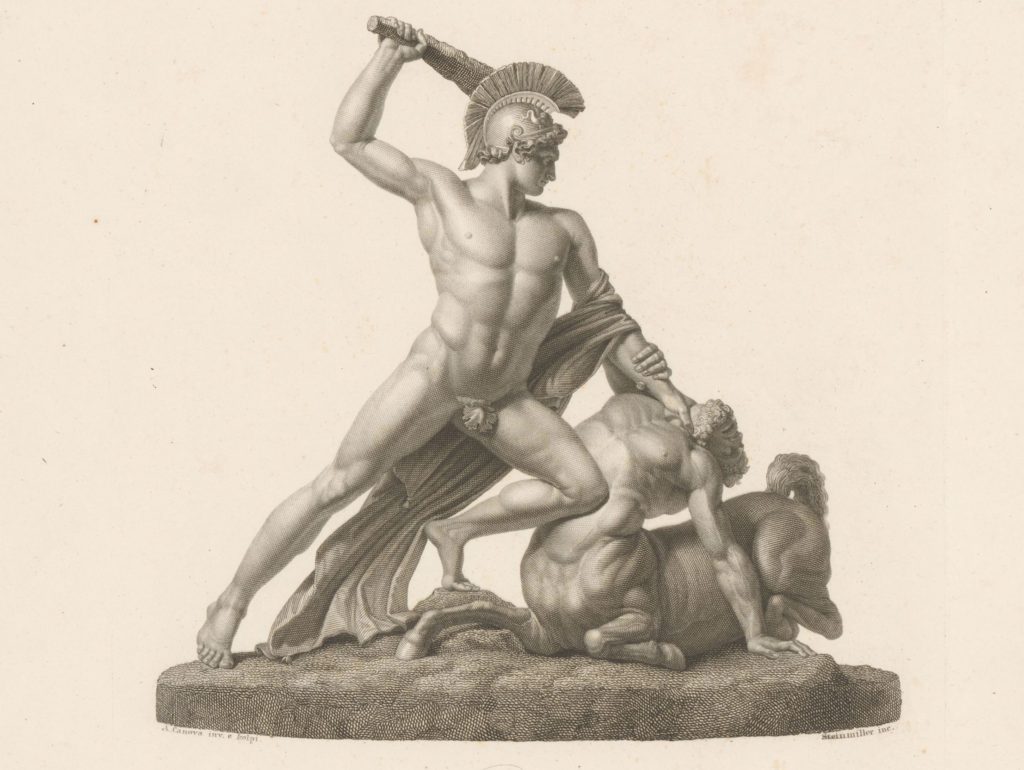
Names are important, and the name ‘conservative’ is important if we are not to forget who we are and what we strive for. Conservatives are not merely reactionaries. We affirm something. We affirm our civilisation and we want to conserve it.
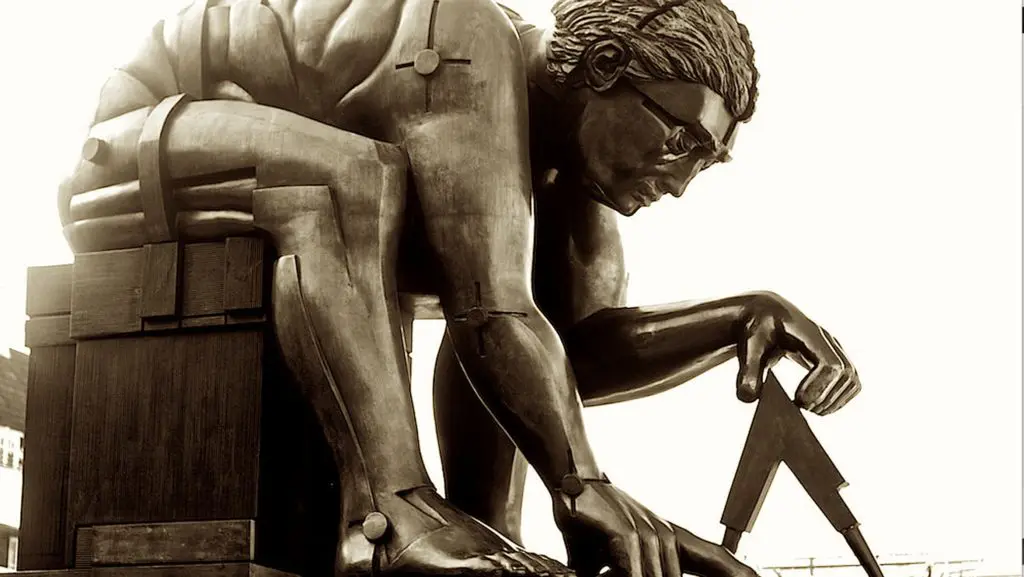
When a culture loses the capacity for faith at all, be it religious or secular, and falls into a pit of relativism, it produces scientists all too willing to yield to the shrill demands of noisy, impassioned political activists.
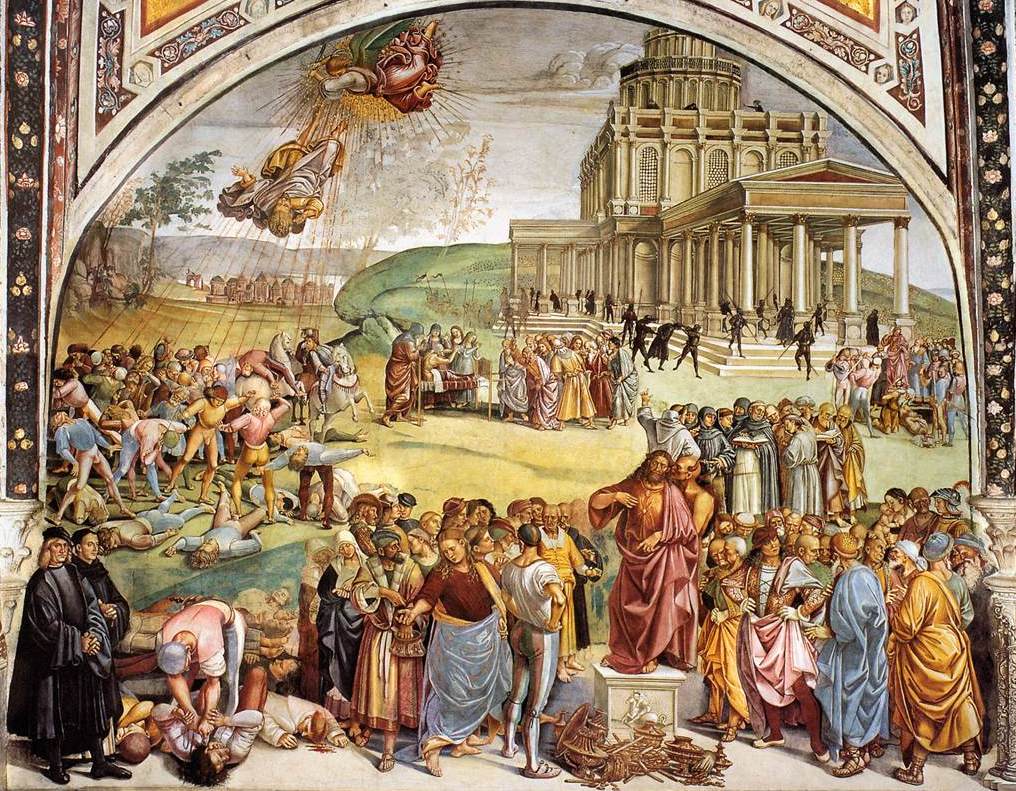
Christians, whatever their religious divisions, should work together to undermine and ultimately destroy the liberal and progressivist supremacy that dominates the West, recognising that it marks a settlement incompatible with even a basic Biblical worldview.
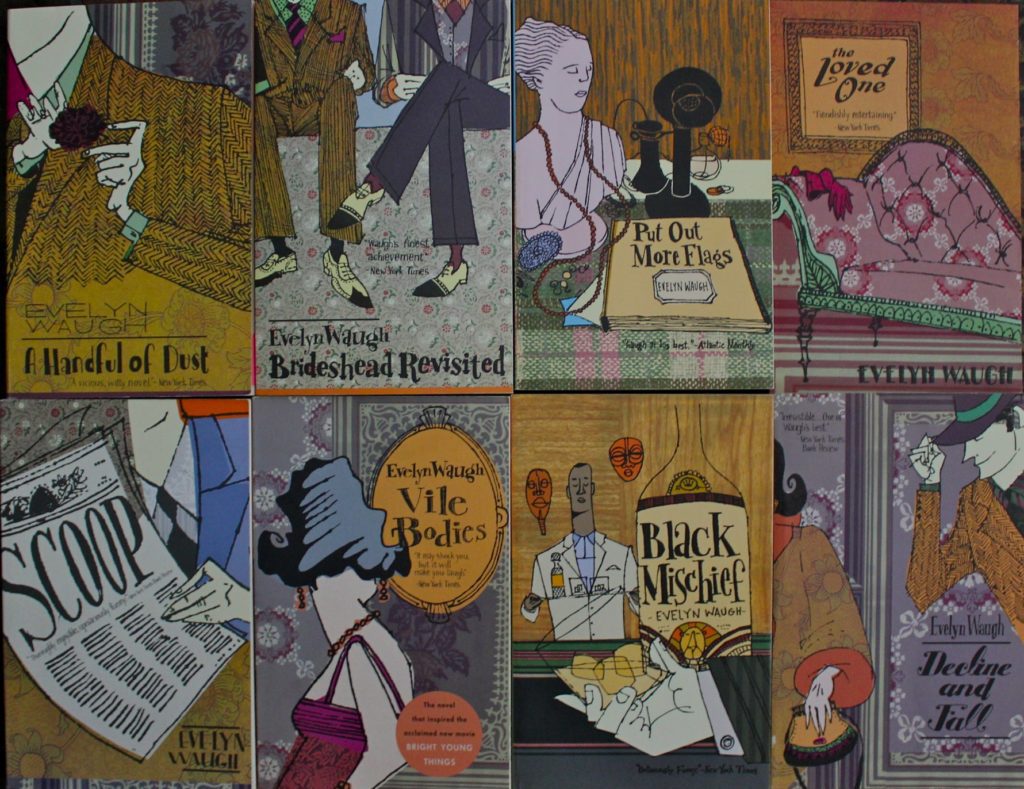
There is far more to Waugh than first meets the eye, and no matter how great the gulf between his era and ours, readers who delve into his work can discover not only a supremely gifted literary craftsman, but an extraordinary soul and intellect as well.

Orbán’s realpolitik has always been rooted in the defence of Hungarian national interests and sovereignty; not to undermine the West but to steer it towards a more responsible and sustainable direction.
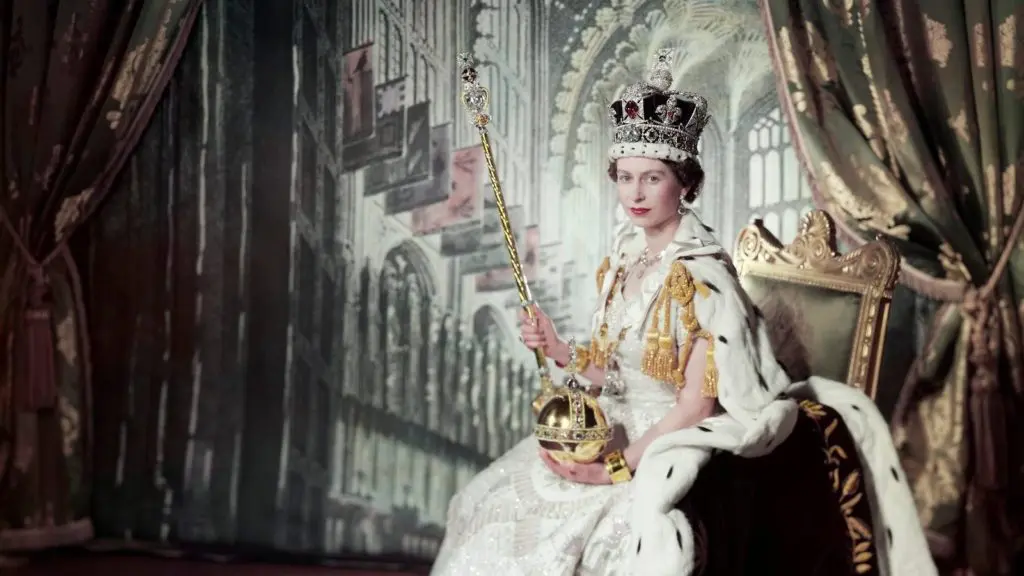
What inspired her vow to uphold the ideal of the knight-like servant-monarch? In part, the answer is: her parents. Happily and faithfully married, the Queen’s parents had a deep Christian faith. This faith bore fruit.
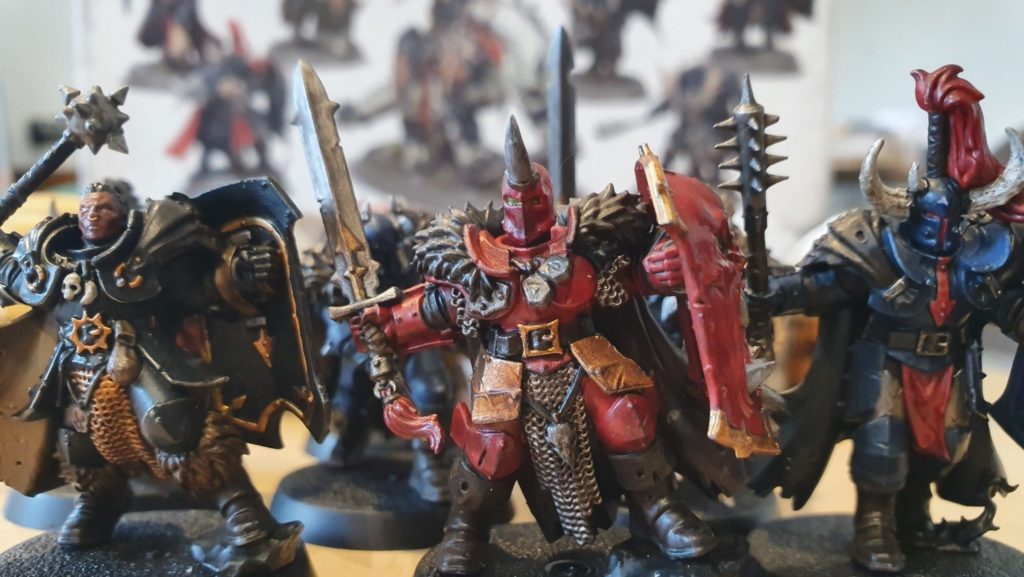
The initial sense of accomplishment gave way to the realisation that it was like completing Guitar Hero on the hardest difficulty—only to consider your time would have been better spent actually learning to play the real instrument.
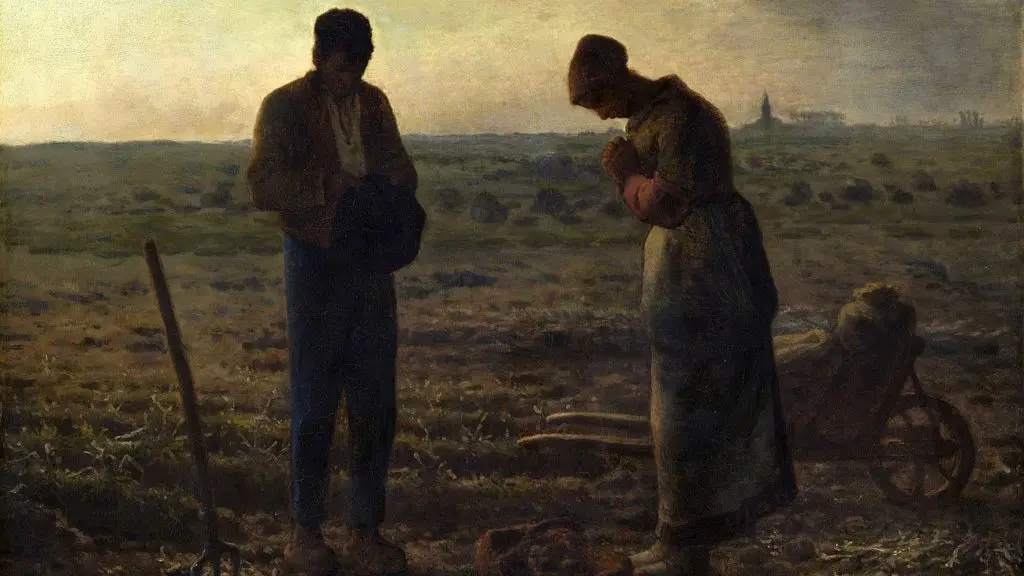
Any discussion of Christianity as part of a conservative resistance to revolutionary changes needs to make a sober assessment of the religious situation in Europe—without wincing at uncomfortable truths.
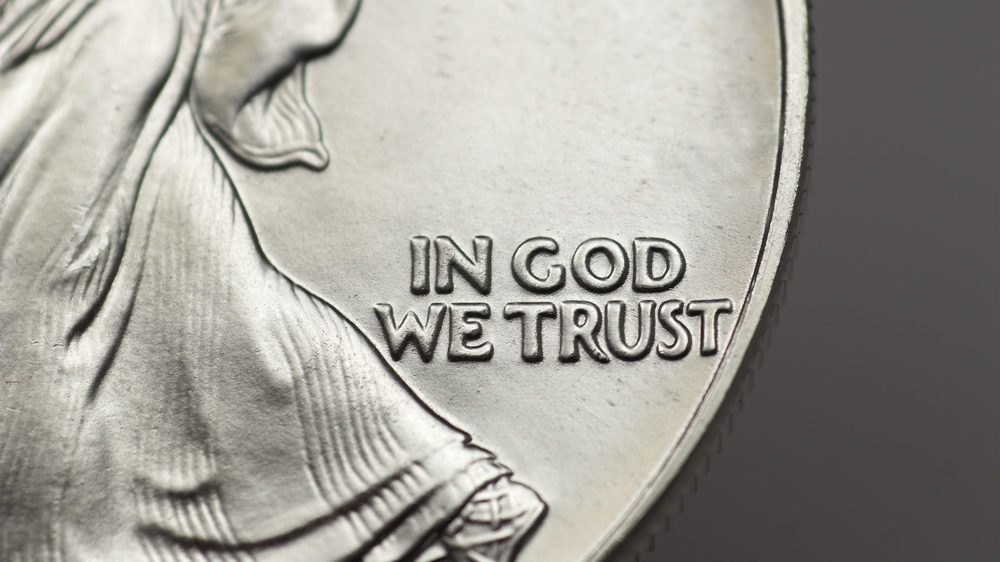
A constant undercurrent of the conference was the oscillation between equally eloquent articulations of despair at the present and an intrinsically Christian hope for the future.

To engage in judicial activism is to embrace a spirit of anarchy, in which the means of determining law are dependent upon who happens to be in power at a given moment. As Lincoln said, “we shall sooner have the fowl by hatching the egg than by smashing it.”
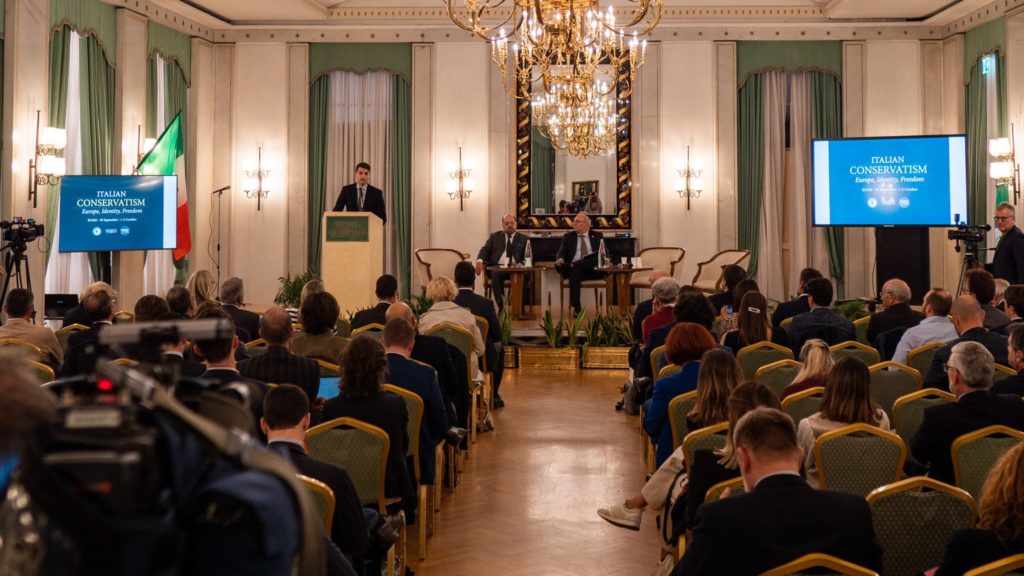
From Europe’s north to her south, it is difficult to avoid the sense that the prevailing order is coming apart, that the cultural revolution to which her people have been subjected is being met with some real resistance.
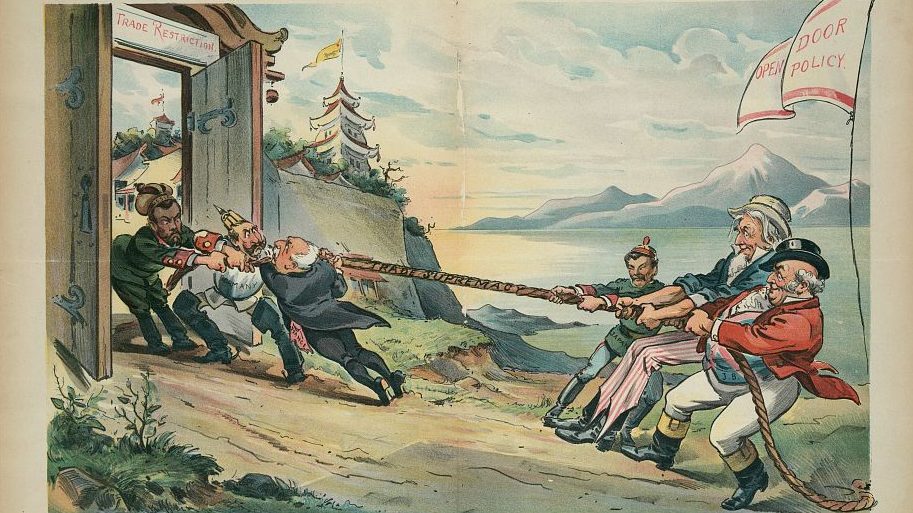
Like the world which Kojève observed in 1945 and again in 1957, ours is a world of great powers vying for global dominance.

Police now show at least as much interest, if not more, in what people think and say as they do in obvious kinds of criminal behaviour. The new paramilitary social worker will sooner quiz a TERF than catch a thief.

While there may be fewer rainbow flags around and more room for self-expression on sensitive topics than is present in Western societies of today, ‘woke culture’ is spreading in Poland.
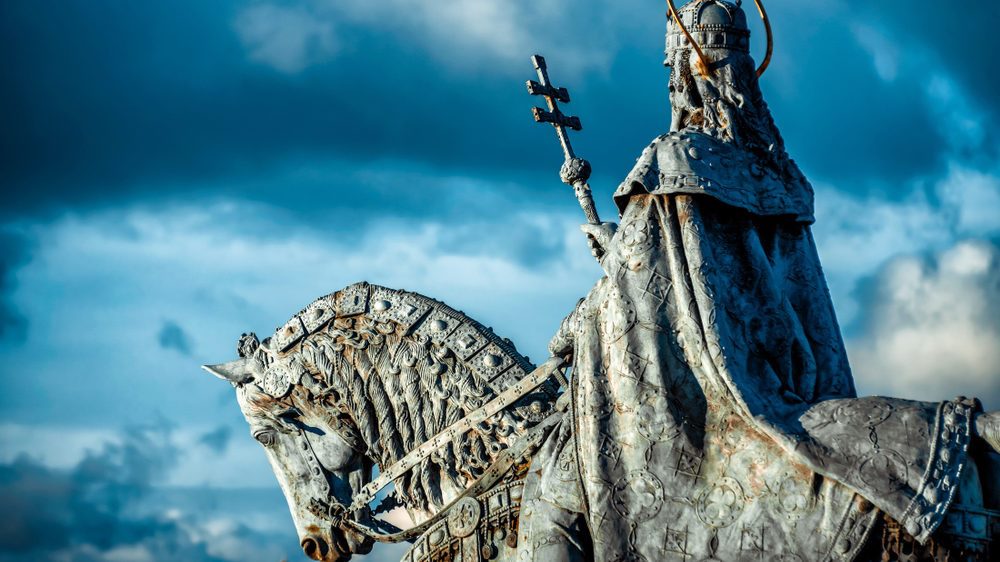
I would go so far as to argue that unadulterated liberalism corrodes democracy, and true democracy is opposed to liberalism. Illiberal democracy is capable of integrating what is valuable in liberalism without allowing the liberal framework to take over.

The desire of boys to carry pocketknives, it seems to me, is one that should be nurtured. A pocketknife makes one more useful to others, and being at the service of others is what turns a boy into a man.

Without the root of prayer, Europe is like a drowning museum and a place of cynical intrigue, but at prayer Europe is in the fight of her life—where darkness and collapse beckon the annihilation of identity. In such times, civilisations require saints.
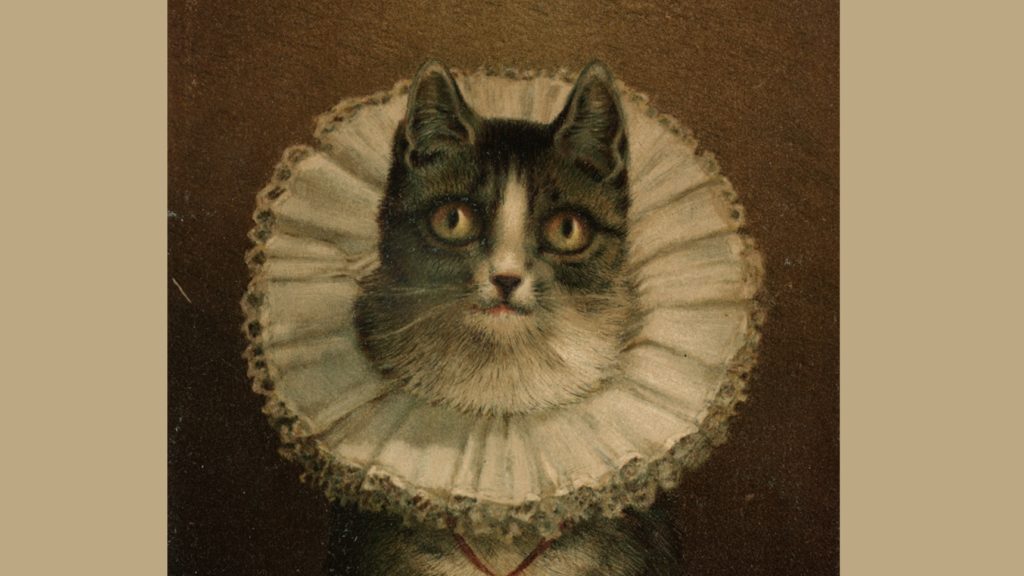
Though kitsch wears the costume of reality’s vocabulary, it does not describe things as they are. You could only call it good without qualms of conscience after downing a Dionysian dose of expired boxed wine.
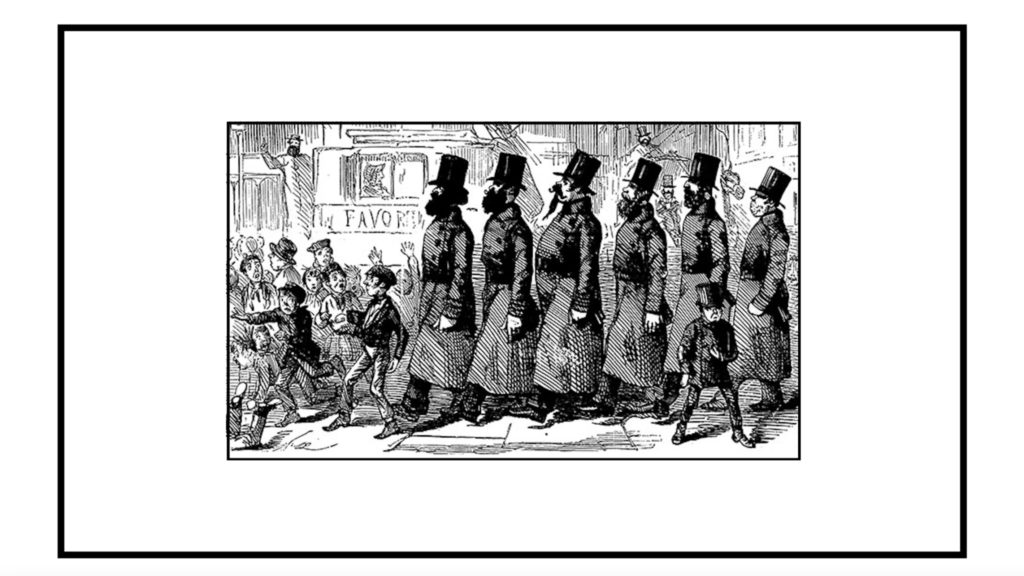
The police have become an alien presence in our society. Gone is “the historic tradition,” as Peel put it, “that the police are the public and the public are the police.”

The survival of any traditional institution requires that, during historically critical moments, it remembers its reason for being, renewing its covenant with those it represents. Otherwise, it risks vacuity.
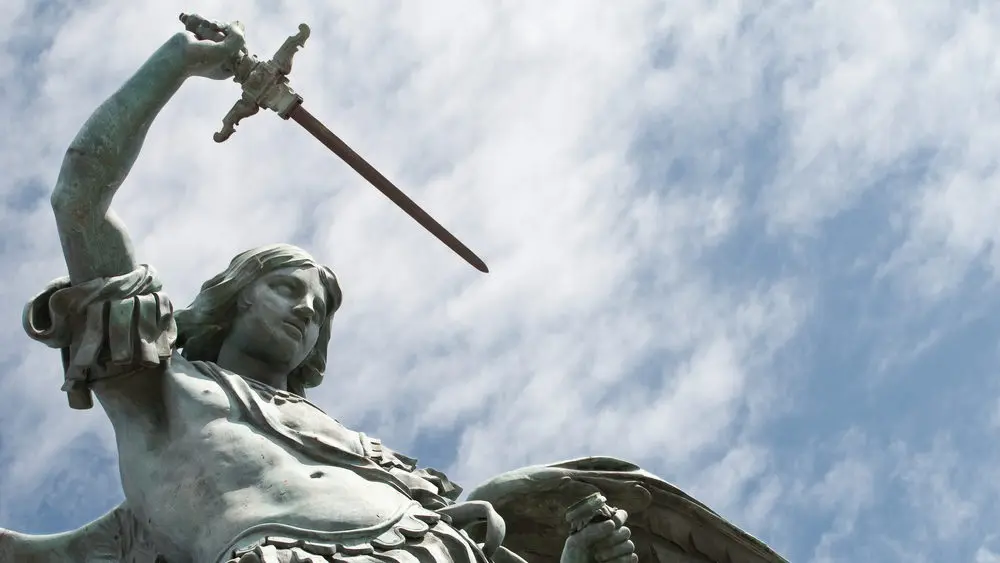
Those who are contemptuous of Christian civilisation continue their assault on our spiritual heritage. Defending it is becoming increasingly difficult to justify to those for whom erasing its traces from the public sphere has become a point of honour.
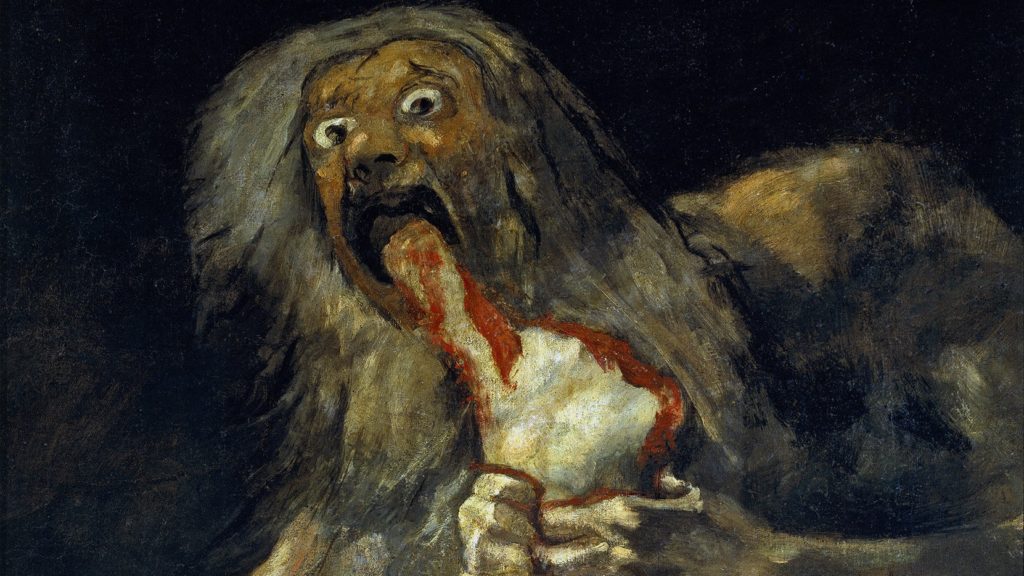
The victory this week of Italy’s Giorgia Meloni fits into this story as well. Her words—and perhaps, in the future, by the grace of God, her party’s actions—are nothing less than a full-throated disavowal of the West’s Chronos Complex.
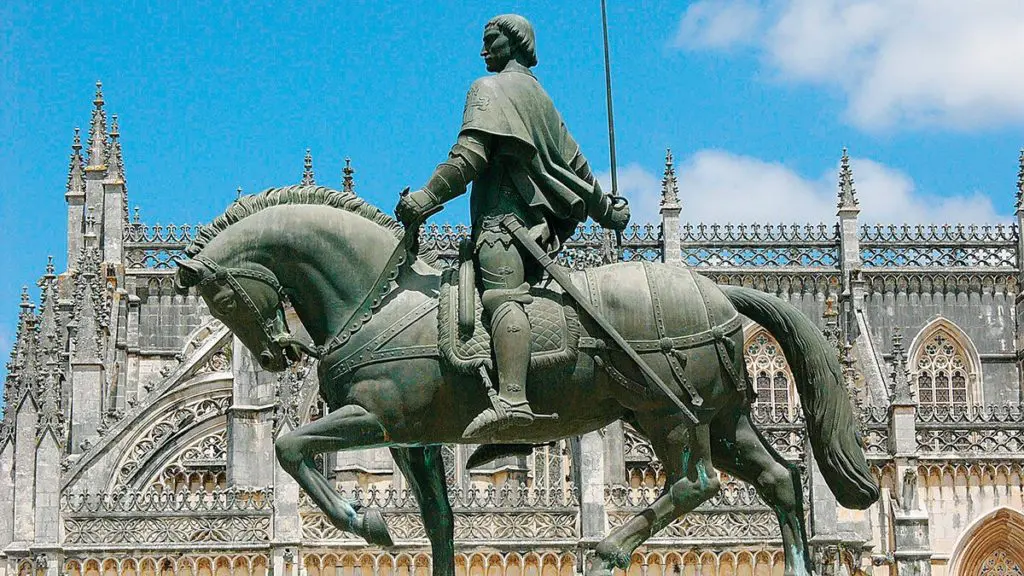
Evil leadership is no leadership at all. Nor is insane nor stupid leadership either. So let us look at their opposite qualities, which in fact define real, true leadership.

There are inordinately excitable Catholics who believe that only a Catholic sovereign is owed their loyalty and devotion. I remind them of the commandment of St. Peter: “Love the brotherhood. Fear God. Honour the Emperor.”
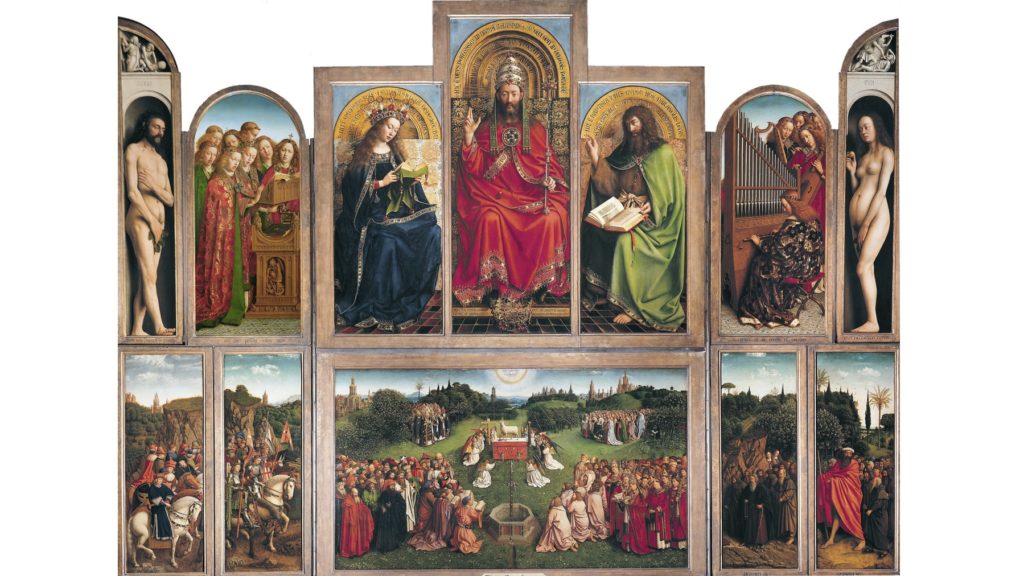
The theft of the “Just Judges” panel of the Ghent Altarpiece is still unsolved. In the first of a series of essays, the story begins.
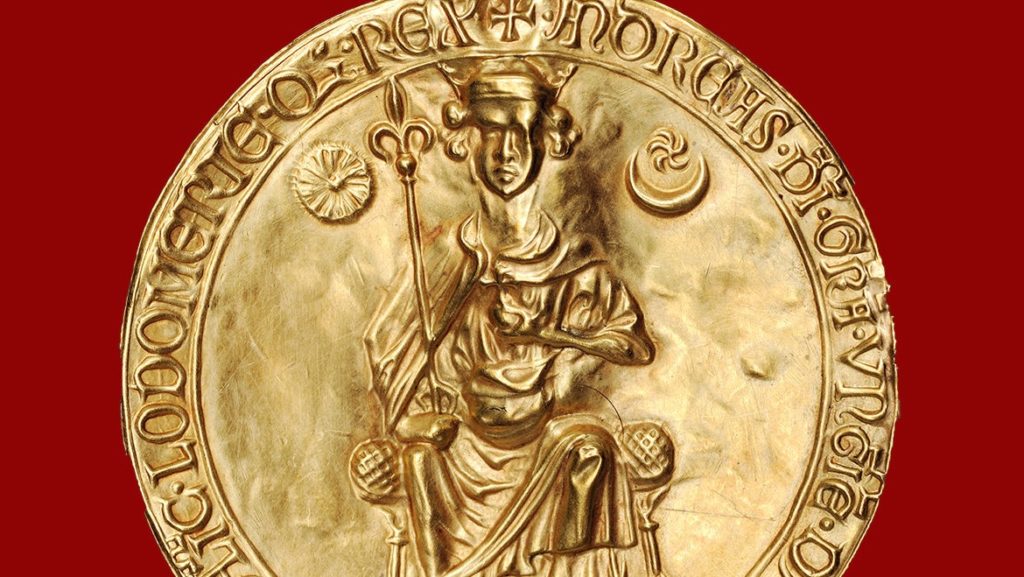
The Golden Bull of 1222 is a unique charter, as it was issued as a result of popular movements of the common nobility to defend and restore supposedly old customs and liberties, in the face of activities of the king and barons they perceived as harmful.