

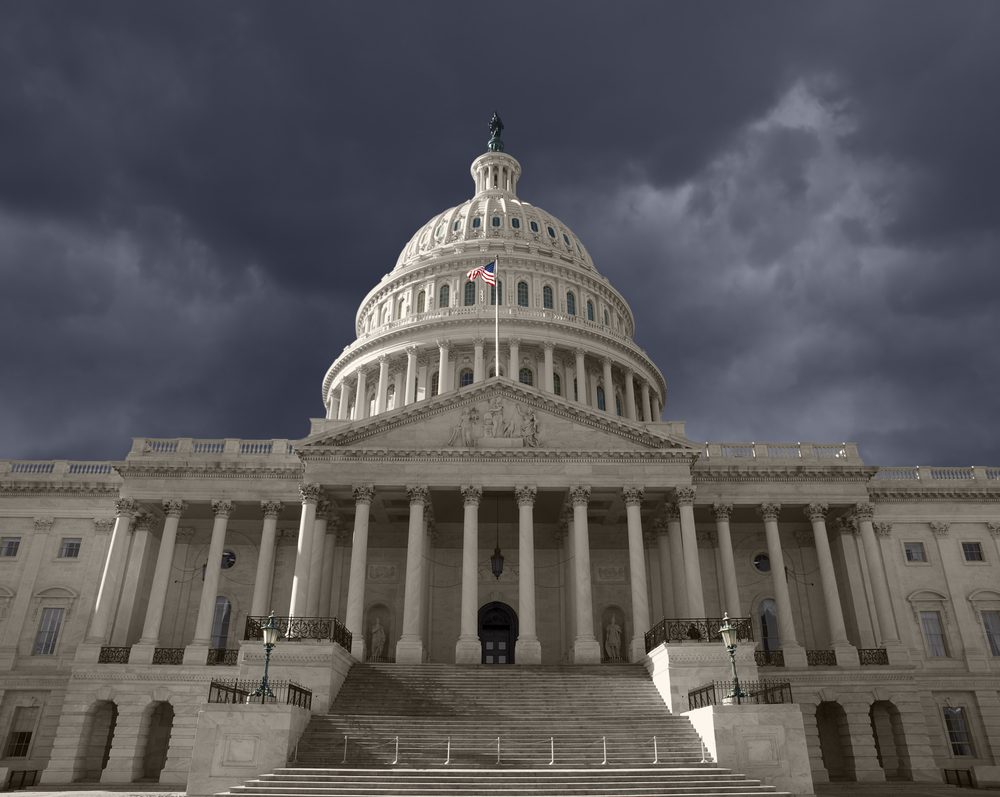
A fiscal crisis would force U.S. Congress into unchartered territory. Never in modern history has this legislative body been forced to be austere with its resources. Tax cuts do not work anymore, and you cannot cut taxes when your creditors are running away from your debt. There are only two options: spending cuts, or tax hikes.

Germany’s disaster management officials examined what a major disruption of natural gas supply would entail and the results are chilling.

Moldova, Romania, and Hungary are welcoming Ukrainian refugees but, if the situation continues for long, tensions could come to the fore.

The ages-old concept of the balance of power is supposedly understood by every international relations student. However, preoccupied with the ideas of globalism, American and European leaders often forget to take it into account when forming their policies.
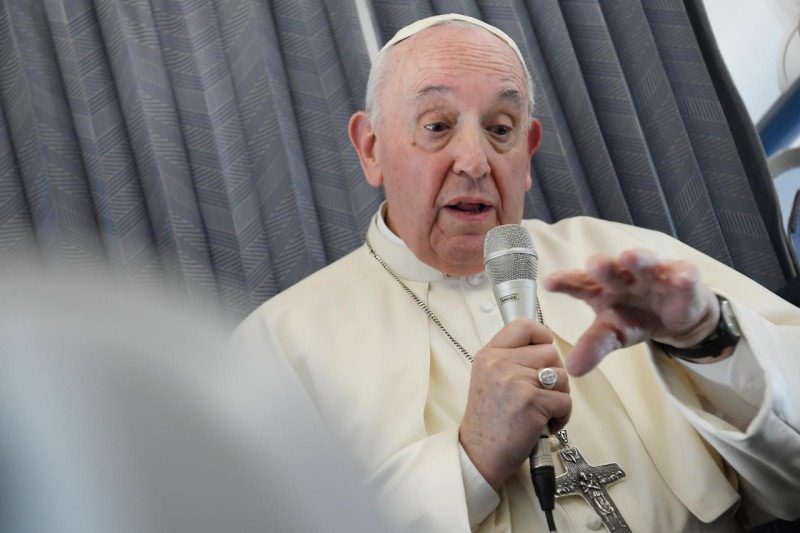
Pope Francis’ comments on the anachronistic and watered-down secularism of the modern EU suggest that the globalization of liberal ideology is little more than a form of ‘ideological colonisation’ that neither respects the cultural particularity of individual nations nor protects the openness of the public sphere to the worship of God.
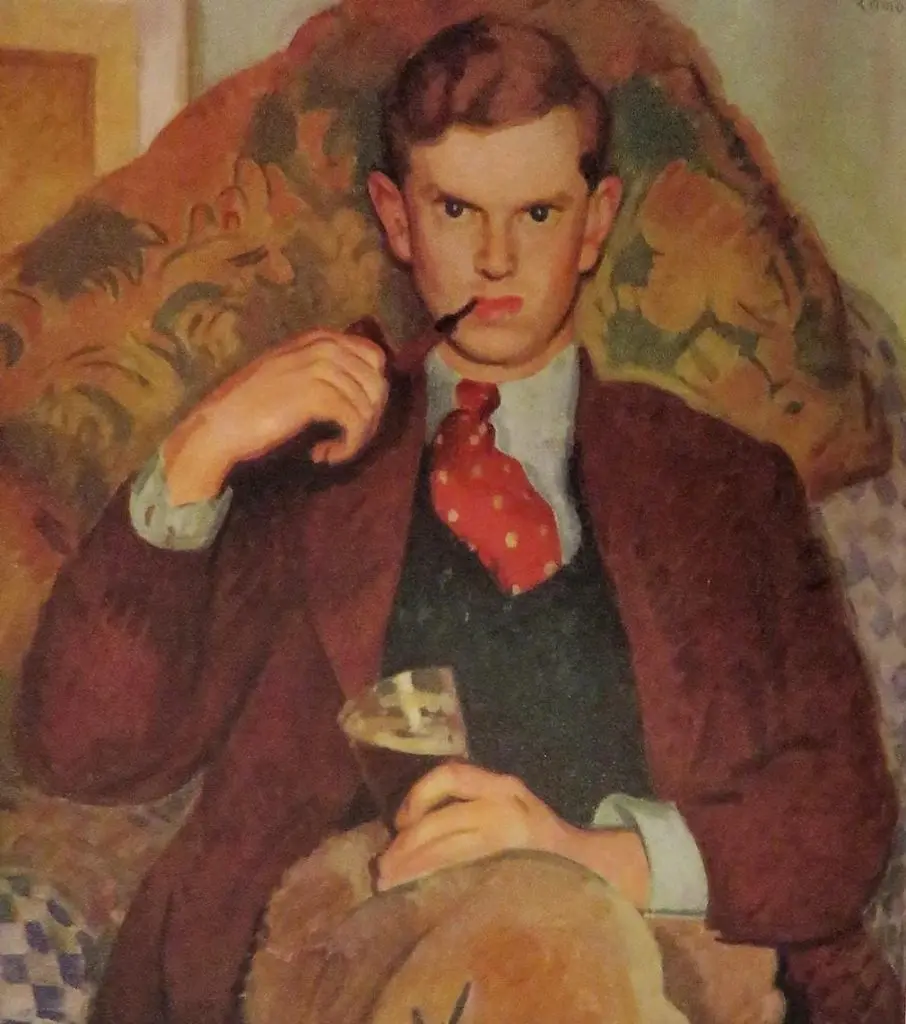
Nobody could escape the merciless nature of Waugh’s satirical wit, but he was more than a mere humourist. Alongside his gift for comedy, he also possessed an awareness of a fateful void in the modern world.

It is a well-known oral tradition around the Olafsvik-Rif-Hellissandur maritime region that Columbus visited Iceland and stayed at the farm at Ingjaldsholl during the winter of 1477 to 1478, likely arriving sometime in the early autumn and leaving in late spring.
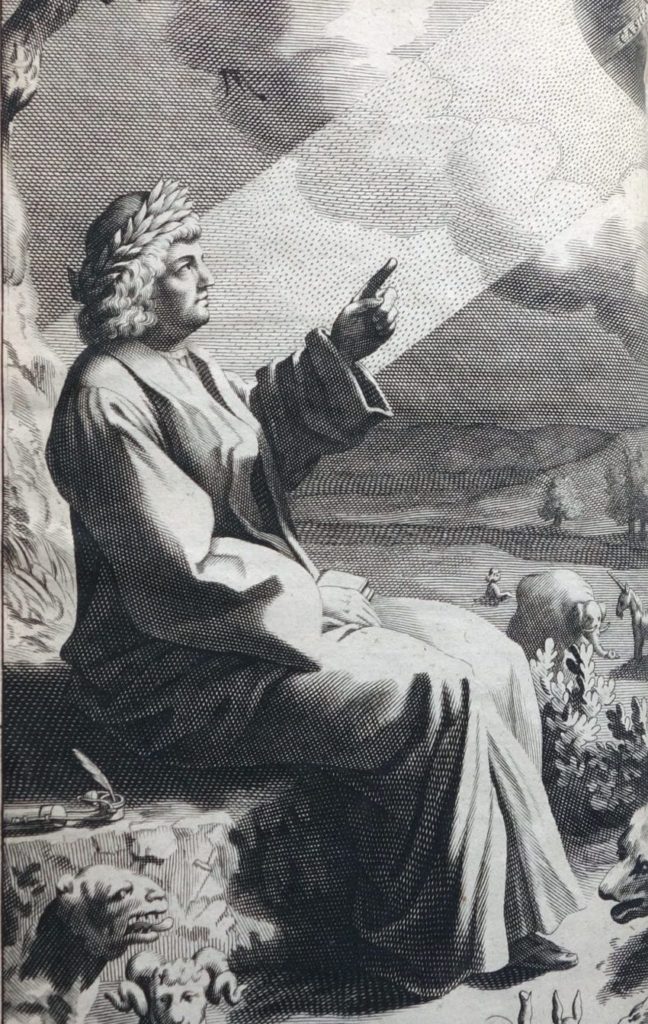
This world, as it figures in Lucretius’ magnum opus, is of Epicurean make. It is a world denuded of divine influence, reduced to a drab and tranquil steadiness. Its substantial uniformity also foreshadows, to an uncanny degree, the empirical emptiness of modernity.
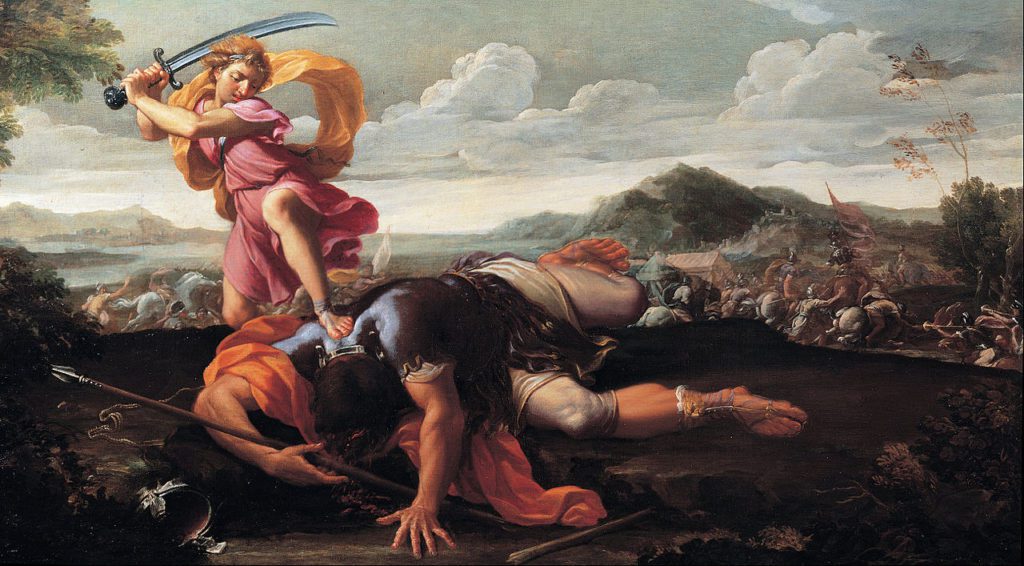
Tradition tells us that giants are born from fallen angels joining themselves to willing humans, and that even after these are slain, their specters may yet demand sacrifice. We are still facing giants today, as well as the ghosts they leave behind, and may learn something from those ancient tales.

Animated by faith and patriotism and buoyed by an unkillable sense of humor, Ukrainians are thus far shocking the world by their steadfastness in the face of Russian aggression.
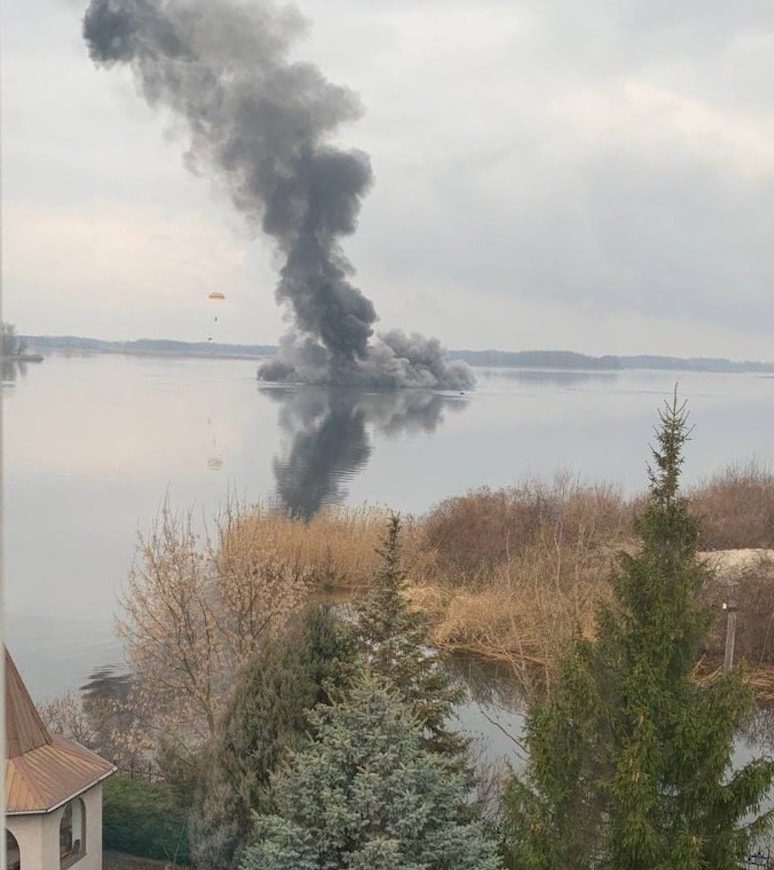
As I am writing these words, I can hear a battle raging on the other side of the Kyiv Sea. The worst thing about living close to the front line is not knowing where the next missile will land, but we are determined to carry on with our lives for as long as possible.
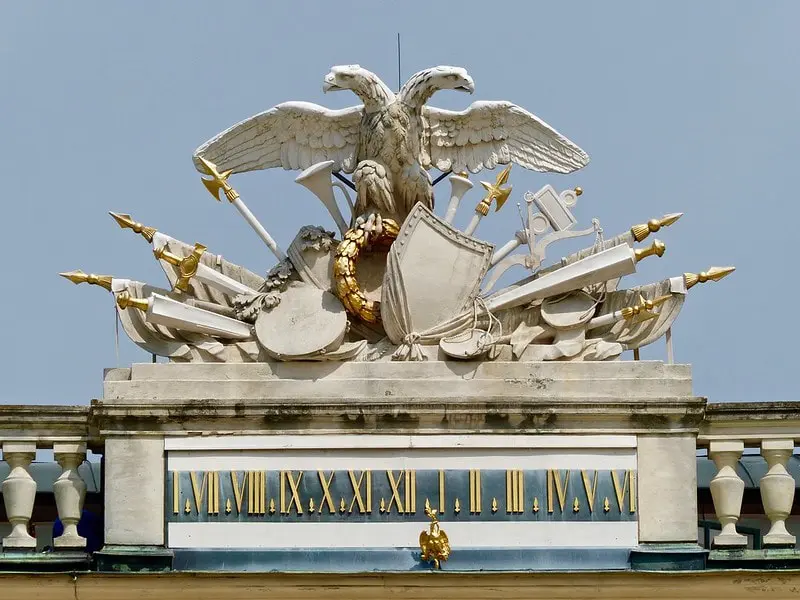
The same experience with Soviet hegemony that has rendered Central European states immune, at some level, to the kind of decadence Western leadership favors, also led them to suspect Russia’s intentions.
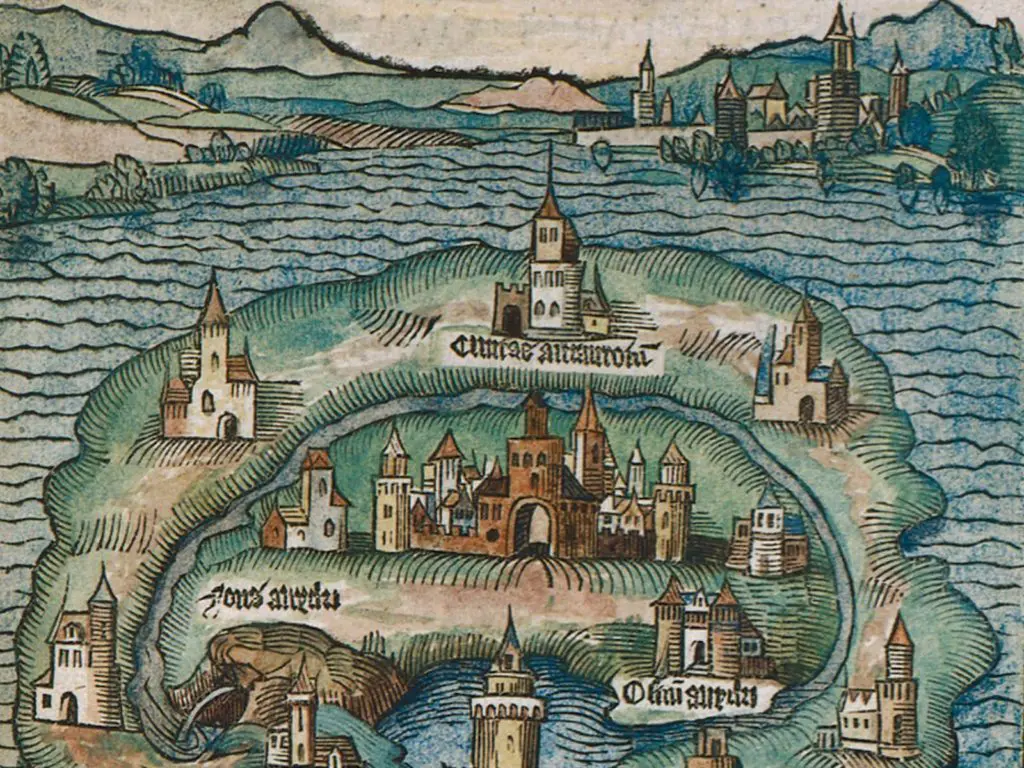
Conservatives, of course, are aware of the urgent need to reduce the bureaucratic machine to a minimum. But in the quest to devolve governance to the local level, we must not forget the existential dignity of the penniless castaways generated by the oligarchic system.

Consider what Europe will look like if Russia wins, or loses, the war in Ukraine. Obtaining reliable information, in this case, is nearly impossible. To navigate these uncertain times, the best guidance may be found in the old-school academic discipline of political economy.

The highlight of the Common Sense Society event was the presentation to Jordan Peterson of its inaugural Sir Roger Scruton Award.
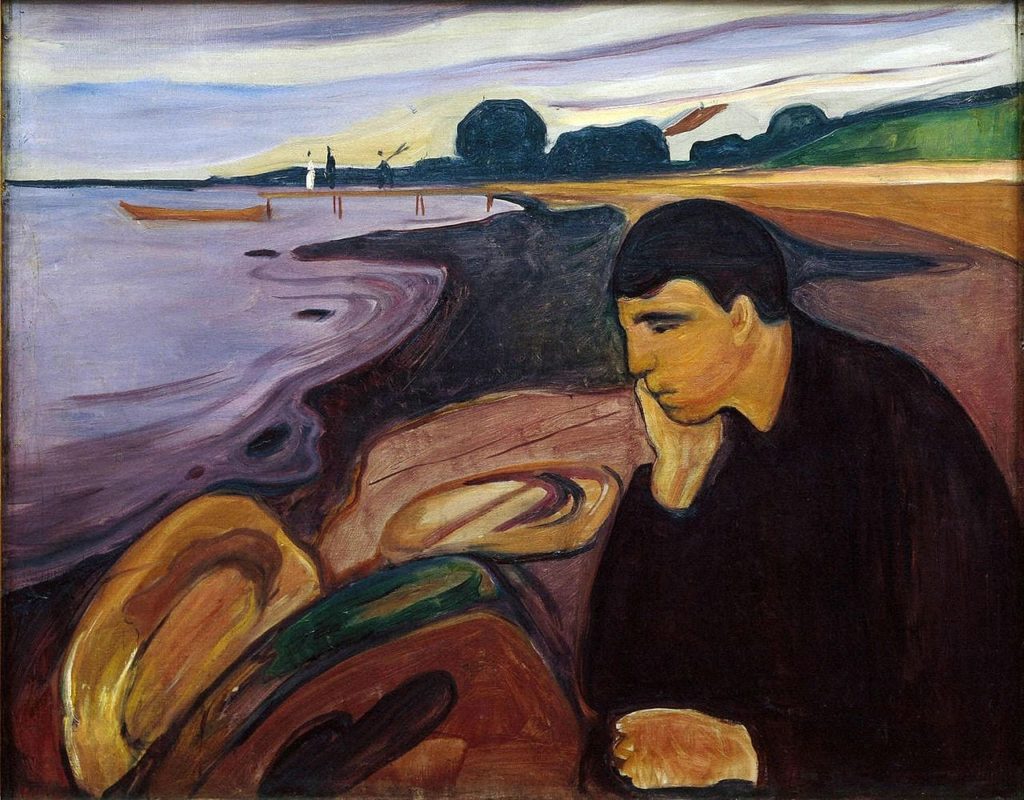
By understanding our emotions as a more primary part of ourselves, we can begin to respond to them as meaningful, and also as something we need not be dominated by. At the same time, we have a chance at last to put an end to the stupidity that has been unleashed by ideologies that function on an emotional level but masquerade as rational.
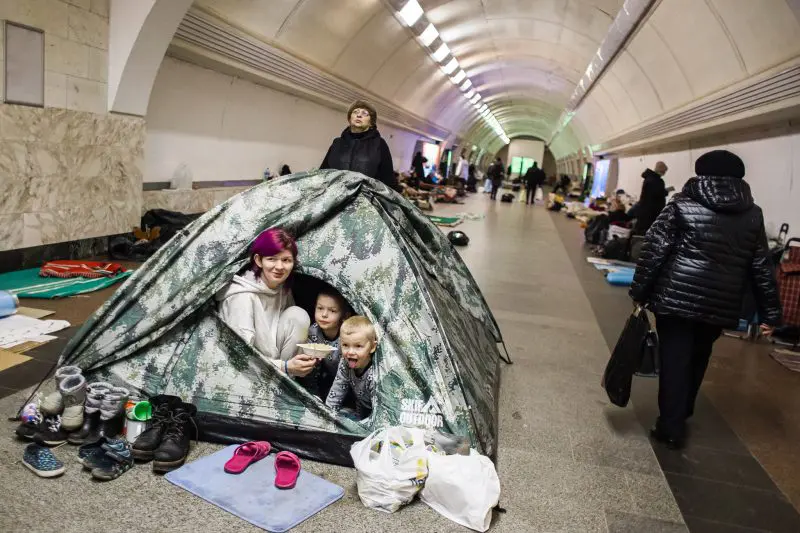
Kyiv has been hardly affected by major destruction yet, but there are checkpoints on every corner, and air raid sirens vail every thirty minutes, reminding everyone that a war is going on, right here, right now. A report from the war zone.
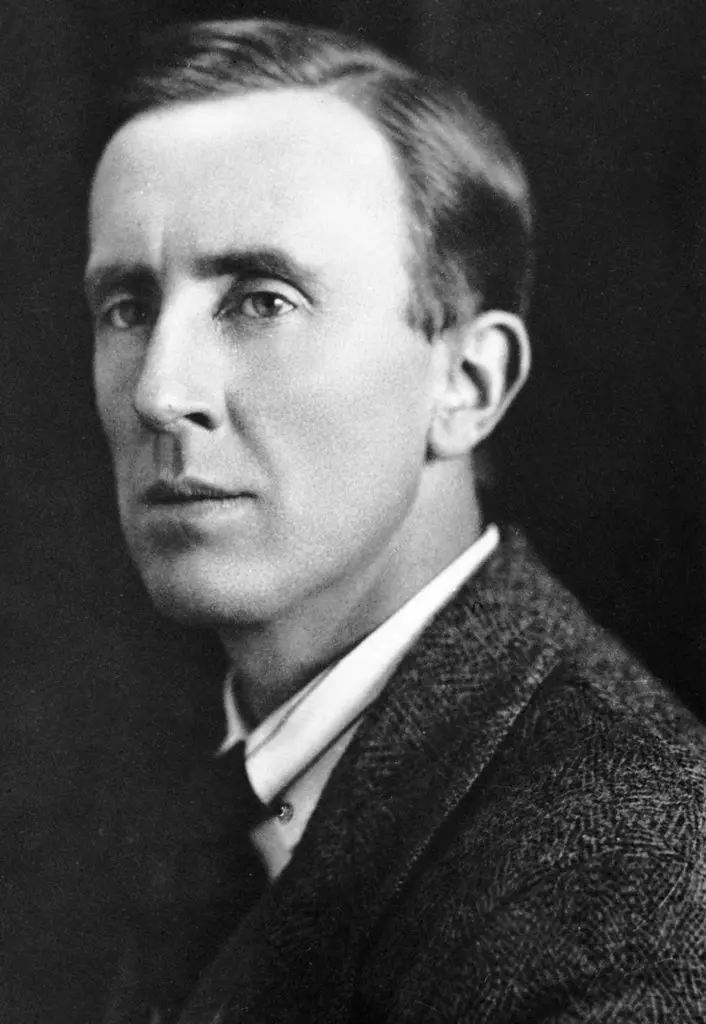
Tolkien maintained a great Marian piety throughout his lifetime. Indeed, he said that his entire vision of beauty was grounded in the simplicity and magnificence of the Mother of God.
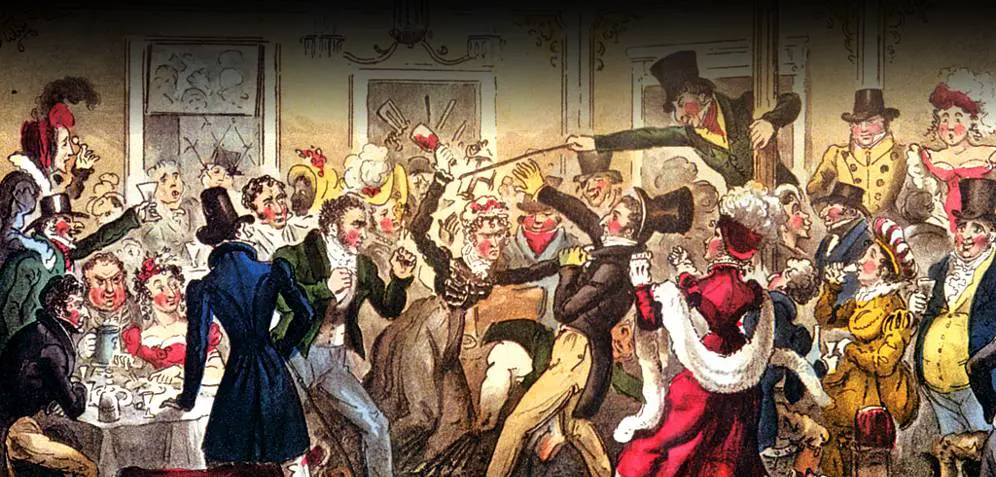
The problem with complacent ruling elites is that, to justify their dominance, they are forced to resuscitate old terrors and to make up new ones. They rely on phantom enemies against which they can pose as our protectors.
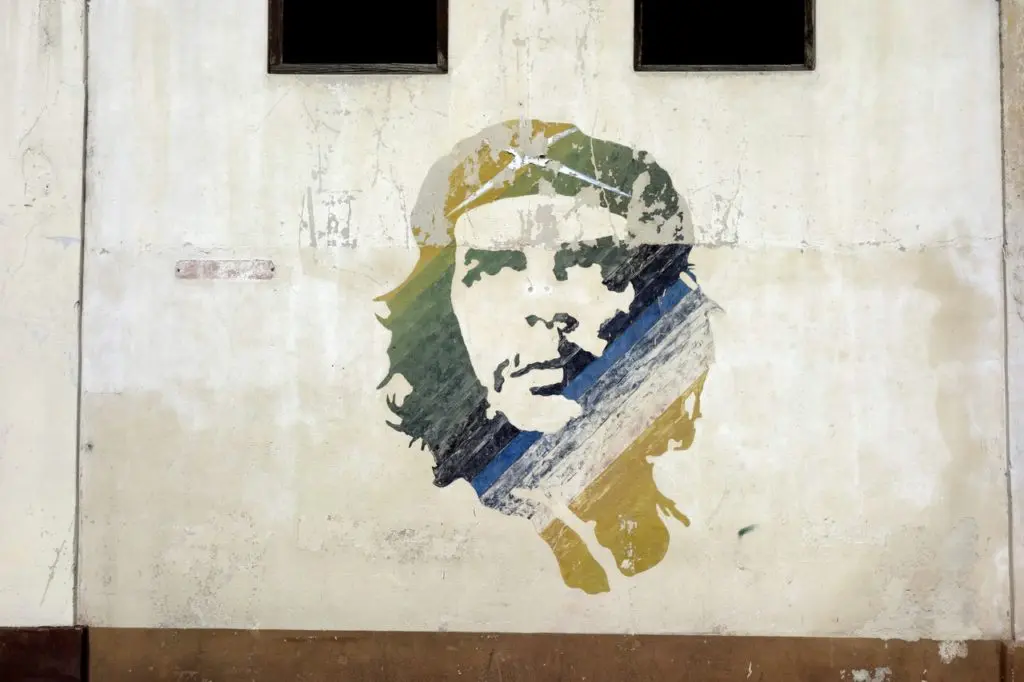
Fictional rebellions invite us to side with the underdog. The story conveniently ends with their victory, but leaves no ruined lives and no unhealable scars—nothing to contradict the idea of a newly found paradise.
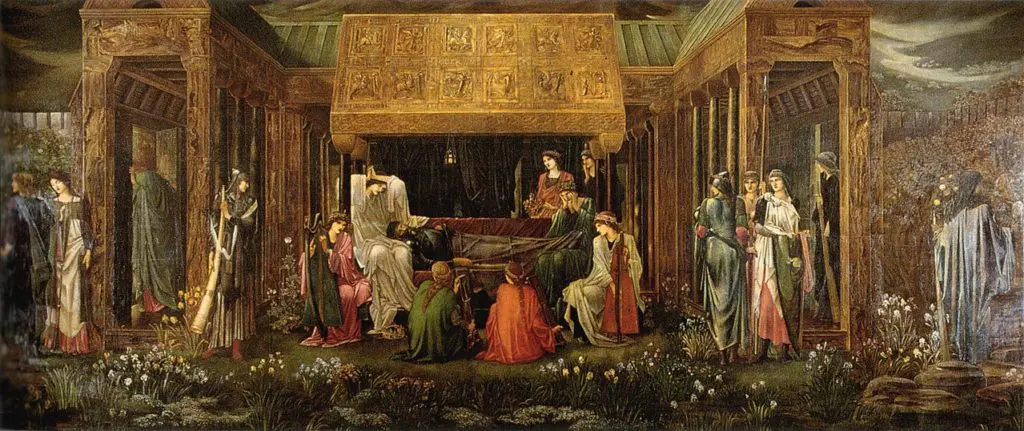
The Arthurian legend, despite attempts to use it for other purposes, is a parable of a militant Catholicism that saved Western civilisation.
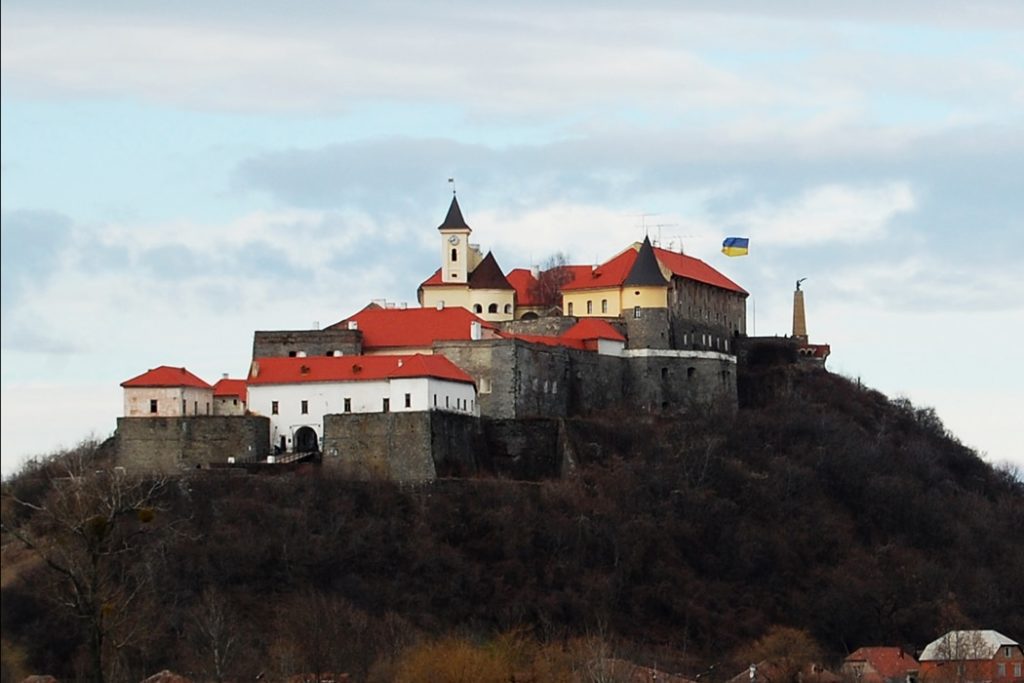
Unlike the majority of refugees, Transcarpathian Hungarians are at least familiar with Hungary thanks to family ties or working relationships. They do not come as strangers.
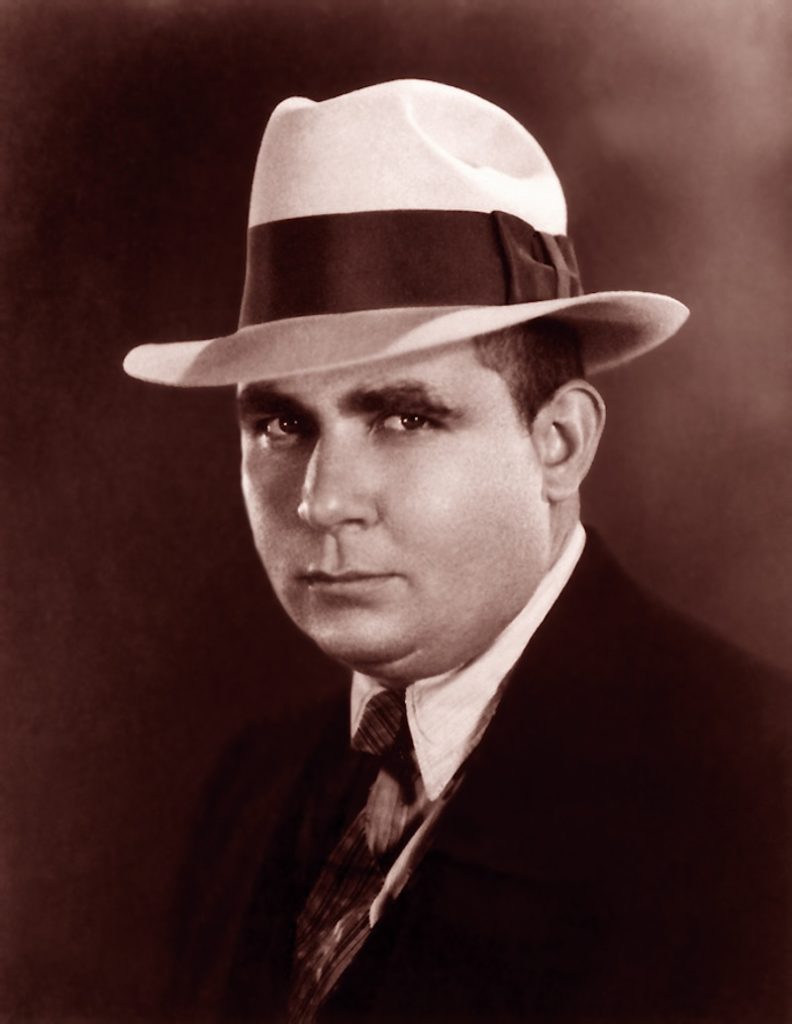
Howard, the writers who influenced him, and many of those that came after in the same heroic vein seem more outside the pale of literary respectability than they would have been a century ago. It is not just the artificial divide between Literature with a capital L and popular genre fiction, or the modern disdain for the writers of the past. The even greater divide is between unironically portraying heroism in the West and despising it and deconstructing it in order to bring about its demise.
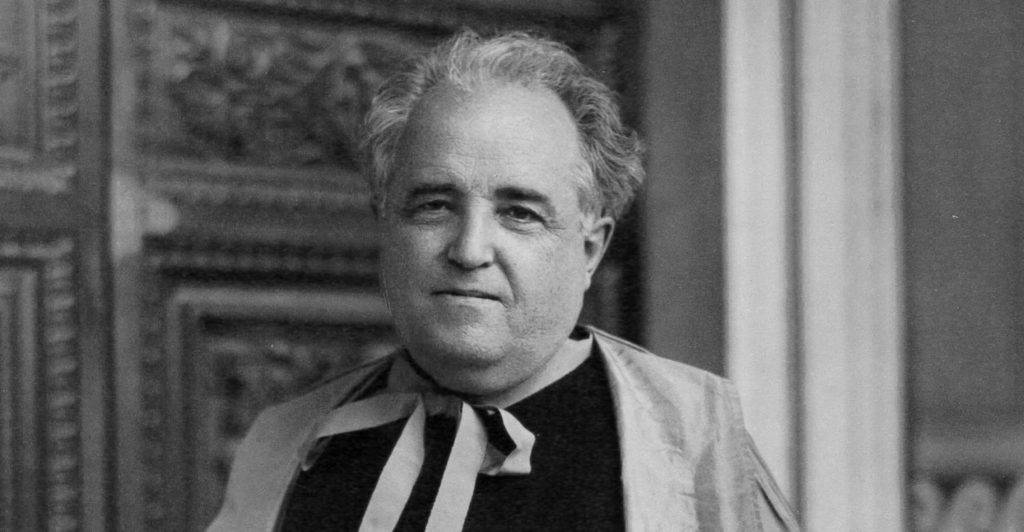
To fully appreciate Perosi, we must try to look at the hope he sparked in people during his golden age.
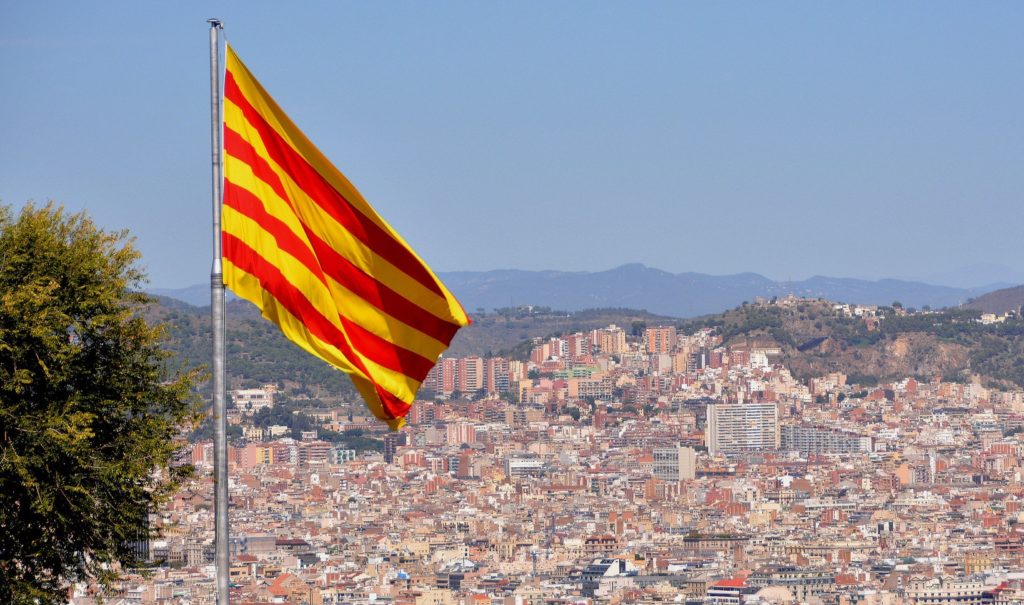
Catalan separatism emerged when the region’s bourgeoisie began facing the end of a long period of economic privilege during which the Spanish state’s policies had benefited Catalonia over most other regions. The threat of secession would now function as an invaluable bargaining chip to retain privileges.

Kyiv is under constant air attacks. The sirens can go off at any minute, sending the capital’s residents into basements or the subway, and the warning usually sounds at least a couple of times throughout the day and night.
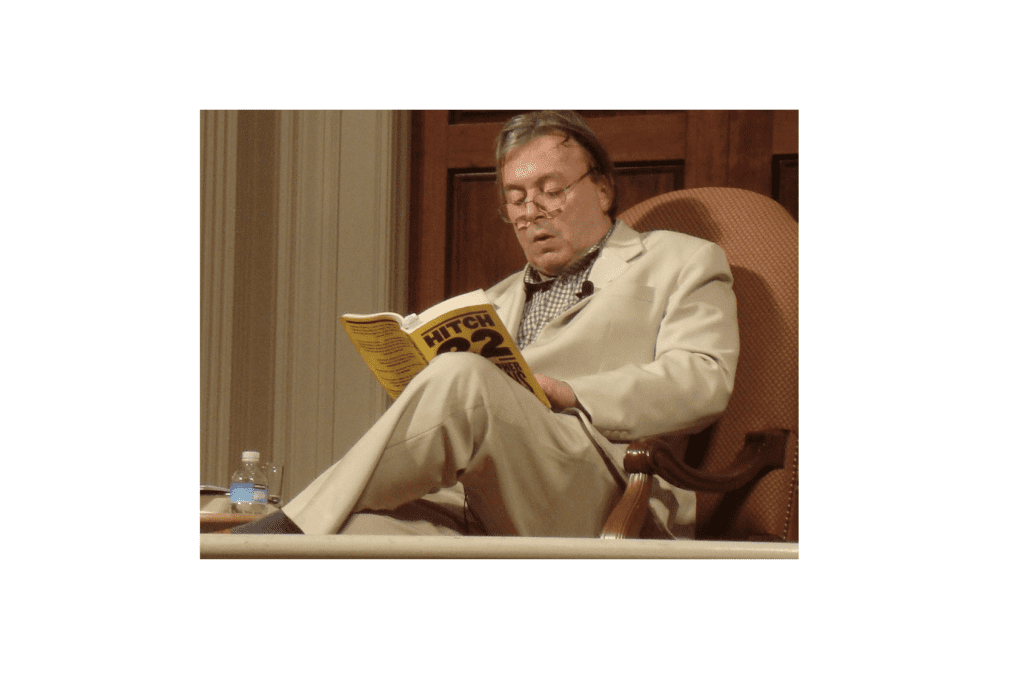
“Christopher was quite capable of respecting Christians. If you really believed it and were willing to defend the challenges thrown up against it, he respected that and he liked it.”
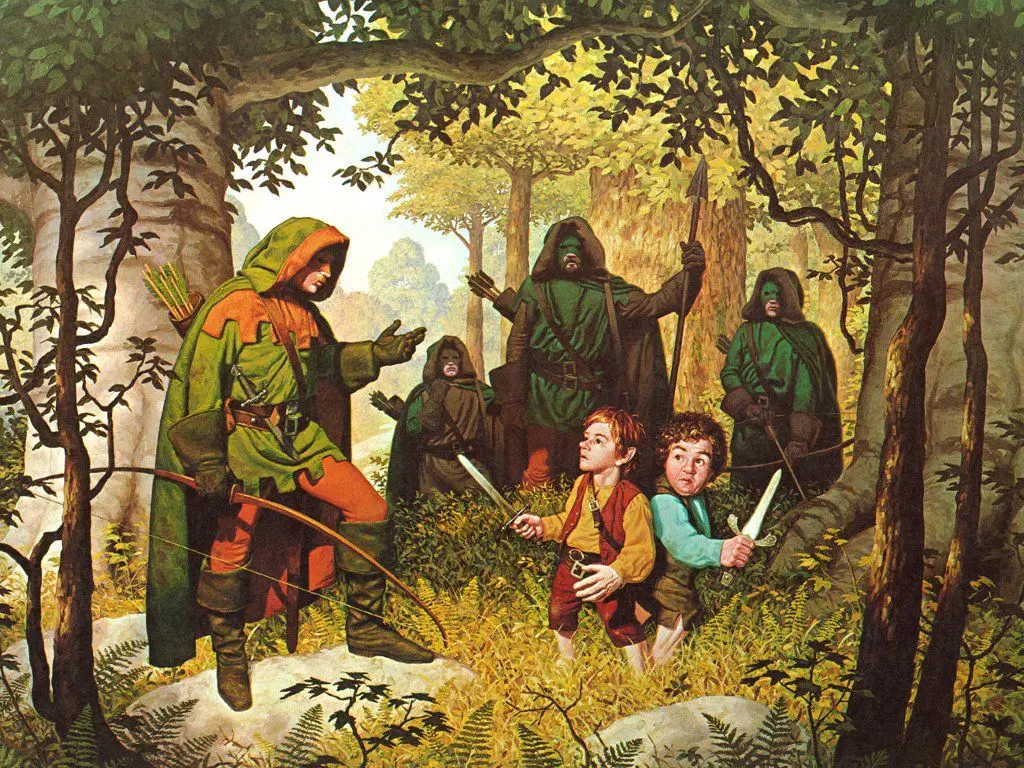
We need stories. It is not enough to have a conception of virtue; we need to witness a virtuous person. It is not enough to know truths; we need truths embodied, for embodied are we.
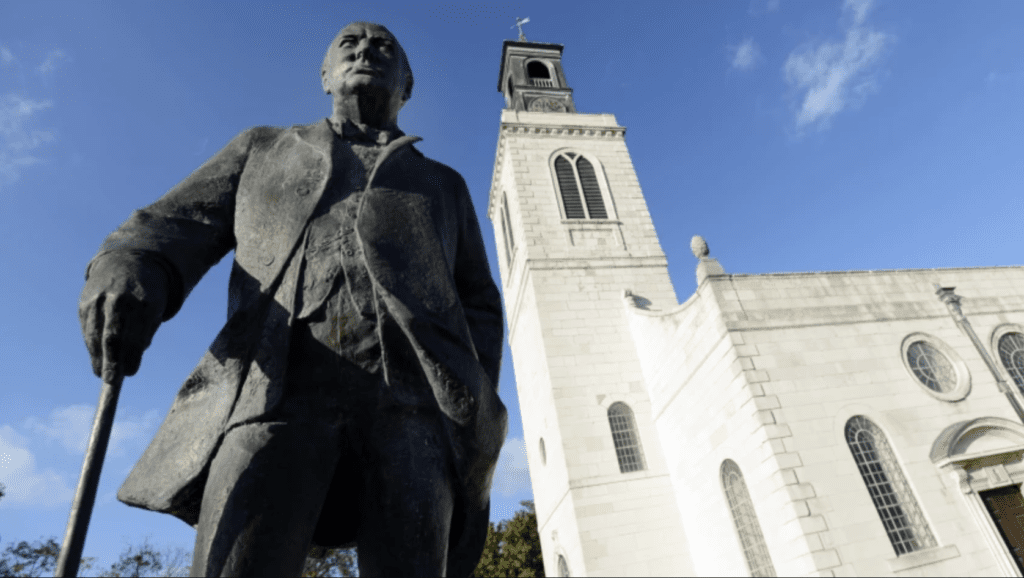
Churchill was remarkably clear-eyed about the dangers of the soulless and secular statism promoted by everyone from the Bloomsbury elites to the twin barbarisms of Bolshevism and Nazism.
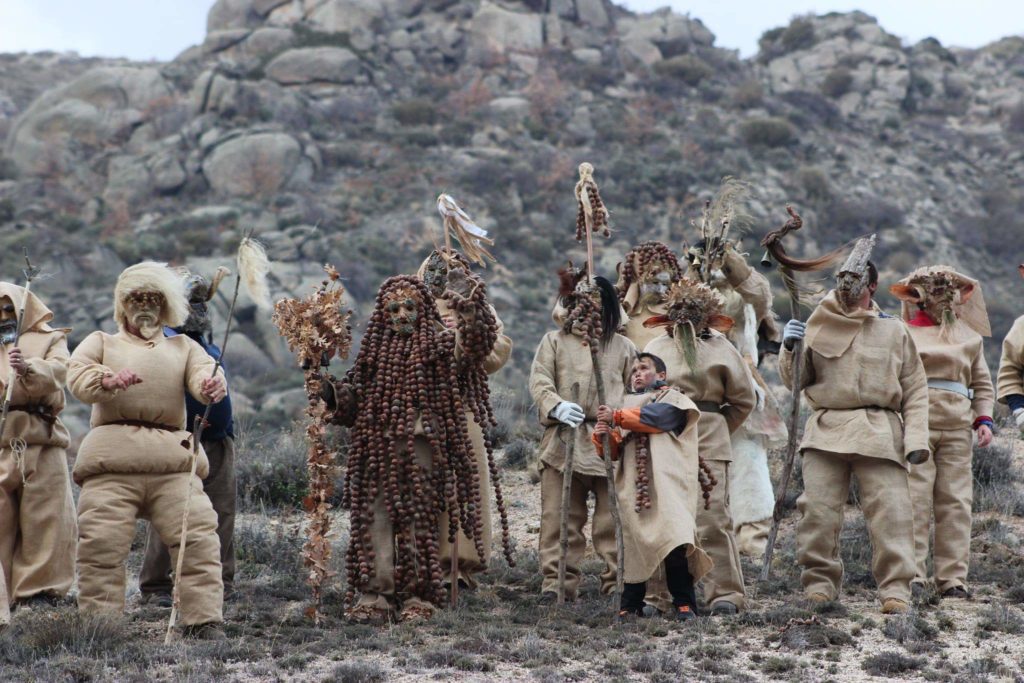
Today we are far from understanding carnival, precisely because we live in a continuous carnival, a constant inversion of norms. But if revolution is a parody of carnival, the totalitarian control that follows is a parody of Lent—and we can already see those austere masts on the horizon.