

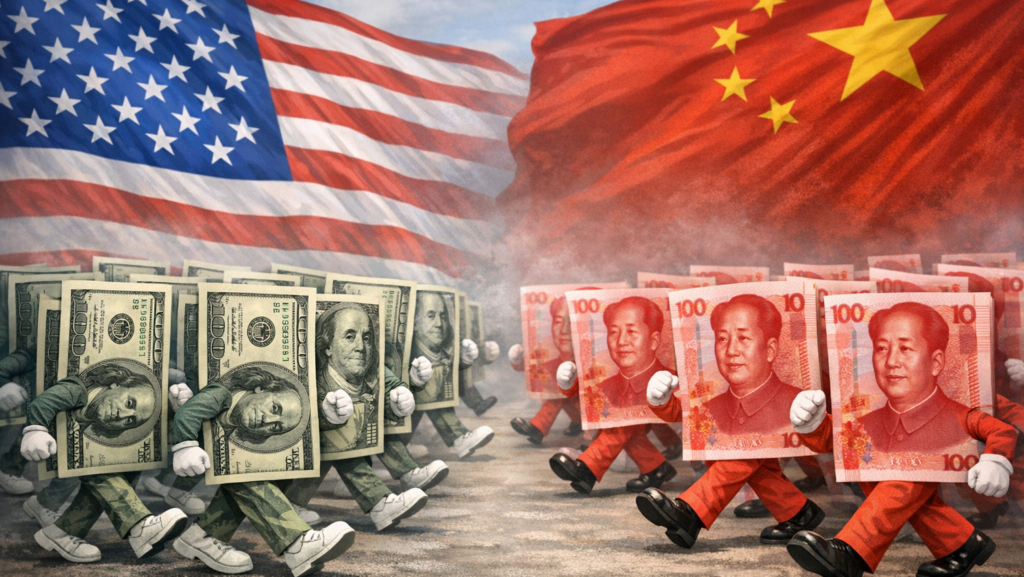
Tehran’s new demand for peace with the U.S. includes shifting oil trade to the Chinese yuan.
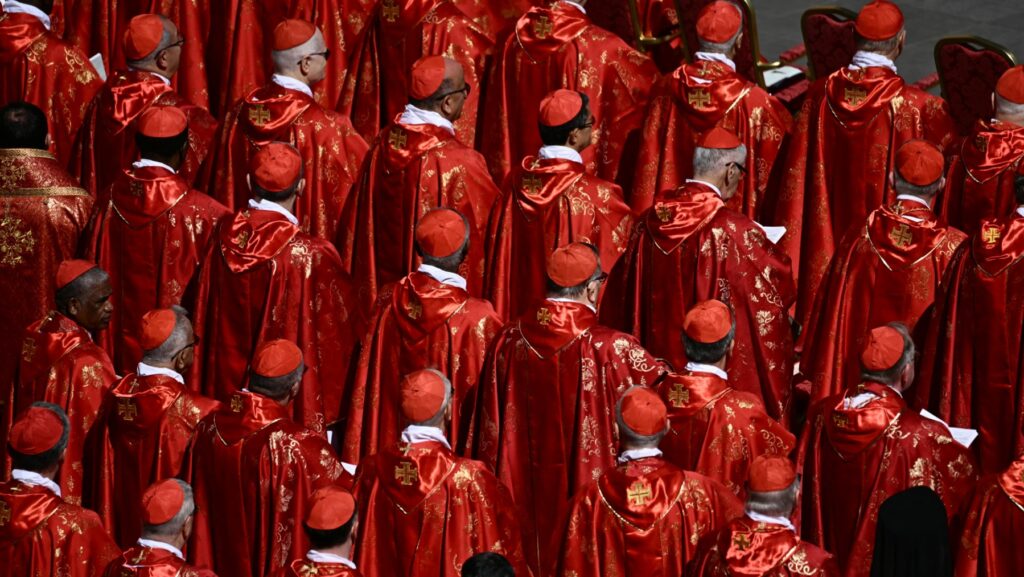
The difference between the German Synodal Path and the synodal reform initiated by the late Pope Francis appears today, more than ever, to be a mere difference of speed.
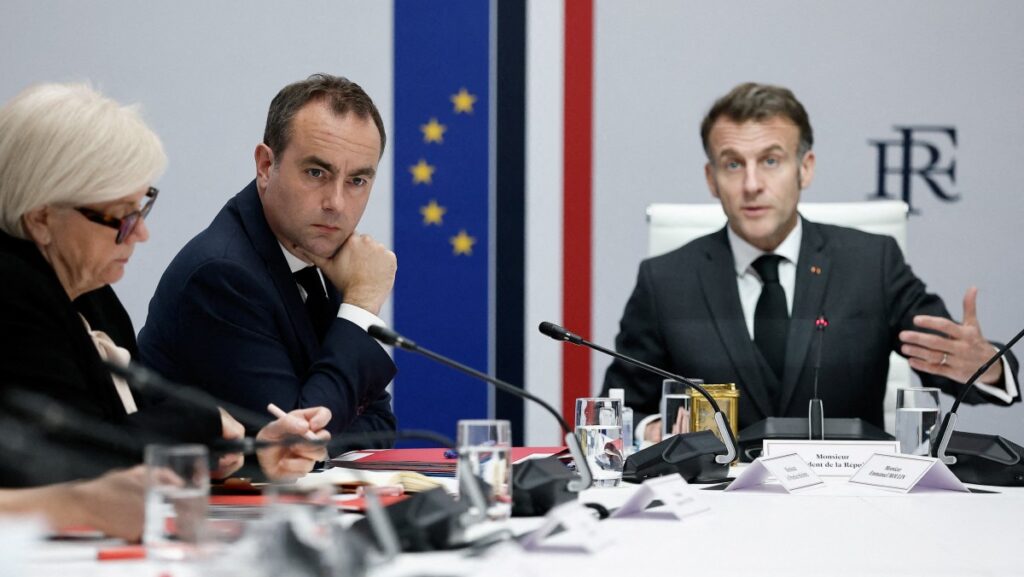
By highlighting France’s strategic capabilities without committing to sustained military operations, the current approach allows Macron to project strength while avoiding deeper involvement in conflict.
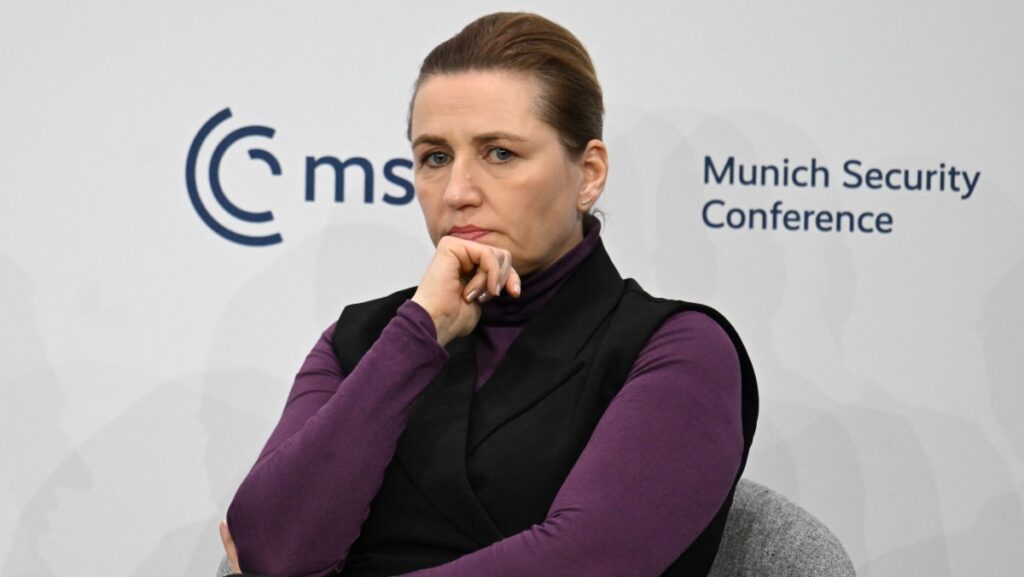
The social democrat prime minister is hinging her re-election bid on a tax that can take more from ‘the rich’ than they earn.
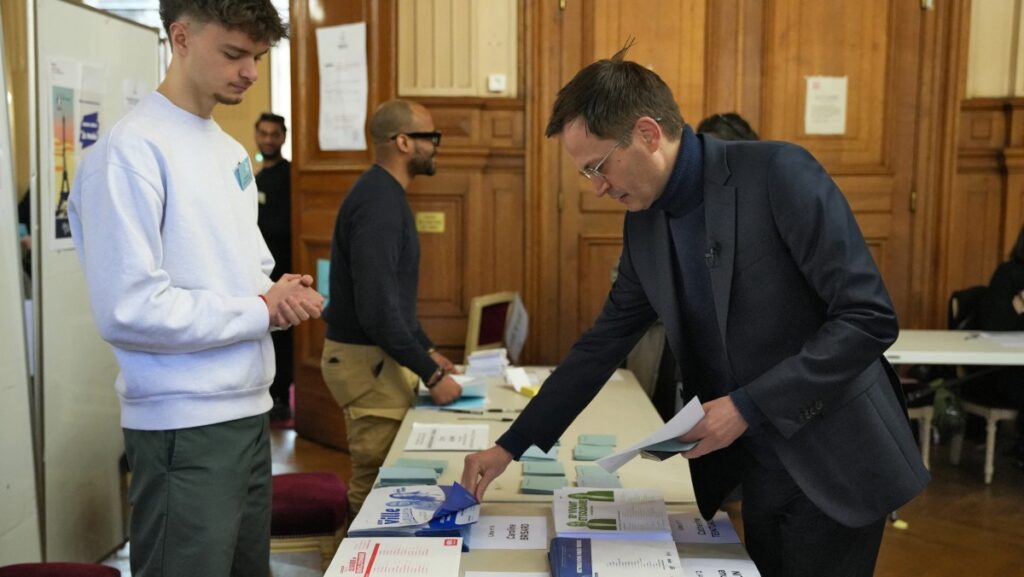
The national right strengthens its positions, but the far left still holds significant sway.

An unlikely political alliance opens for a reversal of the no-euro outcome from 2003. But the currency switch would not benefit the Swedish economy.
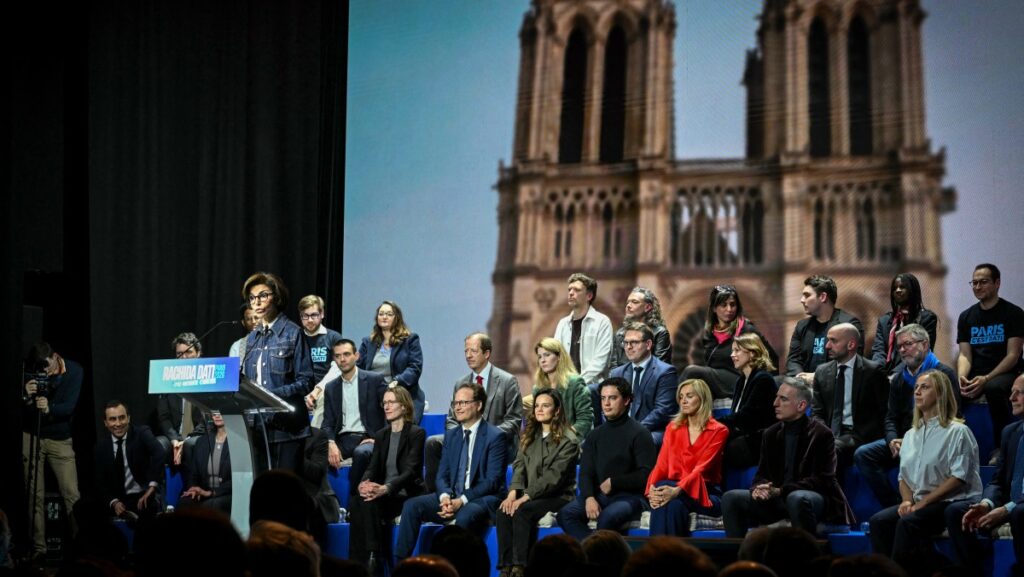
The parties see the mayoral elections as a barometer of public opinion ahead of the 2027 presidential election
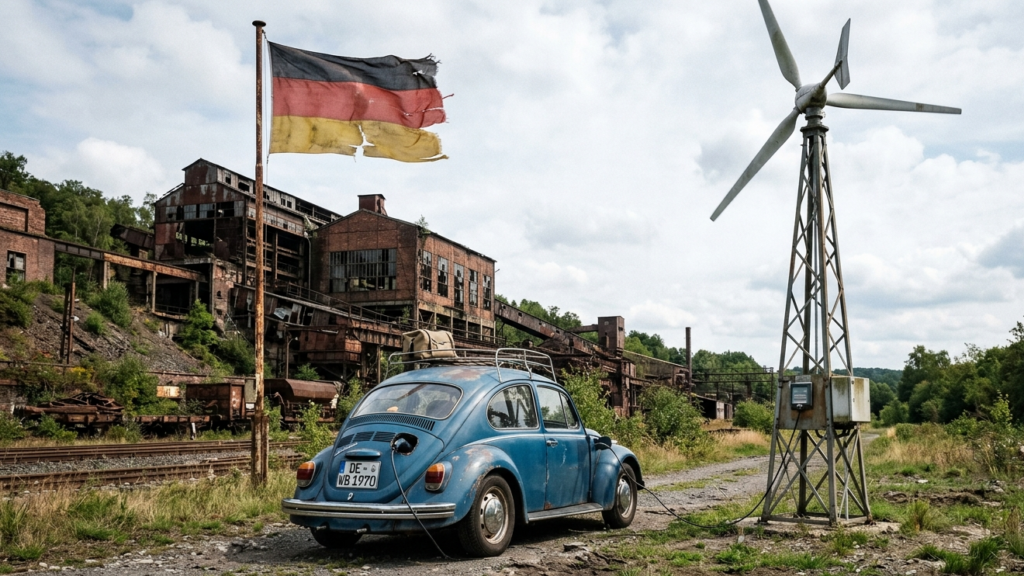
Born from one government decree, the People’s Car is now slowly succumbing to another government decree.

The EU’s blacklist of low-tax jurisdictions is growing. Brussels goes out of its way to protect its high-tax cartel.
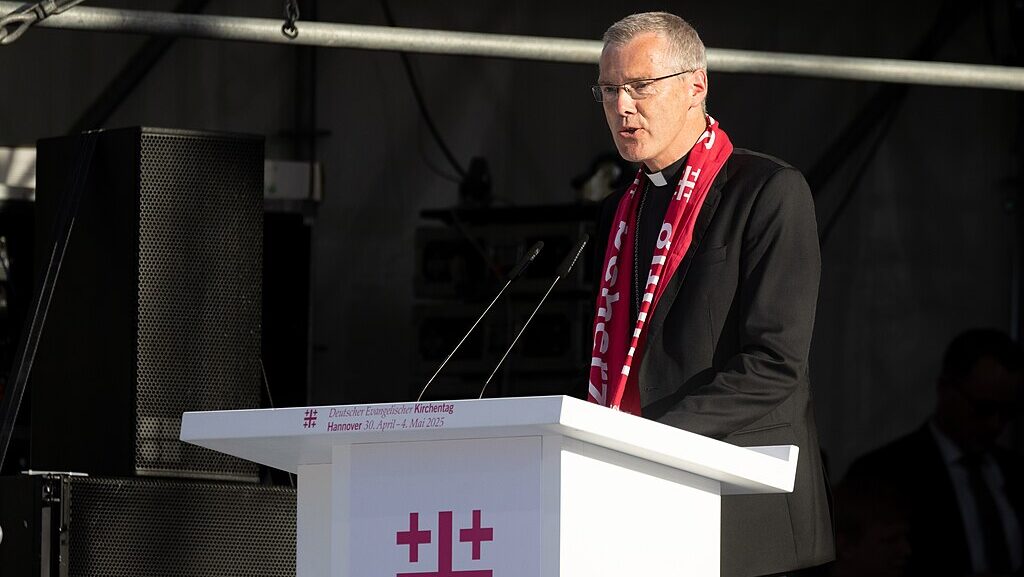
What is occurring in Germany is a true attempt at ecclesiological subversion.

The European Commission’s report on the Industrial Accelerator Act recognizes some of Europe’s economic problems. Unfortunately, that’s where the good stuff ends.
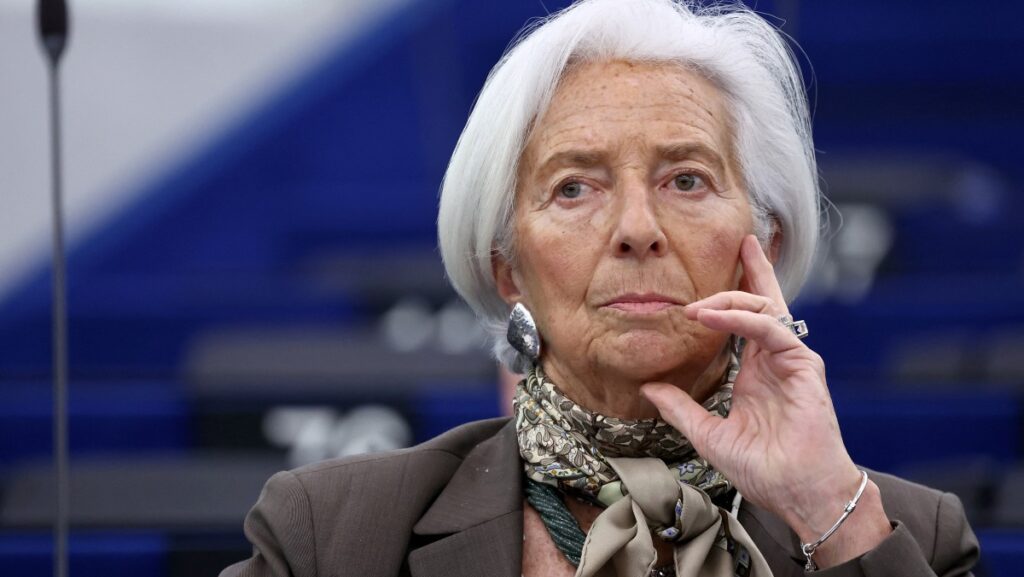
Christine Lagarde is probably the first major European policymaker to speak openly about why the EU is falling behind globally. But her plan for fixing the problem falls way short.
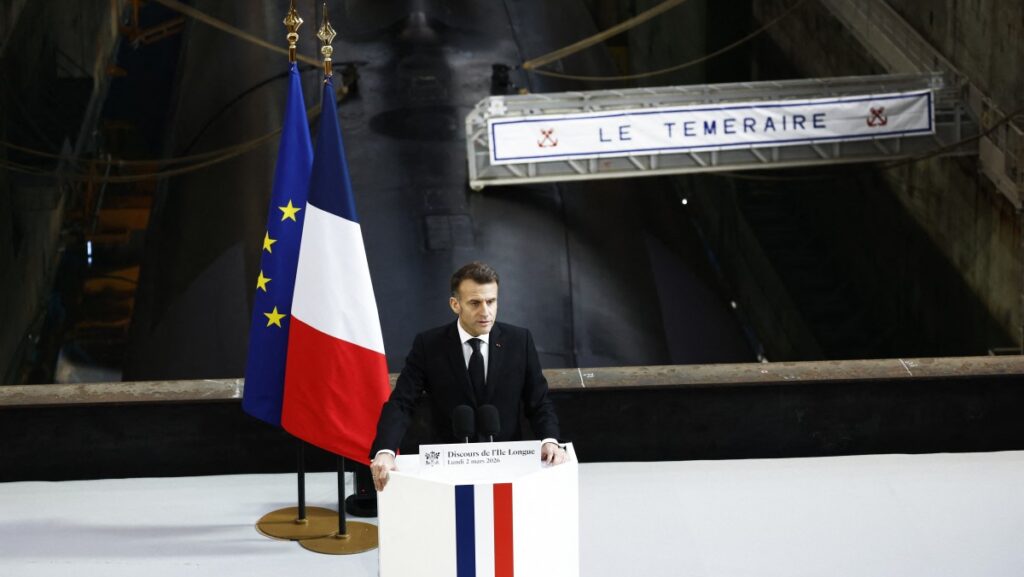
The French president is redoubling his efforts to give the impression that he remains at the centre of the international stage, but in doing so, he is selling off French military sovereignty.
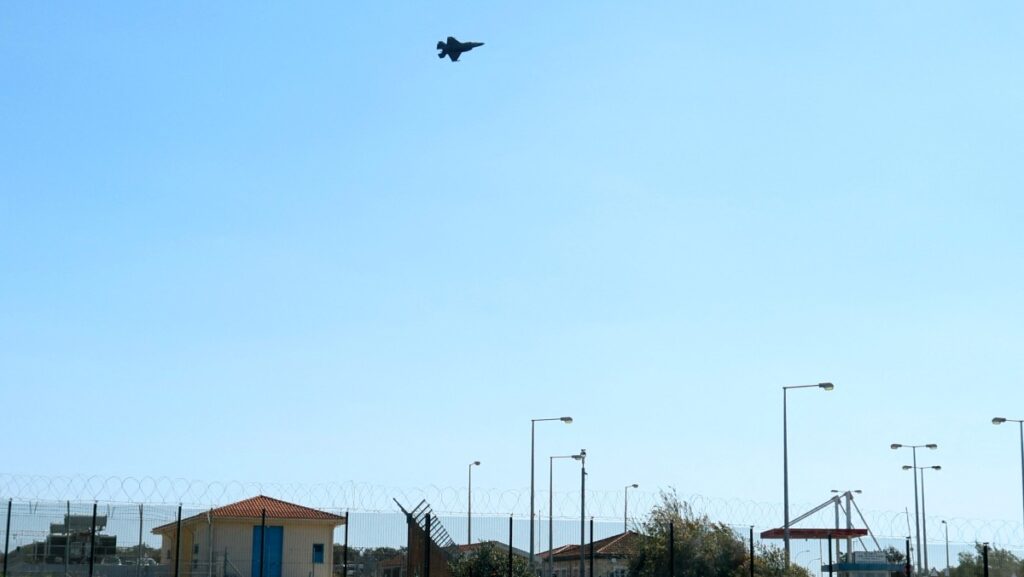
When aerial systems associated with Middle Eastern conflict physically reach the territory of an EU member state, the distinction between external instability and internal security begins to erode.
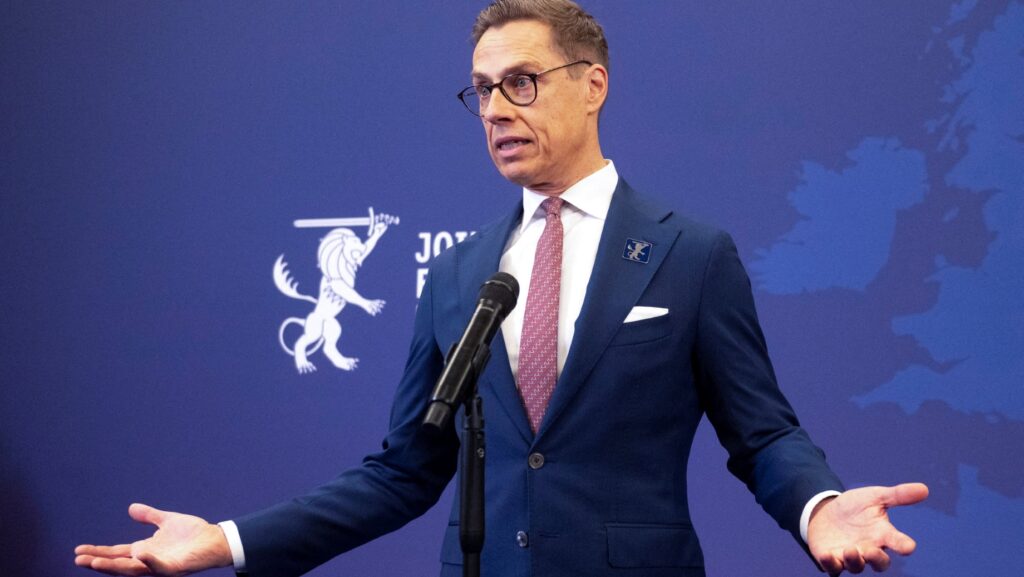
Pressured by the EU on excessive budget deficits, Helsinki needs to rethink the very purpose of its government.

Any efforts to promote abortion at the EU level violate its constitutional boundaries.
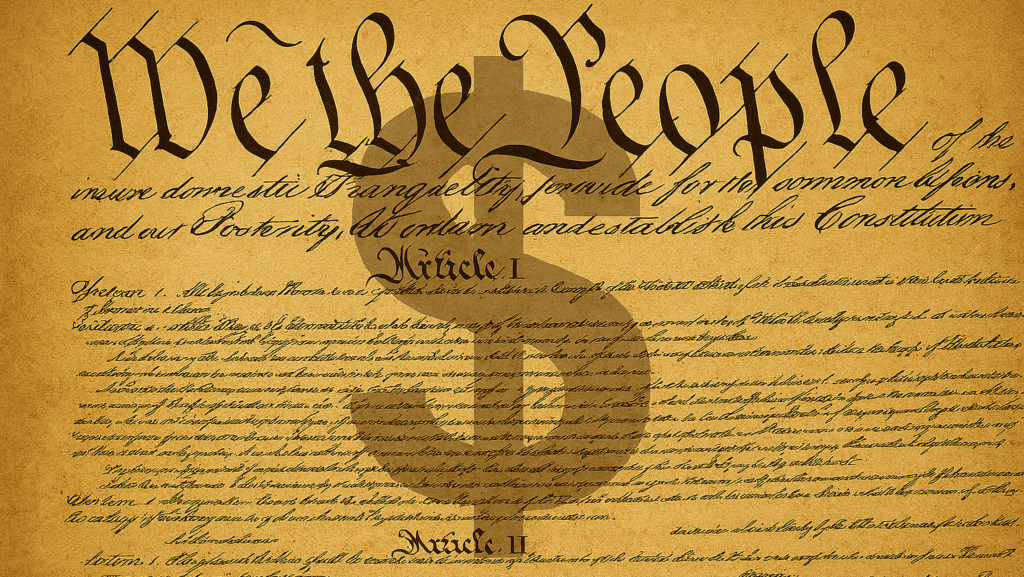
Contrary to what seems to be the prevailing wisdom, this was not a universal knockdown of Trump’s use of tariffs.
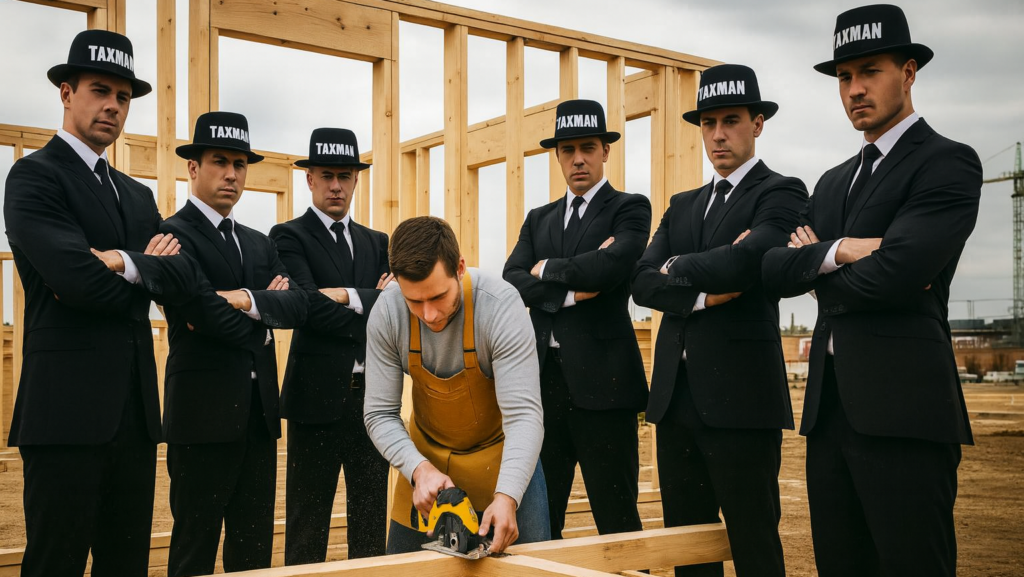
From California to Norway, governments show reckless creativity in their pursuit of more revenue.

AI development is dominated by a small number of Silicon Valley firms whose cultural and political orientations all favor a progressive consensus.
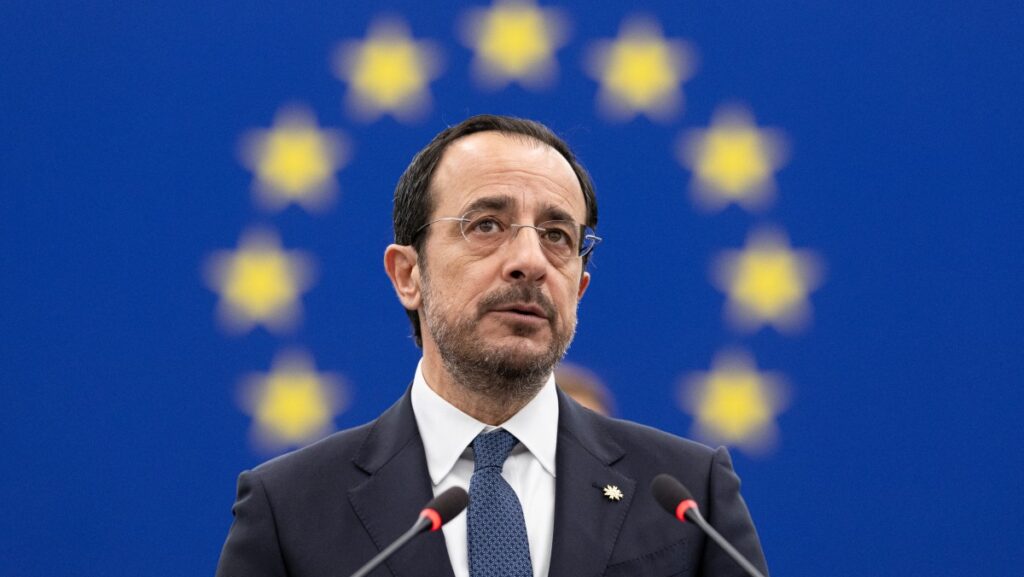
A small state can leverage its geography, diplomatic credibility, and regional expertise to strengthen Europe’s strategic role in one of the world’s most complex geopolitical arenas.
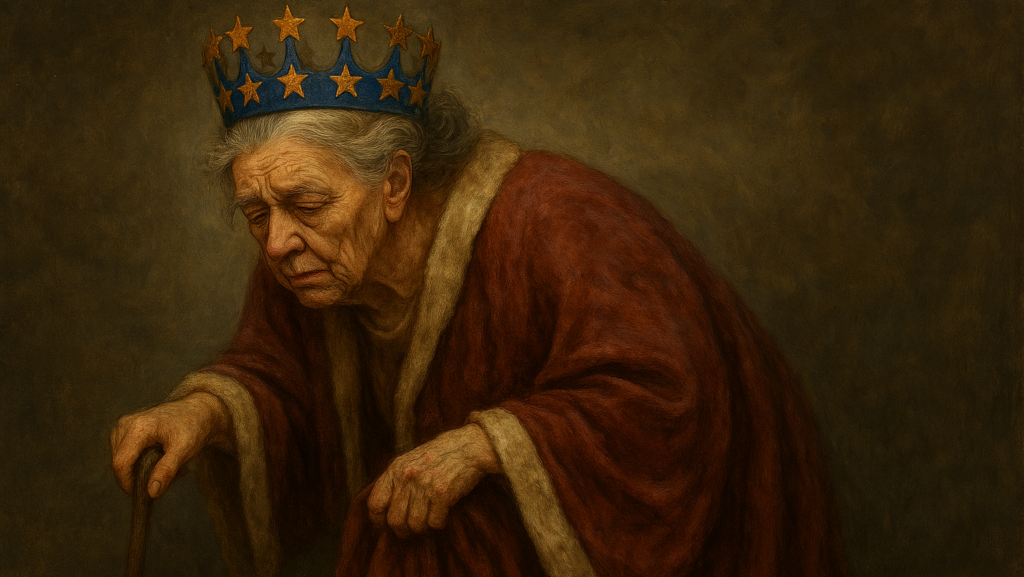
Half of all EU states are below 1% GDP growth with no improvement in sight.

The Holy See’s restraint appears as the result of an agreement that effectively restricts the Church’s prophetic freedom in confronting one of today’s most repressive regimes.

The reforms aim “to breed a new human being who will belong to the state—and only to the state,” critic and legal counsel Grzegorz Ksepko said.
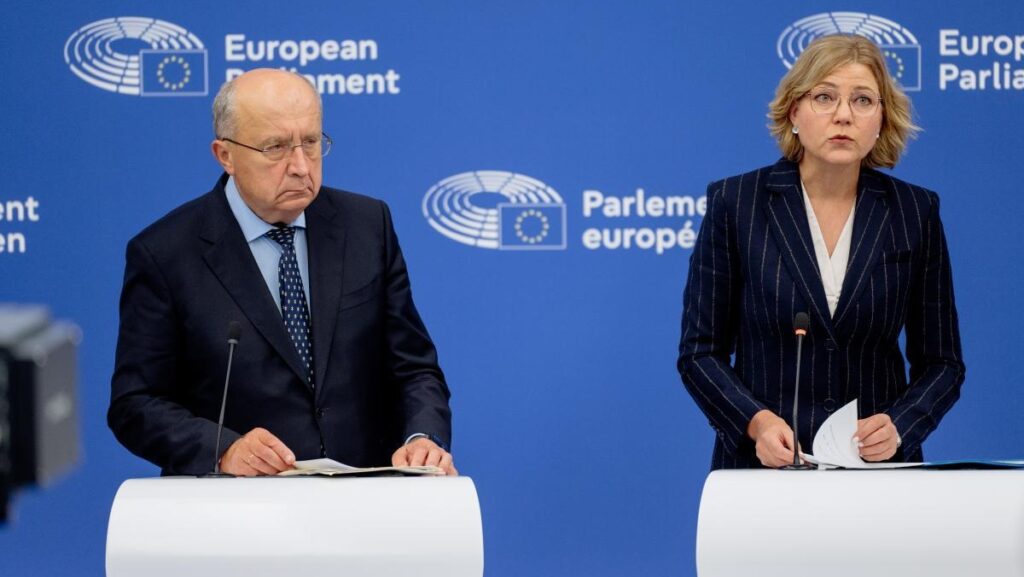
The defence loan plan becomes another extra-treaty instrument of influence, using debt and budgetary leverage to shape national policy, Polish legal analysts say.
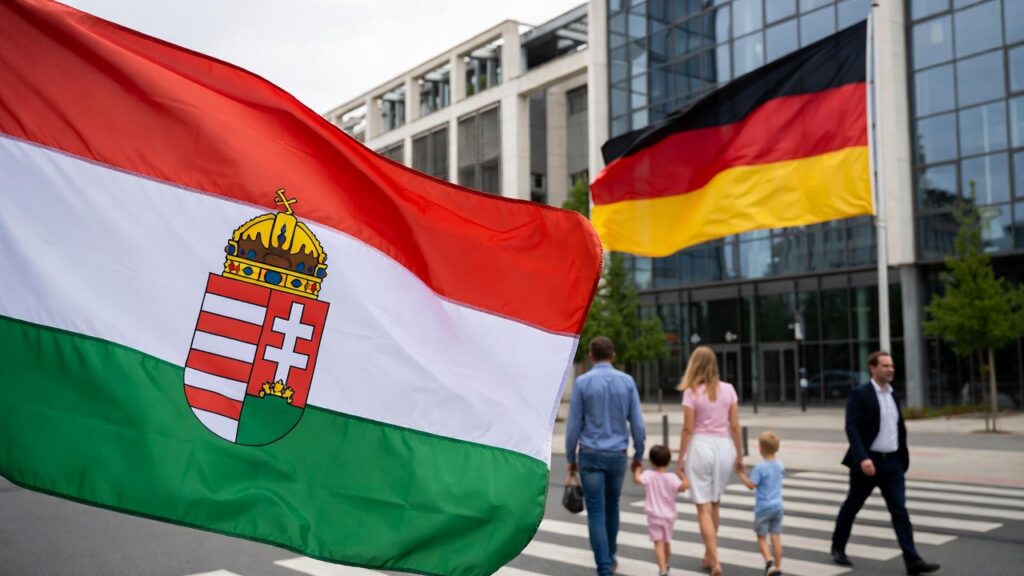
Almost 40 years after the fall of the Berlin Wall, we see the first big crack in the ‘democratic’ version of socialism, giving conservatives a historic opportunity to make Europe great again.
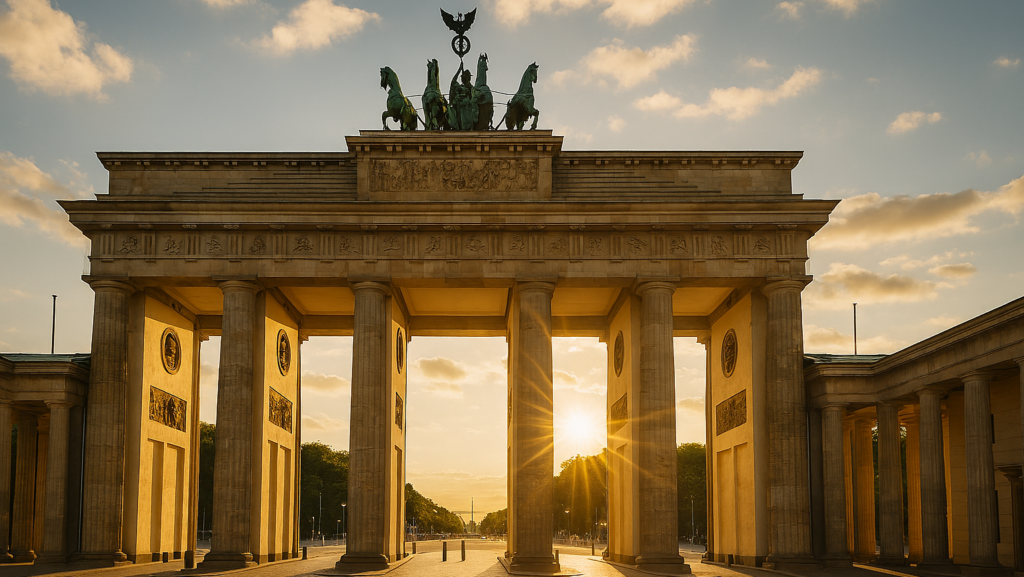
A large majority rejects the socialist welfare state as unaffordable. This is a golden opportunity to turn Germany in a more conservative, more prosperous direction.
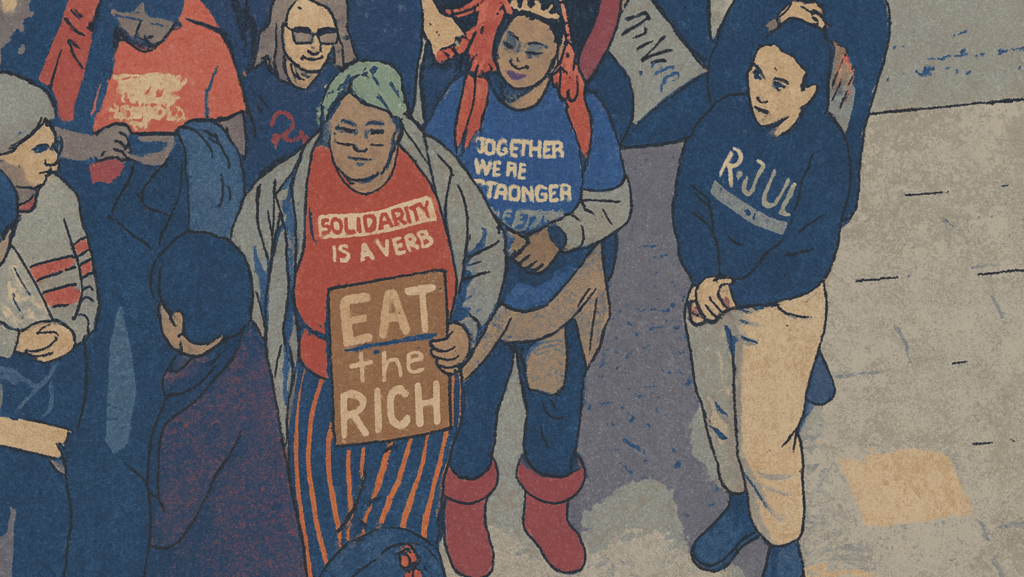
With most of the continent’s economies trapped between stagnation and decline, it is time to revive the forces that once made the West the greatest prosperity machine in history.
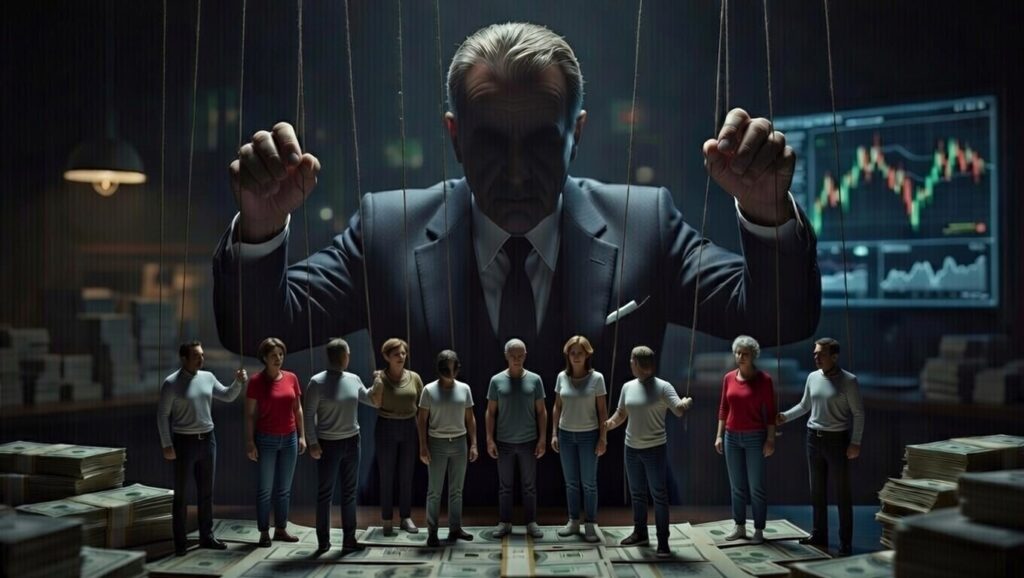
The GDI calls itself “independent”—but if it depends on funding from governments and public institutions like the European Commission, what kind of independence is that?
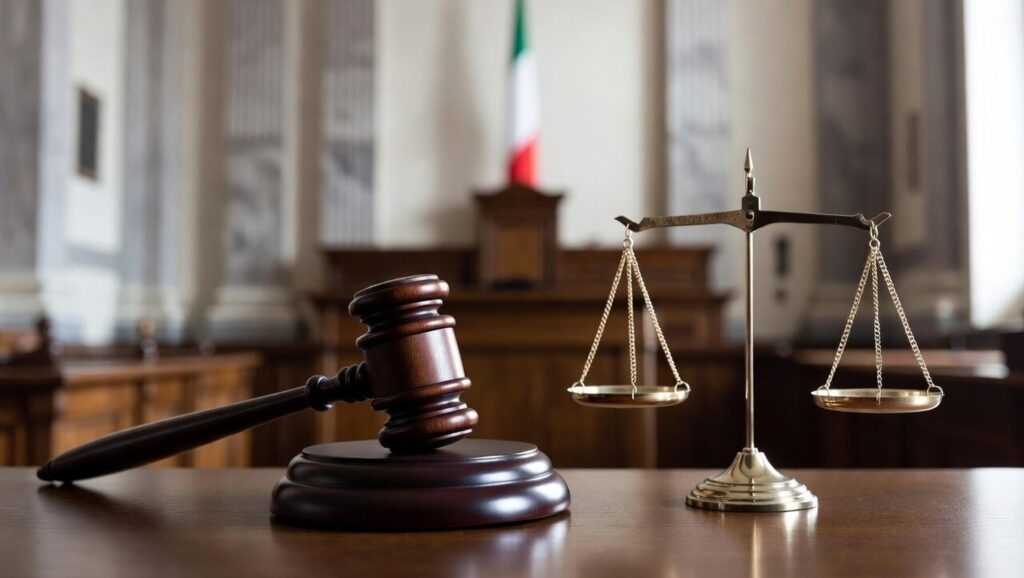
A ‘yes’ vote by a majority of the electorate would increase the transparency, independence, and accountability in the evaluation of magistrates.
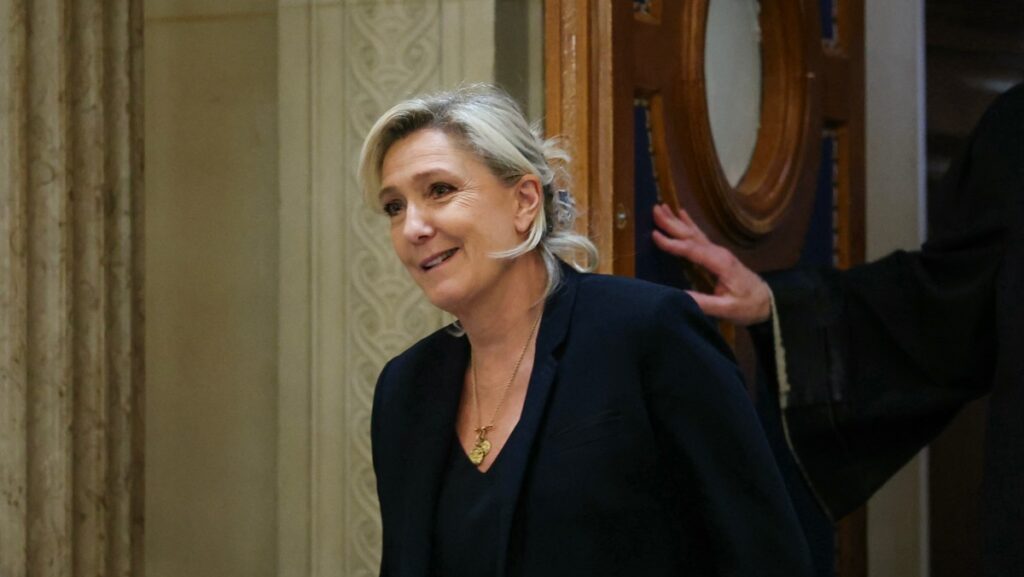
The political offensive aimed at bringing down Le Pen is a powerful argument against the corruption of the system and its determination to prevent the Right from coming to power.