


“If we allow heritage to be stripped of its significance and handed over to competing tribes, we won’t just lose our museums—we will lose the ability to see ourselves in the history of others.”
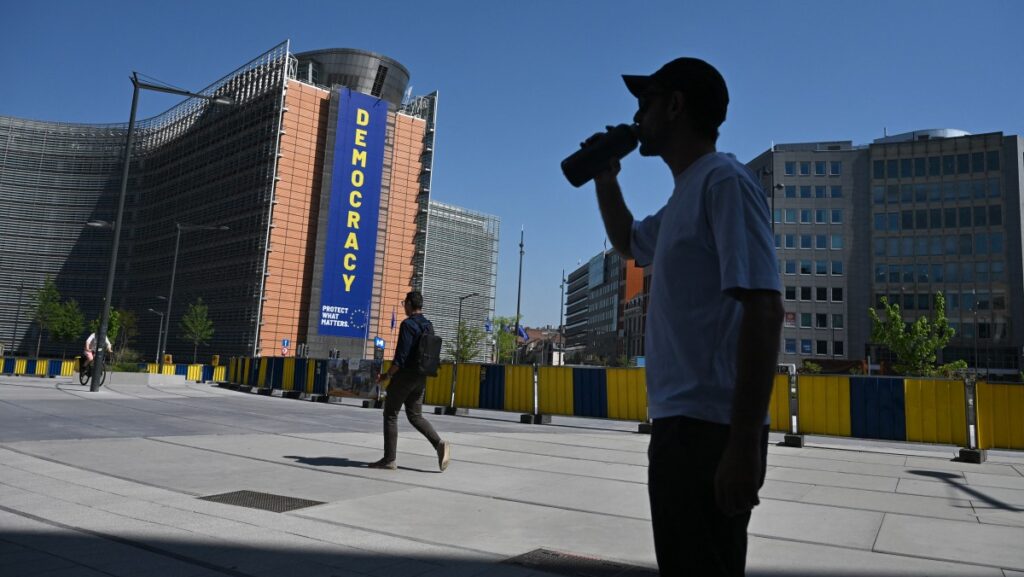
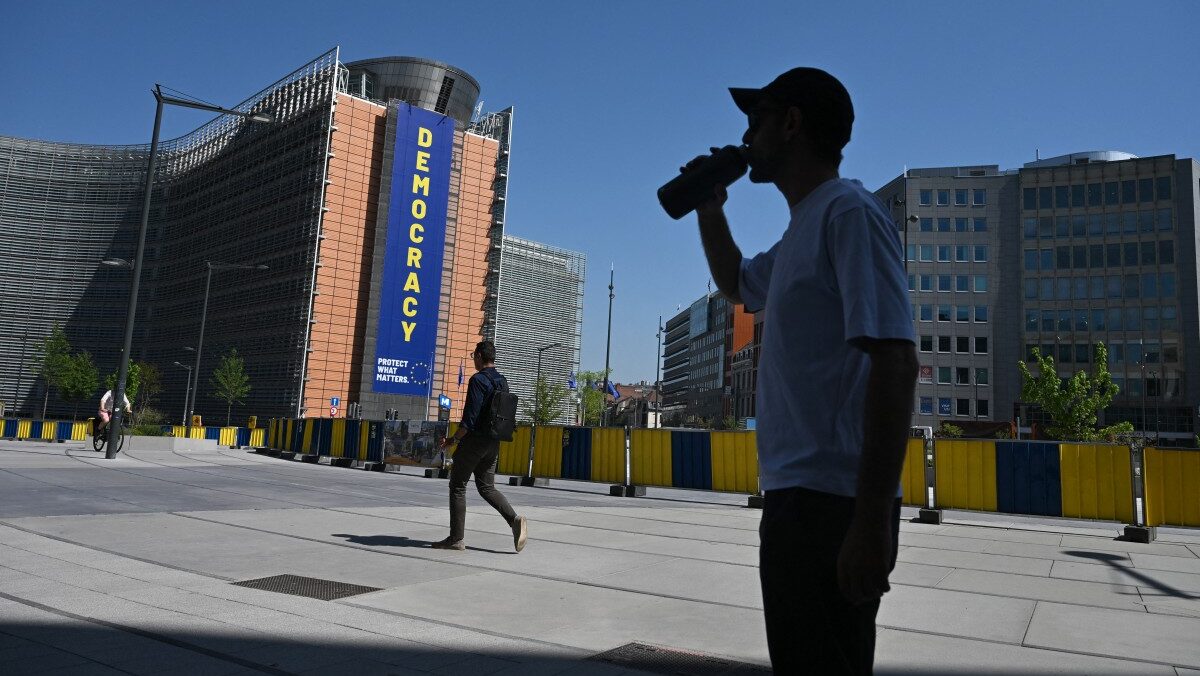
If not for the piles of regulation produced by the Berlaymont, air conditioning would likely be far easier and cheaper to obtain by hundreds of millions of Europeans.
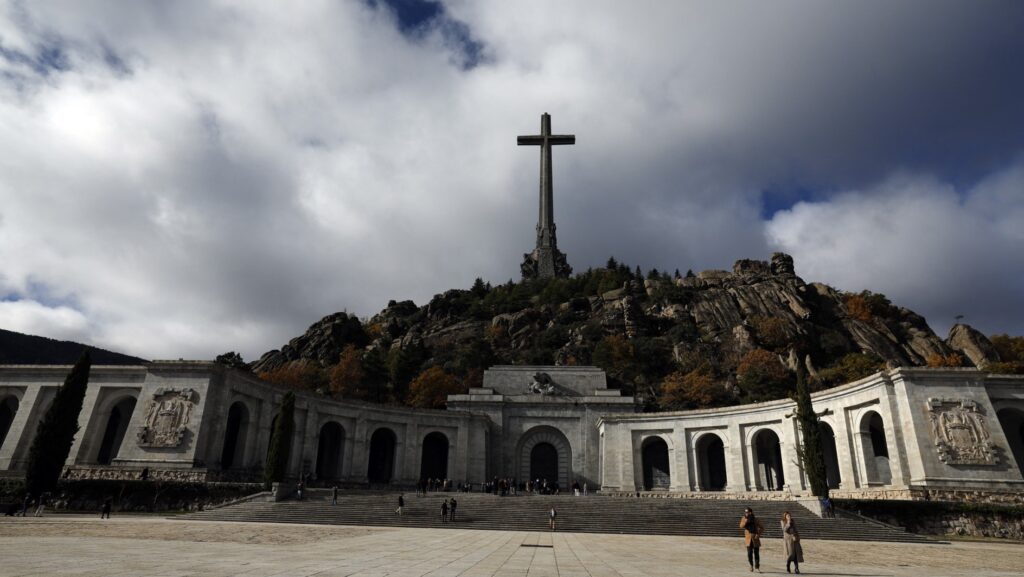
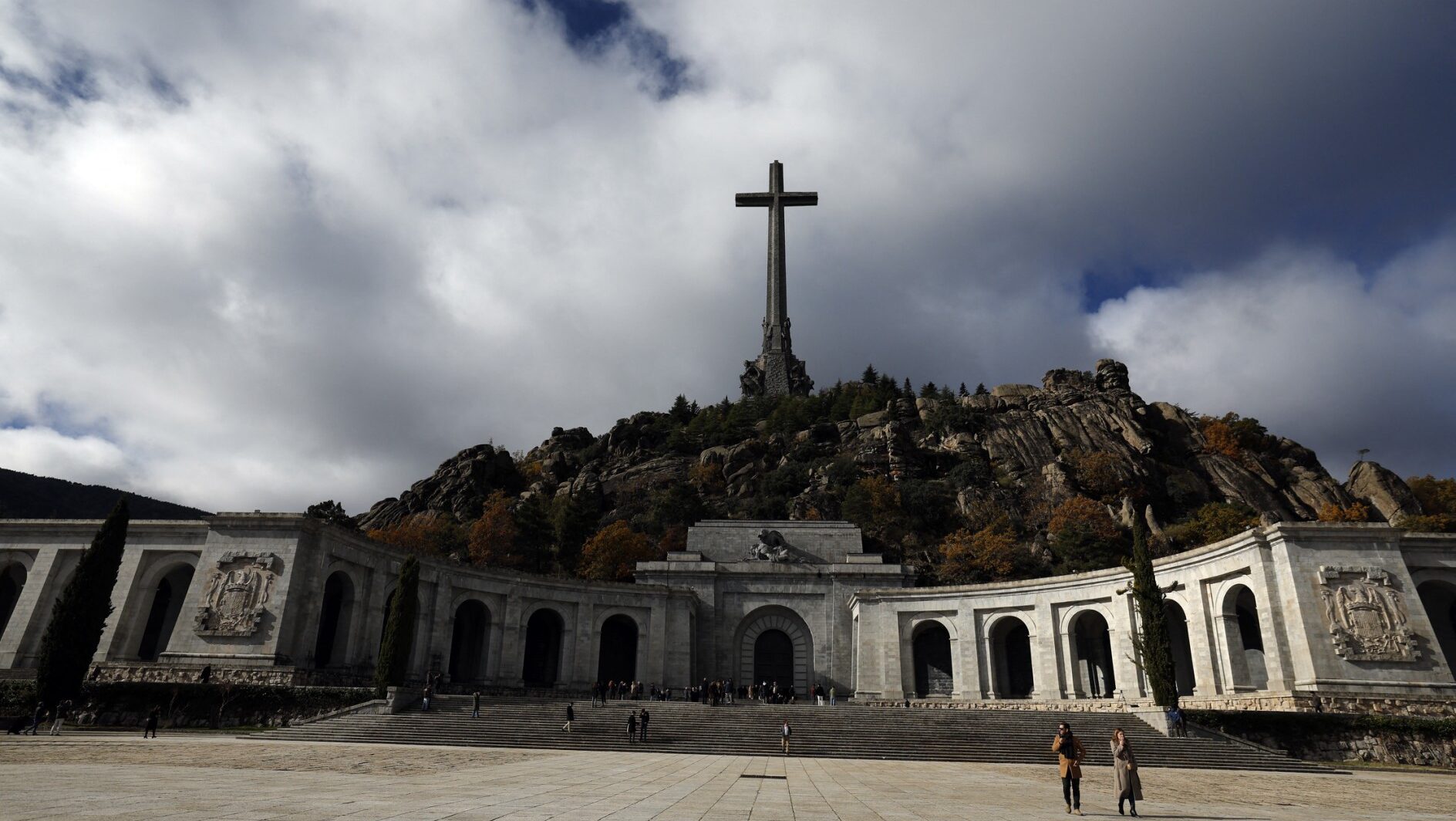
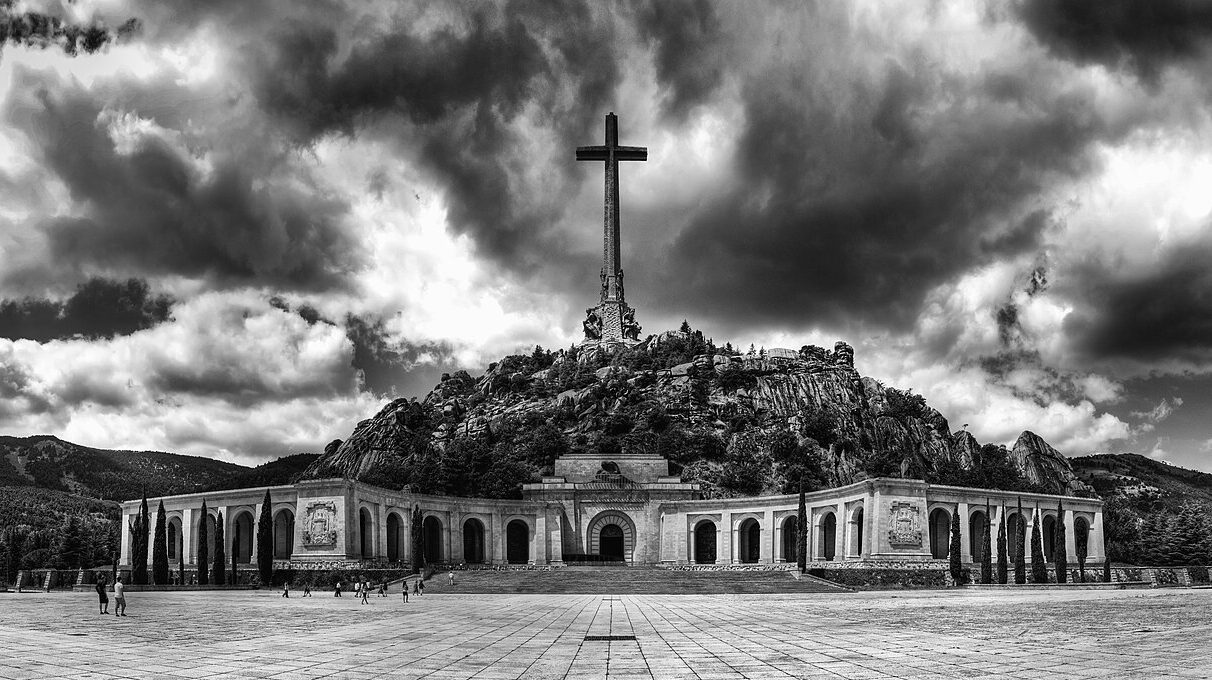
Pedro Sánchez is summoning the long-silent ghosts of the past in an attempt to publicly humiliate the victors of the civil war. In so doing, he has likely opened Pandora’s box—even if he has not yet realised it.
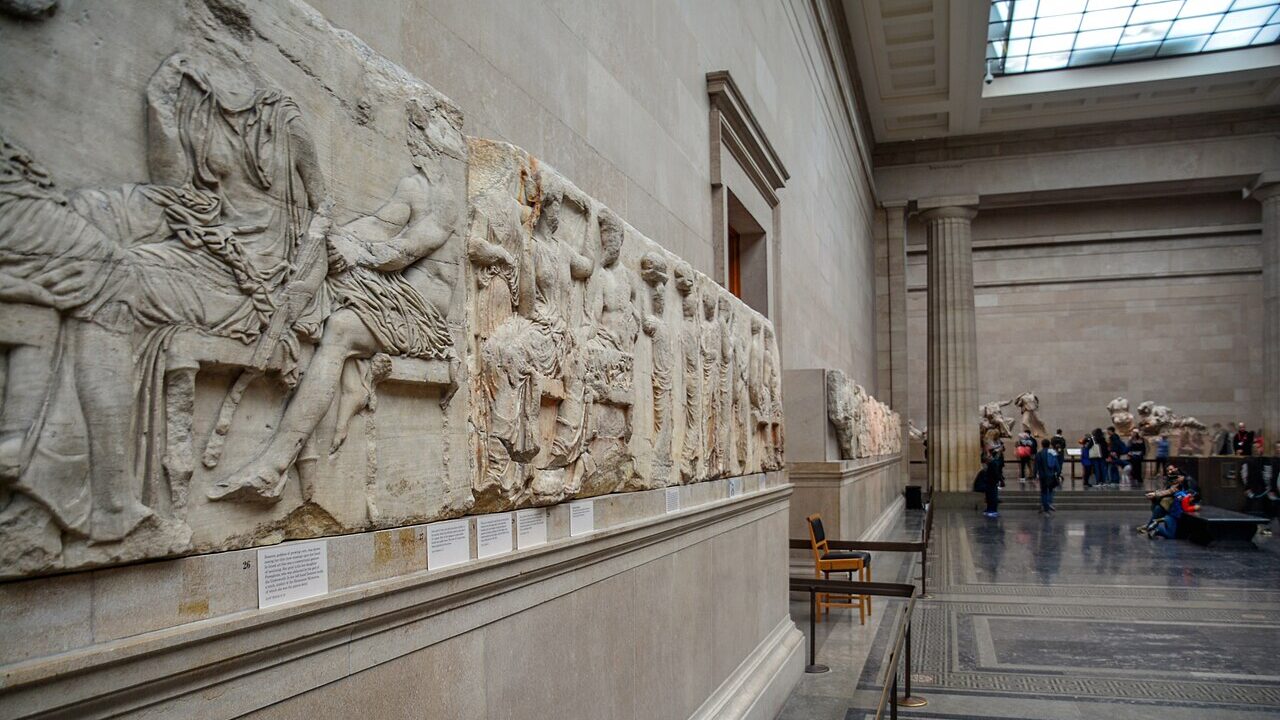
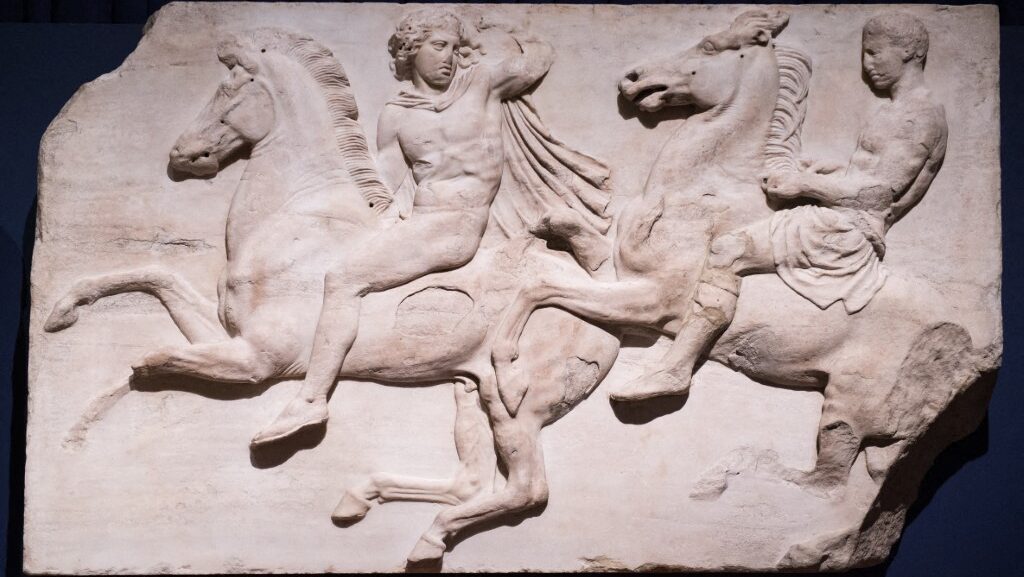
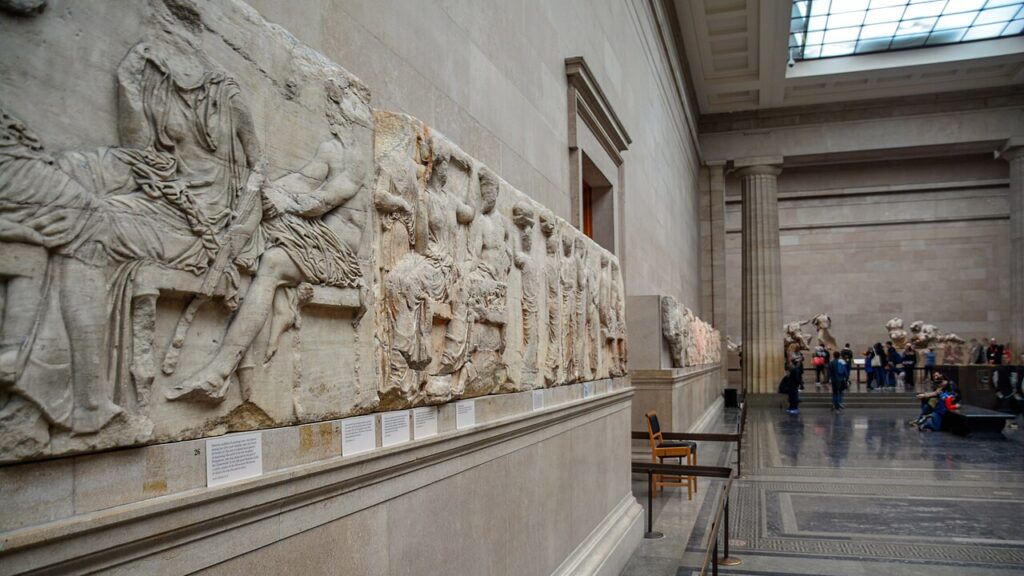
The Elgin Marbles debate is about far more than the marbles themselves. It is about the ludicrous concept that art and culture should be tribalised.
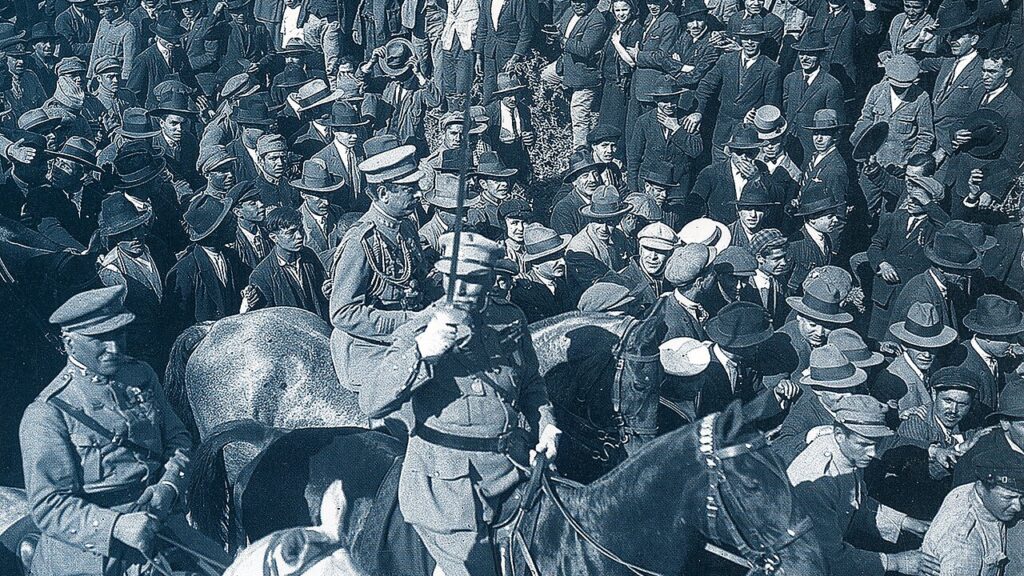
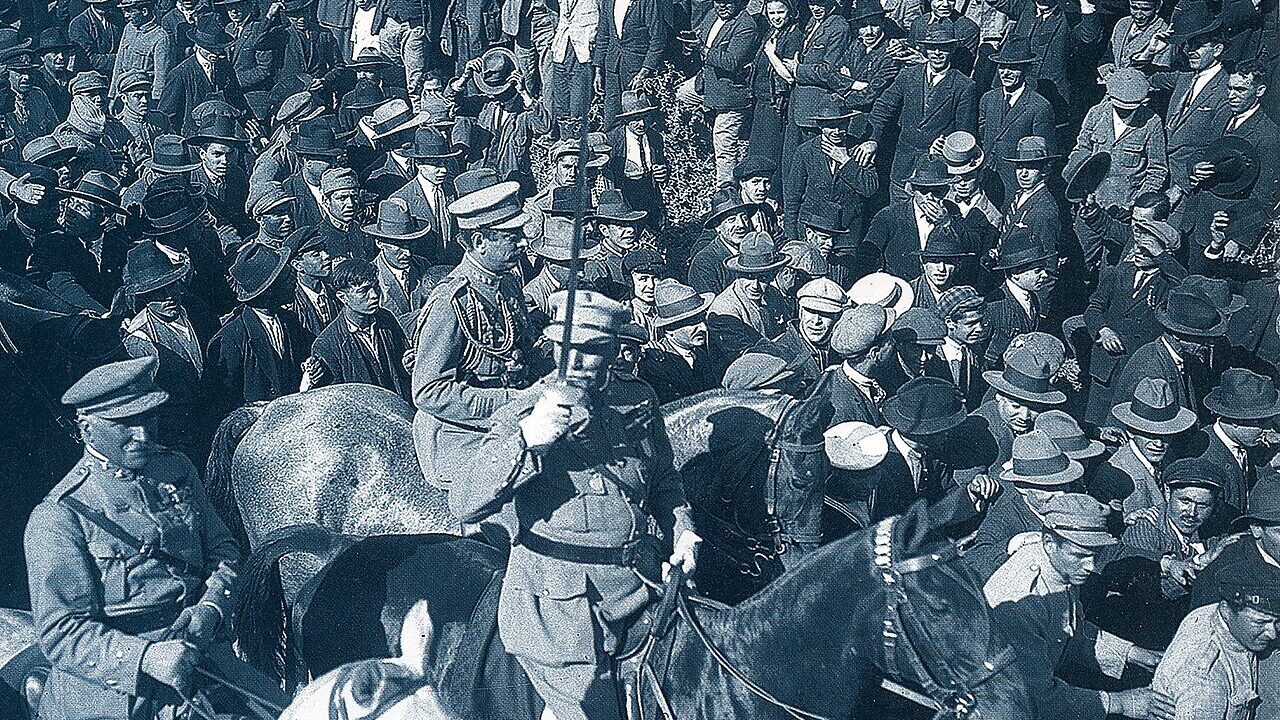
One hundred years ago, a crumbling nation took hold of its destiny, restored trust in politics, and called on the Right and the patriotic Left to join hands in a grand project of national salvation.

Europe’s elites have turned a powerhouse into a punchline, then give themselves medals for the collapse.
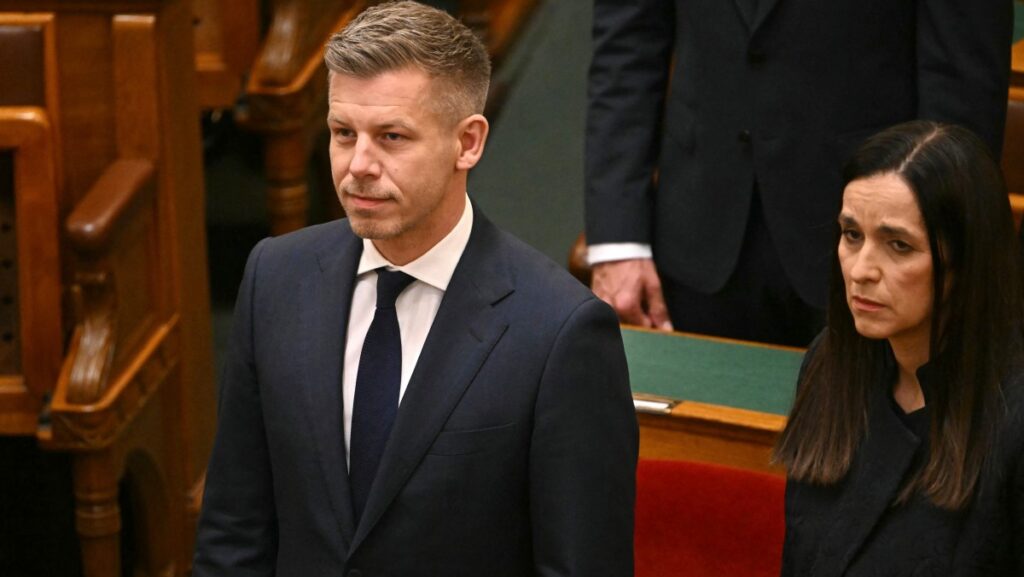
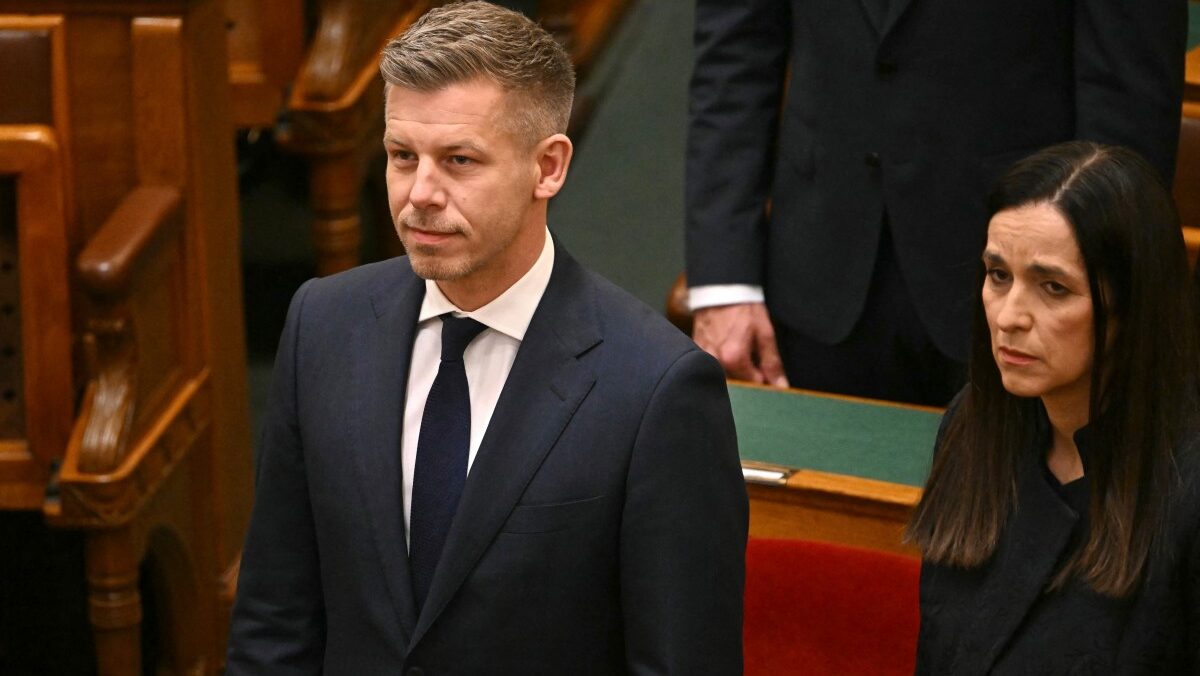
The Tisza leader campaigned as ‘Orbán 2.0,’ but days into office, he launched a Tusk-style parliamentary coup, purging conservatives, shutting down state media, and surrendering to Brussels on migration and foreign policy.
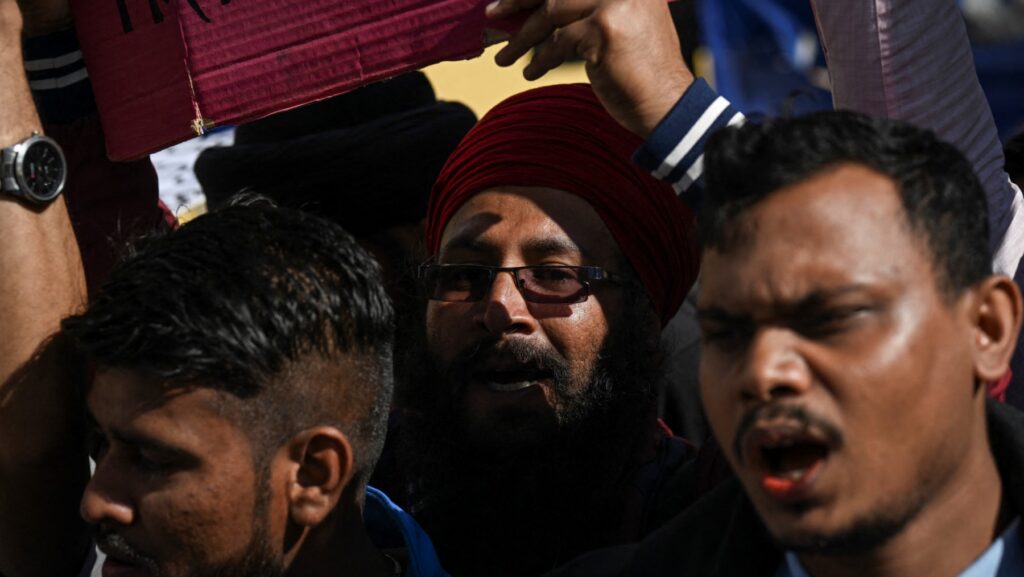
Portugal has been denationalised, deconstructed as a national community, and converted into a confusing, shifting ethnic puzzle. This is no longer a recipe for disaster—it is an existing one.
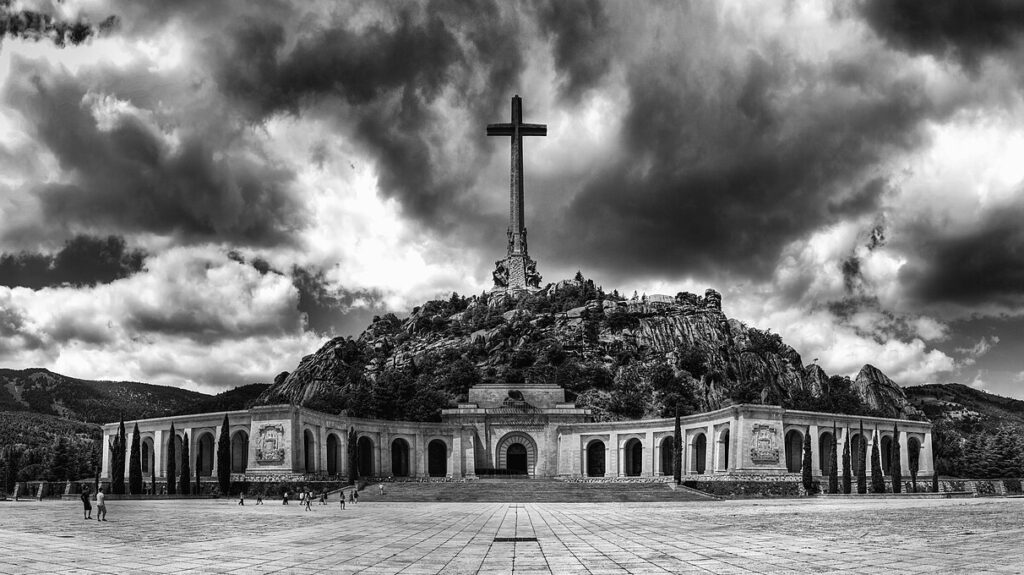
The timing of the new recognitions suggests Leo is paying attention to what is happening in Spain—and signalling that neither the anti-Catholic abuses of the past nor those of the present will be ignored.
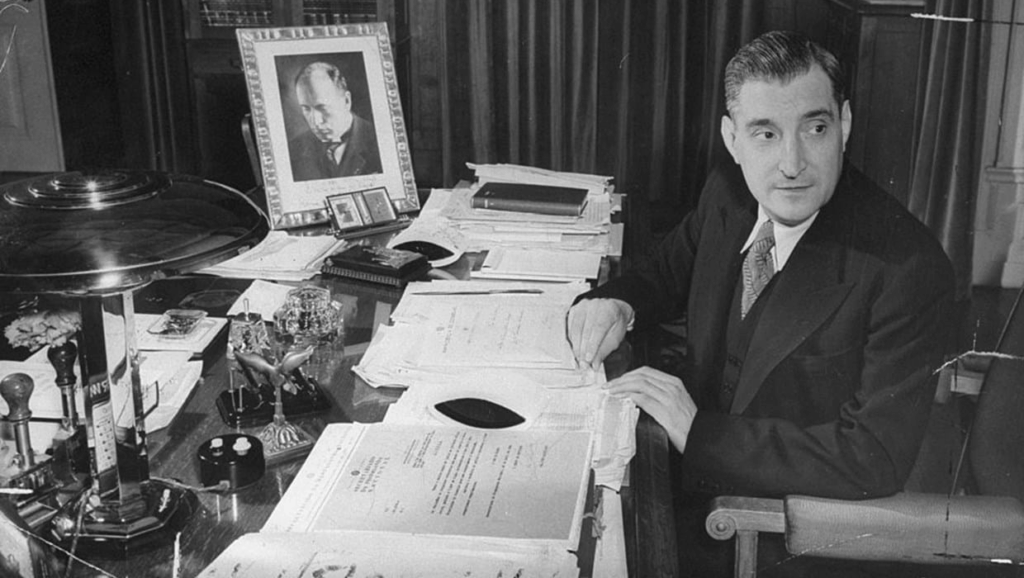
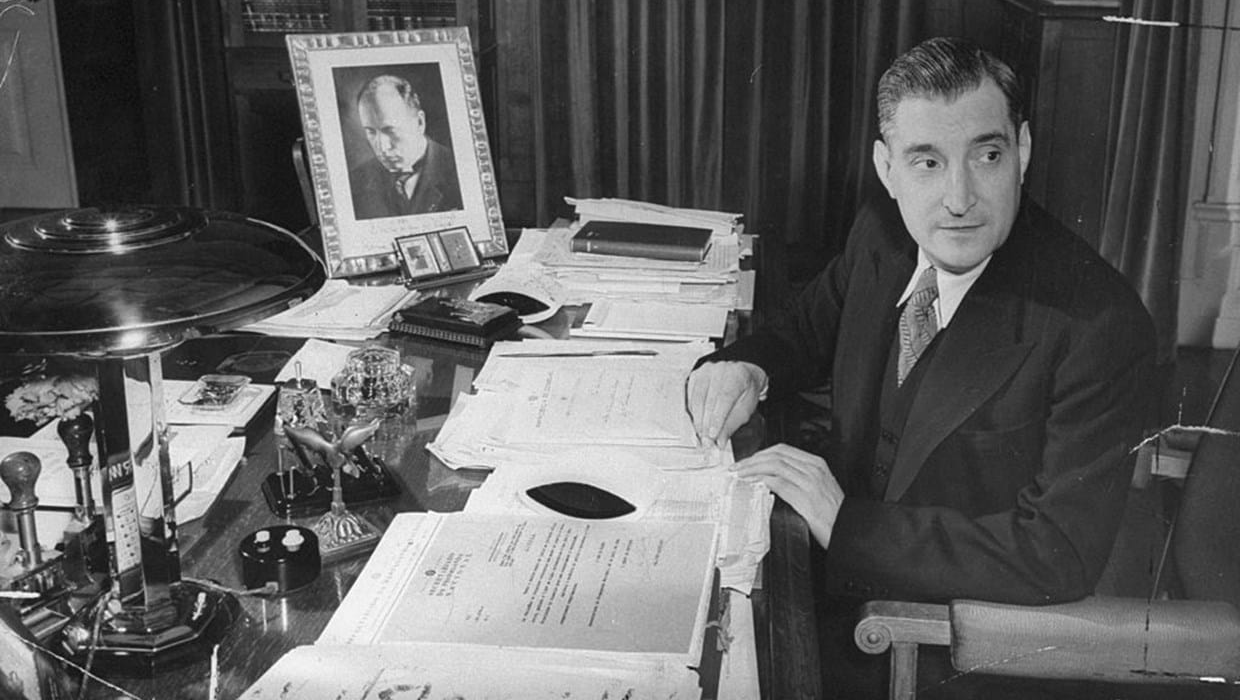
“António Salazar was distrustful of the terms ‘right’ and ‘left’ and took his stand around a position of steady but unspectacular nationalism.”

In the clash of wills between the White House and the Vatican, it is already clear that the vast majority of Catholics will rather side with their pope than with the president of the United States.

Perfectly legal acts of political opposition to the establishment can lead an individual to suffer real, painful measures of state coercion.