


That Orbán has been able to cultivate a close relationship with the White House has thwarted the attempt of the Brussels bureaucracy to diplomatically isolate Hungary.

If we want to turn Europe and America in a more conservative direction, we need to understand the depth, the strength, and the persistence of our ideological adversary.
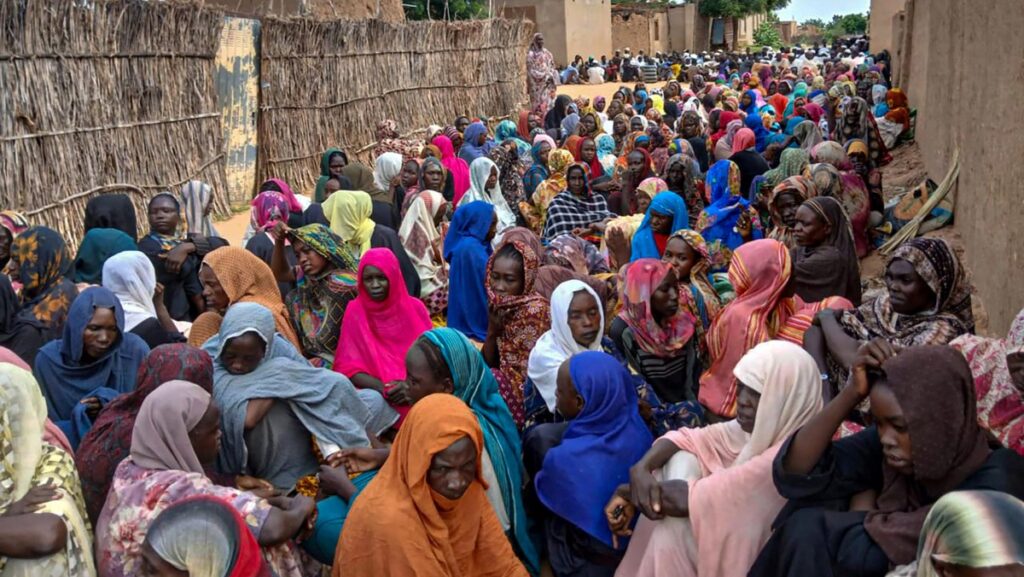
For the progressive West, suffering acquires meaning only when it can be traced to guilt. Without that connection, empathy falters.

Contrary to widespread myths and errors being produced by right-of-center pundits, the Swedish experience with democratic socialism was not short, and it never ended.

Orbán bets on energy dialogue with Washington as Europe pays the price of its dogmatism.
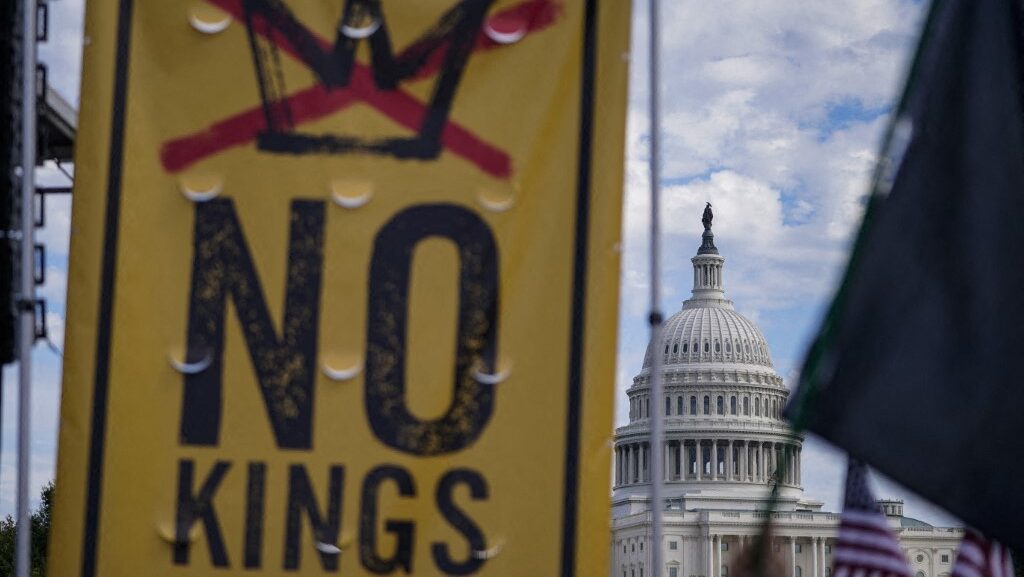
Powerful actors continue to fund NGOs to manipulate political systems and destabilize sovereignty, manufacturing the illusion of dissent.
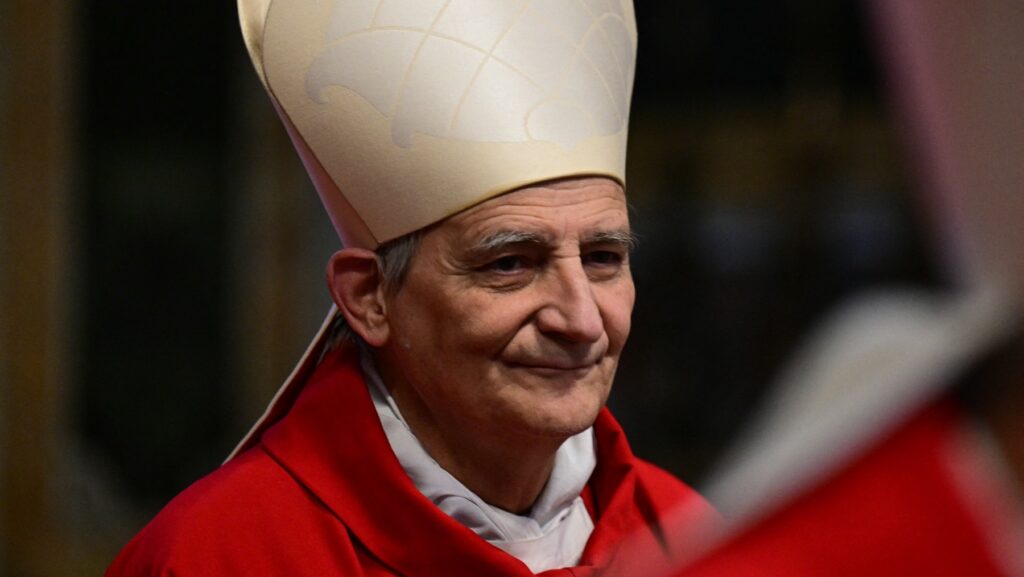
The new synodal document of the Italian Church confirms a pastoral approach fully aligned with progressive ideology, paving the way for the abandonment of the natural family.

A shift in the nation’s political culture is vital—away from socialist and demagogic collectivist ideas that dragged a once-prosperous country into corruption and decay.

For too long, conservatives have fought in the language of values while surrendering the machinery of policy.

Newly uncovered documents reveal how Downing Street shaped the British narrative on the war in Ukraine, shutting down any early path to negotiation and projecting a new moral doctrine that now defines European policy.

It is easy to make promises with other people’s money—in this case, frozen Russian assets. But those assets are nowhere near enough to pay for von der Leyen’s pledges. Who will be asked to foot the rest of the bill?

A return to roots in a time of confusion or just another political strategy?

From moral crusade to global business: Boris Johnson’s pro-Ukraine activism reveals how virtue can become a lucrative brand.

ADF International is currently supporting over 30 legal cases on behalf of Christians challenging the arbitrary bans before the European Court of Human Rights and the Turkish courts.

As Britain armed Ukraine in the name of solidarity, its defence industry—and Boris Johnson’s allies—turned war into opportunity.
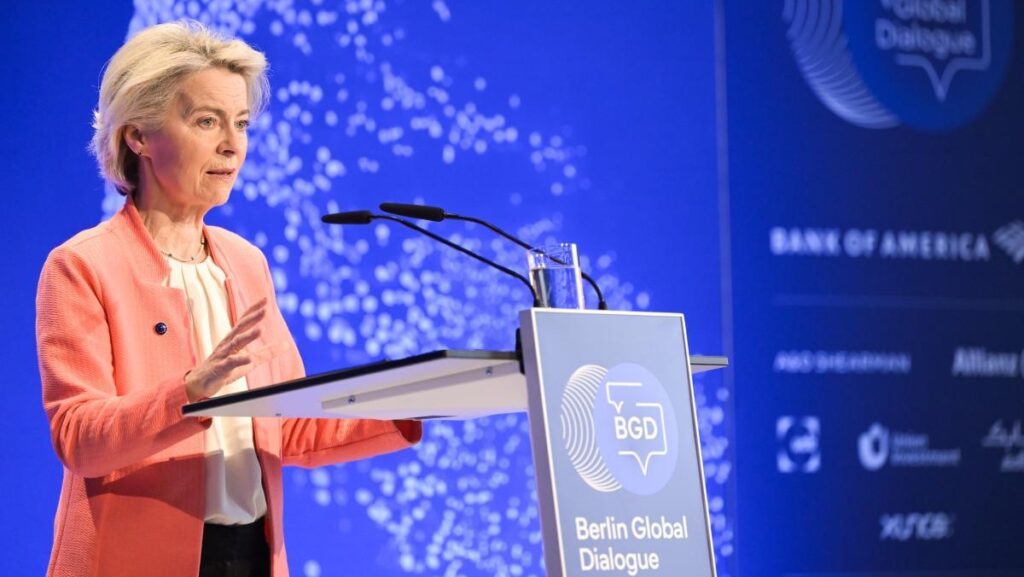
The EU Commission’s proposal for the next multiannual financial framework hides a political revolution in plain sight.

On April 9, 2022, Kyiv was expecting the announcement of a ceasefire. What it received instead was an ultimatum. Three years later, documents and testimonies confirm that on that day, it was not peace that was decided, but the duration of the war.

A £1 million donation, a defense entrepreneur, and a former prime minister turned international advocate. The Johnson–Harborne–QinetiQ connection sheds light on the intersection of political power, private influence, and the business of war.
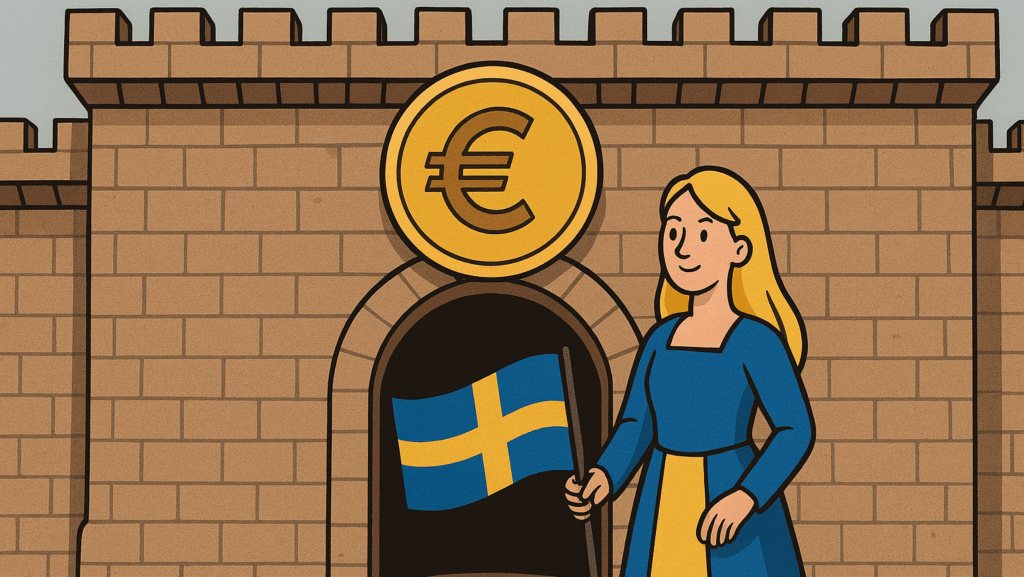
Prime Minister Ulf Kristersson’s party wants to explore a path for Swedish euro zone membership. It would be a bad idea for Sweden to give up its own currency.
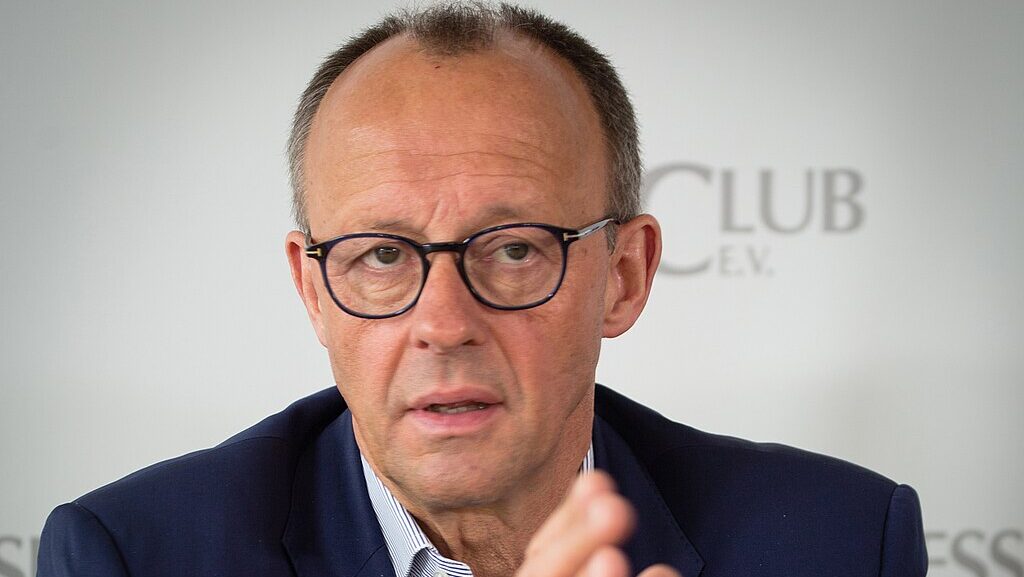
When the conservative center is silenced, the true extremists inherit the stage.

The appointment is yet another sign of a Church increasingly tempted to bend to the spirit of the world.

In 2010-2014, the EU was the scene of a major fiscal crisis. Since then, nobody has treated the root cause, only the symptoms. Therefore, it is no surprise that history is about to repeat itself.
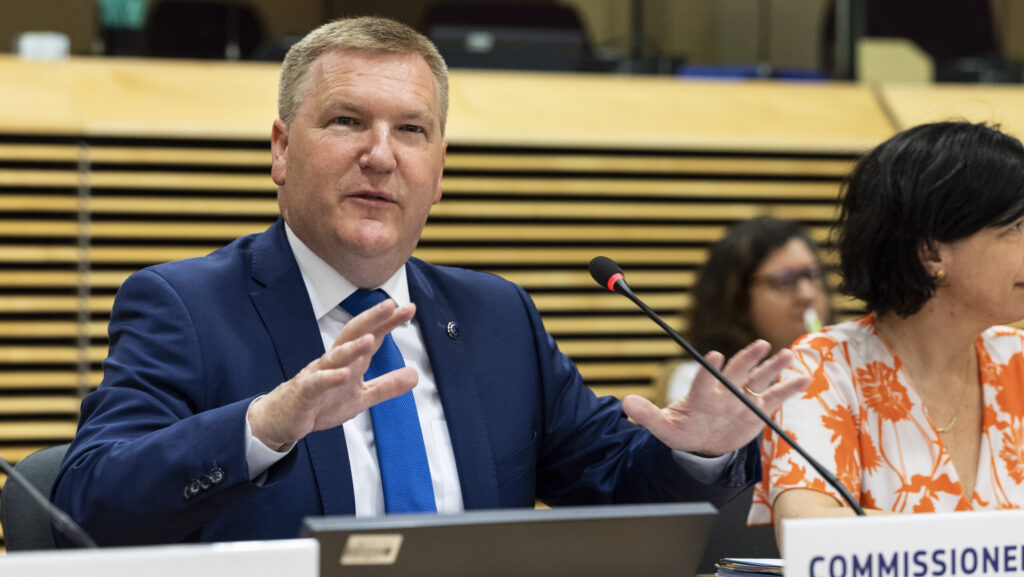
A stage-managed public feedback and consultation turns citizens into extras in a play about democracy while silencing the very questions that might challenge the Commission’s authority.

Unlike Western Europe’s tendency toward moralizing diplomacy, Hungary’s approach is grounded in realism and mutual respect.

If East Germans had not felt—and rightly so—that for too many years, all decisions were made by West Germans, less estrangement would likely have resulted.

France’s political elite is out of time: they must form a sustainable government and start fiscal consolidation, or the country risks an economic crisis at least as severe as the one 15 years ago.
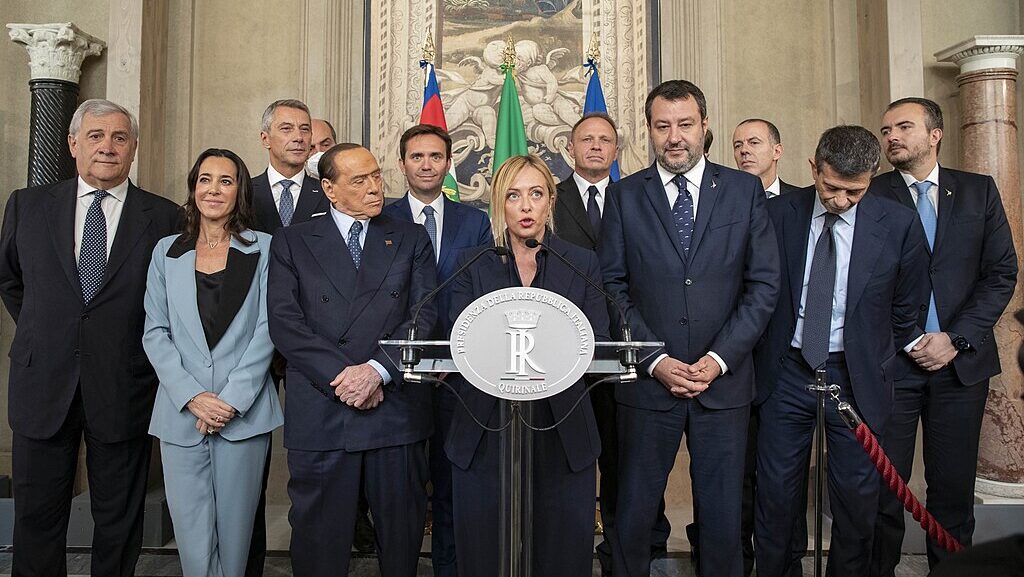
The Italian PM skillfully transformed the Italian Right from the transactional politics of Silvio Berlusconi to a populist movement defined by policy rather than personality.

Far from acting as a balancing power between East and West, Turkey has become a tactical opportunist, leveraging its NATO membership to extract concessions from the West.
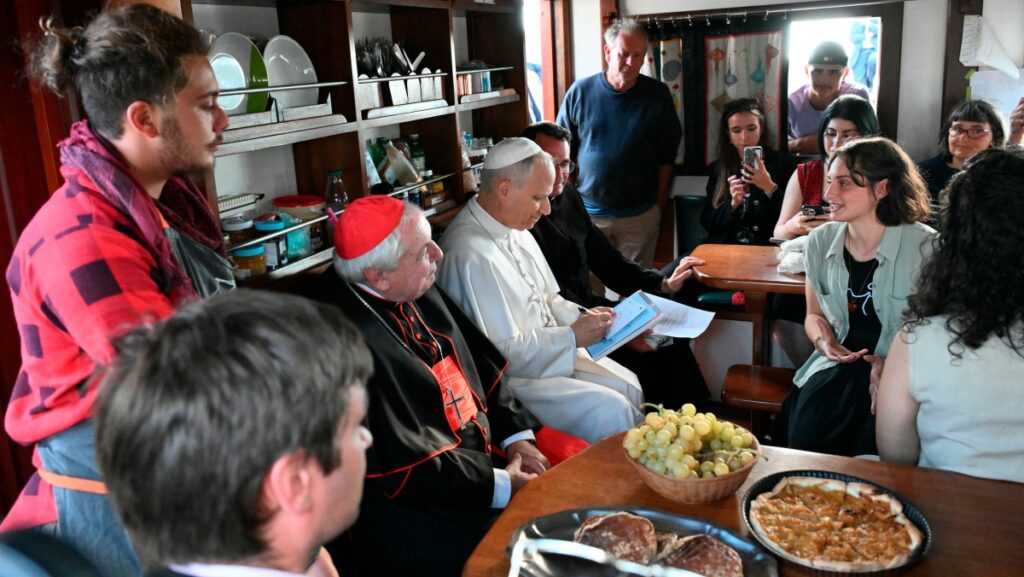
The new pope is advised by a Curia that remains Bergoglian in orientation—progressive in theology and socialist in politics.
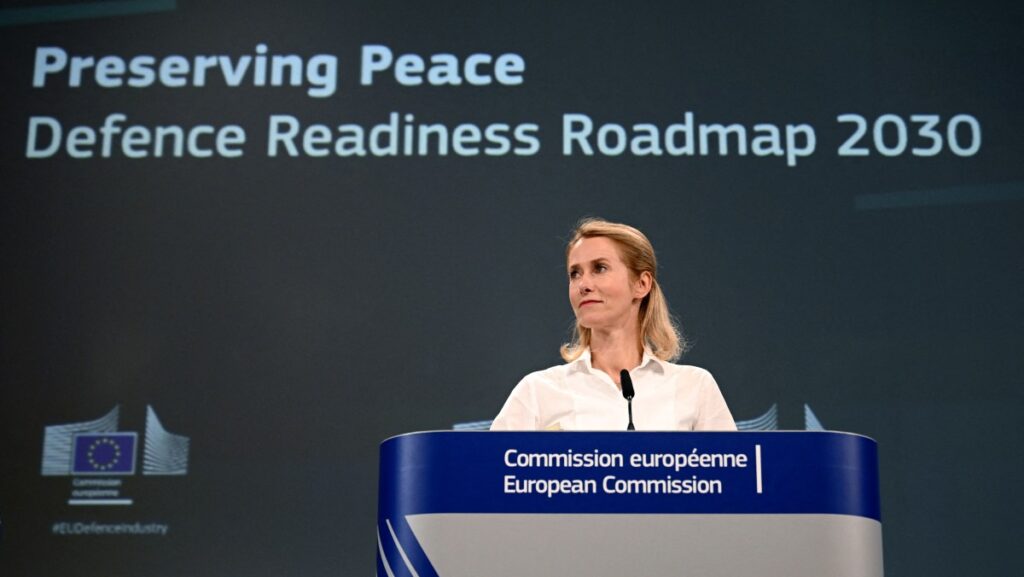
Even if you were to quadruple defence spending, if no-one is willing to fight for you, there would be no consequence.