


The government has not delivered a paradigm shift. It has been an administrative shift, not an experiential one.

The U.S. president is moving to take control of the Fed board—a power grab that could spell economic disaster for both the U.S. and Europe.
In the name of an Orwellian notion of freedom, we risk creating a fragile and dependent market where global platforms remain the uncontested masters.

Chancellor Merz has conceded that Germany can no longer sustain its expansive welfare state—a fiscal surrender to economic reality that other nations may soon be forced to replicate.
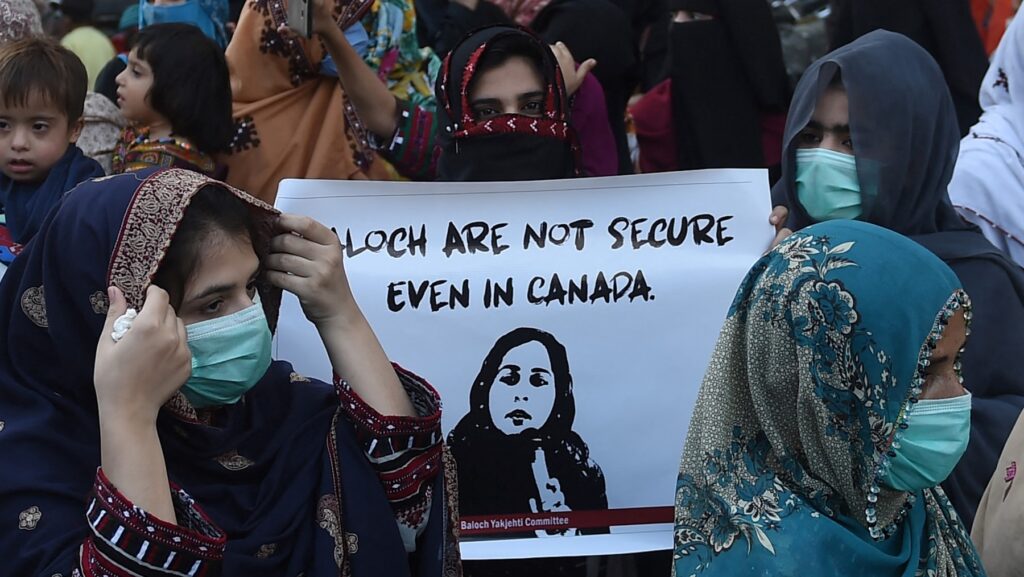
Pakistan’s repression of its overseas critics demonstrates how mass, unvetted Islamic migration affects free speech in the West.

Doomsday reports on Hungary’s economy are everywhere—but most read more like wishful thinking than real analysis.

The EU continues to fund the Turkish-occupied part of Cyprus despite ongoing breaches of international law by its self-declared authorities.

Despite widespread predictions, Russia’s economy hasn’t buckled under sanctions—but cracks are starting to show.
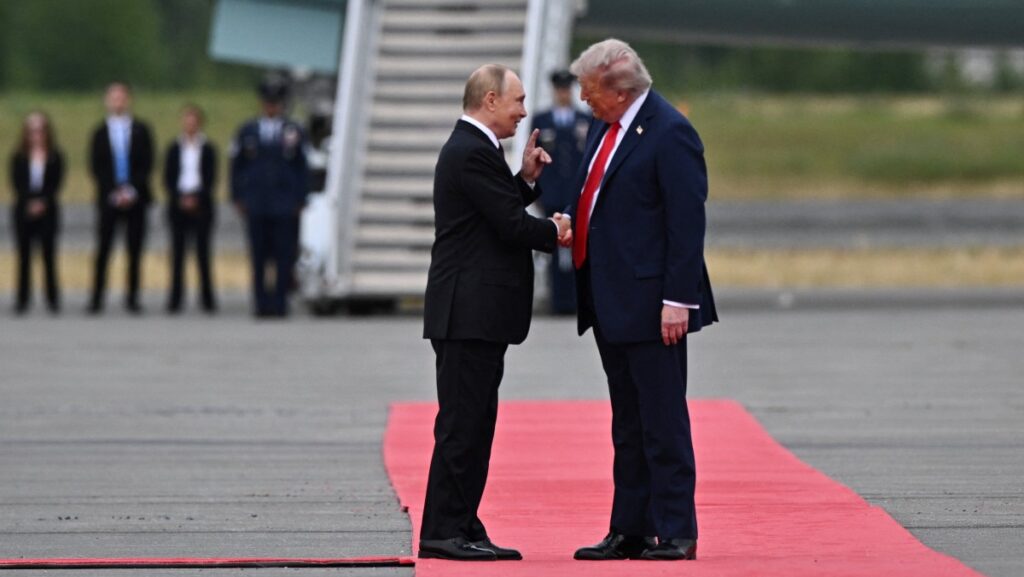
Normalcy in Russia–U.S. relations will transform conflict into cooperation in many parts of the world.

Ursula von der Leyen’s tariff deal with Washington marks the clearest admission yet of Europe’s diminished status in the transatlantic order.
As some countries ramp up social benefits to strengthen emerging welfare states, others are scaling back in a bid to rein in systems that have grown beyond what their tax bases can sustain.

Why is the world so silent in the face of the murdered, persecuted, and starving religious minorities in Syria?

Is the West falling apart? It certainly will if the moral incoherence illustrated in the EU reports succeeds in fully displacing the Judeo-Christian heritage that made the West what it is.
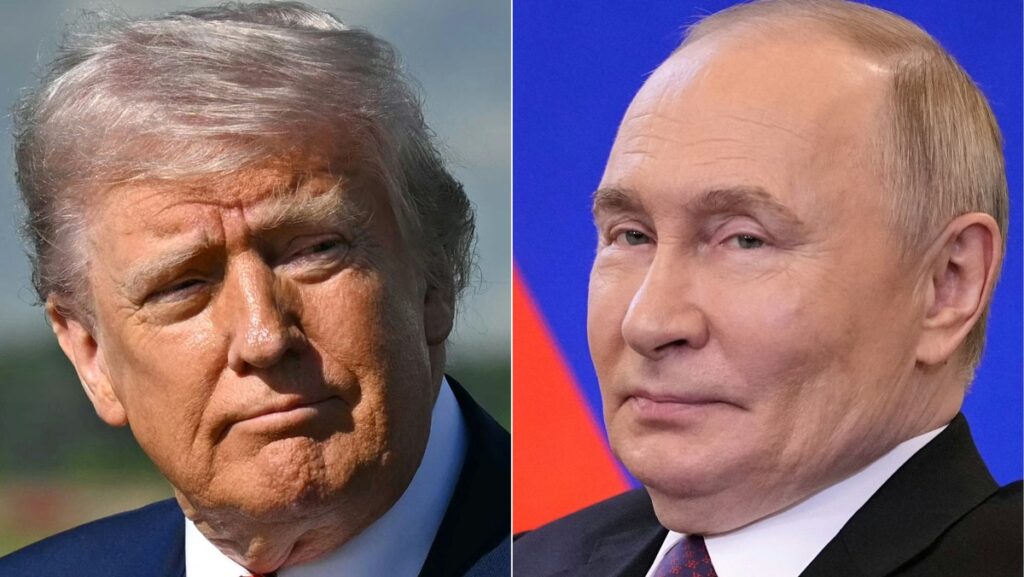
To have a true peace settlement, each side will have to understand the root causes, fears, and experiences of the opposite side.

Christians in Iran are vilified as members of a ‘sect’ and considered a national security threat.

EU’s fiscal documents are written to pay a token gesture to openness while in reality serving as declarations of policy intent.
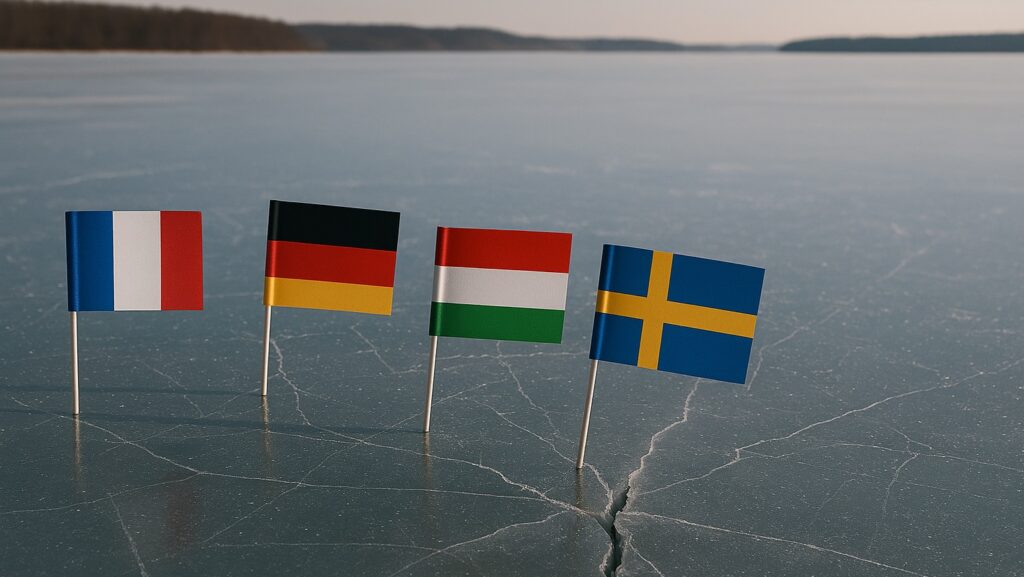
As warnings of a Wall Street ‘correction’ grow louder, some European countries risk following suit. Others are more resilient.
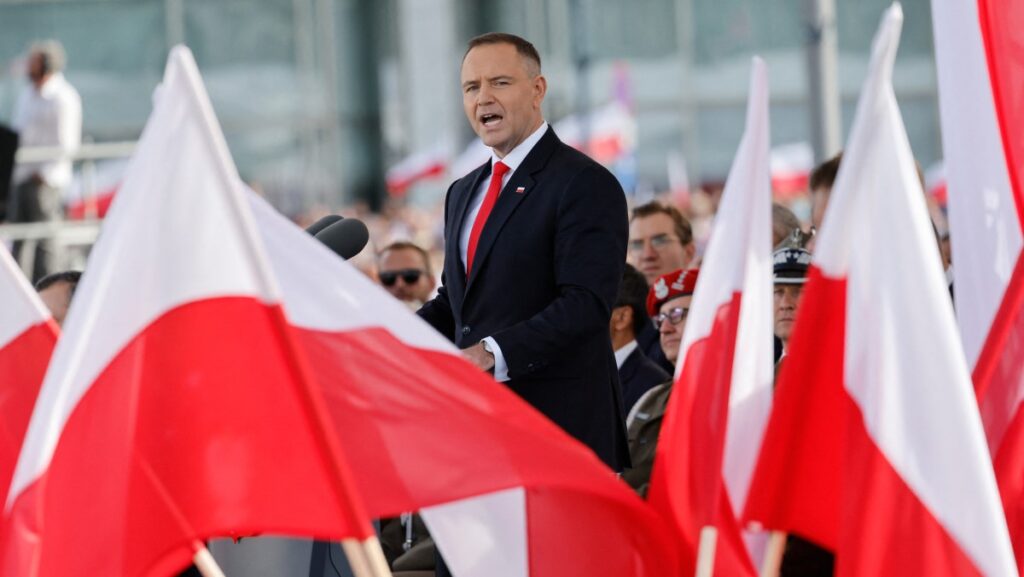
Poles came from all corners of the country to witness what many here are calling “the beginning of the reconstruction.”

Both sides understand that renewing Russian-European dialogue is essential to ensuring the continent’s stability.
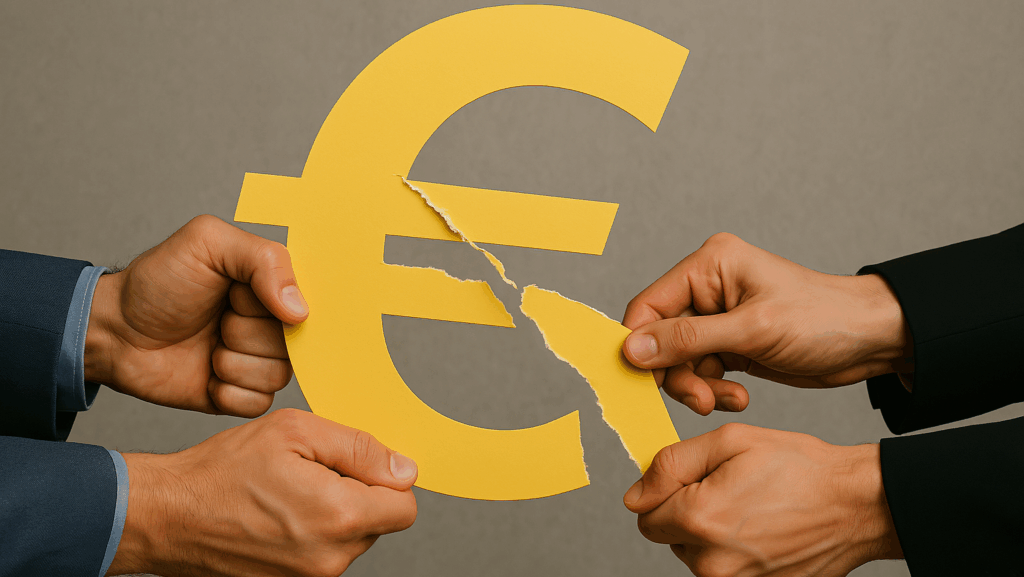
Eurostat says inflation looks calm—but beneath the surface, a worrying split is emerging. Polarized inflation poses a serious challenge for the ECB and an increasingly hands-on Brussels.
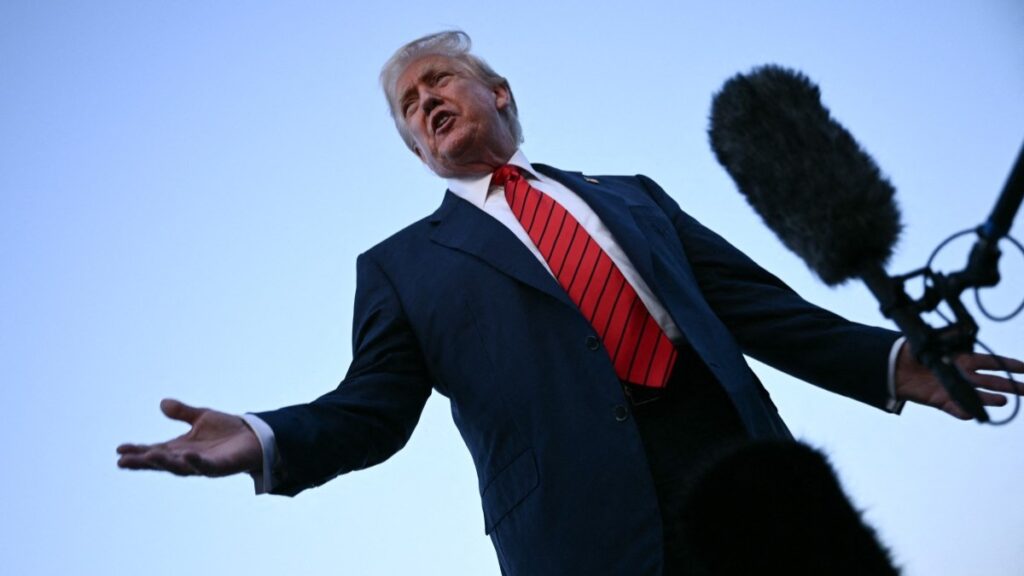
Pressure from the U.S. president to cut interest rates could spark a chain reaction, pushing Europe to follow—and creating a potential equity market bubble.
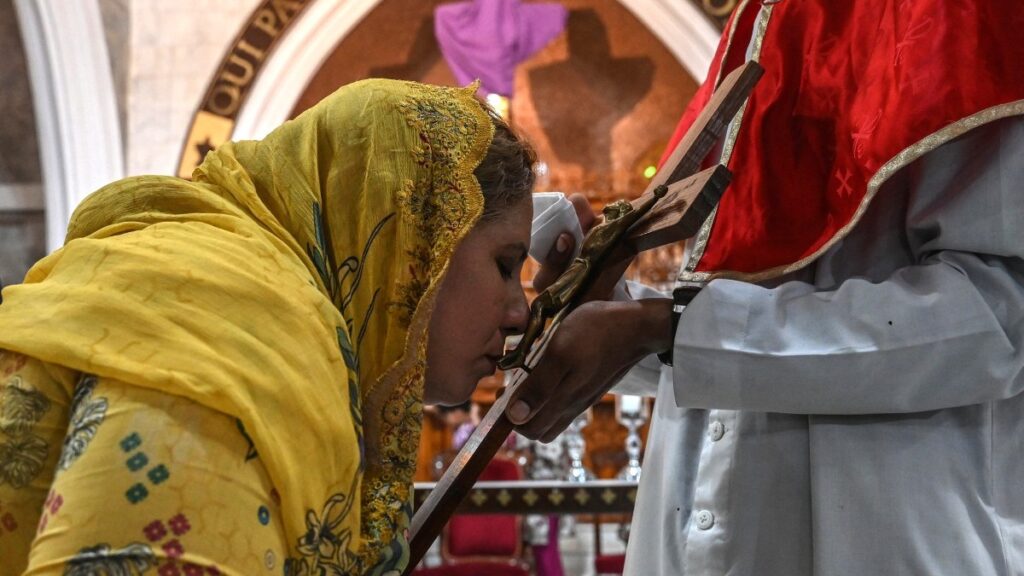
The country’s notorious blasphemy laws are often used to target minority groups, with Christians disproportionately affected.

The ECJ has gradually but steadily extended the scope of Union law at the expense of national law.

A supranational bureaucracy is trying to increase its own enormous budget while doing next to nothing to address fraudulent and erroneous EU spending.

Peace will not come from the obsession with creating a second state where the first is still denied.
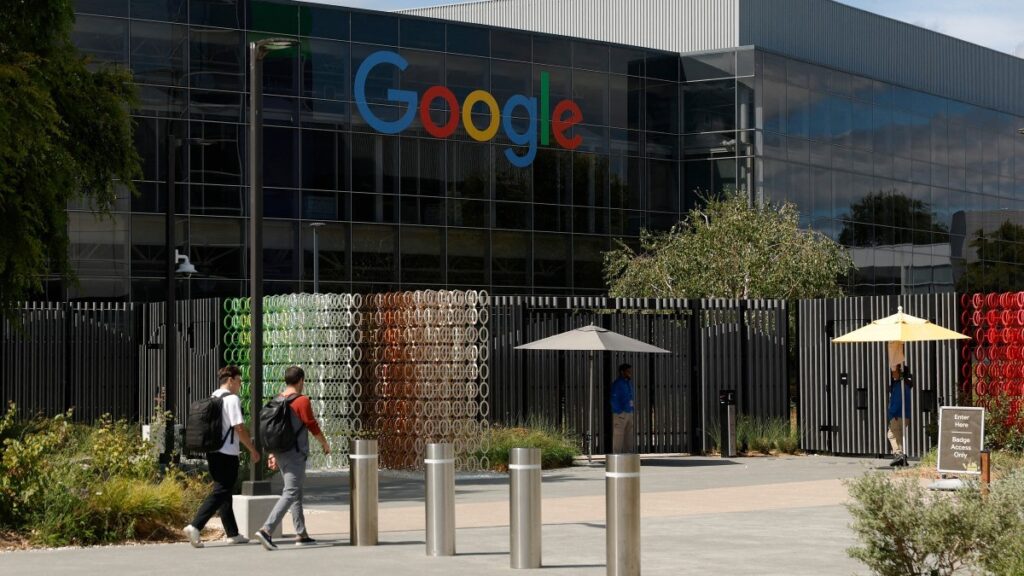
The case of Messainlatino.it prompted Fratelli d’Italia MP Maddalena Morgante to initiate a parliamentary inquiry into the matter.
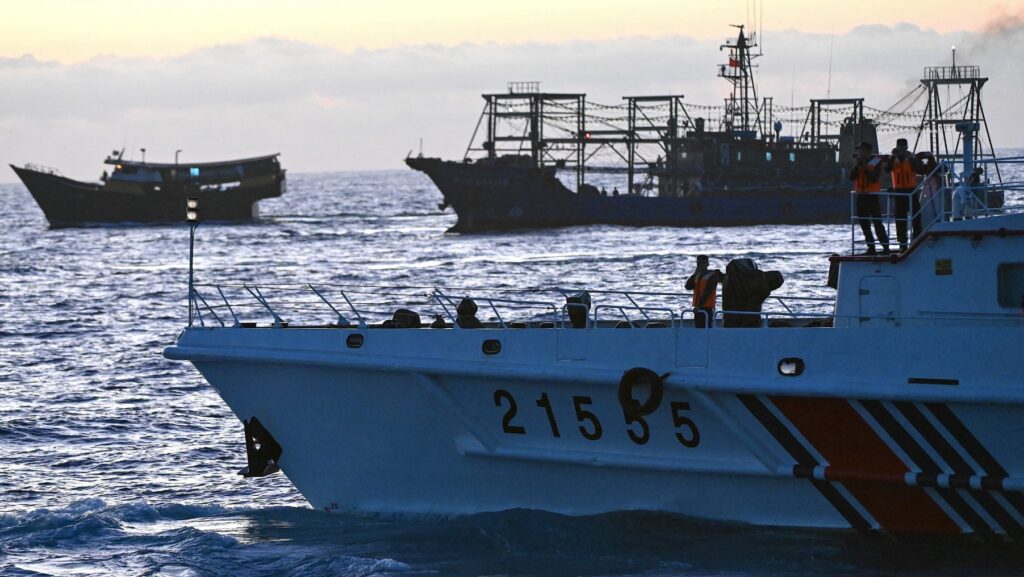
Trawlers equipped with fine mesh nets and surveillance gear pose as fishing boats, hurting local livelihoods and feeding intelligence to Beijing.

It may come as a surprise to many Europeans just how benevolent the American welfare state is. It may even surprise many Americans.

With its latest budget, the EU Commission shows off its creeping super-state agenda. If this budget is passed, only a full-fledged tax system remains to complete the project.

“By accepting Jolani and inviting Erdoğan, the EU has lost whatever moral and normative authority it may have had,” international relations academic says.