

EU Commission Almost Admits: Europe Stuck in Industrial Poverty
The European Commission’s report on the Industrial Accelerator Act recognizes some of Europe’s economic problems. Unfortunately, that’s where the good stuff ends.

The European Commission’s report on the Industrial Accelerator Act recognizes some of Europe’s economic problems. Unfortunately, that’s where the good stuff ends.
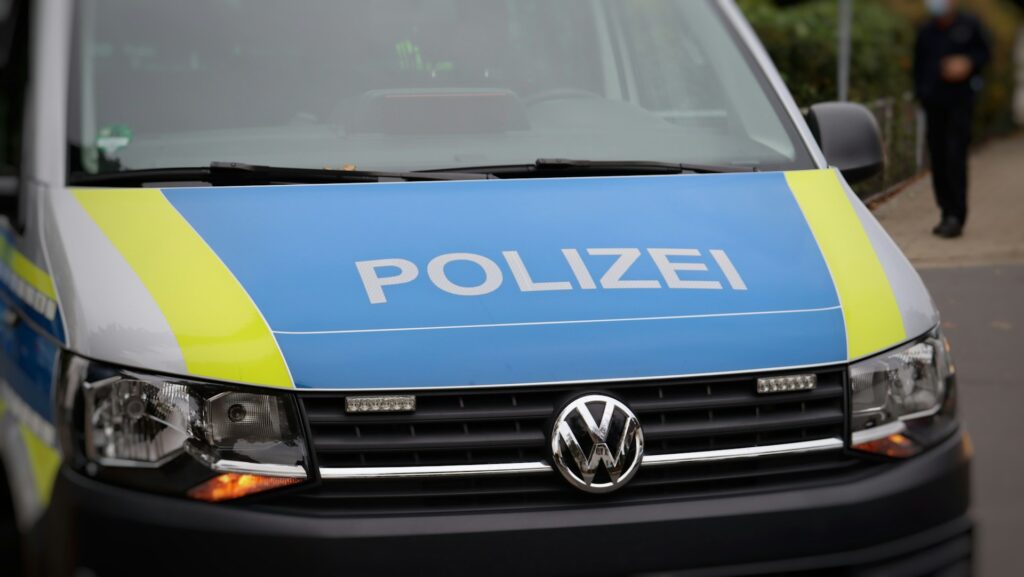
Despite rising political pressure to secure borders, German authorities are struggling to locate migrants, with ‛not found’ cited as the primary reason for failed removals.

With AfD polling near 20% in key regions, the vote will test how long Germany’s political system can maintain its cordon sanitaire.
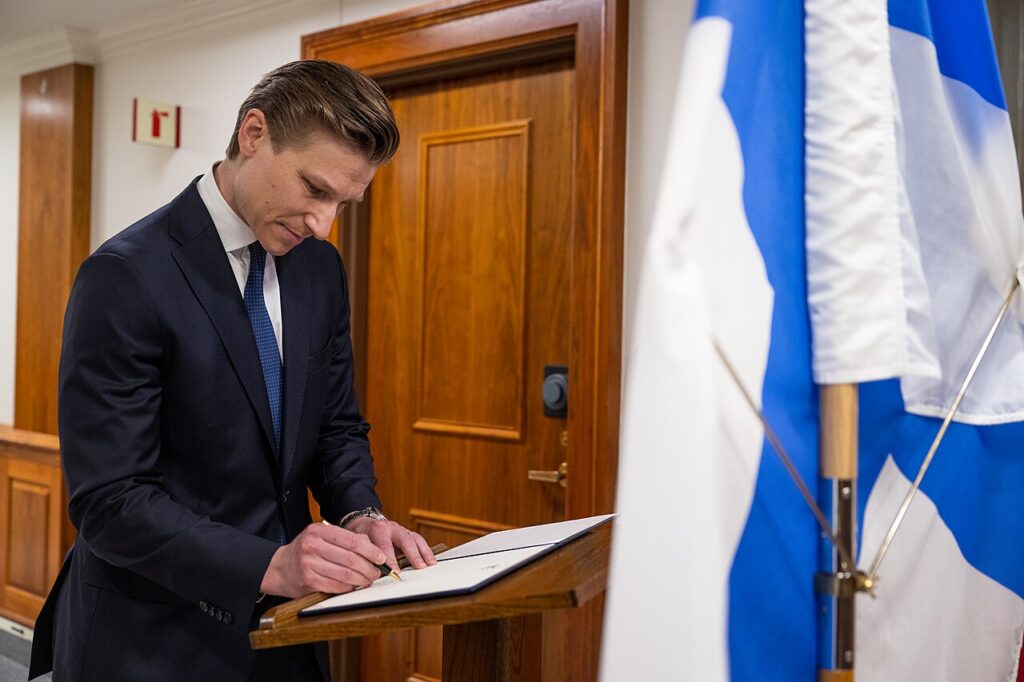
Russia described Helsinki’s plan to permit nuclear weapons on its soil as a potential threat—and vowed to react accordingly.

The plan comes as Brussels expands its efforts to regulate online speech through cooperation with major tech platforms.
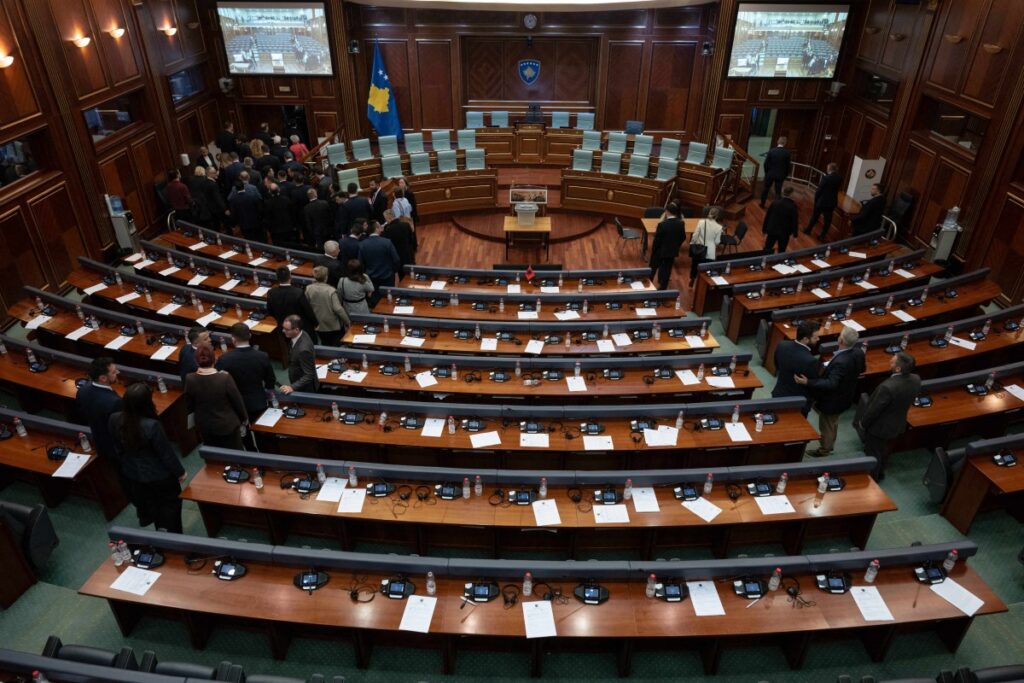
Despite multiple electoral victories for the ruling party, the collapse of Pristina’s latest parliamentary session has forced the President to call for yet another snap general election.
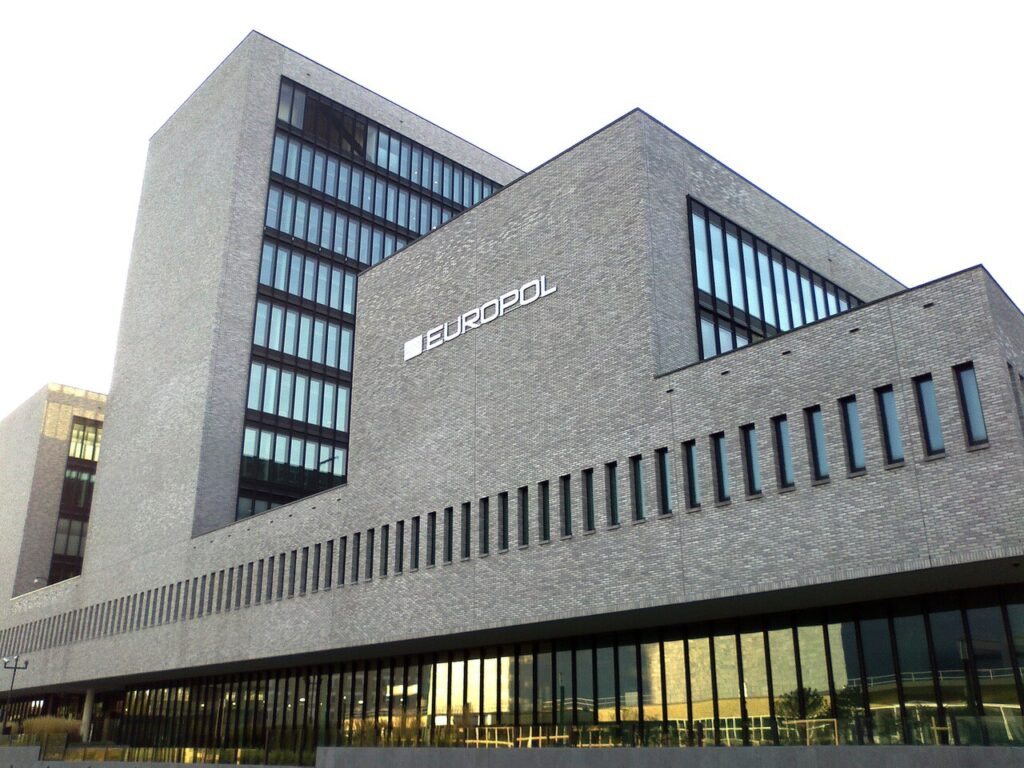
Europol has identified the Iranian-linked ‛Axis of Resistance’ as a major threat to European sovereignty, citing potential intimidation and terror financing campaigns.
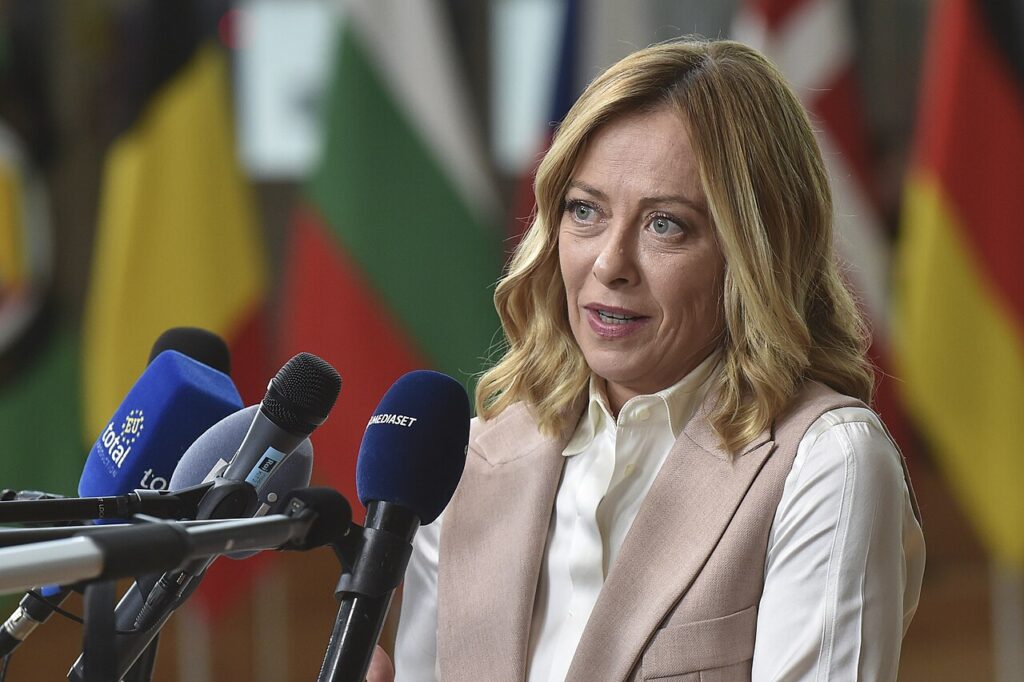
Rome prepares to push for a suspension of the Brussels carbon market, citing the potential for rising electricity prices.
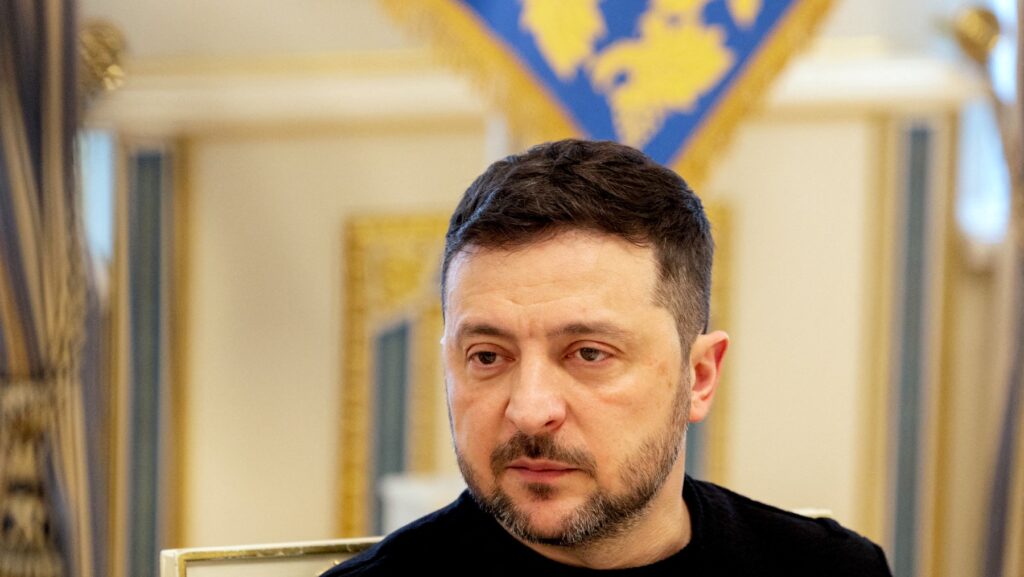
Hungary and its allies condemn Zelensky’s remarks amid a dispute over a €90 billion EU loan and halted Russian oil flows.
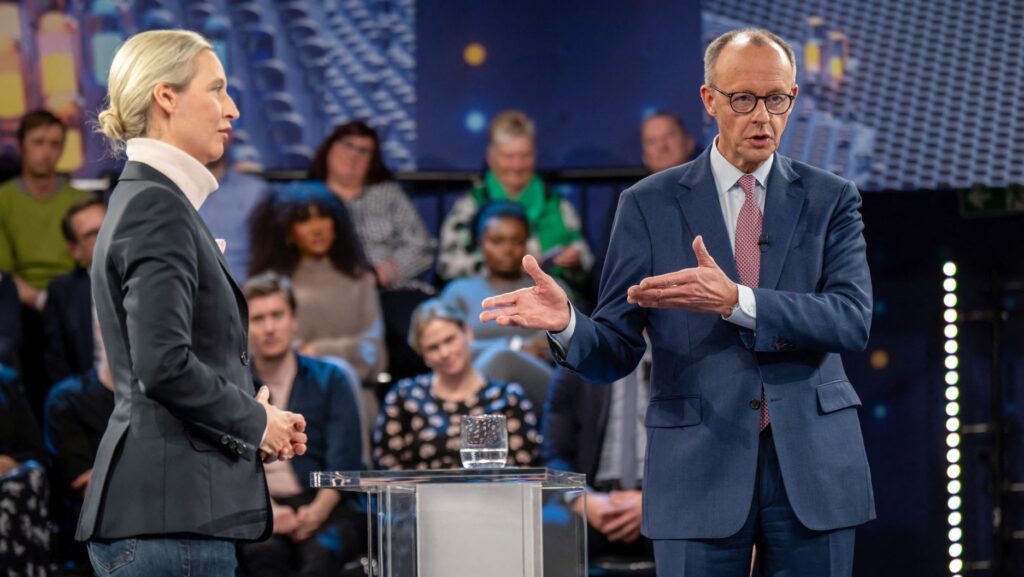
The upcoming elections reveal a familiar pattern of German politics: the cordon sanitaire ends up strengthening the political Left.
With AfD polling near 20% in key regions, the vote will test how long Germany’s political system can maintain its cordon sanitaire.
Russia described Helsinki’s plan to permit nuclear weapons on its soil as a potential threat—and vowed to react accordingly.
The plan comes as Brussels expands its efforts to regulate online speech through cooperation with major tech platforms.
Despite multiple electoral victories for the ruling party, the collapse of Pristina’s latest parliamentary session has forced the President to call for yet another snap general election.
Europol has identified the Iranian-linked ‛Axis of Resistance’ as a major threat to European sovereignty, citing potential intimidation and terror financing campaigns.
Rome prepares to push for a suspension of the Brussels carbon market, citing the potential for rising electricity prices.
Hungary and its allies condemn Zelensky’s remarks amid a dispute over a €90 billion EU loan and halted Russian oil flows.
The upcoming elections reveal a familiar pattern of German politics: the cordon sanitaire ends up strengthening the political Left.
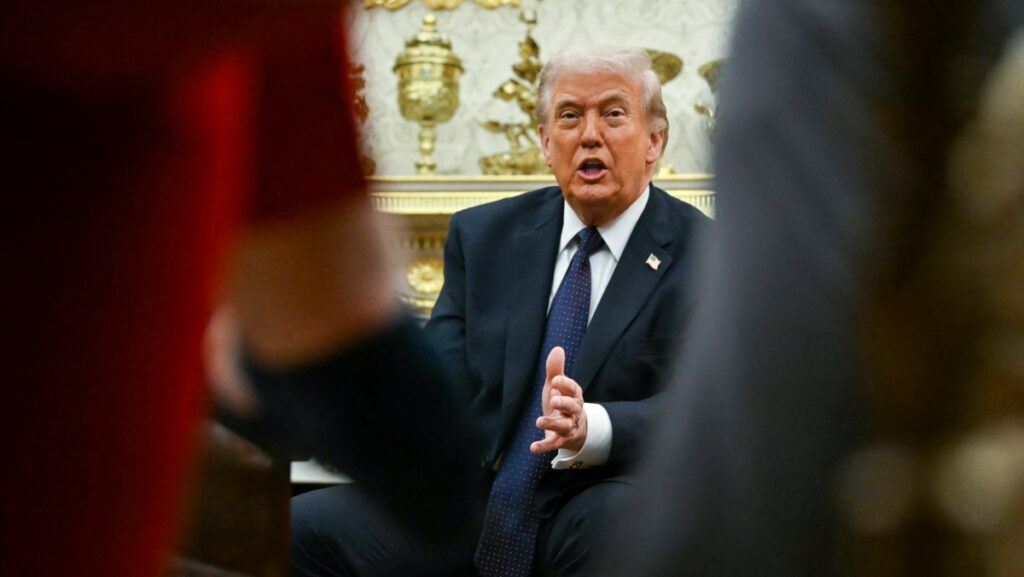
Fighting intensified across the Middle East as Israel expanded strikes on Iran and Hezbollah, while Trump ruled out sending American ground troops.
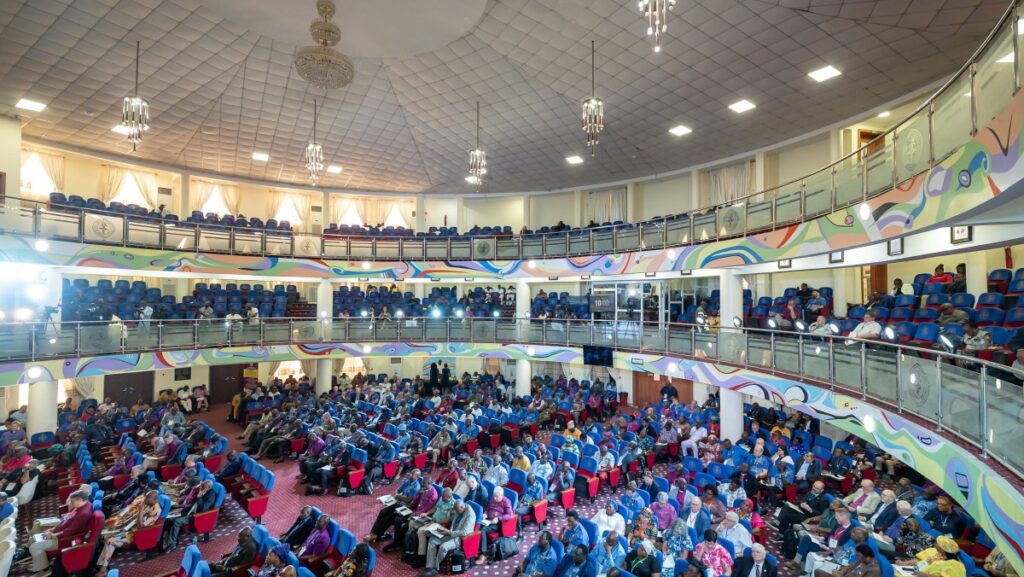
Meeting in Nigeria, conservative church leaders unveiled a new governing body after accusing the Church of England of promoting “revisionist” doctrine on marriage and sexuality.
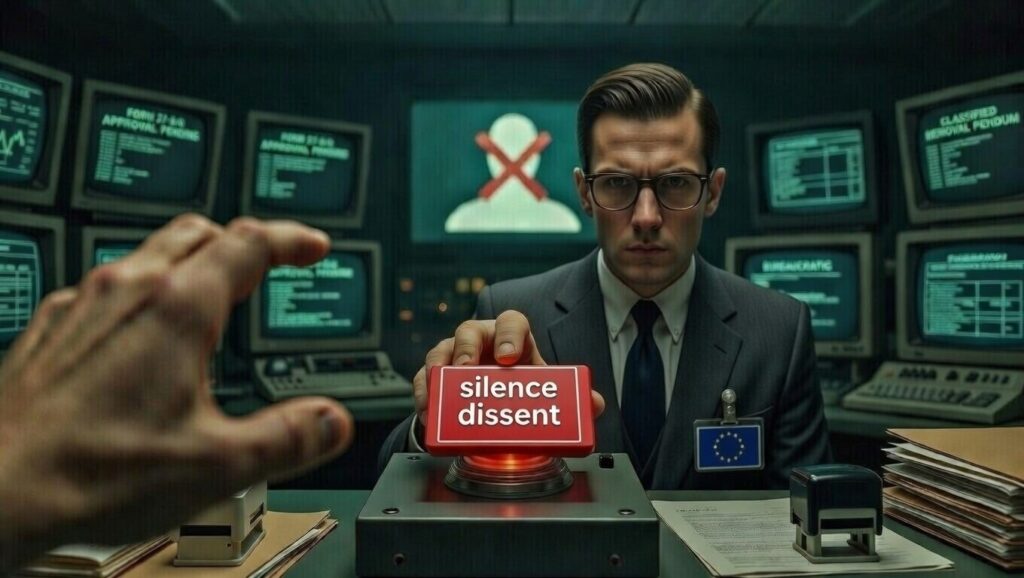
While appearing reasonable and necessary when taken individually, these measures collectively build an ecosystem of repression that East Germany’s Stasi could only have dreamt of.