
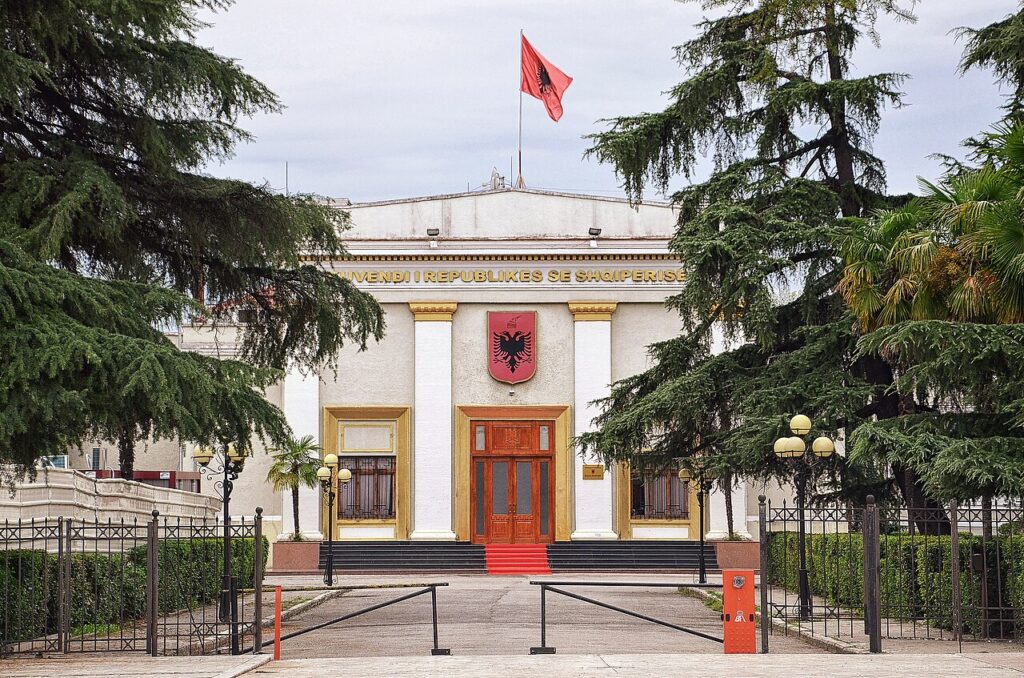
Iran-Linked Cyberattack Strikes Albanian Parliament
Albania’s National Cyber Security Authority is investigating a major breach after Iran-linked hackers claimed to have stolen months of private correspondence from MPs.

Albania’s National Cyber Security Authority is investigating a major breach after Iran-linked hackers claimed to have stolen months of private correspondence from MPs.
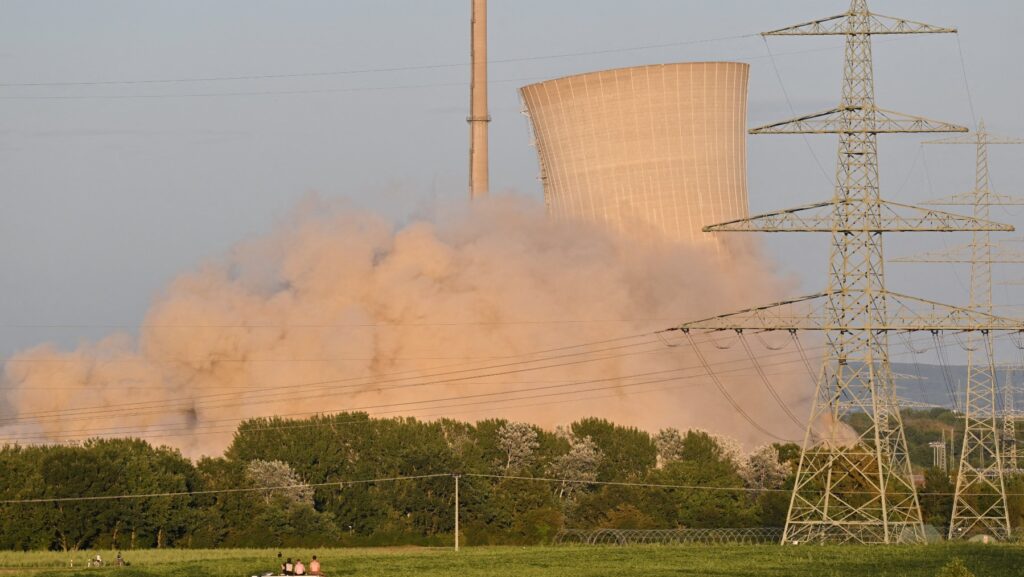
After years of sidelining atomic power, Brussels now says Europe must rebuild its nuclear industry.

French Finance Minister says alternative oil supplies could be sourced from other regions if the Strait of Hormuz cannot be reopened.
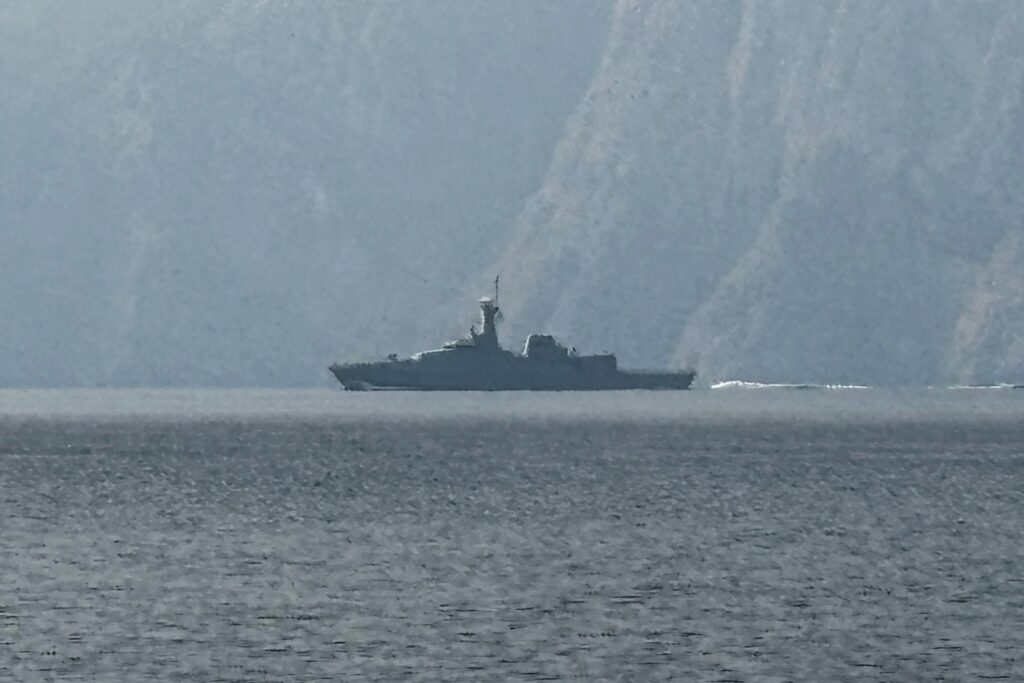
The United States has targeted Iranian minelaying vessels that menace the narrow entrance to the Persian Gulf.
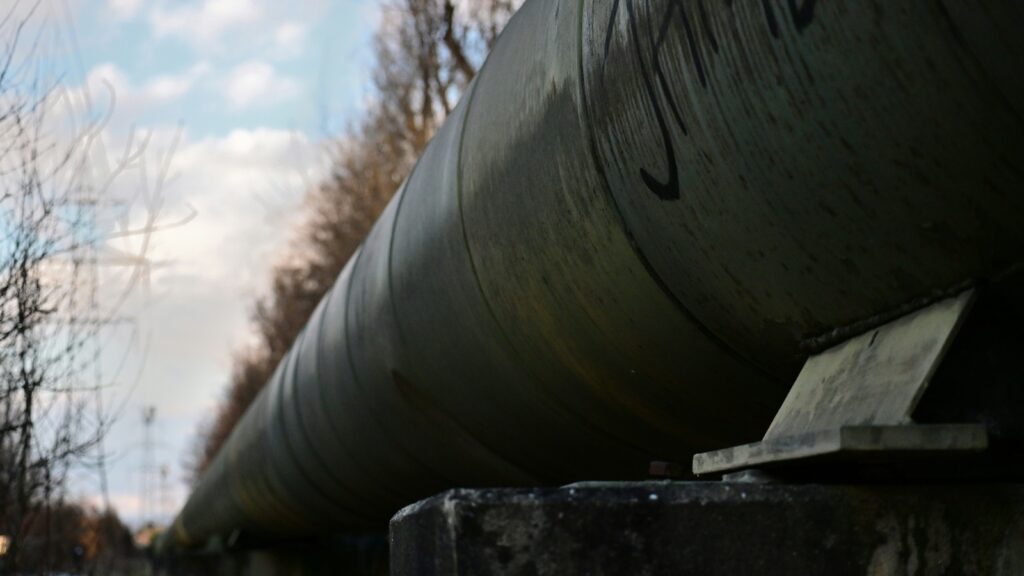
The revival of the 213.5-kilometer oil pipeline is expected to help meet the energy needs of the Balkans, positioning North Macedonia as a regional hub.

To simultaneously obliterate Germany’s nuclear sector and to cut off energy ties with Russia wasn’t simply foolish—it was self-sabotage of the highest and most unforgivable order.

Speakers at the MCC Budapest Summit argued that the West faces growing demographic, political, and geopolitical pressures and called for renewed emphasis on national sovereignty and democratic accountability.
The initiative reportedly intended to strengthen the Commission’s analytical capacity is drawing criticism, as it may impact on the sovereignty of member states.
Spain’s health initiative follows a separate decision to grant residency and work permits to around 500,000 who settled after evading immigration controls.

Officials have criticised the Commission president for acting as though she is “the self-appointed ruler of Europe.”

Educational establishments in the Catalonian capital have been encouraged to factor in Ramadan when organizing extracurricular activities, including music or dance.

The European Commission’s report on the Industrial Accelerator Act recognizes some of Europe’s economic problems. Unfortunately, that’s where the good stuff ends.
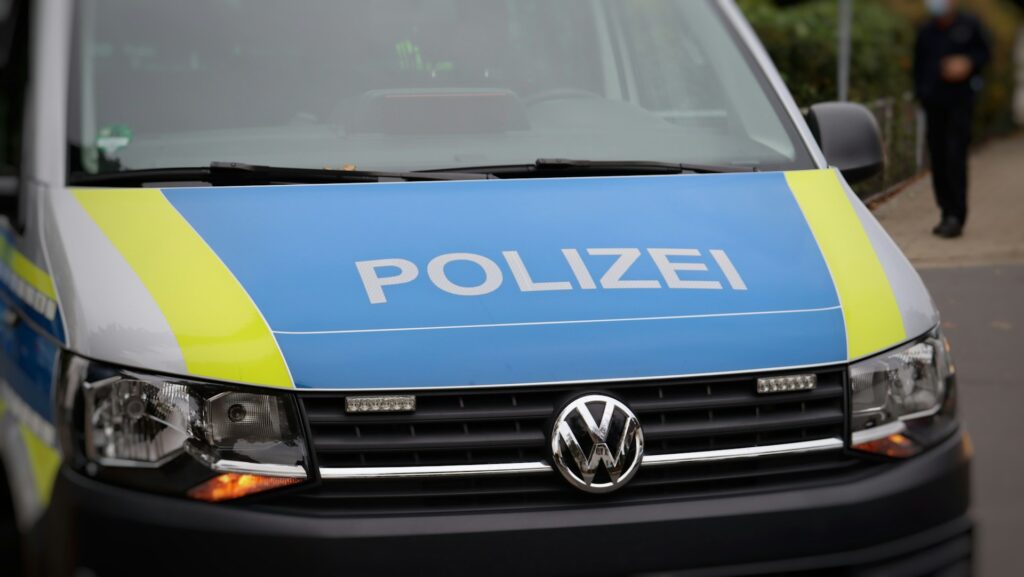
Despite rising political pressure to secure borders, German authorities are struggling to locate migrants, with ‛not found’ cited as the primary reason for failed removals.

With AfD polling near 20% in key regions, the vote will test how long Germany’s political system can maintain its cordon sanitaire.
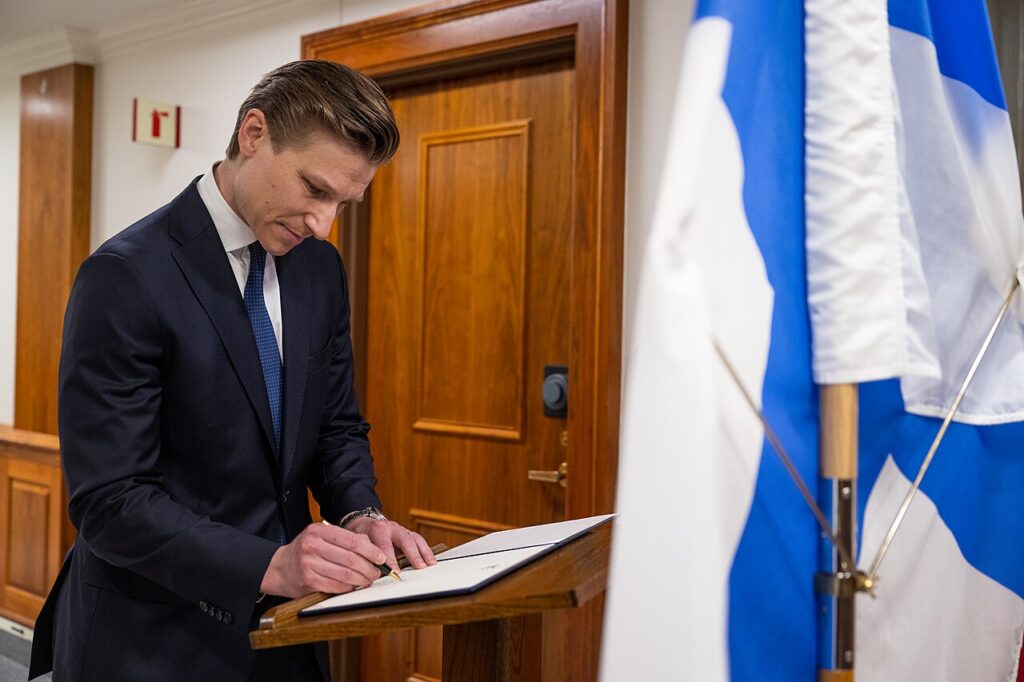
Russia described Helsinki’s plan to permit nuclear weapons on its soil as a potential threat—and vowed to react accordingly.

The plan comes as Brussels expands its efforts to regulate online speech through cooperation with major tech platforms.
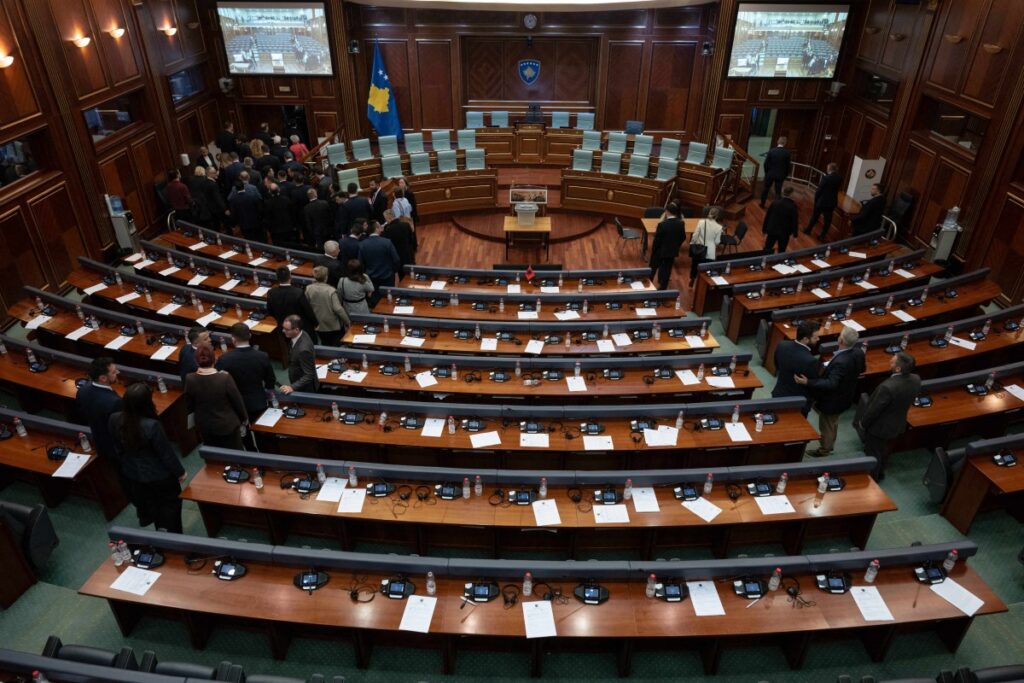
Despite multiple electoral victories for the ruling party, the collapse of Pristina’s latest parliamentary session has forced the President to call for yet another snap general election.
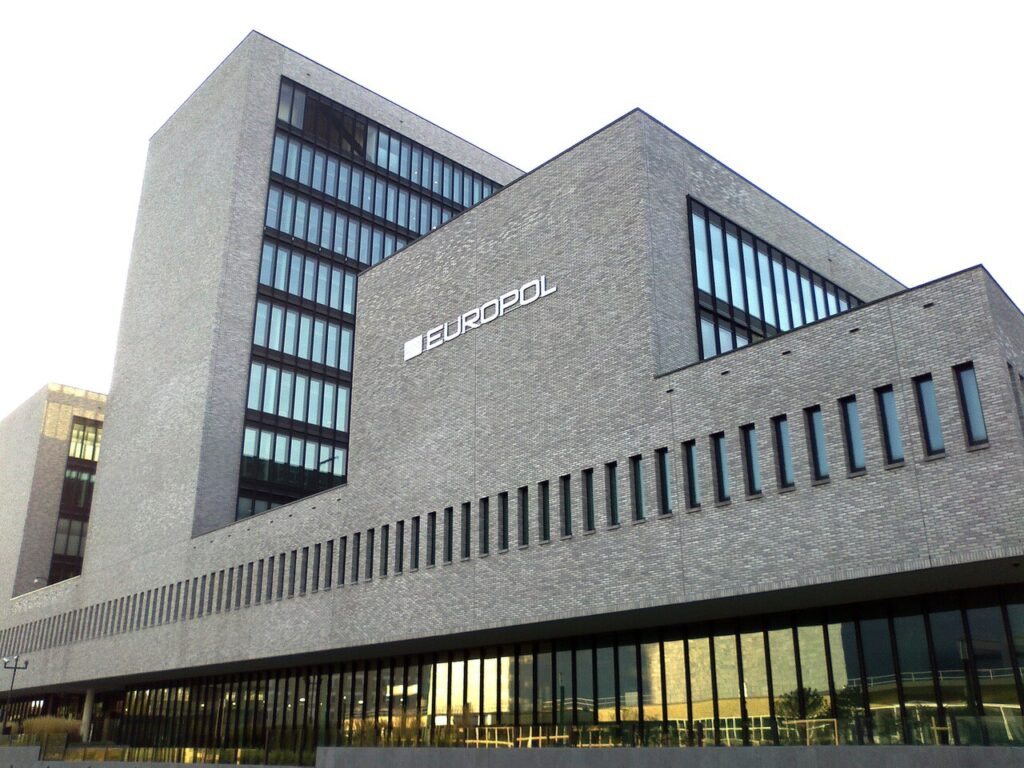
Europol has identified the Iranian-linked ‛Axis of Resistance’ as a major threat to European sovereignty, citing potential intimidation and terror financing campaigns.
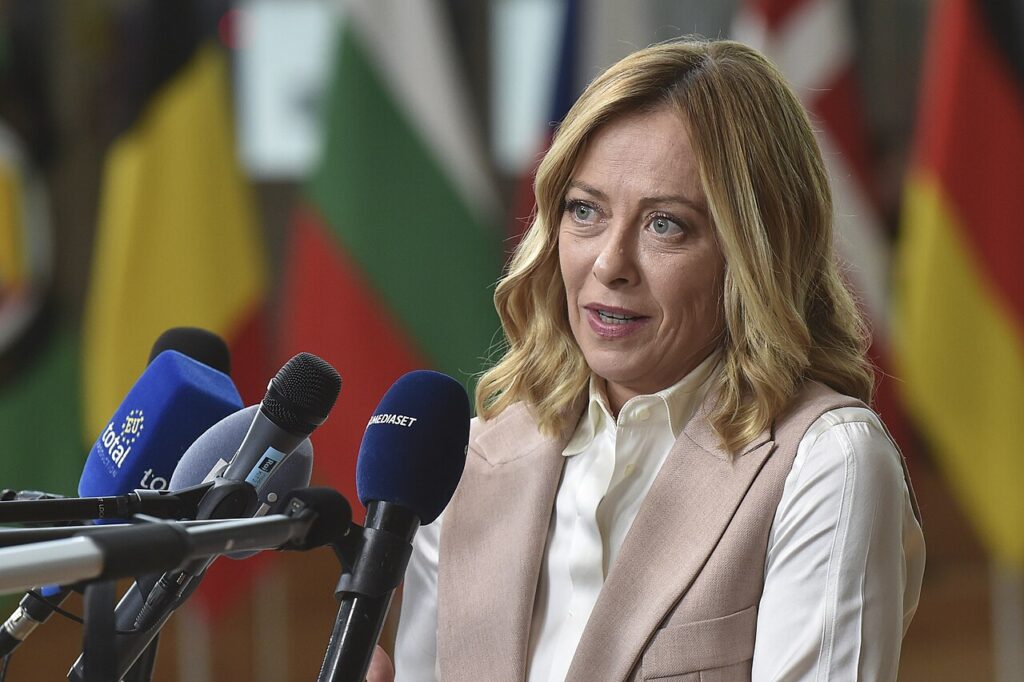
Rome prepares to push for a suspension of the Brussels carbon market, citing the potential for rising electricity prices.
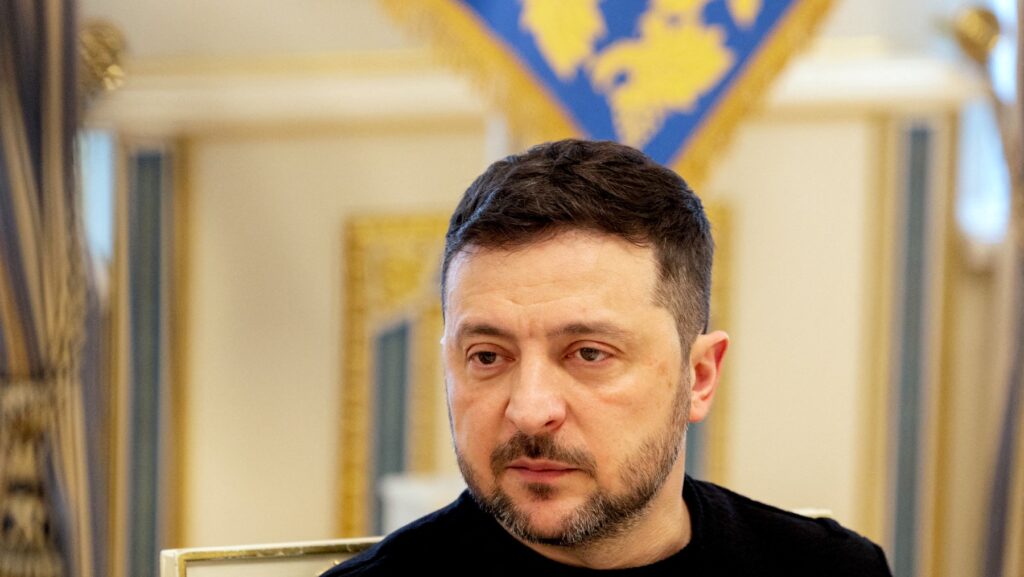
Hungary and its allies condemn Zelensky’s remarks amid a dispute over a €90 billion EU loan and halted Russian oil flows.
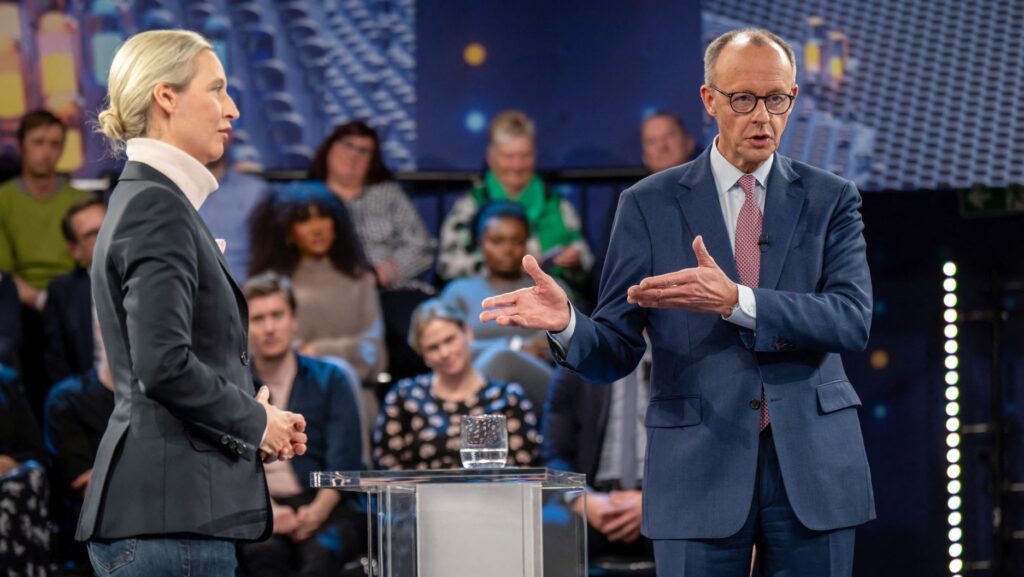
The upcoming elections reveal a familiar pattern of German politics: the cordon sanitaire ends up strengthening the political Left.
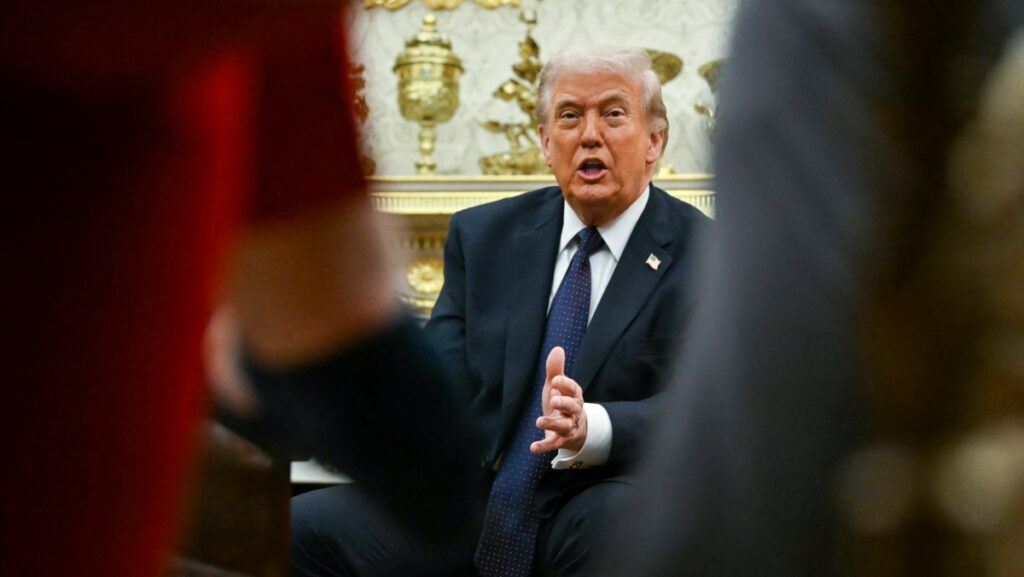
Fighting intensified across the Middle East as Israel expanded strikes on Iran and Hezbollah, while Trump ruled out sending American ground troops.