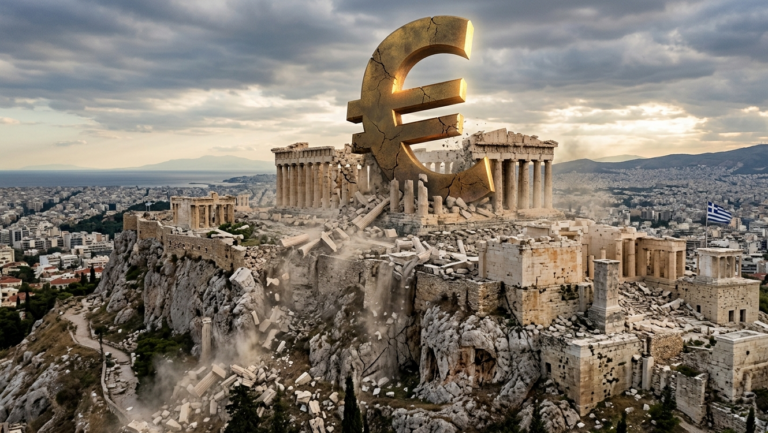
The question of Ukraine’s accession to the European Union has revealed a bigger problem that goes beyond Kyiv. Brussels’ bid to limit the sovereignty of member states and change the rules mid-game could shake the foundations of the Union.
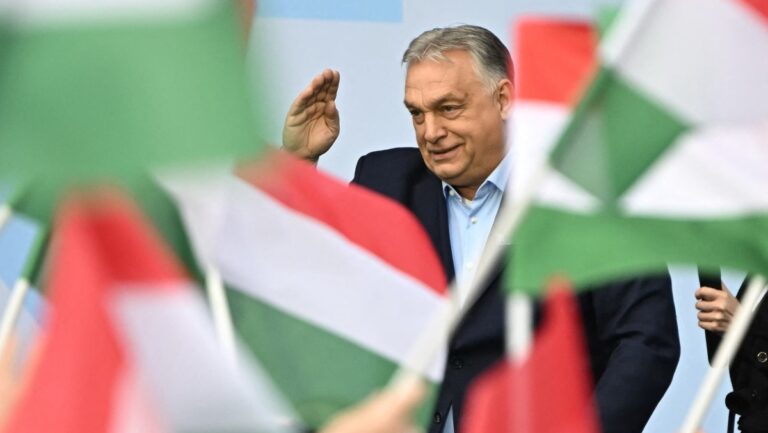
Hungary’s veto, exercised by Viktor Orbán, has blocked the formal start of negotiations for months. This is not an eccentric stance, but the use of a right guaranteed by EU treaties: unanimity as a safeguard of national interests against the machinery of Brussels. However, a plan is being hatched in the EU capital to “make the rules more flexible,” introducing qualified majority voting in the intermediate phases of accession. In practice, it would gut the veto and weaken national sovereignty.
This is no small step. Once national vetoes are eroded or eliminated, restoring them will be virtually impossible.
European Council President António Costa has toured European capitals advocating a change that would allow negotiating “clusters” to open without unanimity. He argues that Hungary’s veto threatens the credibility of enlargement—but in reality, the opposite is true: without consensus, the Union cannot function properly in the future.
The real issue is Brussels’ shortcut politics, eroding the balance that lets diverse states coexist. It is undeniable that this balance has sometimes proven to be a headache, but it is the essence of the Union. Or at least that is the story Brussels has always told.
The precedent would be disastrous. If the veto is removed today for Ukrainian accession, tomorrow it could also be removed for Turkey, Serbia, or any other contentious case. Greece, Bulgaria, and Croatia have already reminded everyone that the veto is not a whim, but an essential political instrument to defend their own interests in matters of security, borders, or national minorities.
It is telling that even Emmanuel Macron, long protective of France’s veto over Turkey’s entry, is now warning against Costa’s proposed rule changes. Giving up the veto would clearly weaken Paris against Ankara. In short, these rule changes would open a Pandora’s box. Without the veto, Europe could one day find itself forced to admit Turkey—88 million Muslims with full EU rights—into an already declining continent.
For the Commission and leaders like Ursula von der Leyen, Ukraine “belongs in the EU” and could join by 2030. Yet Ukraine hasn’t even started formal talks on the individual policy areas needed for accession. Brussels is trying to portray Hungary’s veto as a technical obstacle, when in reality it gives voice to real issues—Hungarians in Transcarpathia, energy and farm policy, and the wider future of the Union.”
The attempt to bypass the rules to favor Kyiv not only erodes trust in the treaties but also sends the message that European integration only goes in one direction—deeper—even when the peoples of Europe express reservations.
Make no mistake: the fight against Hungary is political and about power in Brussels. On the one hand, Brussels uses Orbán as a scapegoat to convince his opponents that this is merely an ideological matter against him; on the other, they are using this as an opportunity to push an agenda that EU citizens themselves have already rejected in referendums—namely, smuggling the process of European centralization in through the back door.