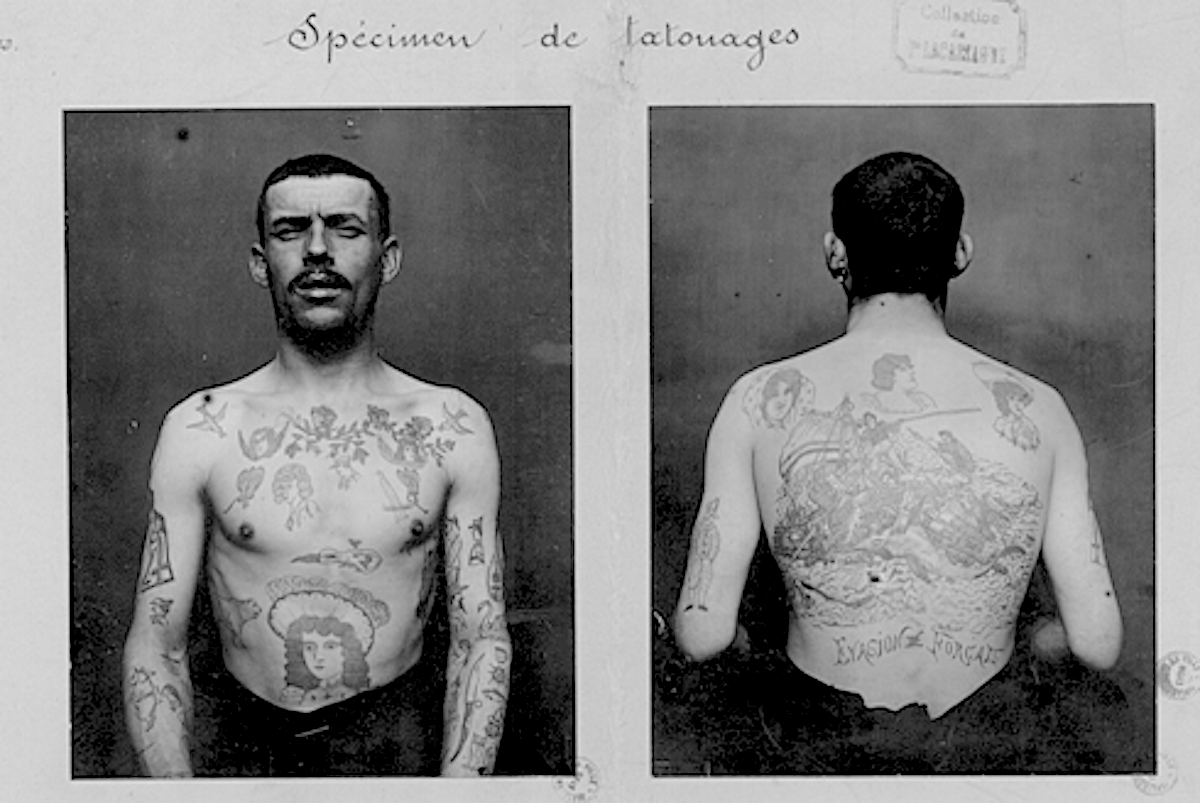

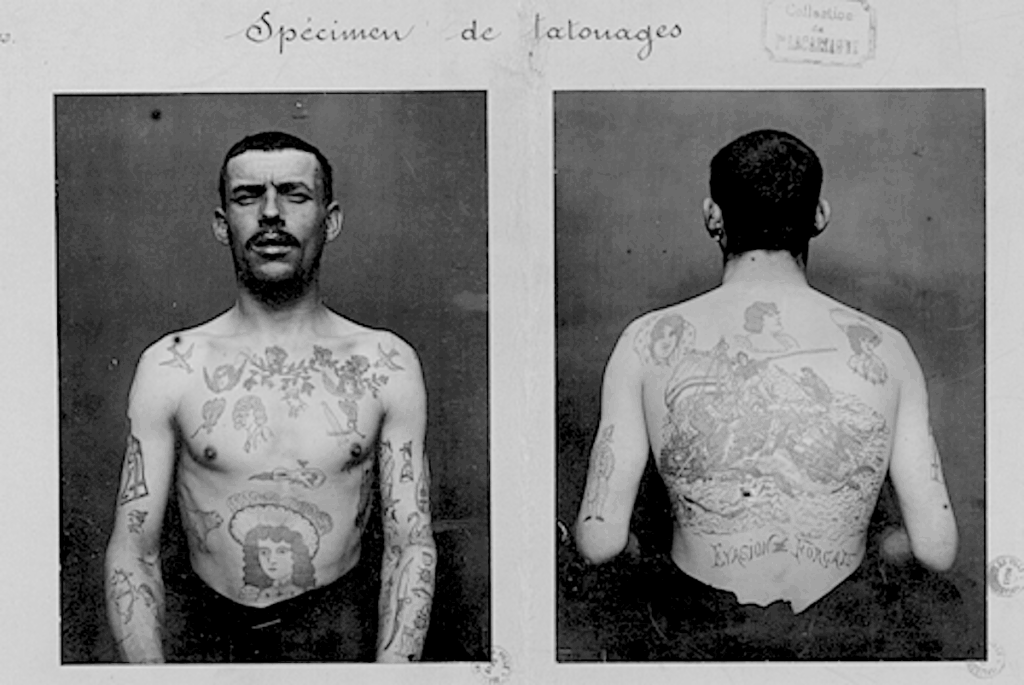
Alexandre Lacassagne, the French forensic pathologist who published a book on tattoos in 1881, would have been astonished at, and puzzled by, the explosion of elaborate and professional tattoos in the general population in the last three decades.

People often go to considerable trouble to make themselves ugly, or as ugly as possible. Nor is this simply a trait of rebellious youth that is trying to assert its independence and that will take the easiest route available to shock its elders. Now, perhaps for the first time, the ugliness of youthful rebellion has become inscribed deeply into society, virtually as the norm.
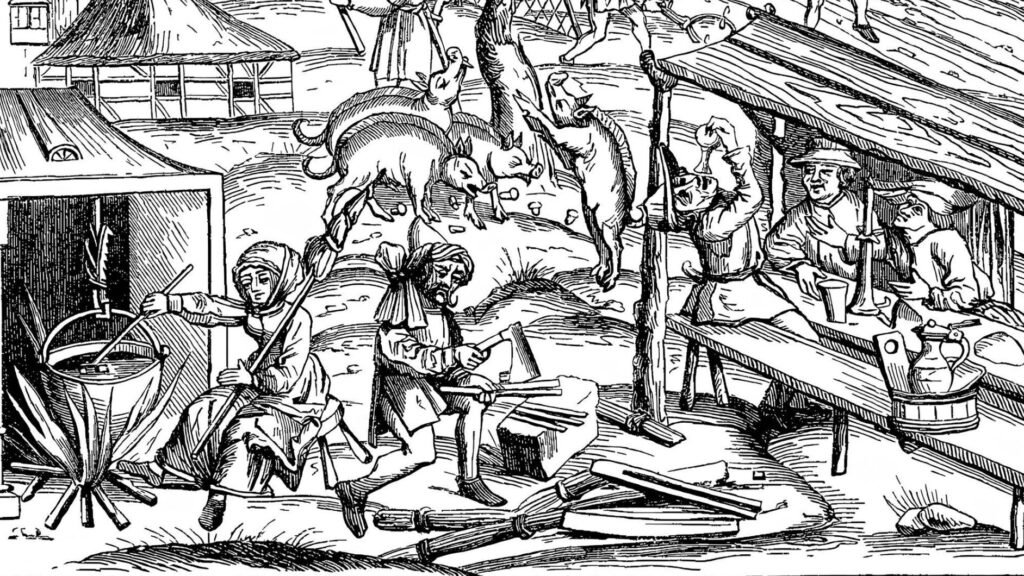
The relative advantages of urban and rural life have long been a matter of dispute, never fully resolved because never fully resolvable.
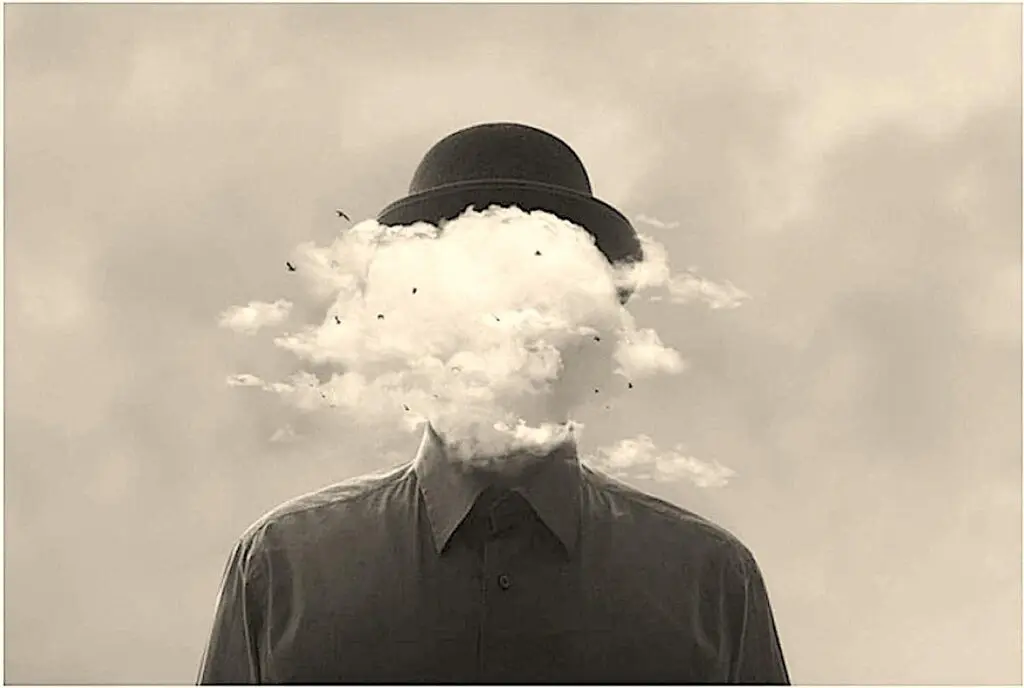
For those in denial, an immigrant is just a generic human unit who brings no cultural baggage with him.
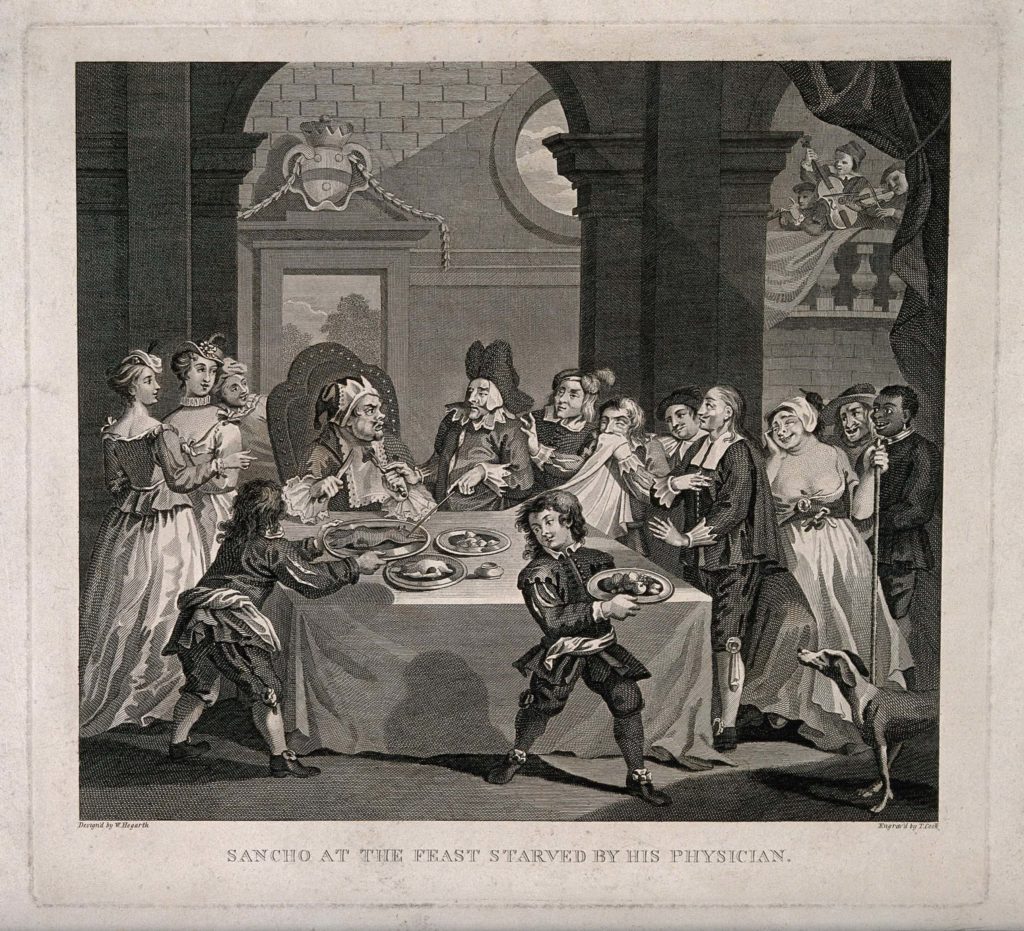
Health is to the political class what money is to bankers: an inexhaustible source legitimation of their exercise of power.
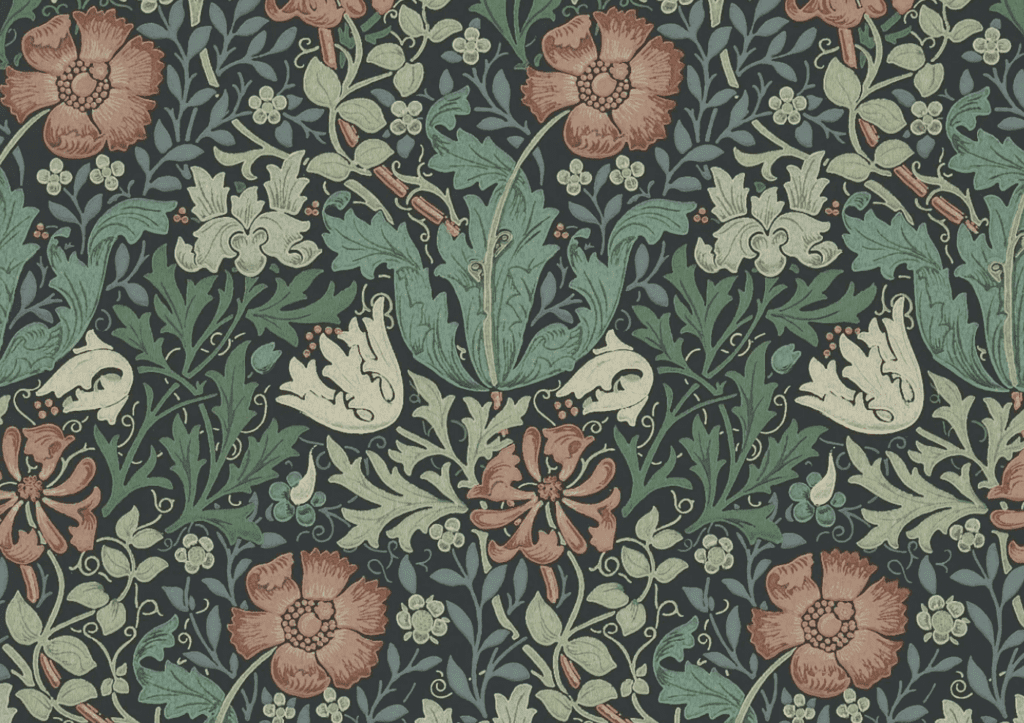
One theory of Napoleon’s death is that he was poisoned by the arsenic in the wallpaper of Longwood House on St. Helena, accidentally or deliberately, as the case might be.
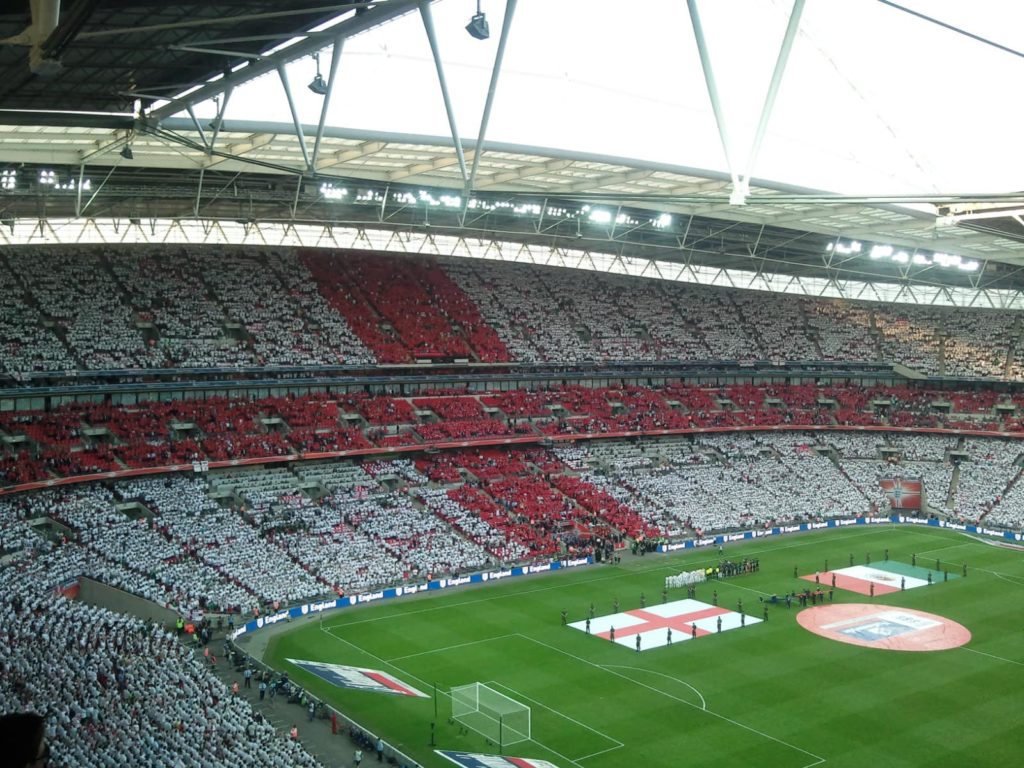
No amount of flag-wagging by uncouth or brutish xenophobes will reverse, or even oppose, the wilful undoing of an entire culture.
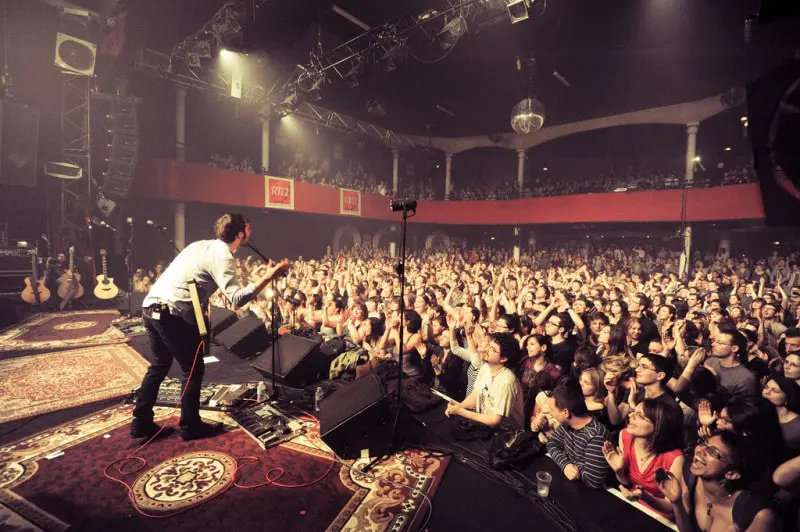
The Western artistic tradition is exhausted, modernism being both a symptom and a cause of that exhaustion.
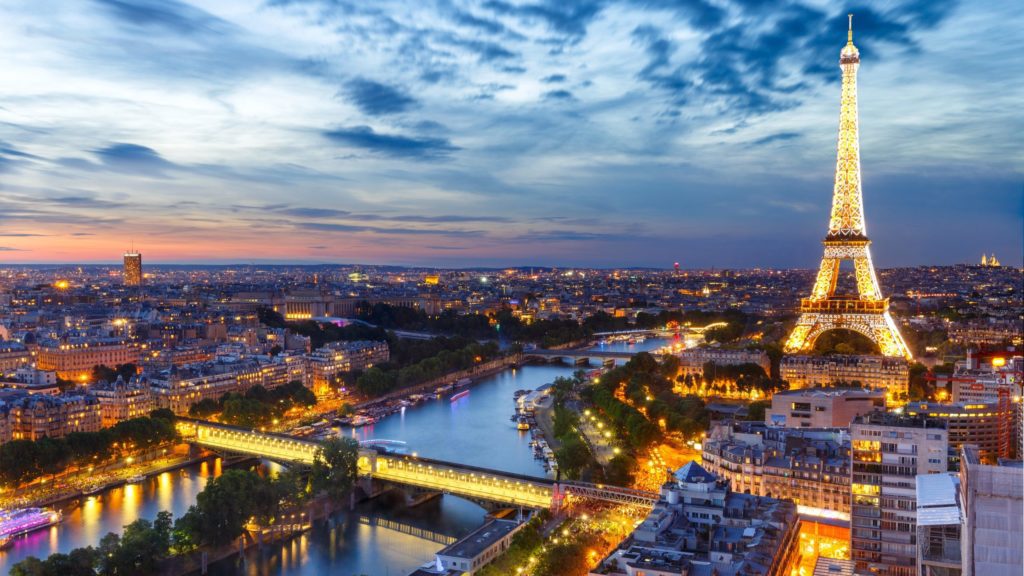
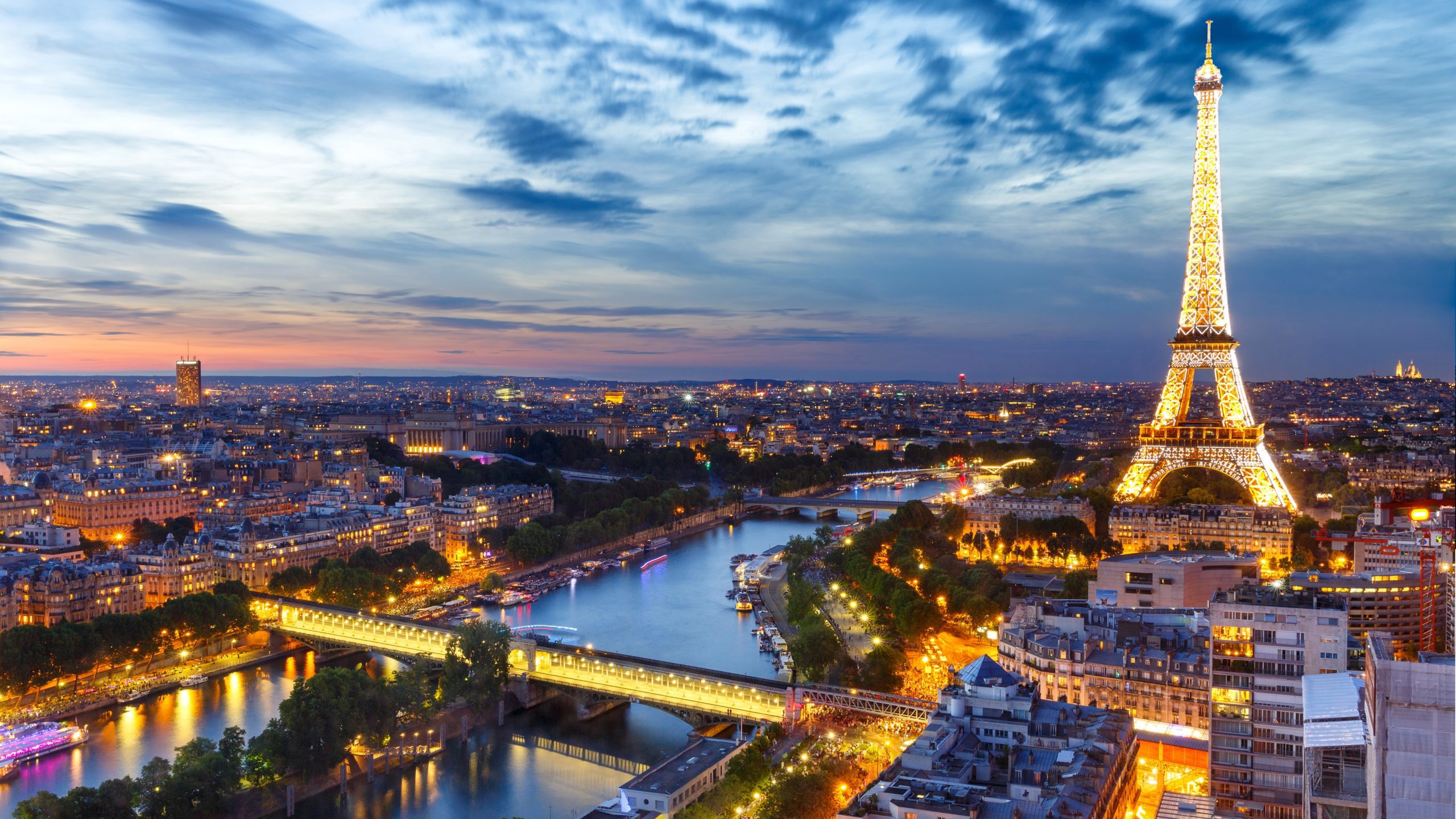
Mayor Anne Hidalgois currently engaged on a campaign to save the planet by making the streets of Paris hideous and increasingly unbearable.
Professor Norman Stone, the renowned historian who died aged 78 on June 19 this year, was an outstandingly colourful figure on a British intellectual landscape that has long had an accelerating tendency to the flat, dull, monochrome, and ideologically uniform. Norman Stone spoke his mind and lived as he pleased, for which he was both […]