When peace among nations becomes the ultimate end of religion, religions are reduced to geopolitical instruments.
A silent, threatening fragmentation of the Catholic Church would be more difficult to correct than an open schism.
The difference between the German Synodal Path and the synodal reform initiated by the late Pope Francis appears today, more than ever, to be a mere difference of speed.
What is occurring in Germany is a true attempt at ecclesiological subversion.
The Vatican applies discipline with rigidity toward traditionalists and with flexibility toward realities that are theologically or politically far more problematic.

The Holy See’s restraint appears as the result of an agreement that effectively restricts the Church’s prophetic freedom in confronting one of today’s most repressive regimes.
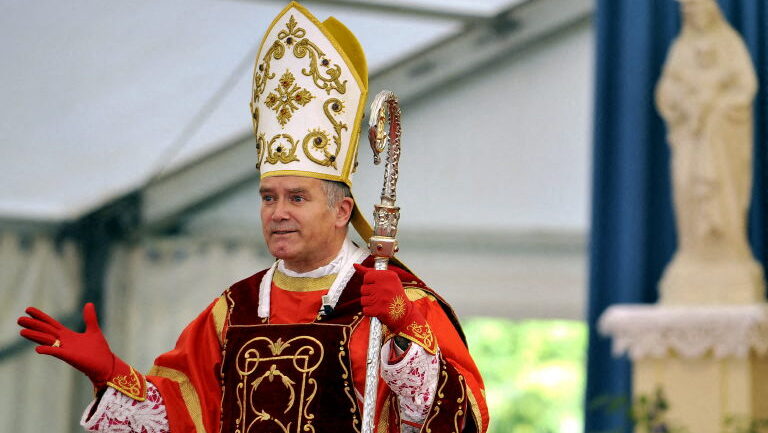
Selective enforcement and uneven tolerance are shaping perceptions far beyond traditionalist circles.
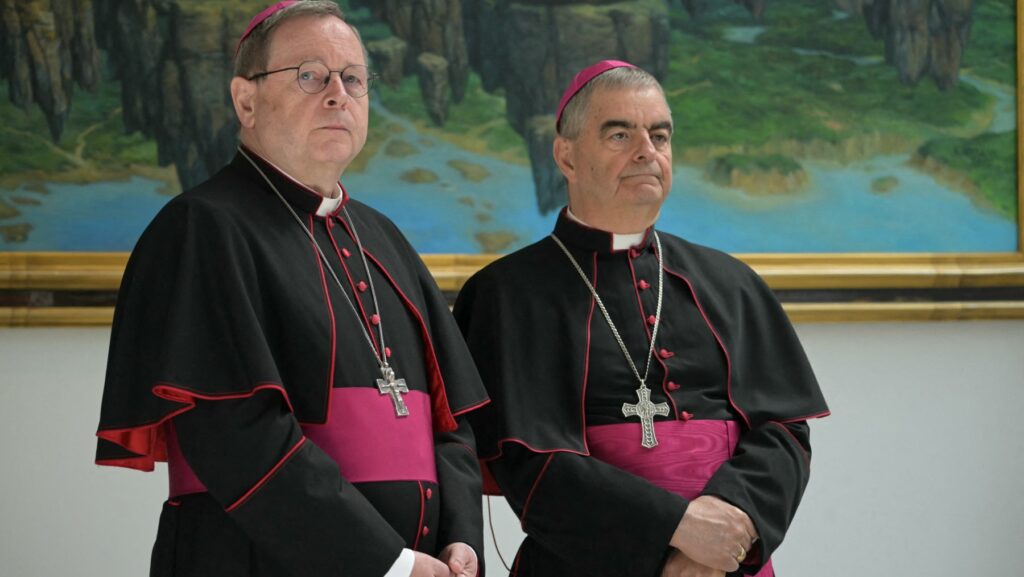
Elected to heal divisions, Pope Leo XIV may instead be remembered as the pontiff under whom the most serious Catholic schism since the Reformation emerged.
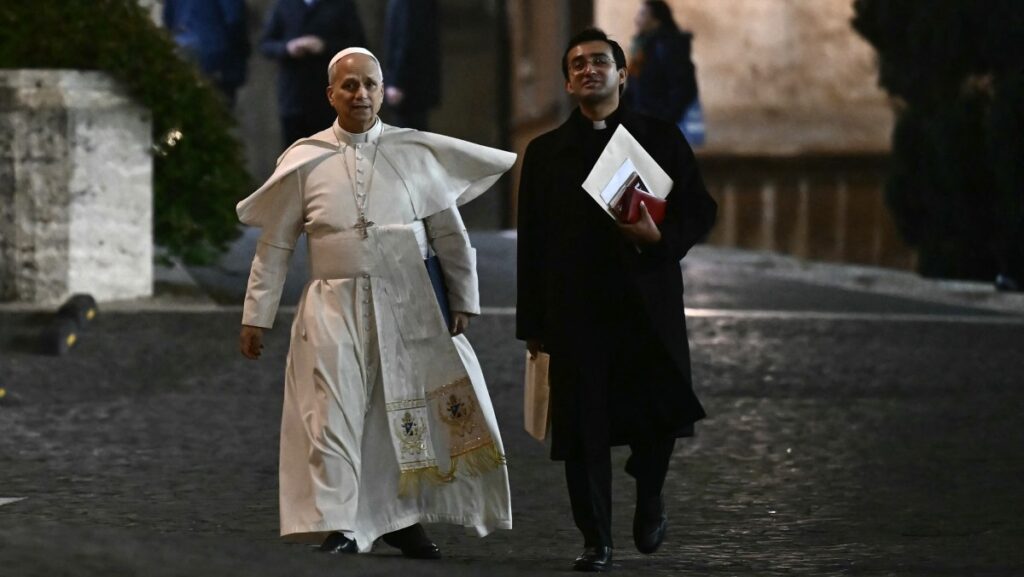
The challenges awaiting the Church in Europe are no longer episodic, but systemic.
This asymmetric prudence reflects an ecclesial climate in which every ‘no’ must justify itself, while every ‘yes’ is welcomed as progress.
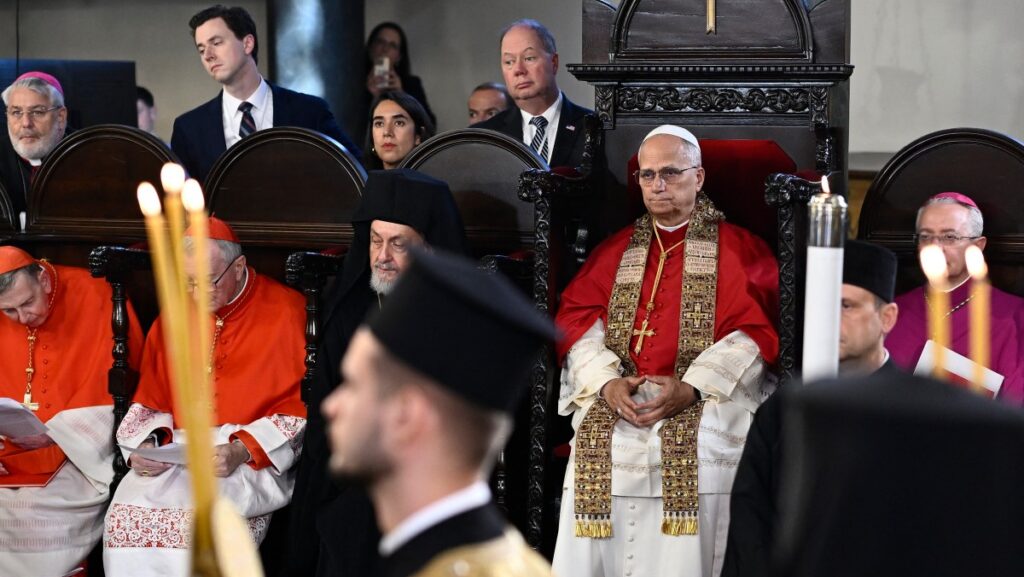
Meanwhile, the Christian population has fallen from roughly 20% in 1915 to less than 0.3% today as a result of violence and state policies aimed at creating a homogenous Sunni Turkish-Muslim nation.

An act of charity turned into a political symbol reveals the ambiguity with which the contemporary Church adopts languages foreign to her tradition.