

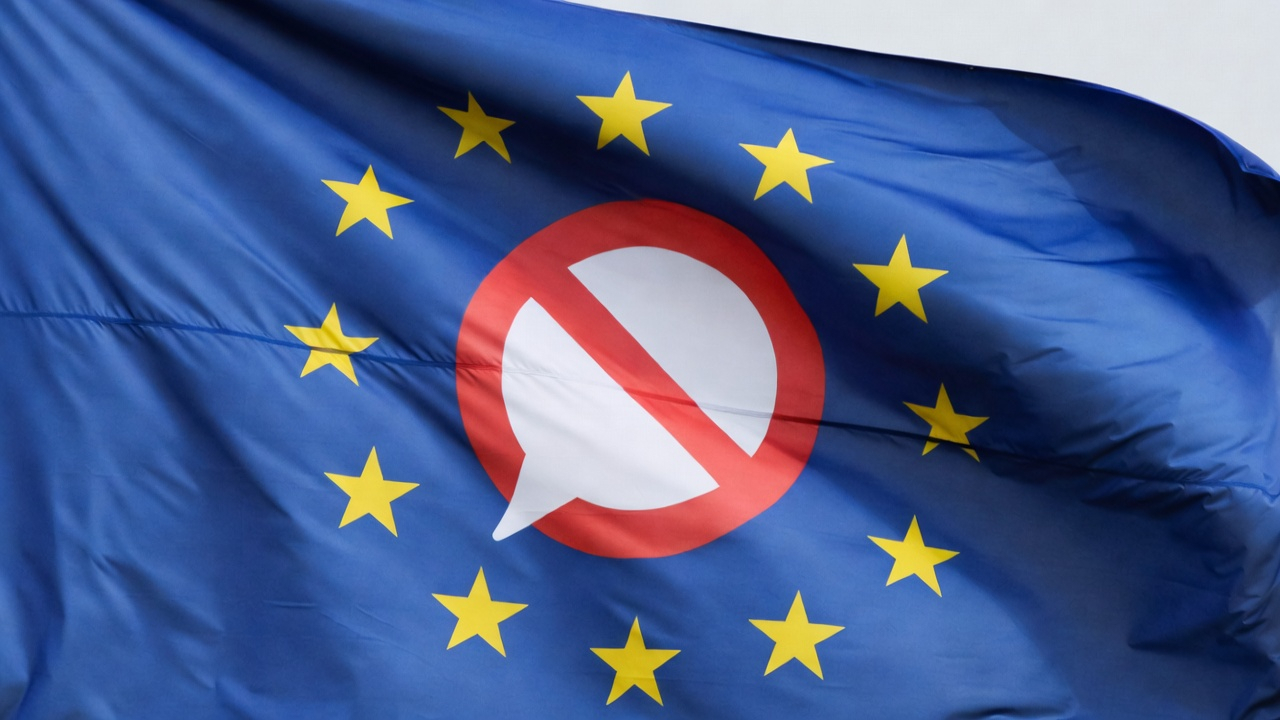
While framed as a defence against foreign interference, the project places Brussels at the centre of decisions about what qualifies as disinformation and how it should be addressed.
Economists and policymakers argue that without true economic integration, Europe cannot compete with the U.S. or China on equal terms.
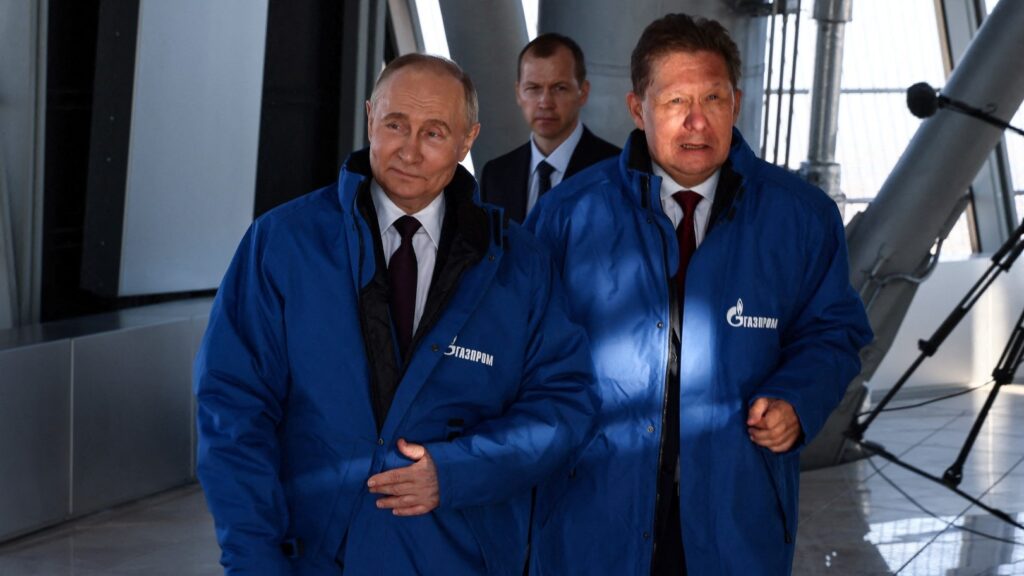
Sanctions have reduced the Kremlin’s margins, but they have neither curbed its exports nor eased Europe’s energy crisis.
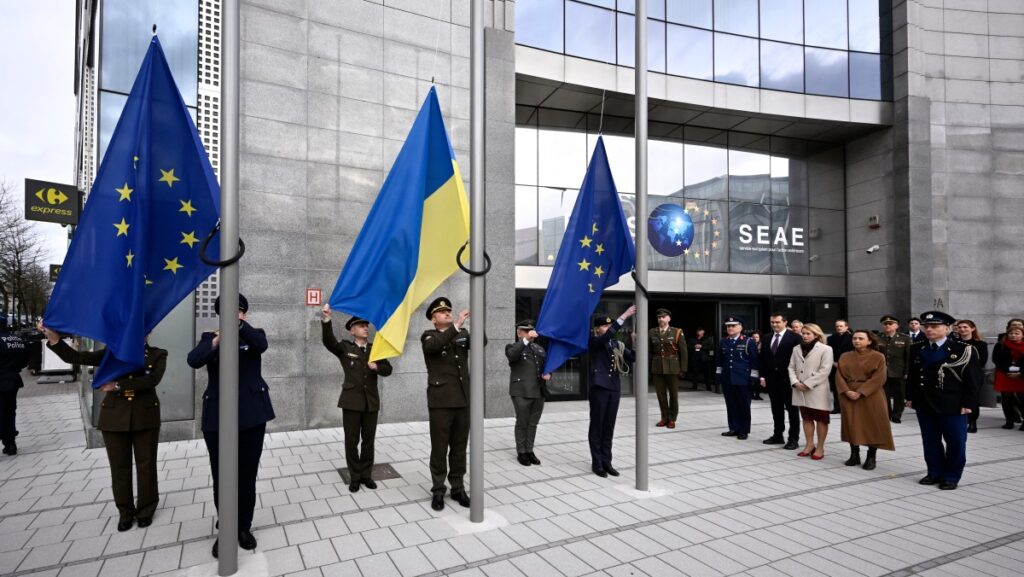
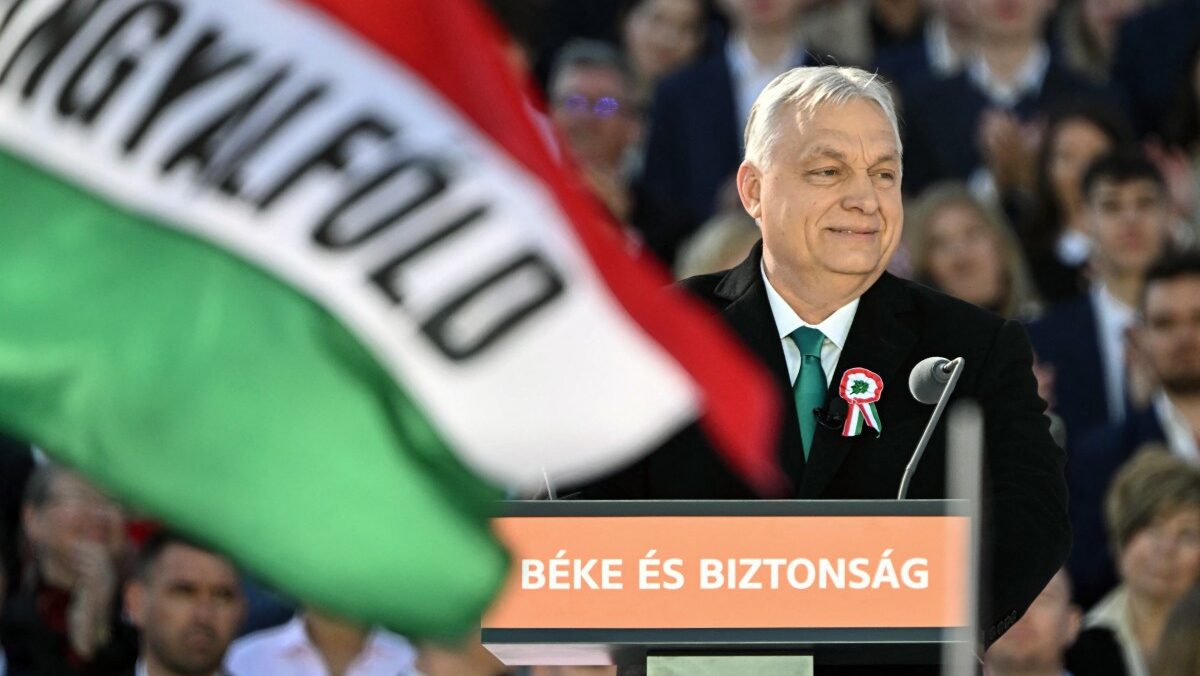
Hungary and Slovakia halt the twentieth package of sanctions, highlighting the increasing political fatigue within the bloc.
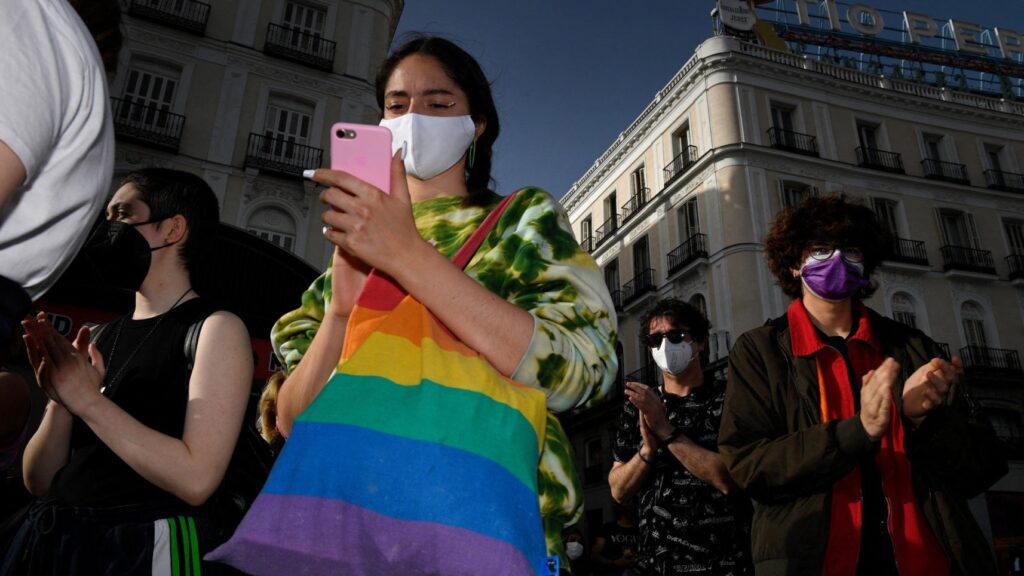
The initiative proposes mandatory sex education from early childhood through college.
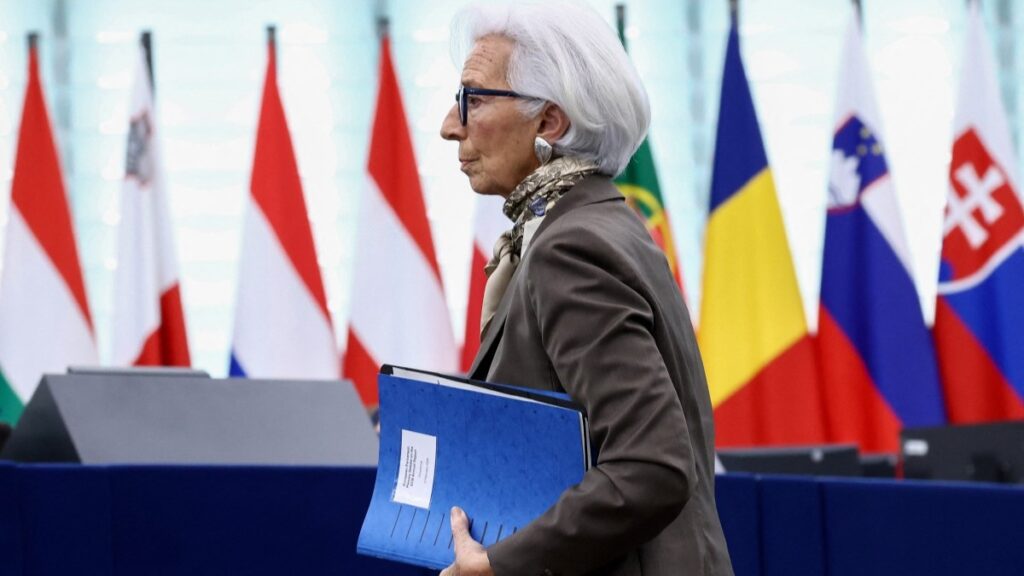
France’s political calendar turns the European Central Bank succession into a strategic issue for the Franco-German axis.
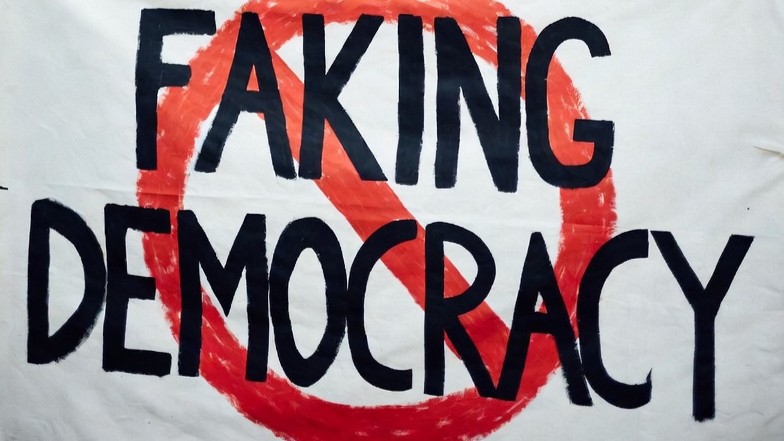
A recently registered citizens’ initiative reveals possible collusion between business interests, national governments, and the architects of the European Citizens’ Initiative.
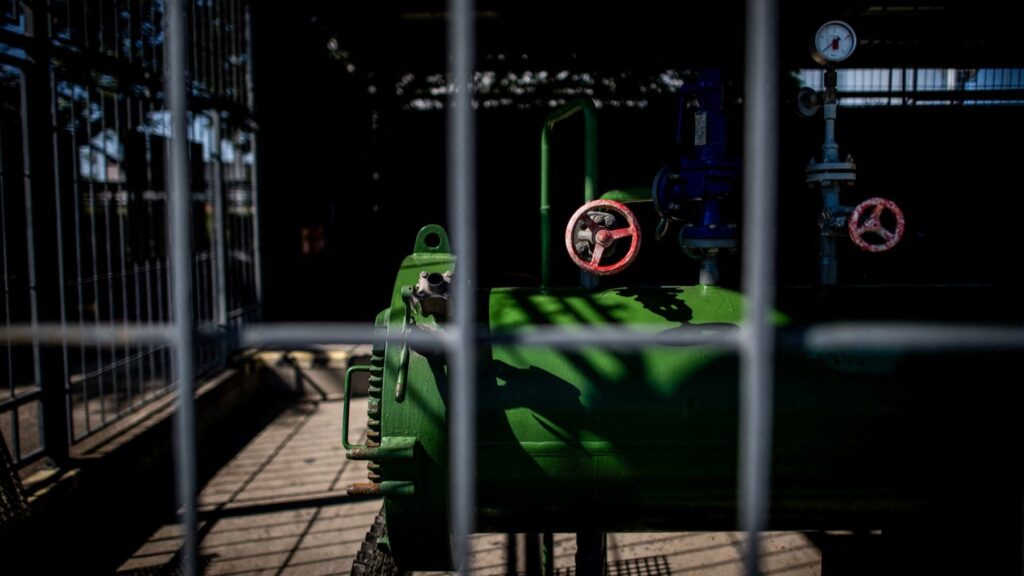
The European Commission is accused of acting as “the Commission of Ukraine” in the dispute between Budapest, Bratislava and Kyiv.
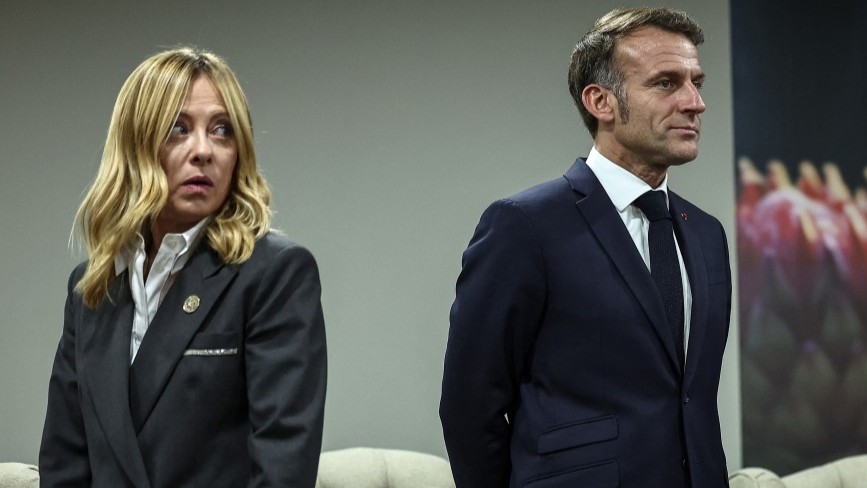
The remarks of the Italian premier on the killing of the young activist in Lyon prompted the failing French president to rebuke her in an unrelated speech in India.
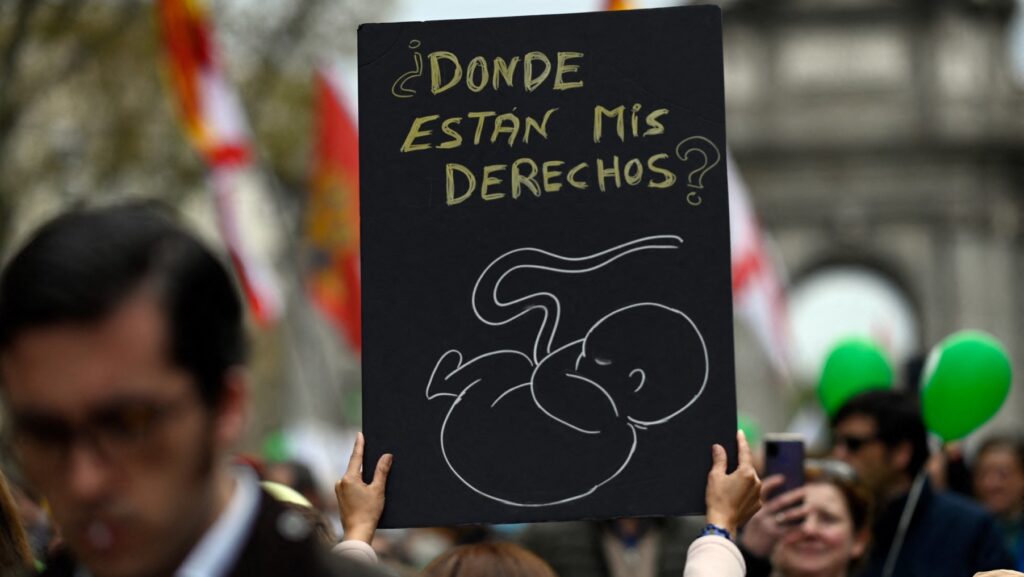
The proposal comes as the government faces mounting political pressure, with opponents accusing it of escalating a culture-war battle.

As the Commission prepares its 20th sanctions package, plans to curb Russian fertilizer imports risk triggering fresh protests from a farming sector already strained by rising costs and energy shocks.

The initiative raises uncomfortable questions for Brussels, which presents itself as a defender of rights abroad while regulating online platforms at home.