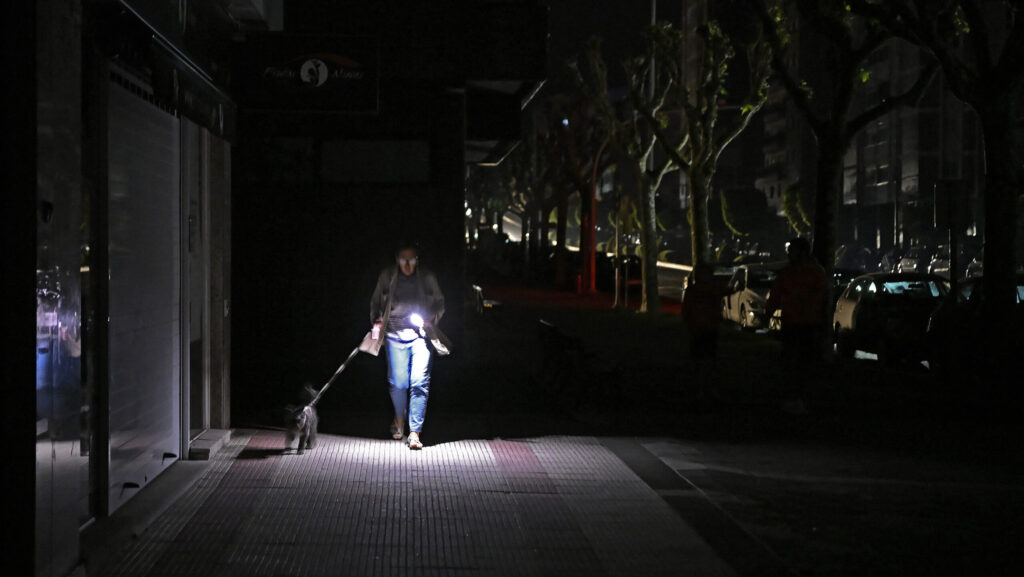
Yesterday’s blackout exposed hidden flaws in Europe’s green energy strategy.

Although she is in town for the EPP congress, flood victims will have to trek to Brussels to get an audience with ‘Queen Ursula.’

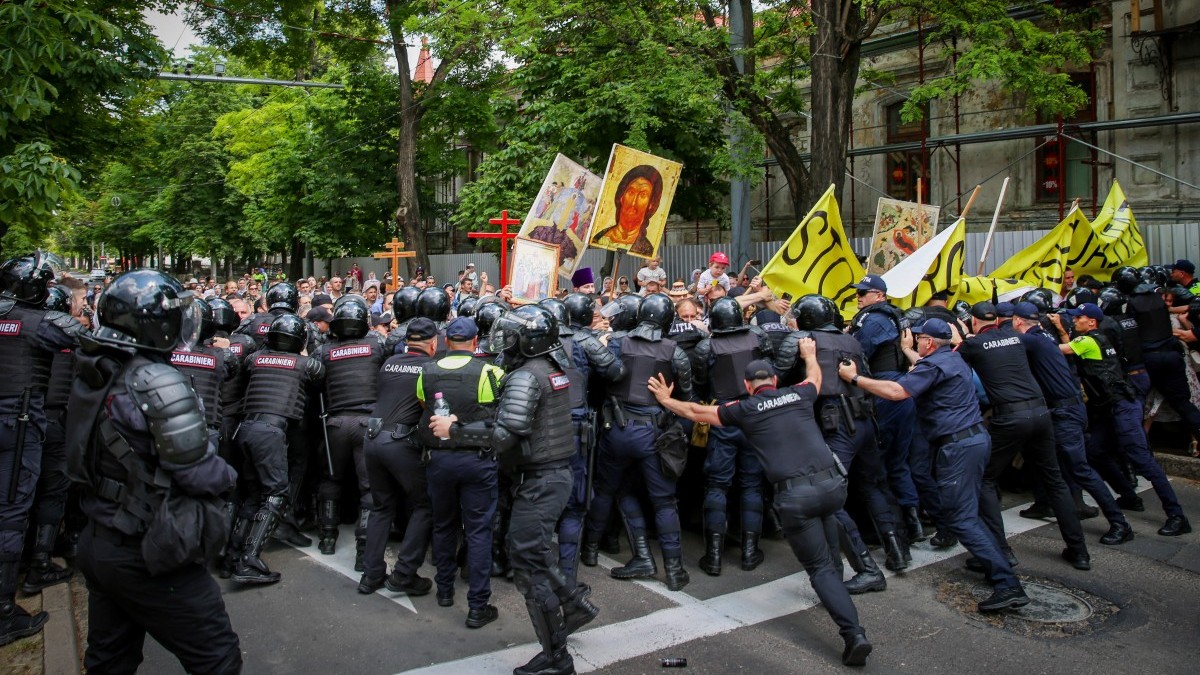
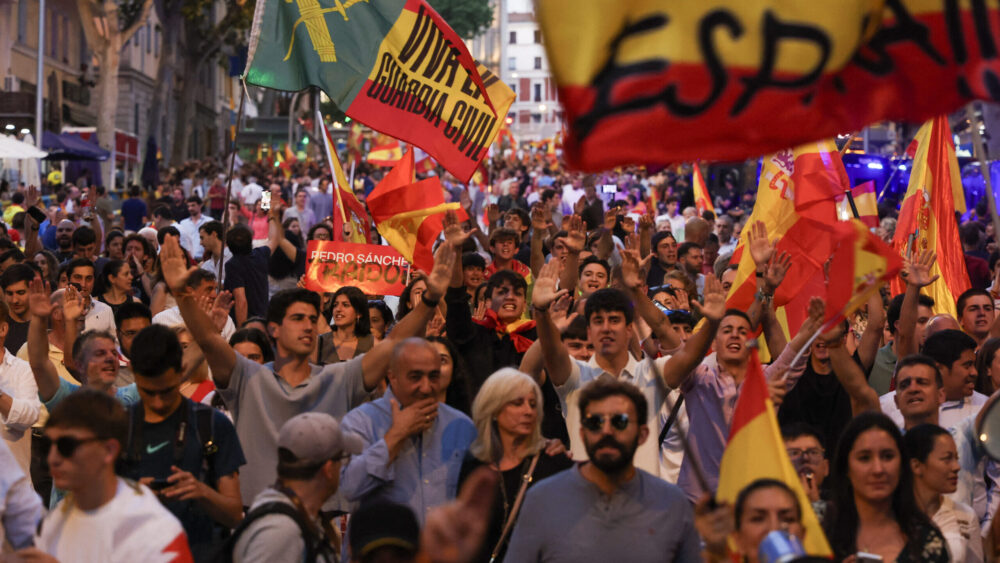
Thousands of citizens took to the streets to express their rejection of uncontrolled immigration in peaceful protests.
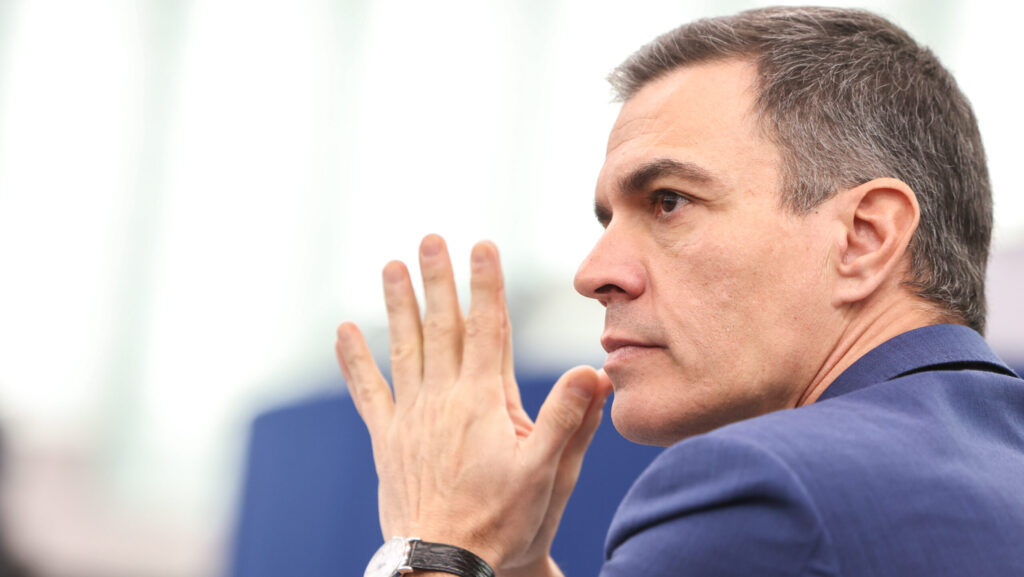
A new poll suggests modest gains for conservatives while tensions grow within the governing coalition over military spending.

This Saturday, the funeral of Pope Francis will take place in Rome with several world leaders in attendance—including Trump and von der Leyen.

The European People’s Party will hold its congress in the area devastated by the October 2024 environmental catastrophe that left 228 dead and for the mishandling of which no one has been held accountable.

Even sources from the Commission acknowledged that the EU’s Digital Markets Act is a double-edged sword, as it could be used for political purposes.

The president of the Good Governance Union insists that this is not a case of isolated mistakes, but rather a deliberate strategy to silence emerging parties such as AfD.

The countries leading the International Property Rights Index represent just 16% of the world’s population, but generate 60% of global GDP.

While Trump is making moves—whether his roadmap is accepted or not—European leaders have yet to produce a viable alternative of their own.
The move marks a sharp escalation in the bloc’s scrutiny of Chinese influence within its institutions.
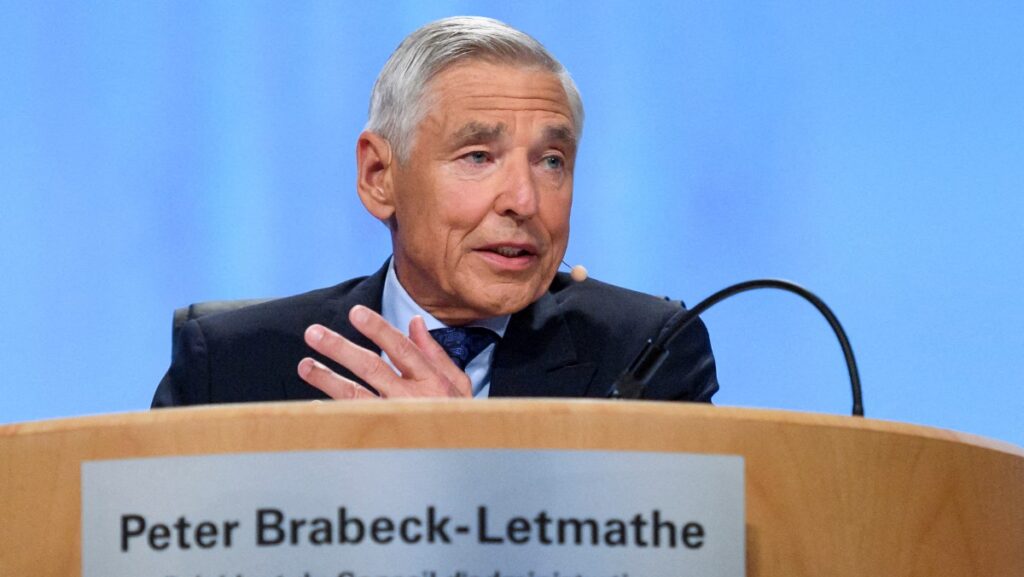
Brabeck’s appointment reinforces one of the longstanding criticisms of the Forum: its alignment with corporate interests above the needs of ordinary citizens.