
Stefanie Hubig says the state must act if AfD threatens democracy—but offers no proof of how.
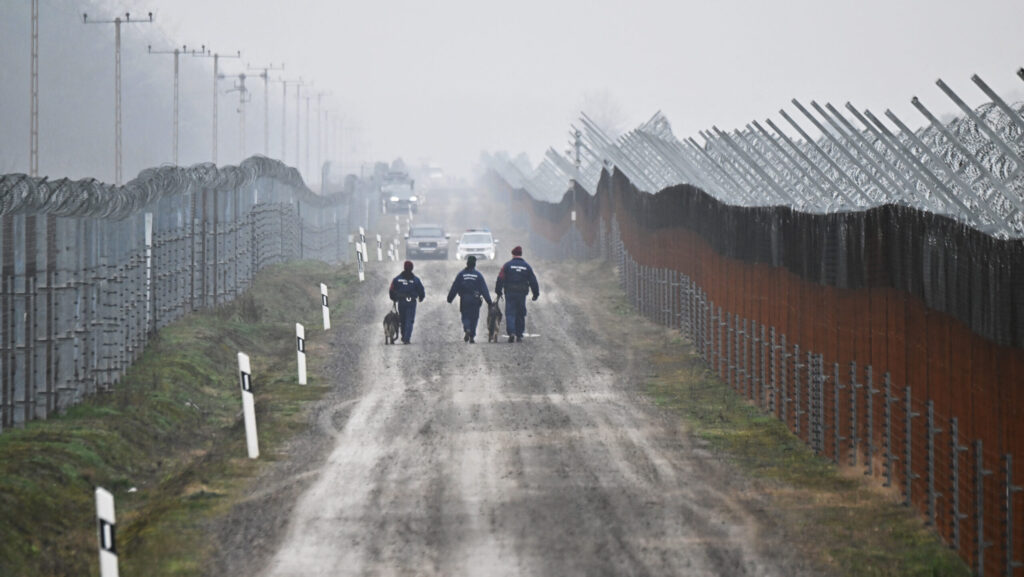
The Hungarian model shows that where there’s political will, effective control is possible.

What the EU Commission sees as an anomaly, CPAC attendees see as a model to follow.

The attack at the peaceful march supporting Israeli hostages comes just ten days after two employees of the Israeli embassy in Washington were shot and killed.
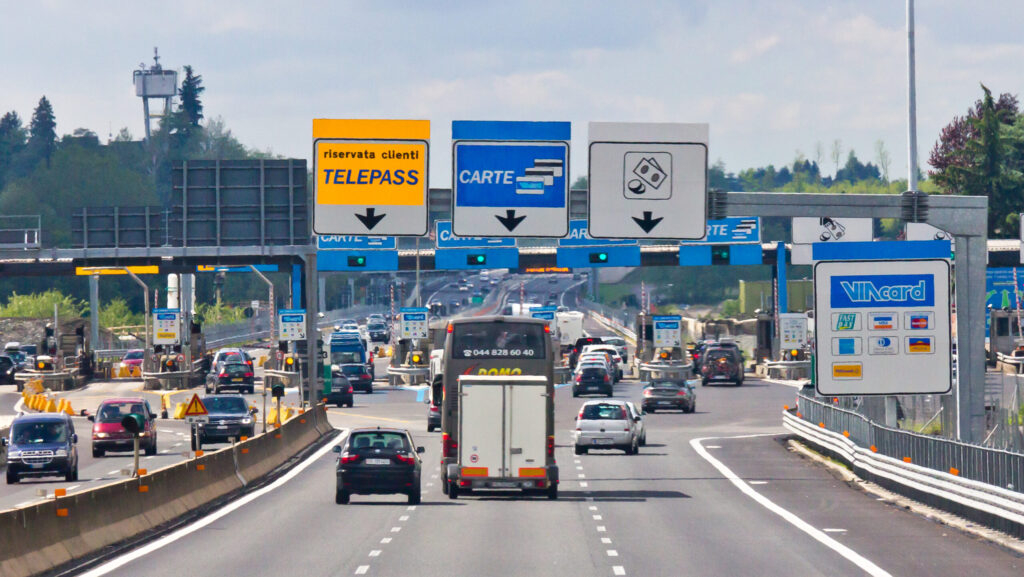
Despite the little breathing space provided for car manufacturers, the Green Deal remains in place, as do the climate neutrality goals for 2050.

As EU officials defend the Digital Services Act, a deeper concern emerges: the quiet convergence of state and corporate power in policing digital discourse.

The EU’s main response appears to be focused on redistributing those arriving rather than on stopping the increasingly overwhelming influx of boats.
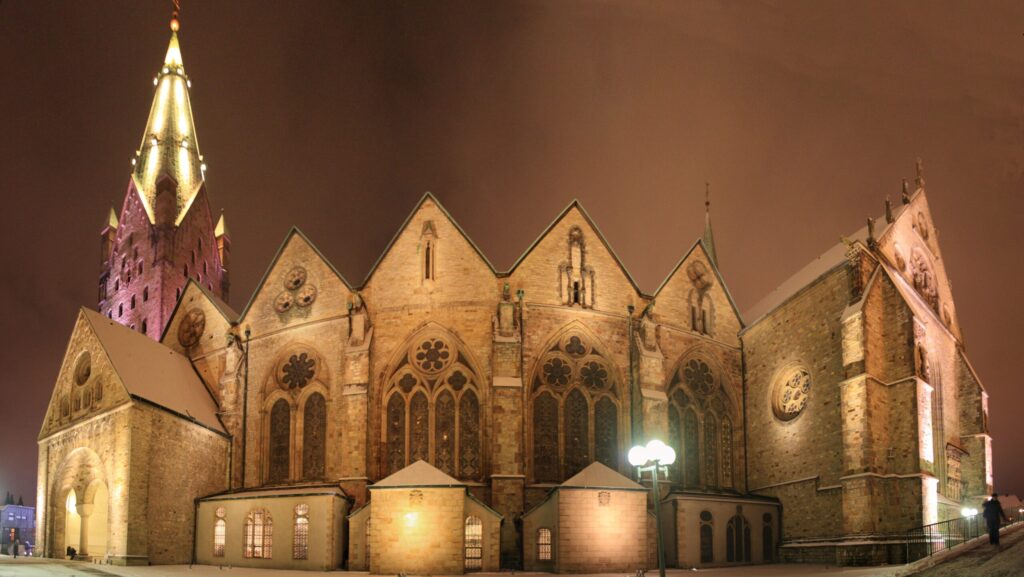
Thousands demand an apology after a controversial performance in the spiritual heart of Westphalia.

The defense of narrowly interpreted “European values” becomes a tool to constrain the sovereignty of member states choosing alternative legislative paths.
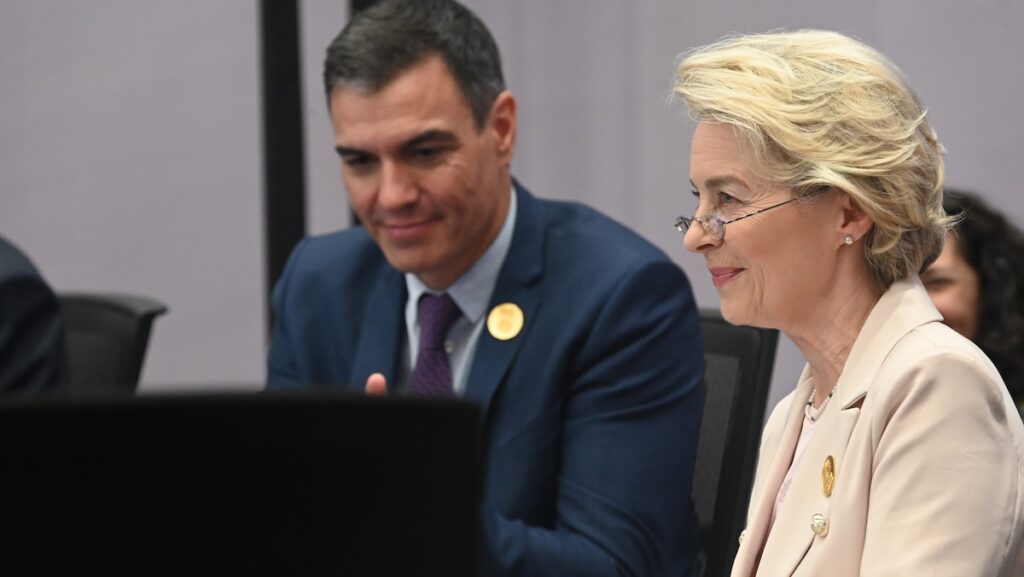
Wednesday’s meeting between the two leaders is a high-stakes negotiation where personal agendas, political alliances, and institutional hurdles all intersect.

While claiming to support stricter migration rules, the German government is still bankrolling controversial sea rescue operations.

Rejecting the calls for legal action, von der Leyen also asked commissioners not to attend the event to avoid “provoking Orbán on his own turf.”