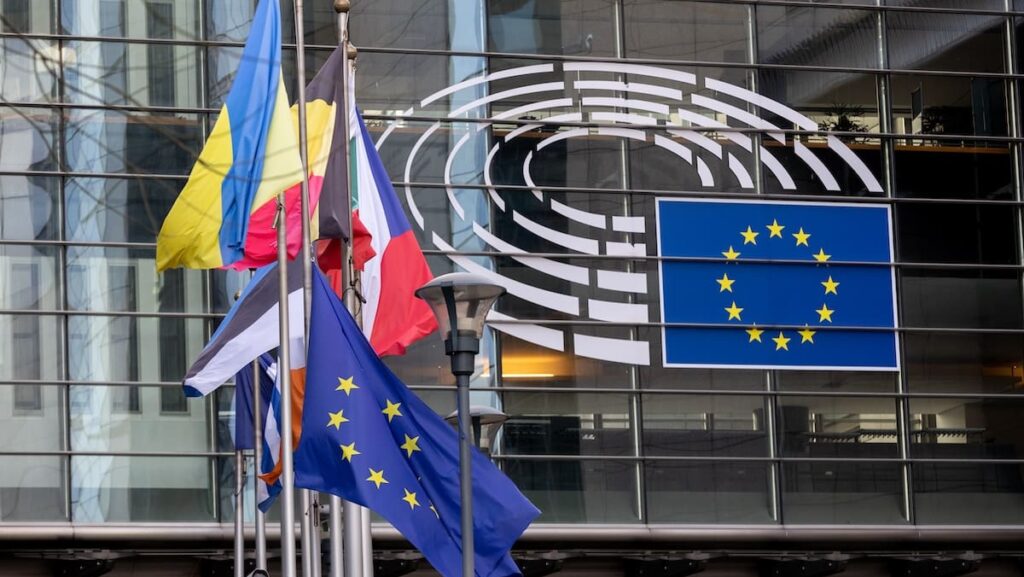
Hungary demands clarity about the European Commission’s practice of giving generous grants to civil society groups to promote its ideological policies.
Critics warn that the proposed legislation could stifle press freedom by granting authorities sweeping powers over media regulation and funding.
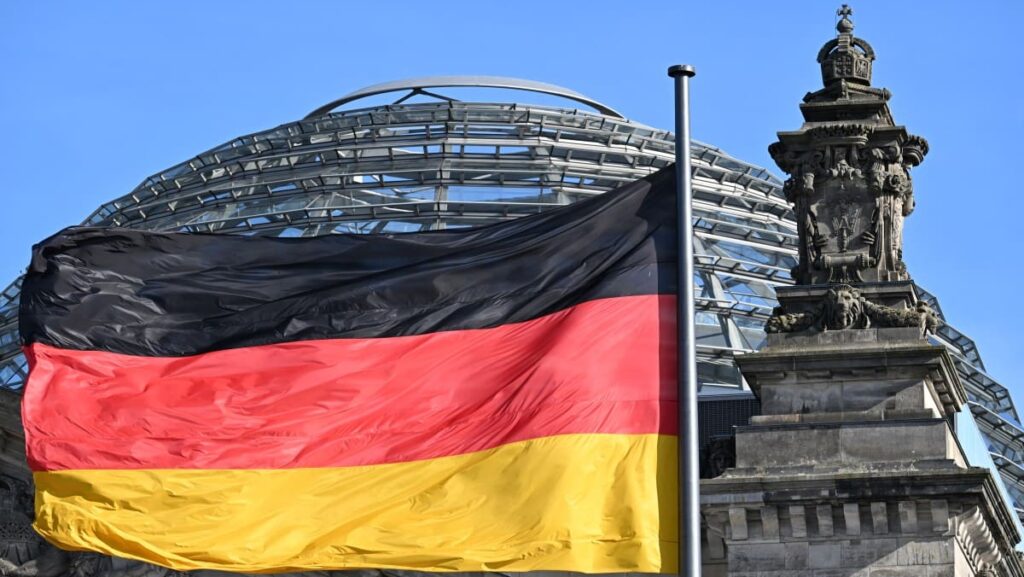
Young voters overwhelmingly opted for Die Linke and the AfD last Sunday, snubbing the establishment parties both on the left and the right.
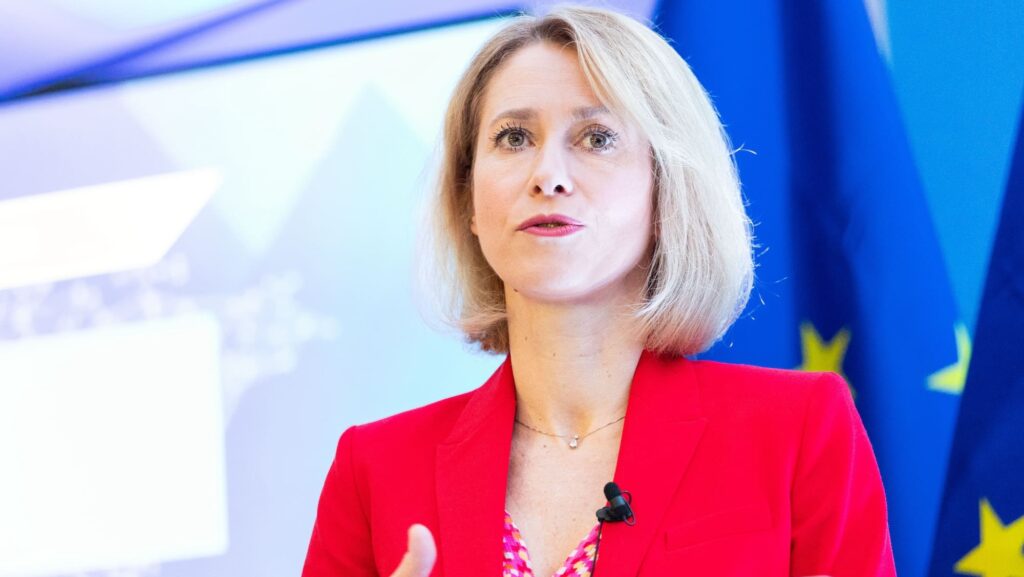
The ‘grand coalition’ is not a natural alliance, nor a reflection of the popular will; it is a survival pact orchestrated by Brussels to prevent Germans from taking control of their destiny.
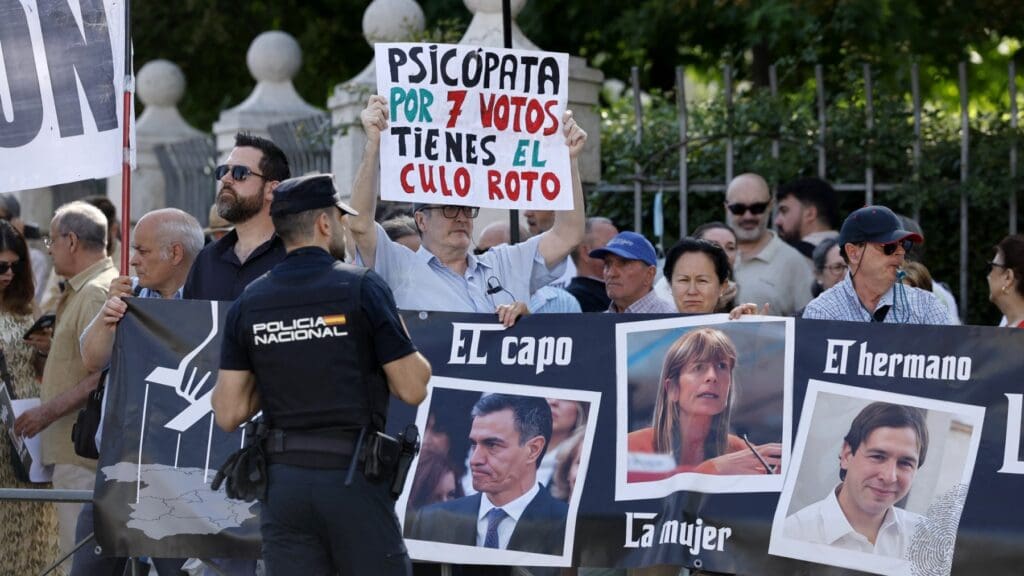
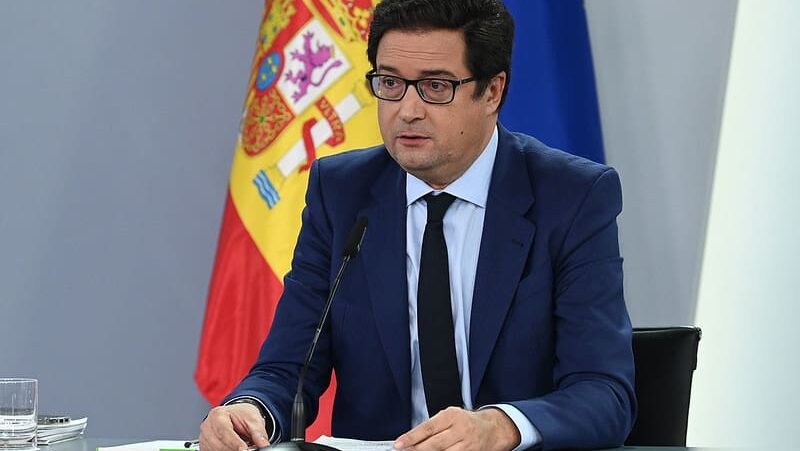
The EPP majority has approved a March debate on controversial bills in Spain that would severely restrict the independence of the judiciary and popular legal action.
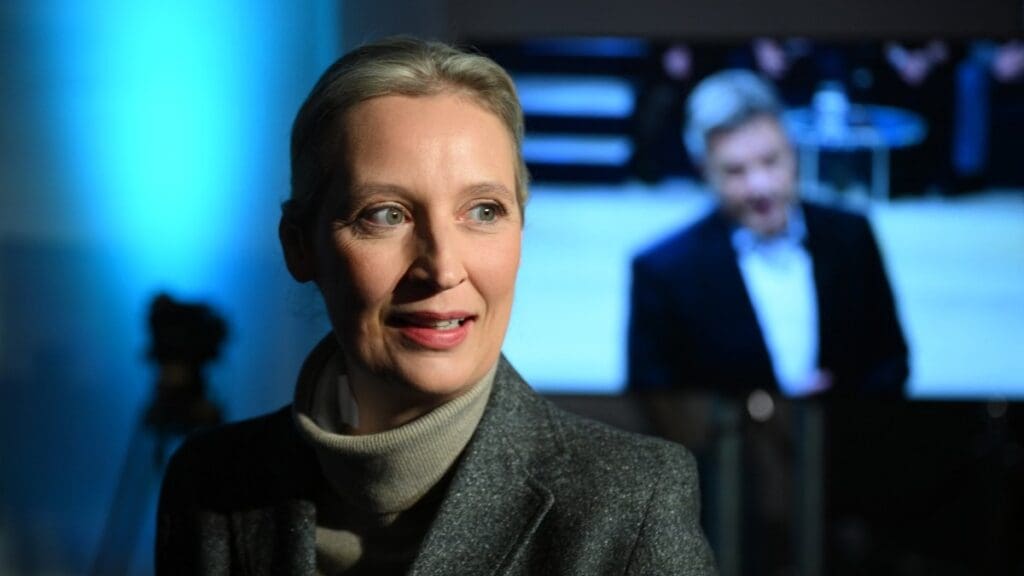
Her undeniable influence is proof of how German politics is changing, willing to discuss and confront issues that earlier were classified as taboo.
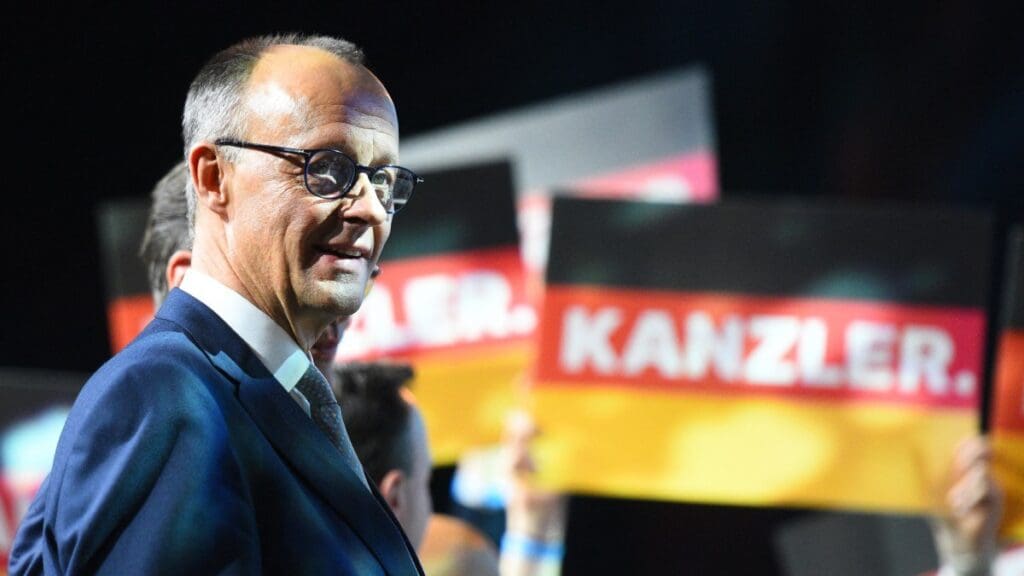
Merz will likely be handed the last chance to lead Germany back to the path of common sense—one he could easily squander due to his dependence on the Left.
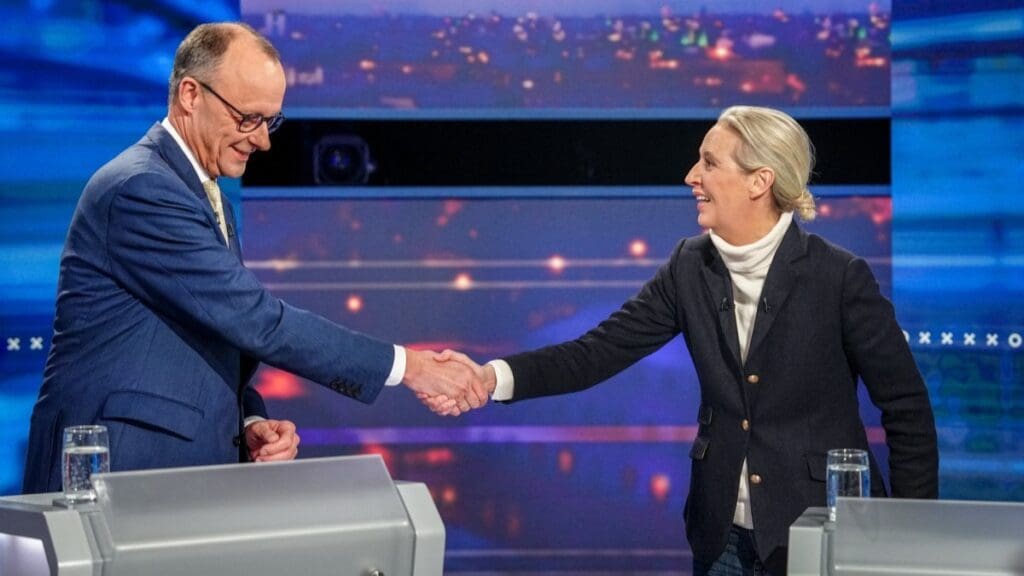
Nearly 60 million Germans will go to the polls this Sunday in elections that will shape not just the country’s but the continent’s future.

Statistical data show that the growth in sexual assaults against women coincides with more immigration, a reality that only the European Right is ready to confront.
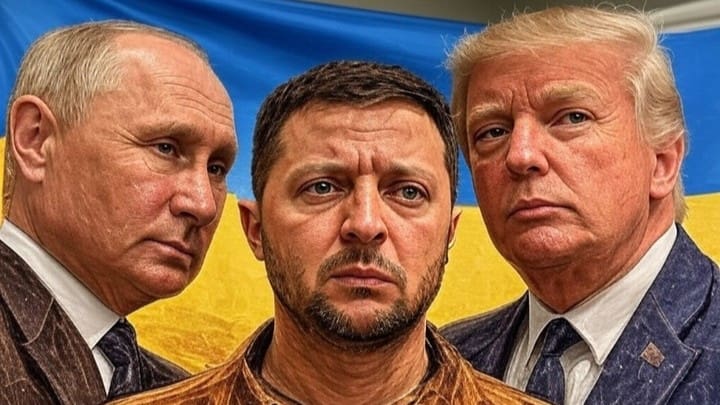
While Donald Trump wants to end the war Brussels persists with a warmongering narrative, insisting that “Ukraine must win.”
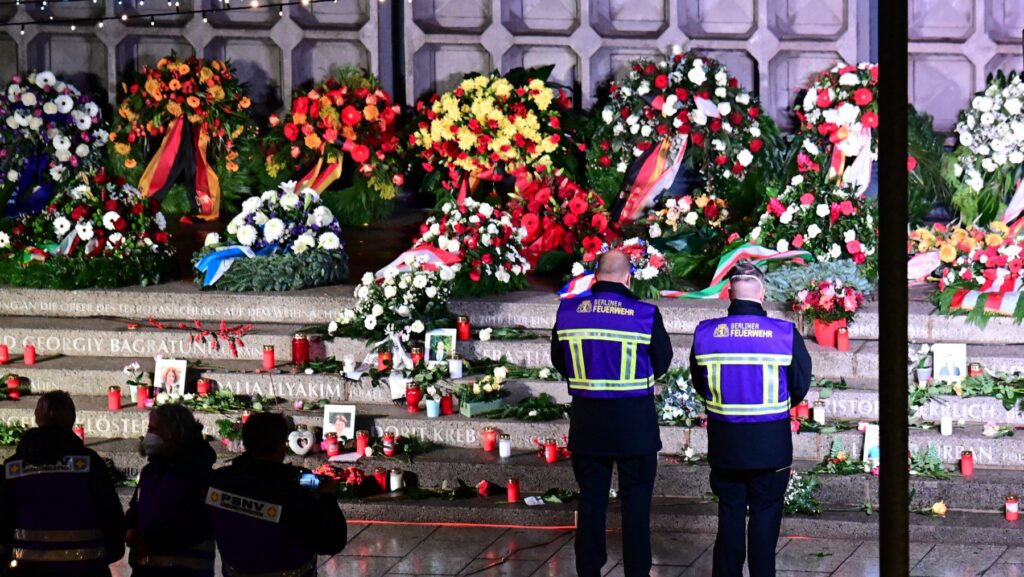
Each attack reinforces the perception that Germany and Europe face an unprecedented security crisis that many prefer to ignore.
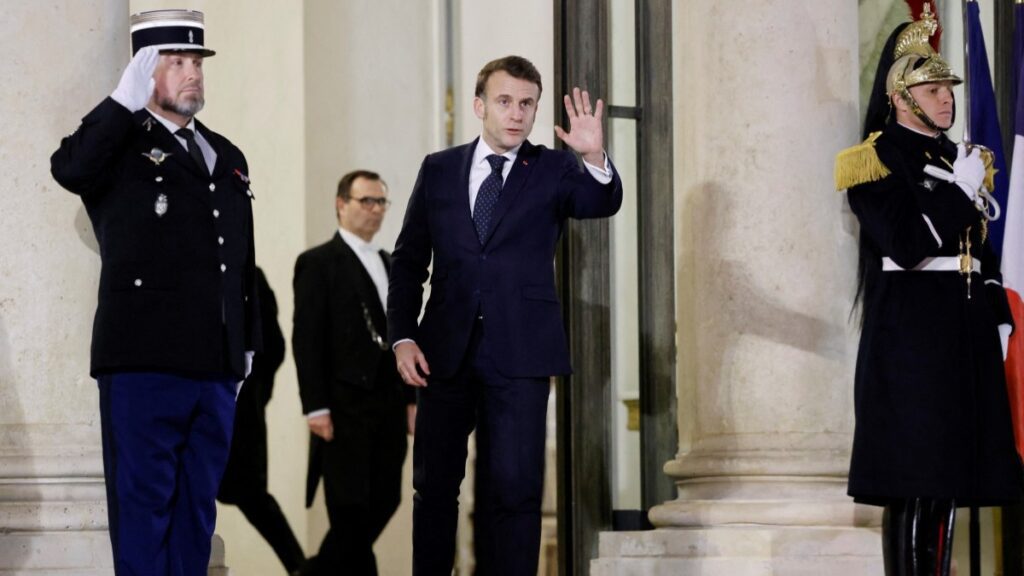
Even if the EU manages to give a decisive response, the question would still linger: with what purpose, under what values, and to what end?