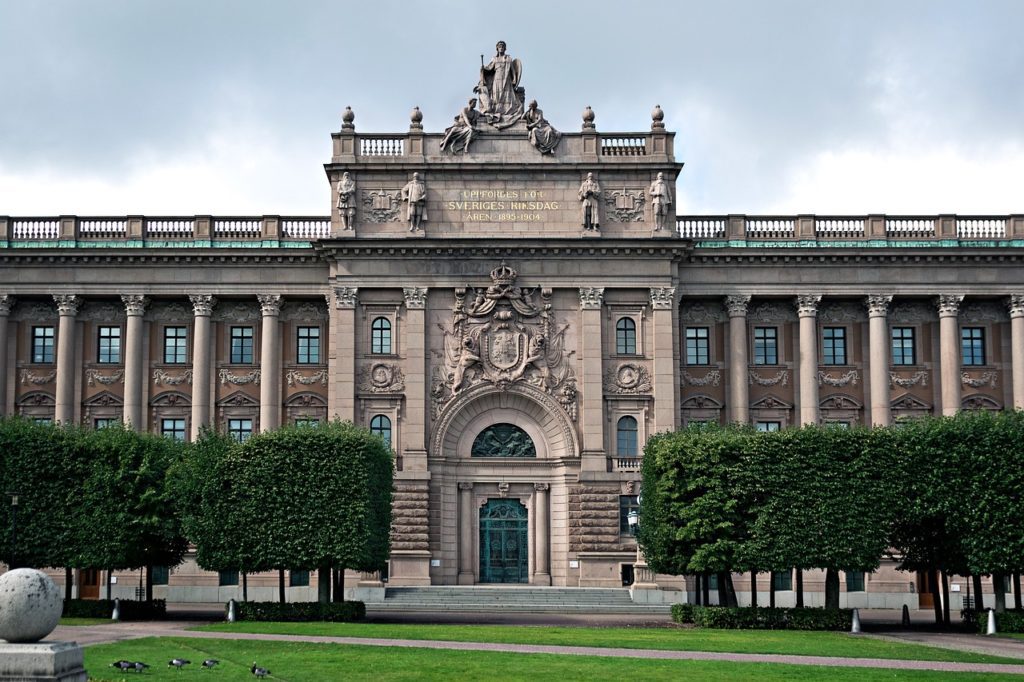
The four parties of the governing coalition explained that they had not taken over a “laid table” but rather a pile of problems that will take a long time to solve.
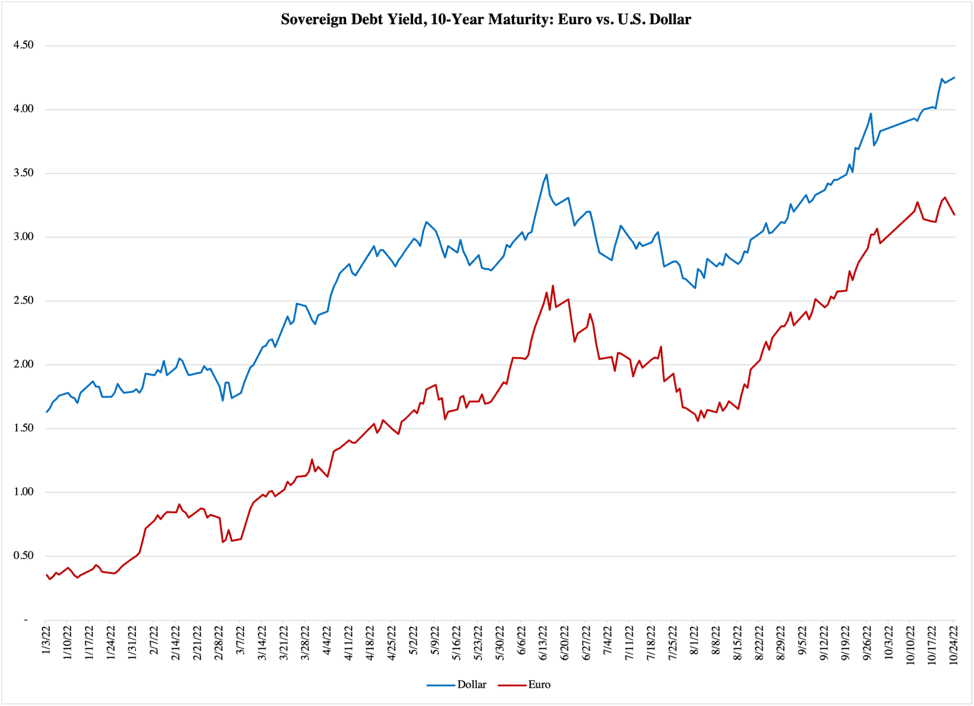
Inflation is of major concern, according to the ECB.
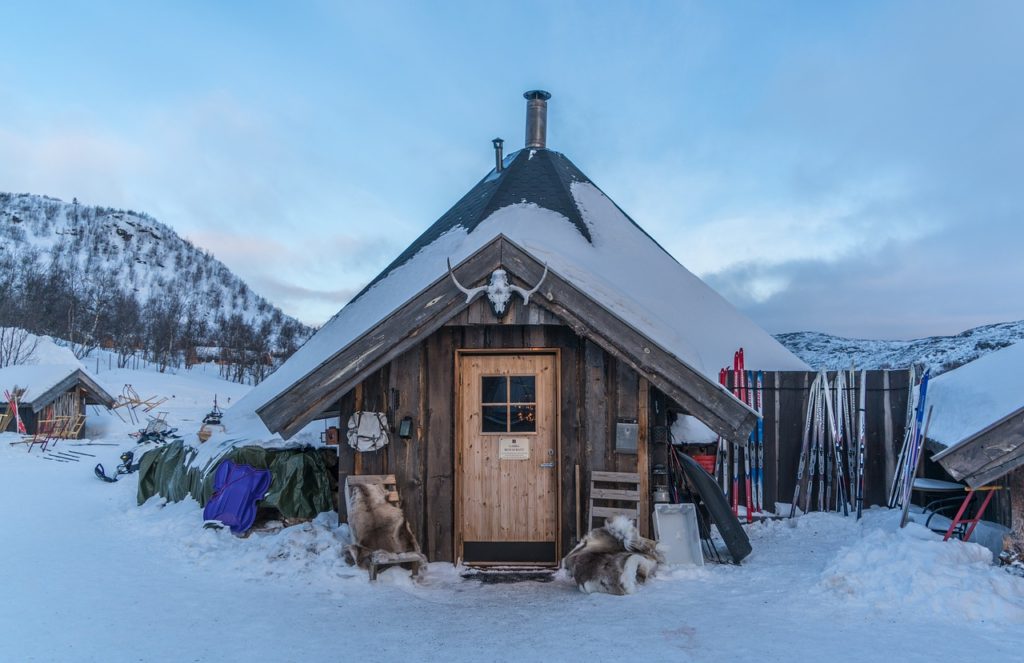
According to NRK, the agreement between the center-left government and the socialist party will pay out a total of 1.2 billion Norwegian kronas (€115 million) in electric-bill support “to the most vulnerable groups in society.”

There is only one path forward for conservatives: to combine tax cuts with structural reforms to welfare-state spending.

The deficit for both the EU and the euro zone have been shrinking for six quarters in a row.

In September 2021, the inflation rate for the European Union was 3.4% and 3.6% for the euro zone. Today, eighteen EU member states report inflation above 10%.
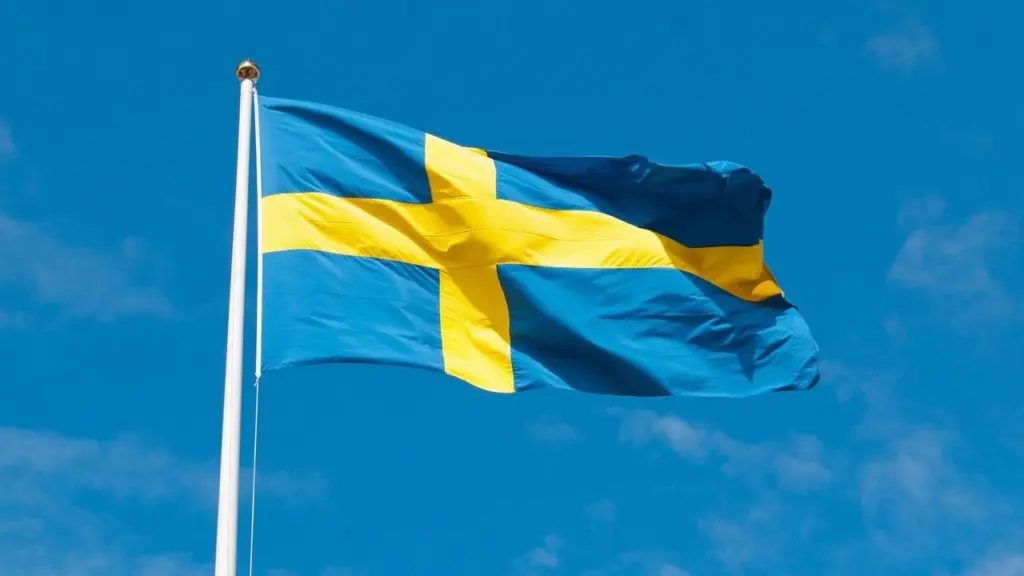
Without question, the biggest reason why Kristersson is now the new prime minister is the impressive rise of the Swedish democrats.
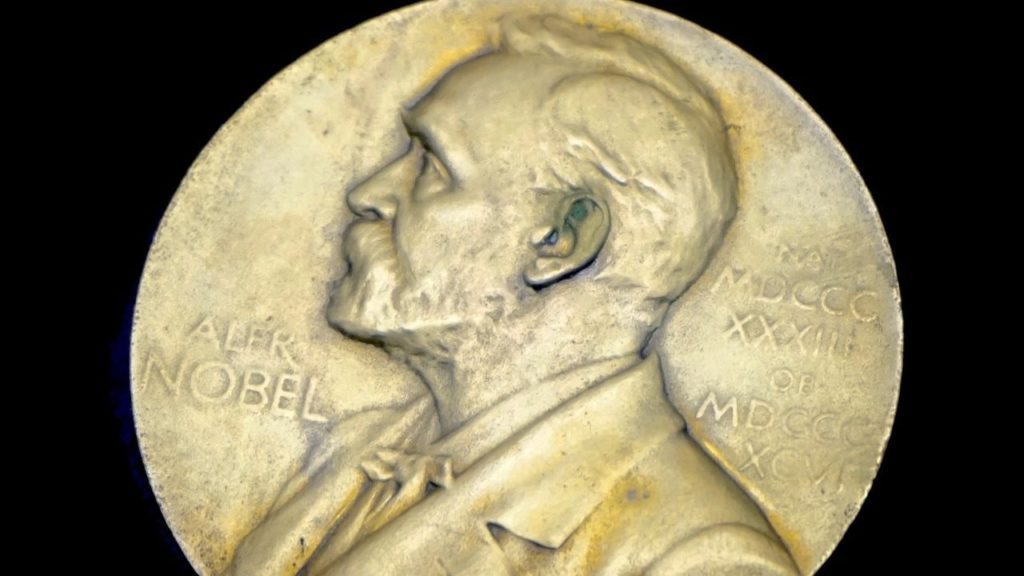
This year’s economics prize winners are good economists, but their research is far from the original contribution that should merit a Nobel Prize.
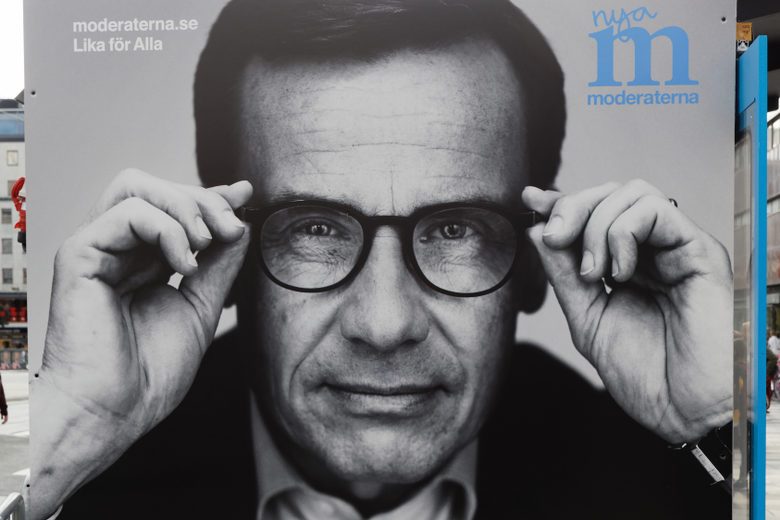
The new government is going to implement a number of measures to tighten immigration and reduce crime.
This admission will have “massive implications.” Governments from around the world had used guilt-shaming verbiage to get young people to take the vaccine.
Although the newly released report from the United Nations does not explicitly state the transformative consequences of its policy recommendations, it unabashedly agitates for using the economy as a tool for global social engineering.
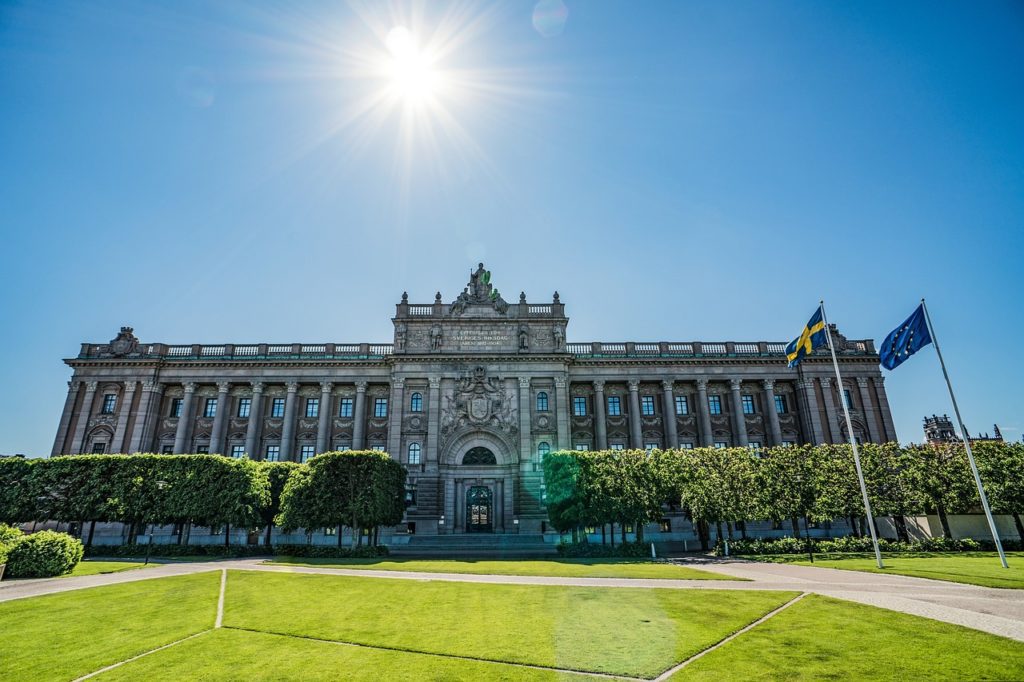
The main issue keeping Kristersson from asking for a prime minister vote before Monday is a lingering disagreement between the liberal party and the nationalist conservative Swedish democrats.