



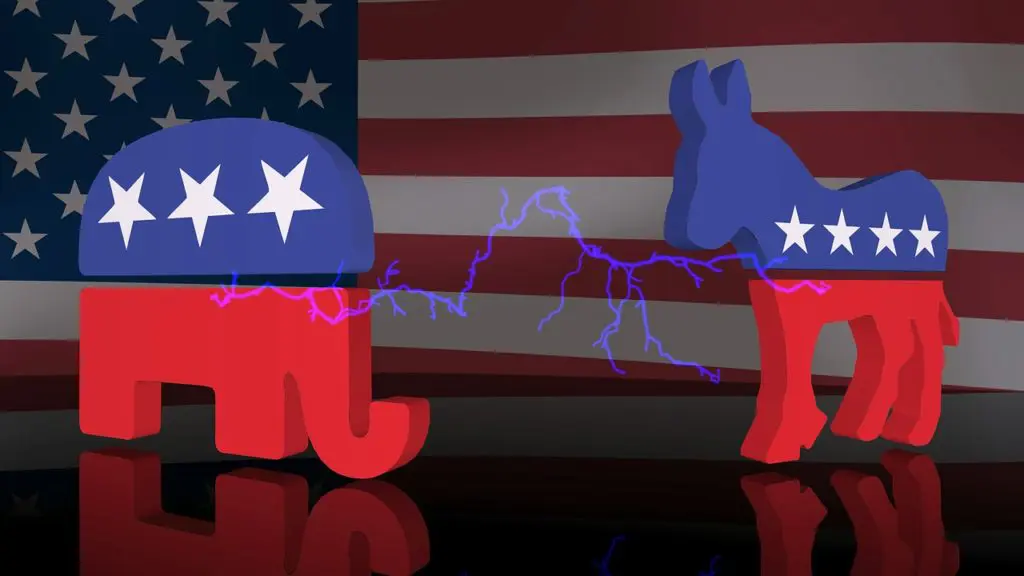
Currently, the Democrats control both legislative chambers, but with very small margins. This is about to change.
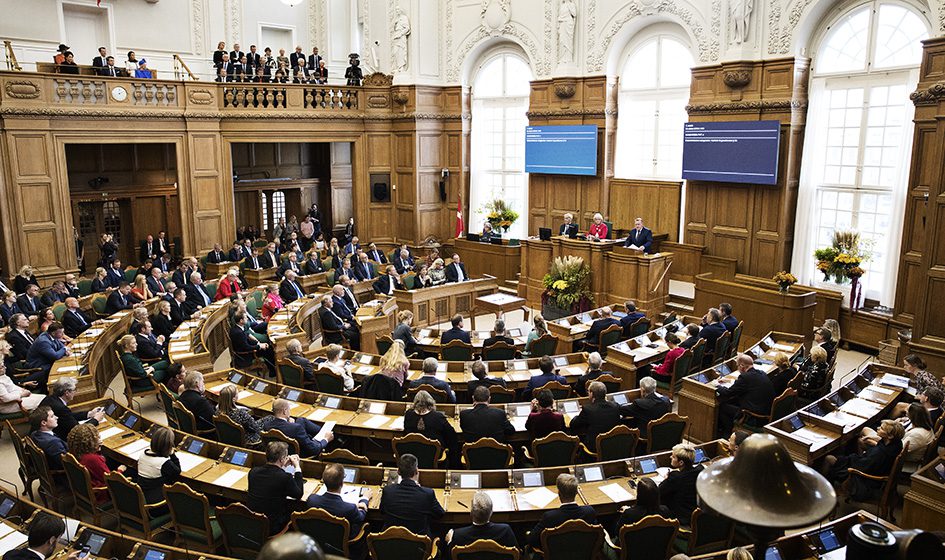
Incumbent prime minister and Social Democrat chairwoman, Mette Frederiksen, intends to hand in her resignation while negotiating a new alliance to come back with renewed parliamentary support.
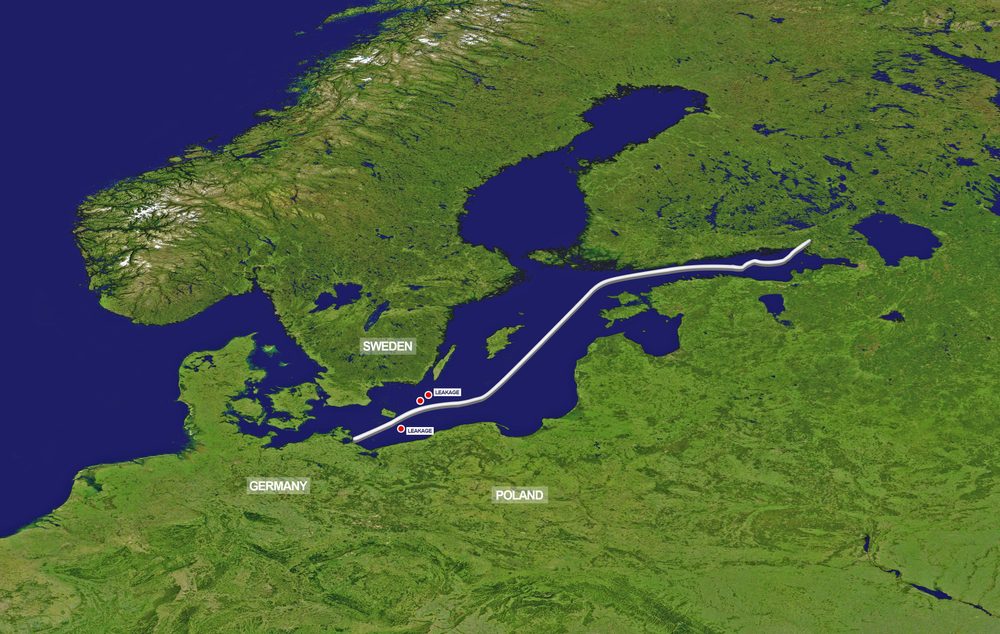
The prevailing opinion among most ‘observers,’ Politico explains, is that “Russia blew up the pipelines … in an effort to further destabilize Europe’s energy supplies.
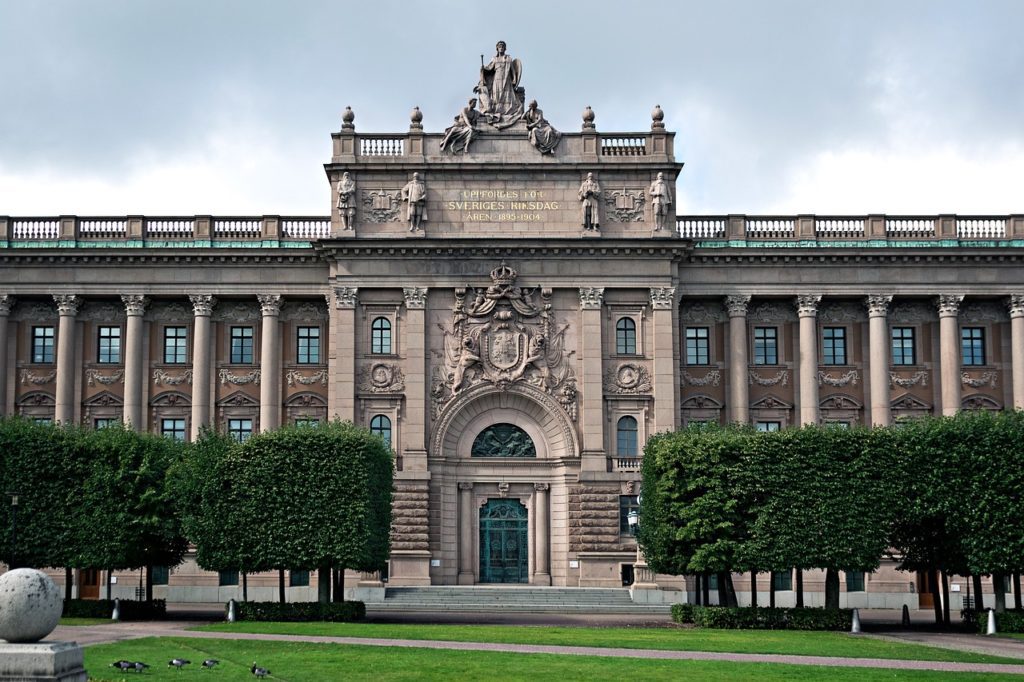
The four parties of the governing coalition explained that they had not taken over a “laid table” but rather a pile of problems that will take a long time to solve.
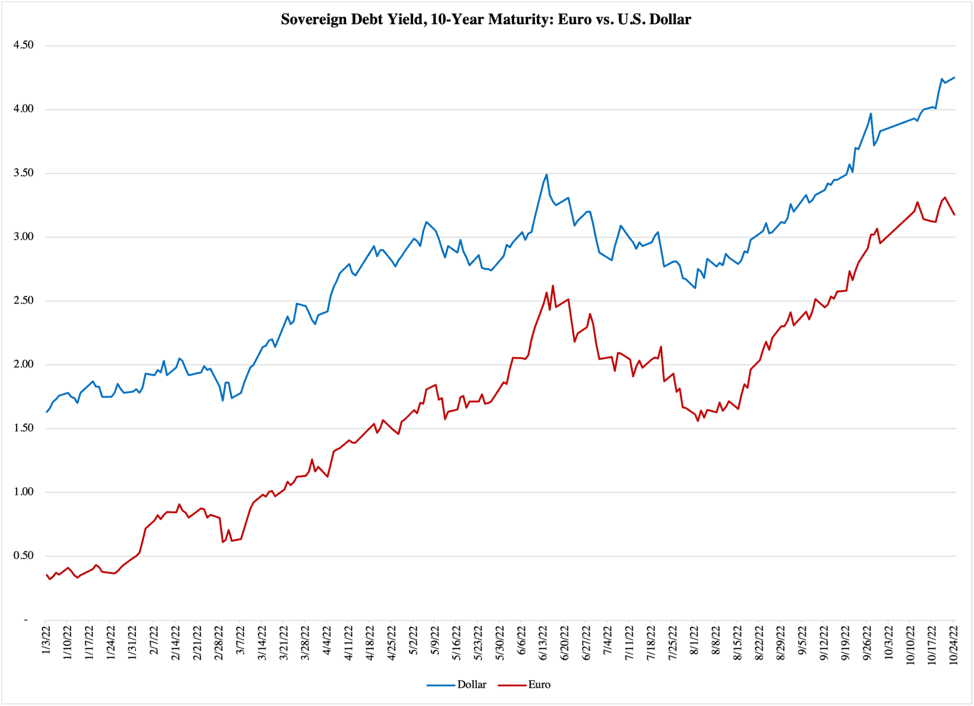
Inflation is of major concern, according to the ECB.

According to NRK, the agreement between the center-left government and the socialist party will pay out a total of 1.2 billion Norwegian kronas (€115 million) in electric-bill support “to the most vulnerable groups in society.”

There is only one path forward for conservatives: to combine tax cuts with structural reforms to welfare-state spending.

The deficit for both the EU and the euro zone have been shrinking for six quarters in a row.

In September 2021, the inflation rate for the European Union was 3.4% and 3.6% for the euro zone. Today, eighteen EU member states report inflation above 10%.
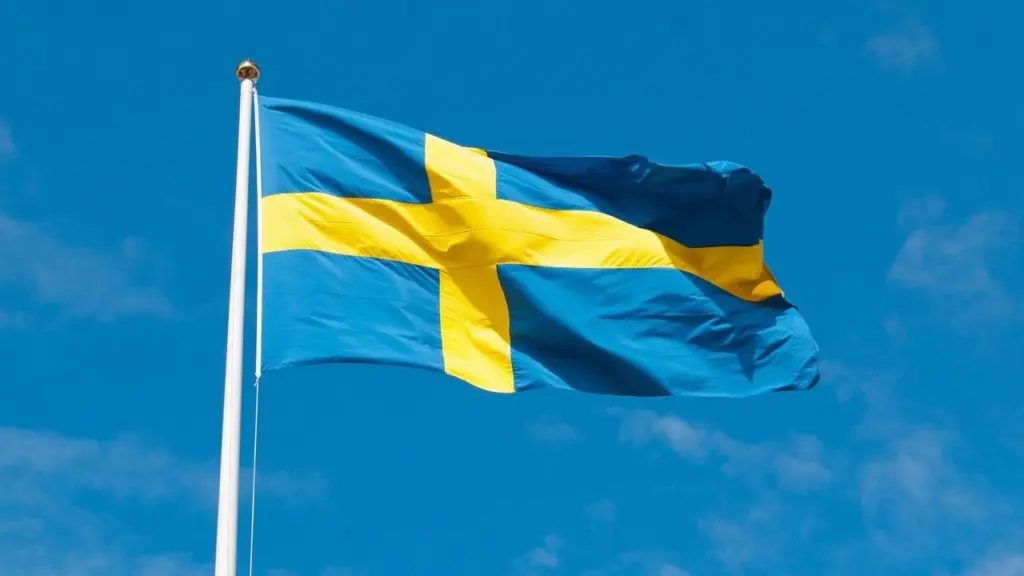
Without question, the biggest reason why Kristersson is now the new prime minister is the impressive rise of the Swedish democrats.

This year’s economics prize winners are good economists, but their research is far from the original contribution that should merit a Nobel Prize.
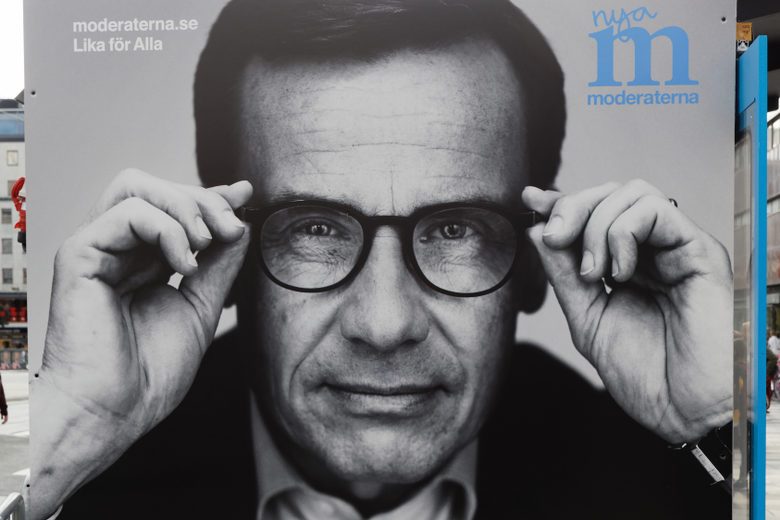
The new government is going to implement a number of measures to tighten immigration and reduce crime.